Tag: #sharmaroadlinespvtltd

  • 🚘 Ford’s Affordable $30,000 Electric Pickup: The Future of Budget-Friendly EV Trucks

    Introduction

    Ford is preparing to redefine the electric vehicle market once again — this time with an electric pickup truck that’s expected to start at just $30,000. This bold move aims to make electric mobility accessible to the masses, breaking the myth that EVs must be expensive.

    This upcoming mid-size electric pickup is already making headlines, not just for its price but for how quickly it’s taking shape. With production targeted for 2027, Ford is working behind the scenes to deliver a practical, efficient, and budget-friendly electric truck that could change how Americans think about EV ownership.


    Why Ford’s $30,000 EV Truck Is a Big Deal

    The EV pickup market has so far been dominated by high-end, premium-priced models from Tesla, Rivian, and others — often costing upwards of $60,000. Ford’s new strategy shifts focus toward affordability and mass adoption.

    Here’s why this truck matters:

    💰 Price Revolution – A $30,000 EV pickup could open electric ownership to millions of buyers who’ve been waiting for a budget-friendly option.

    ⚙️ New Platform, Smarter Design – Built on Ford’s new Universal EV Platform, this truck will feature a simplified manufacturing process and fewer components — making it cheaper and faster to produce.

    🌍 Accelerating EV Adoption – By combining affordability with everyday practicality, Ford could spark a new wave of electric truck owners across the U.S.


    What We Know So Far

    Let’s break down the confirmed and reported details about Ford’s upcoming EV pickup:

    🔋 Platform & Battery: It’s built on Ford’s all-new Universal EV Platform (UEV), designed for efficiency and scalability. The vehicle will likely use LFP (Lithium-Iron-Phosphate) batteries — known for their stability and lower cost.

    💵 Pricing & Production Timeline: The starting price is targeted at $30,000, with production set to begin in 2027 in Louisville, Kentucky.

    🚙 Design & Layout: This mid-size pickup will be a four-door truck offering a roomy interior comparable to popular SUVs like the Toyota RAV4. Expect a frunk (front trunk) for added storage, emphasizing utility and convenience.

    🏭 Manufacturing Breakthrough: Ford is implementing a new “assembly tree” method instead of the traditional production line. This approach reduces complexity and speeds up production.

    ⚡ Efficiency Over Power: Ford’s goal isn’t to build a monster towing machine — instead, it’s crafting a balanced, efficient vehicle ideal for daily commuting, small-business use, and light hauling.


    What This Means for Everyday Buyers

    For regular drivers, this truck could be a game-changer. Imagine being able to own an electric pickup for the price of a compact gas car — with lower maintenance costs, zero emissions, and modern tech built in.

    Urban and suburban drivers will appreciate its manageable size, efficiency, and affordability.

    Small business owners can benefit from an EV truck that offers practical utility without the high upfront cost.

    Families and commuters will find it a reliable everyday vehicle with enough power for weekend trips and errands.

    Ford’s focus on making EVs simpler, cheaper, and more efficient could help democratize the electric market — something that’s long overdue.


    What’s Still Under Wraps

    Even though excitement is building, Ford hasn’t yet shared all the details. Here’s what we’re still waiting to learn:

    Exact Range and Towing Specs – Rumors suggest a smaller battery (around 50 kWh), which may deliver a moderate range suitable for daily use rather than long-haul travel.

    Model Name & Variants – Ford hasn’t confirmed what the new truck will be called or whether multiple trims will be available.

    Global Availability – While it’s U.S.-focused for now, international rollout plans remain unclear.

    Charging Speed & Tech Features – Details about DC fast-charging and interior tech packages are still under development.


    A Humanized Take: Why This Truck Feels Different

    Unlike many luxury EVs designed for prestige, Ford’s affordable pickup aims straight at the heart of middle America — everyday people who just want something reliable, functional, and future-ready.

    If you’re someone who’s been eyeing an EV but couldn’t justify the cost, this could be your gateway vehicle. It’s not about showing off — it’s about making the switch to electric simple and affordable.

    Ford’s approach also focuses on ownership comfort — reduced maintenance, lower fuel costs, and the peace of mind that comes with driving something eco-friendly without financial stress.


    Summary

    Ford’s new $30,000 electric pickup truck is set to transform the EV industry. Scheduled for launch in 2027, the mid-size four-door truck will ride on the company’s Universal EV Platform and use cost-effective LFP batteries. With innovative production methods and a customer-friendly price point, Ford aims to bring EV ownership within reach of millions of Americans. While detailed specs are yet to be revealed, the company’s focus on efficiency, affordability, and practicality makes this one of the most anticipated electric vehicles of the decade.

    SHARMAROADLINES
  • Fuel Price Update: Gasoline Gets a Price Cut, But Diesel and Kerosene Continue to Climb for 3rd Straight Week

    Fuel consumers in the Philippines are facing another mixed bag at the pumps this week, as gasoline prices see a minor reduction, while diesel and kerosene continue to rise—marking their third consecutive weekly increase.

    🔄 New Fuel Price Adjustments (Effective Tuesday, July 29, 2025)

    Leading oil companies across the country have announced the following adjustments:

    • Gasoline: Decreased by ₱0.10 per liter
    • Diesel: Increased by ₱0.60 per liter
    • Kerosene: Increased by ₱0.40 per liter (as per Shell’s advisory)

    These new rates took effect at 6:00 AM on Tuesday, July 29, 2025, and will apply at most fuel stations nationwide unless otherwise noted.

    🛢️ Company-Wise Breakdown

    Some of the top oil retailers like Jetti Petroleum, Petro Gazz, and Shell Pilipinas Corp. confirmed their respective price movements:

    • Shell: Gasoline down ₱0.10, Diesel up ₱0.60, Kerosene up ₱0.40
    • Petro Gazz & Jetti: Gasoline down ₱0.10, Diesel up ₱0.60

    🌧️ Price Freeze in Weather-Affected Regions

    Due to ongoing adverse weather conditions, price freezes are still enforced in several provinces, including:

    • National Capital Region (NCR)
    • Pangasinan
    • Ilocos Sur
    • Cavite
    • And more…

    These temporary measures are in place to protect consumers during calamities and extreme weather events.

    📈 Price Trends Over the Past Few Weeks

    This week’s price hike continues the upward momentum seen in previous weeks:

    • Last week:
      • Gasoline rose by ₱0.40/liter
      • Diesel increased by ₱1.10/liter
      • Kerosene jumped by ₱0.70/liter
    • Cumulative Year-to-Date Price Adjustments (as of mid-July):
      • Gasoline: up by ₱9.00/liter
      • Diesel: up by ₱11.35/liter
      • Kerosene: up by ₱1.85/liter

    🌍 What’s Driving These Price Fluctuations?

    The volatile movement in global oil markets is the primary driver behind these weekly adjustments. Factors such as:

    • Crude oil inventory shifts,
    • International trade disruptions,
    • Geopolitical tensions,
      continue to affect the pricing of petroleum products in the Philippines.

    📝 Final Thoughts

    While gasoline users can breathe a slight sigh of relief, motorists and industries dependent on diesel and kerosene will continue to face increasing fuel costs. With fuel prices being closely tied to global market behavior, consumers are urged to stay updated and plan their consumption wisely.


    📌 Quick Recap Table

    Fuel TypePrice ChangeWeekly Trend
    Gasoline↓ ₱0.10/literSlight decrease
    Diesel↑ ₱0.60/liter3rd week increase
    Kerosene↑ ₱0.40/liter3rd week increase

    please like and share if you like the article.

    FAQ 1: Why did diesel and kerosene prices increase for the third week in a row?

    Diesel and kerosene prices in the Philippines have been rising due to global factors such as limited crude oil supply, international market volatility, and geopolitical disruptions. These elements have pushed the cost of fuel imports higher, resulting in local price hikes for the third consecutive week.

    FAQ 2: Are gasoline prices also going up like diesel and kerosene?

    No, gasoline prices saw a slight decrease of ₱0.10 per liter for the week starting July 29, 2025. This is a reversal from last week’s increase, offering temporary relief to motorists using gasoline.

    3: Will there be a fuel price freeze in some areas of the Philippines?

    Yes, a price freeze remains in effect in certain regions such as NCR, Pangasinan, Ilocos Sur, and Cavite due to ongoing adverse weather conditions. This government policy ensures that fuel prices remain stable during natural calamities to protect consumers.

  • “Renault Megane E-Tech Electric 2025: The Stylish EV That’s Turning Heads and Changing Minds”

    Looking for an electric vehicle that blends sleek design, smart tech, and efficient performance — all without breaking the bank? The Renault Megane E-Tech Electric 2025 might just be the perfect fit. Whether you’re upgrading from a fuel-powered car or entering the EV world for the first time, this electric hatchback offers the modern driving experience today’s consumers crave.


    🌟 Striking First Impressions: A Modern Look That Speaks Luxury

    One glance at the Renault Megane E-Tech Electric, and it’s clear this isn’t your average compact EV. Its coupe-inspired design, slim LED headlamps, and flush door handles give it an upscale, aerodynamic look.

    • Customer Takeaway: Stylish and contemporary, without being overdesigned.
    • Build Quality: Solid construction that feels both sporty and secure on the road.

    ⚡ Battery & Range: Built for Everyday and Beyond

    With two battery options — 40 kWh and 60 kWh — the Megane E-Tech Electric delivers a max range of up to 470 km (WLTP). That’s more than enough for most daily drivers and even longer weekend trips.

    • Charging:
      • Fast-charging up to 130kW (DC)
      • 7.4kW to 22kW AC home charging options

    From 0 to 80% in just 30 minutes using a fast charger — it’s convenience on the go.


    🏁 Driving Experience: Smooth, Silent, and Surprisingly Zippy

    The 220hp electric motor allows the Megane to sprint from 0–100 km/h in just 7.4 seconds, making it one of the quicker hatchbacks in its class. Drivers can enjoy Eco, Comfort, Sport, and Personal modes depending on their mood and route.

    • Regenerative Braking: Adjustable across four levels for a more personalized drive.
    • On-Road Feel: Composed, quick, and responsive — perfect for urban and suburban streets.

    🧠 Tech & Connectivity: Google-Powered Dashboard

    Inside, the OpenR infotainment system powered by Android Automotive OS takes center stage. The interface merges a 12.3-inch digital cluster with a 12-inch vertical touchscreen, offering a truly futuristic in-cabin feel.

    • Pre-installed apps: Google Maps, Assistant, and Play Store
    • OTA updates ensure you always have the latest features
    • Wireless Apple CarPlay and Android Auto included

    Interior Design: Plush materials, ambient lighting, and ergonomic seating make it feel more premium than its price tag suggests.


    🛡️ Safety First: Advanced Features, Standard

    Renault didn’t skimp on safety. The Megane E-Tech Electric is loaded with intelligent systems to keep you protected:

    • Adaptive Cruise Control
    • Lane Departure Warning
    • Emergency Braking Assist
    • Blind Spot Monitoring
    • 360° Surround View Camera

    Peace of Mind comes built-in — great for families, new drivers, and city dwellers alike.


    💸 Pricing & Value: EV Innovation Without the Hefty Price Tag

    Starting around €35,000 ($38,000–$40,000 USD), the Megane E-Tech Electric is attractively priced — especially when you factor in government EV subsidies and low maintenance costs.

    • Minimal running costs vs petrol/diesel cars
    • Qualifies for tax rebates and EV incentives
    • Future-proof tech for the modern driver

    💭 What Buyers Are Thinking

    • “Will it fit my daily needs?”
      ✅ Absolutely — it’s versatile, efficient, and roomy.
    • “Is charging easy?”
      ✅ Yes — fast-charging capability makes longer trips stress-free.
    • “Does it feel premium?”
      ✅ From tech to design, it punches above its price.

    Final Verdict: Why It’s Winning the EV Game

    The Renault Megane E-Tech Electric 2025 hits a sweet spot in the EV market — offering style, tech, range, and safety at a price that makes sense. Whether you’re commuting in the city or heading out for a long drive, this electric hatchback offers all the perks of a modern EV with none of the stress.

    It’s more than just a car — it’s a lifestyle upgrade.


    PLEASE LIKE SHARE AND SUBSCRIBE WITH COMMENT IF YOU LIKE THE ARTICLES.

    How far can the Renault Megane E-Tech Electric go on a single charge?

    The 60 kWh battery version offers up to 470 km (WLTP) of driving range, ideal for both city and highway use

    Is it compatible with fast charging?

    Yes, it supports DC fast charging up to 130kW, allowing you to charge up to 80% in around 30 minutes.

    Does it come with Google apps and navigation?

    Yes! The built-in Android Automotive system includes Google Maps, Assistant, and access to the Play Store.

  • Polestar 2: The Sleek Electric Powerhouse Driving the Future of Luxury EVs

    Introduction
    Electric vehicles have entered a new era—one where style, speed, and sustainability coexist effortlessly. Leading this revolution is Polestar, Volvo’s performance EV brand, which has been making serious waves in the industry. Among its most compelling offerings is the Polestar 2, a futuristic electric sedan that blends elegant Scandinavian design with cutting-edge technology and thrilling performance.

    If you’re in the market for a stylish, high-tech EV that doesn’t compromise on power or comfort, the Polestar 2 might just be your perfect match. In this post, we explore everything you need to know about the Polestar 2 in 2025—design, range, tech, performance, pricing, and why it stands out in a crowded EV market.


    1. Bold, Minimalist Design with Scandinavian Flair

    The Polestar 2 makes a bold visual statement without shouting. It embraces a minimalistic aesthetic inspired by Swedish design principles—clean lines, sculpted body, and a fastback silhouette that’s both aerodynamic and attractive. The LED lighting setup and frameless side mirrors add to its modern feel.

    Inside the cabin, you’ll find a premium vegan interior, soft-touch materials, and a clutter-free dashboard. The panoramic glass roof adds light and a sense of spaciousness, while the use of sustainable and recycled materials reinforces Polestar’s commitment to eco-conscious luxury.


    2. Electrifying Performance: Fast, Fun, and Refined

    The Polestar 2 is built for more than just commuting—it’s made to perform. Available in multiple configurations, it offers:

    • Single Motor (FWD): Delivers 299 hp, accelerating from 0 to 60 mph in 5.9 seconds.
    • Dual Motor (AWD): Pumps out up to 455 hp (with the Performance Pack), hitting 60 mph in just 4.1 seconds.

    The EV delivers responsive handling, sharp steering, and a grounded ride, thanks to its low center of gravity and well-balanced chassis. The Performance Pack enhances this experience with Öhlins dampers, larger wheels, and upgraded Brembo brakes for serious driving enthusiasts.


    3. Impressive Range and Lightning-Fast Charging

    Range anxiety won’t hold you back with the Polestar 2:

    • Single Motor: Up to 350 miles on a full charge.
    • Dual Motor: Around 300 miles, depending on usage.

    The car supports DC fast charging up to 205 kW, getting you from 10% to 80% in about 30 minutes. For daily needs, a Level 2 home charger can fully recharge the battery overnight. Polestar’s access to wide charging networks like Electrify America ensures hassle-free long trips.


    4. Google-Powered Smart Tech Experience

    Polestar 2 is the first vehicle to run Android Automotive OS, offering a seamless, native Google experience on the road. That means:

    • Google Maps with EV routing
    • Google Assistant voice commands
    • Access to Play Store apps like Spotify and YouTube Music

    It also includes an 11.15-inch central touchscreen, a 12.3-inch digital driver cluster, and OTA updates for software improvements. Wireless Apple CarPlay is now included, giving iPhone users full convenience.


    5. Safety First, Always

    Inherited from Volvo’s rich safety heritage, Polestar 2 offers top-tier protection features:

    • 5-star Euro NCAP safety rating
    • Advanced Driver Assistance System (ADAS)
    • Blind spot monitoring
    • Lane keeping aid
    • Cross-traffic alert with auto-brake

    Whether you’re commuting or road-tripping, Polestar 2 keeps you and your family secure.


    6. Price Tag and Value Breakdown

    The Polestar 2 starts around $49,900 in the U.S., with fully loaded dual motor models reaching up to $63,000. Federal EV tax credits and local incentives can significantly reduce the net cost, making it a highly attractive option in the premium EV segment.

    For everything it offers—performance, technology, safety, and design—Polestar 2 delivers tremendous value.


    Conclusion
    The Polestar 2 is not just another electric car—it’s a luxury EV that delivers exhilarating performance, smart tech, and a sustainable design ethos. It’s ideal for drivers who want style, speed, and substance in one futuristic package.

    If you’re looking to join the EV revolution without compromising on luxury or fun, the Polestar 2 is a clear frontrunner in 2025.

    Q1. Is the Polestar 2 fully electric?

    Yes, the Polestar 2 is a 100% battery-powered electric vehicle.

    Q2. What is the range of the Polestar 2?

    It ranges from 300 to 350 miles depending on the model and driving conditions.

    Q3. Does Polestar 2 support home charging?

    Absolutely. It supports both home Level 2 charging and DC fast charging.

    Q4. Can I use Apple CarPlay in the Polestar 2?

    Yes, wireless Apple CarPlay is supported along with Android Auto features.

  • Skoda Enyaq 2025 Review: The Future of Electric Driving with European Elegance

    Skoda Enyaq 2025 Review: The Future of Electric Driving with European Elegance

    Skoda Enyaq 2025 Review: The Future of Electric Driving with European Elegance

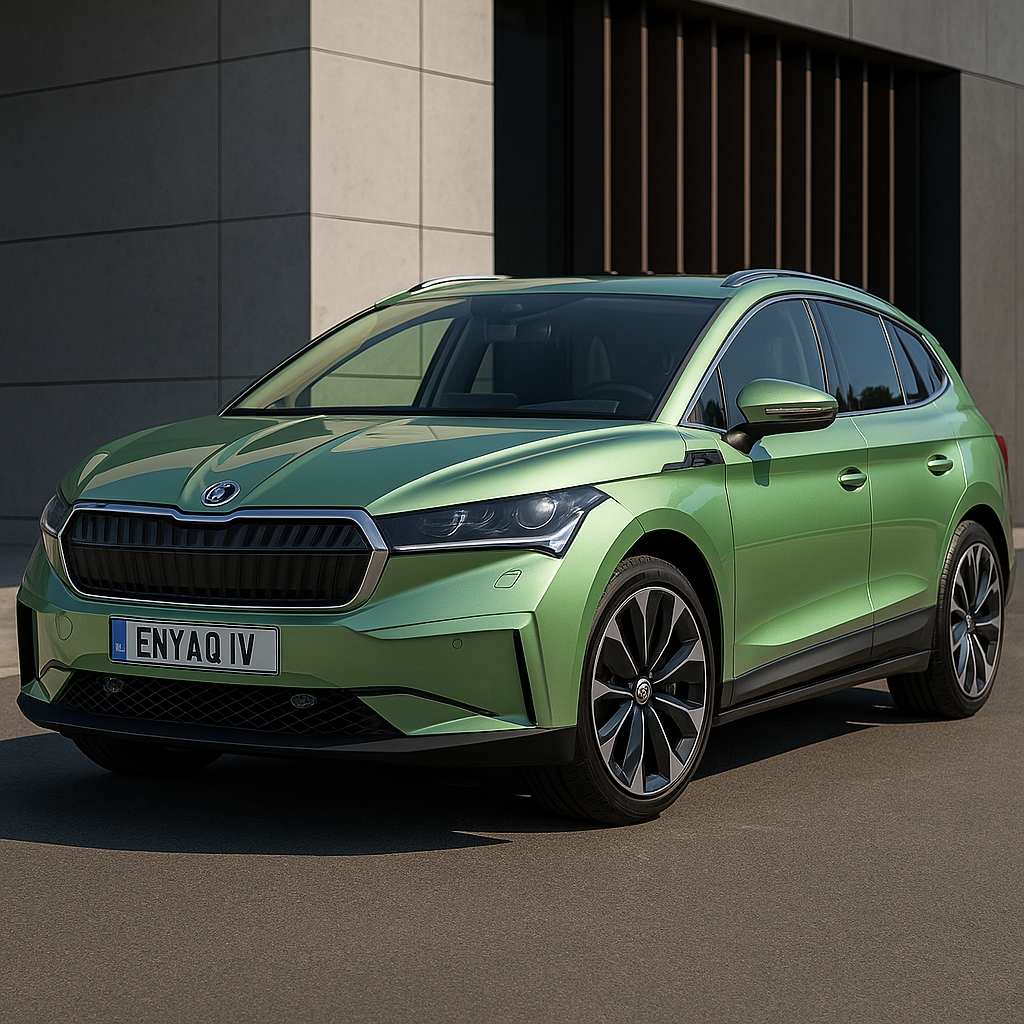
    The global shift towards electric vehicles (EVs) is growing stronger each year, and Skoda has positioned itself firmly in the EV revolution with the Skoda Enyaq. As the first all-electric SUV from the Czech carmaker, the Enyaq combines stylish European design, practical interior space, and the latest electric vehicle technology. Whether you’re a green mobility enthusiast or someone looking for a future-proof family SUV, the Enyaq deserves your attention.

    Sleek and Modern Design

    Skoda has always been known for its understated yet refined styling, and the Enyaq is no exception. Built on Volkswagen Group’s modular MEB platform, it shares its underpinnings with the VW ID.4 but stands out with its distinctive design.

    The front grille, though mostly closed off (thanks to the EV’s lower cooling needs), maintains the brand’s signature look. Optional LED Matrix headlamps and illuminated Crystal Face grille add a touch of luxury. The dynamic lines, bold stance, and aerodynamic silhouette give the Enyaq a commanding road presence.

    Available in a variety of paint options, alloy wheels up to 21 inches, and several customization packages, the Enyaq can be styled to suit both conservative and sporty tastes.

    Interior: Spacious, Smart, and Sustainable

    Step inside the Enyaq, and you’re greeted with a spacious, high-tech cabin that feels premium and practical. Skoda has embraced sustainable materials in the upholstery, and the minimalist layout is both modern and functional.

    The 13-inch infotainment touchscreen dominates the dashboard, supported by a smaller digital cockpit and optional head-up display with augmented reality. The ‘Simply Clever’ features—like umbrellas in the doors and a cable cleaner—show Skoda’s commitment to smart everyday usability.

    With 585 liters of boot space (expandable to over 1,700 liters), the Enyaq comfortably meets the needs of families and adventure seekers alike.

    Battery Options and Range

    The Enyaq offers multiple battery and motor configurations to suit various user needs:

    • Enyaq 60: 58 kWh battery, rear-wheel drive, up to 400 km range (WLTP)
    • Enyaq 85: 77 kWh battery, rear-wheel drive, up to 545 km range
    • Enyaq 85x & RS: 77 kWh battery, dual-motor AWD, up to 510 km range

    Whether your priority is city commuting or long-distance travel, there’s a variant to match. The top-end Enyaq RS is not only the most powerful, with 299 hp, but also the sportiest, offering 0–100 km/h acceleration in under 6.5 seconds.

    Charging and Efficiency

    Charging the Enyaq is hassle-free thanks to support for AC and DC fast charging. With DC fast charging (up to 135 kW), you can recharge from 10% to 80% in about 30 minutes. At home, a standard 11 kW wall box can fully charge the car overnight.

    Energy efficiency is another strong suit, with regenerative braking and thermal management systems that help conserve range, especially in colder climates.

    Safety and Driver Assistance

    The Enyaq is equipped with a full suite of ADAS (Advanced Driver Assistance Systems). Key features include:

    • Adaptive Cruise Control
    • Lane Assist
    • Blind Spot Detection
    • Traffic Sign Recognition
    • Emergency Assist

    The 2025 Enyaq also includes Skoda Connect, offering remote access to vehicle data, navigation, and software updates via your smartphone.

    Tech Features and Connectivity

    In addition to the large touchscreen and digital instruments, the Enyaq supports Apple CarPlay, Android Auto, wireless charging, and a premium Canton sound system. Over-the-air (OTA) software updates ensure your vehicle is always up to date.

    Multiple user profiles, mood lighting, and ambient features make every ride customizable and enjoyable.

    Price and Availability

    The Skoda Enyaq is competitively priced in the European and select Asian markets. While pricing may vary by country, it offers excellent value compared to rivals like the VW ID.4, Hyundai Ioniq 5, and Kia EV6.

    Expected pricing:

    • Base Model: Starting around ₹38-42 lakh (approx. converted)
    • Enyaq RS: ₹50-55 lakh (depending on local taxes/imports)

    Skoda is expected to launch or expand availability in more markets, including India and Nepal, in the near future, as infrastructure and demand for EVs grow.

    Final Verdict

    The Skoda Enyaq is a game-changer for electric SUVs, blending performance, design, practicality, and value. It’s perfect for eco-conscious drivers who don’t want to compromise on style, comfort, or space. Whether you’re upgrading your family car or entering the EV world for the first time, the Enyaq delivers a futuristic driving experience backed by Skoda’s solid reputation.

    NOTE: PLEASE LIKE ,SHARE AND COMMENT IF YOU REALLY LIKE THE ABOVE CONTENT

    FAQs About Skoda Enyaq

    1. What is the driving range of the Skoda Enyaq?
    The Skoda Enyaq offers multiple battery options with ranges between 400 km to 545 km on a full charge, depending on the variant and driving conditions (WLTP standard).

    2. How long does it take to charge the Skoda Enyaq?
    With DC fast charging at up to 135 kW, the Enyaq can charge from 10% to 80% in about 30 minutes. Standard home charging using an 11 kW wall box typically takes several hours for a full charge.

    3. Does the Skoda Enyaq have all-wheel drive (AWD)?
    Yes, higher-end variants like the Enyaq 85x and RS come with dual-motor all-wheel drive for improved traction and performance.

    4. What safety features come with the Skoda Enyaq?
    The Enyaq includes advanced safety features such as adaptive cruise control, lane assist, blind spot monitoring, emergency assist, and traffic sign recognition.

    5. When will the Skoda Enyaq be available in India?
    Skoda plans to introduce the Enyaq in India within the next couple of years, depending on EV infrastructure development and market demand.

  • 🚨 Why Does the Gas Pump Keep Charging After You Finish Fueling? | जानिए पेट्रोल पंप पर ज़्यादा चार्ज क्यों हो सकता है

    y does the gas keep charging after you finish fueling

    Have you ever filled your car with fuel, replaced the nozzle, and noticed the gas pump still charging your card or increasing the meter reading? If yes, you’re not alone. This confusing and frustrating experience has happened to many people—and while it might feel like a scam, there are some legitimate (and illegitimate) reasons this can occur.

    Let’s understand why a gas pump might continue charging after you’ve stopped fueling and what you can do about it.


    ⛽ 1. Technical Glitch or Pump Lag

    The most common reason for a gas pump charging extra is a technical delay in the pump meter. Modern fuel dispensers use sensors to detect flow and calculate the amount of fuel delivered. However, if the sensor is dirty, damaged, or slow, it might take a few seconds to stop registering the fuel flow—even though you’ve already returned the nozzle.

    🚗 Result: The pump may show an extra 20–30 cents or more depending on the flow rate.

    Tip: Keep an eye on the screen and note the total amount when you stop fueling. Inform the attendant if the amount increases afterward.


    💳 2. Credit Card Authorization Confusion

    In most stations, when you use a credit or debit card, a pre-authorization hold (usually $75–$100) is placed on your account. This is to ensure you have enough balance before fueling.

    After fueling:

    • The final amount is adjusted automatically.
    • However, if you check your bank app instantly, it might still show the higher amount or “pending” status.

    📱 This is not an actual overcharge, but temporary.

    Tip: Wait a few hours or check the next day. If it still shows an incorrect amount, contact your bank.


    ⚠️ 3. Faulty Auto-Stop Nozzle

    Fuel nozzles are designed with an auto-stop mechanism that clicks when your tank is full. But sometimes, especially with older nozzles, this feature fails to work properly. As a result:

    • A small amount of fuel might continue to dribble out.
    • The pump keeps recording this as a part of your fill-up.

    ⛽ This usually adds only a few extra cents, but in high-flow systems, it can be more.

    Tip: Always listen for the “click” of the nozzle. Once it clicks, don’t try to top it off further.


    🧾 4. Pump Was Not Reset from the Previous Customer

    In rare cases, the station staff may forget to reset the meter, and your transaction might continue from the previous person’s balance.

    This means:

    • You could be paying for someone else’s fuel unknowingly.
    • You’ll see the meter already running when you begin fueling.

    Tip: Always make sure the pump reads ₹0.00 before you insert the nozzle or card.


    🛑 5. Potential Tampering or Fraud

    In some unfortunate instances, a gas pump may be tampered with—either through software hacks, card skimmers, or remote manipulation of meters.

    While this is rare and illegal, it does happen—especially at unattended or outdated fuel stations.

    🚨 Signs of tampering:

    • Loose card readers
    • Unusual noises
    • Meter keeps increasing despite fuel stopped

    Tip: If anything feels off, don’t fuel. Report it and use a different station.


    📝 What To Do If You’re Overcharged

    If you feel you’ve been wrongly charged at a gas station, here’s what you should do:

    1. Take a photo of the pump screen showing the final amount.
    2. Request a printed receipt and speak to the station manager.
    3. Note the date, time, and pump number.
    4. Contact your bank to dispute the charge if the station refuses to cooperate.

    🔐 Final Thoughts

    Gas stations are built for convenience, but small errors—whether technical or human—can result in unfair charges. As a customer, being vigilant, informed, and proactive can help protect your money and time. If the pump keeps charging after you stop fueling, don’t ignore it. Act immediately, report it, and make sure you’re only paying for what you get.

    ❓ Frequently Asked Questions (FAQs)

    1. Why does the gas pump continue charging even after I stop fueling?
    This could be due to a delay in the meter sensor, a faulty nozzle, or a technical glitch in the pump system. It’s always wise to watch the screen and report any irregularities immediately.

    2. Is the extra charge on my card after fueling a scam?
    Not necessarily. Most gas stations apply a pre-authorization hold, which temporarily blocks a higher amount. The actual charge is adjusted within a few hours or days.

    3. How can I avoid being overcharged at the gas station?
    Always check that the meter reads ₹0.00 before you begin, listen for the auto-stop click, and monitor the total while fueling. Request a receipt after the transaction.

    4. Can a faulty fuel nozzle cause overcharging?
    Yes. If the auto-stop function fails, fuel may keep flowing briefly, adding to the total. This could result in minor overcharging if unnoticed.

    5. What should I do if I think I was overcharged at the pump?
    Take a photo of the pump, save your receipt, speak to the station manager, and if unresolved, dispute the transaction with your bank or card provider.

  • Why Are Gas Prices Rising in 2025—and Will They Go Higher?

    If you’ve recently filled up your gas tank and noticed a sharp uptick in prices, you’re not imagining things. Gas prices are rising again, and there are several factors at play. From geopolitical conflicts to seasonal market shifts, a variety of forces are combining to drive fuel costs higher. Let’s explore what’s causing the increase—and whether we should expect prices to keep climbing.


    1. Middle East Tensions Spark Market Fears

    One of the biggest reasons gas prices have spiked recently is the rising tension between Israel and Iran. After Israel launched strikes on Iranian military and nuclear facilities, Iran responded with missile threats, sending shockwaves through global oil markets. Oil traders worry that continued conflict could disrupt oil shipments through the Strait of Hormuz—a key route that moves nearly 20% of the world’s oil supply.

    This uncertainty caused Brent crude oil prices to jump by $10 per barrel, pushing up gas prices globally. In the U.S., even a $10 jump in oil often results in a 20–30 cent increase per gallon at the pump.


    2. Seasonal Shift to Summer Fuel Formulas

    Another factor driving prices up is the annual switch from winter-blend gasoline to summer-blend fuel. Summer fuel is designed to reduce smog and evaporative emissions in hotter weather, but it’s more expensive to refine. This seasonal change typically increases prices by 5–10 cents per gallon each year, even if oil prices stay the same.


    3. Travel Demand and Market Recovery

    As summer kicks off, more Americans hit the road for vacations, family visits, and weekend getaways. This seasonal demand for fuel naturally pushes prices higher. While earlier in the year fuel demand was relatively low, recent travel activity has picked up—contributing to a sudden surge in gasoline prices across the U.S.


    4. Inflation and Supply Chain Costs

    Don’t forget that inflation is still making everything more expensive—including gas. Oil makes up the bulk of what you pay at the pump, but costs like refining, transportation, and retail markup also rise when inflation is high. Even as inflation cools in some sectors, fuel costs remain sticky due to global uncertainty and increased demand.


    What to Expect in the Coming Weeks and Months

    🔍 Short-Term Forecast

    In the short term, gas prices will likely stay high—or even go higher. As long as the Israel-Iran conflict simmers and oil traders remain nervous, we can expect crude prices to stay elevated. If there’s any serious disruption in oil shipping routes, prices could spike even more.

    🔮 Medium-Term Outlook

    Here’s what could influence gas prices over the next few months:

    Key FactorCould Increase PricesCould Lower Prices
    Middle East ConflictWar spreads or affects oil routesDe-escalation, peace talks
    OPEC+ PoliciesCut productionIncrease output
    Seasonal TravelPeak summer drivingFall travel slowdown
    InflationHigher production costsFed rate cuts, cooling inflation

    If tensions in the Middle East worsen, gas prices could go well beyond $4 per gallon. But if the situation stabilizes and oil production ramps up, we might see relief by late summer or early fall.


    🛣️ Long-Term Perspective

    Looking ahead, gas prices are expected to remain volatile. Even though electric vehicles and renewable energy are growing, the world still relies heavily on oil. As long as that’s true, global events and supply chain issues will continue to influence what we pay at the pump.


    How Drivers Can Cope

    1. Track Prices: Use gas apps like GasBuddy to find the lowest prices near you.
    2. Drive Smarter: Combine errands, avoid idling, and keep your tires properly inflated.
    3. Consider Carpooling or Public Transit: Share the cost or skip the drive.
    4. Stay Informed: Keep an eye on global events and market trends—they impact local prices more than most realize.

    Final Thoughts

    Gas prices are climbing due to a mix of global conflict, summer travel demand, and inflationary pressures. While it’s tough to predict exactly how high they’ll go, many experts warn that prices could continue to rise in the short term—especially if tensions in the Middle East continue to escalate.

    The best thing drivers can do is stay informed, plan ahead, and take steps to use fuel efficiently. Whether prices fall or keep climbing, being proactive can help you save money and stay ahead of the curve.

    Frequently Asked Questions About Rising Gas Prices in 2025

    Background Information:
    In 2025, gas prices are experiencing notable increases due to a combination of factors, including global supply chain disruptions, geopolitical tensions, production decisions by OPEC, and shifts in consumer demand. Understanding the reasons behind these fluctuations can help consumers anticipate future trends and make informed decisions regarding their fuel usage and budget.


    1. Why are gas prices rising in 2025?
    Gas prices are rising in 2025 primarily due to increased global demand post-pandemic, combined with supply chain disruptions and geopolitical tensions in oil-producing regions. Additionally, production cuts by OPEC and other oil-producing countries have limited the supply of crude oil, driving prices higher at the pump.


    2. Are there any specific events contributing to the rise in gas prices?
    Yes, several specific events are contributing to rising gas prices in 2025. These include ongoing conflicts in key oil-producing regions, economic sanctions affecting oil exports, and unexpected natural disasters impacting refining capacity. Furthermore, the transition to renewable energy sources has also created uncertainties in the fossil fuel market, affecting supply.


    3. Will gas prices go higher in 2025?
    While it’s difficult to predict with certainty, many analysts suggest that gas prices may continue to rise in 2025 due to ongoing geopolitical tensions, potential supply chain issues, and seasonal demand increases. However, market factors such as increased investments in renewable energy, advancements in extraction technology, and changes in consumer behavior could also stabilize or lower prices in the long term.


    4. How can consumers cope with rising gas prices?
    Consumers can cope with rising gas prices by adopting fuel-efficient driving habits, using public transportation, carpooling, or considering electric or hybrid vehicles. Additionally, shopping for the best gas prices through apps or websites that track fuel costs can help mitigate the impact of rising prices on individual budgets.


    5. What impact will rising gas prices have on the economy in 2025?
    Rising gas prices can have a significant impact on the economy by increasing transportation costs, which may lead to higher prices for goods and services. This can subsequently affect consumer spending, as families may have to allocate more of their budget to fuel expenses. Additionally, businesses that rely heavily on transportation may face reduced profit margins, potentially leading to job cuts or price increases.


    By understanding these frequently asked questions and their answers, consumers can better navigate the complexities of the fuel market in 2025 and anticipate changes that may affect their financial decisions related to fuel consumption.

  • नेपाल ऑयल निगम ने पेट्रोल और डीजल के मूल्य 1 असार से संशोधित किए

    oil price

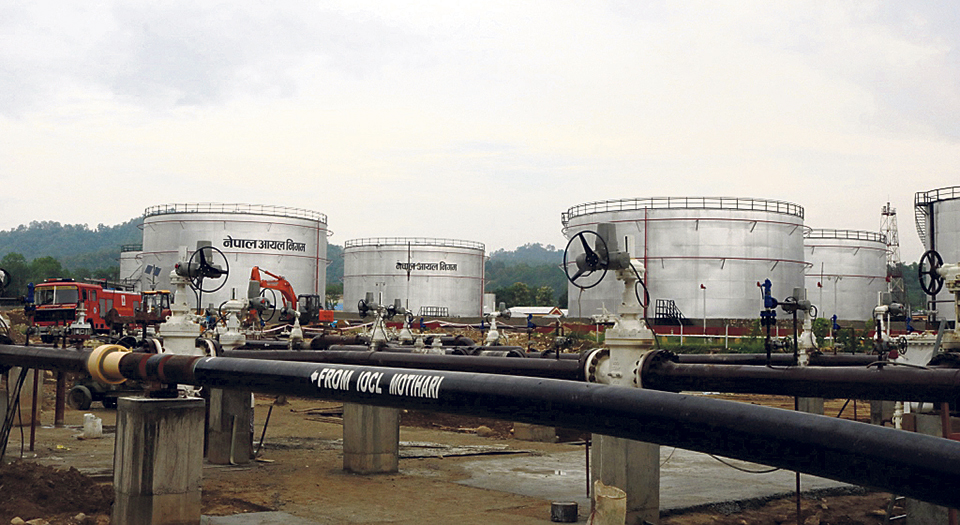
    नेपाल ऑयल निगम (एनओसी) ने एक आधिकारिक प्रेस विज्ञप्ति जारी करते हुए 2082 साल के असार 1 (15 जून, 2025) से लागू होने वाले पेट्रोलियम पदार्थों के मूल्य में वृद्धि की घोषणा की है। यह निर्णय भारतीय इंडियन ऑयल कॉर्पोरेशन (IOC) से आयात होने वाली नई मूल्य संरचना के आधार पर लिया गया है। मूल्य वृद्धि पेट्रोल और डीजल/मिट्टी तेल दोनों पर लागू होगी, जिससे देशभर के वितरण केंद्र प्रभावित होंगे।


    इंडियन ऑयल कॉर्पोरेशन से आयात की गई नई मूल्य दरें

    नवीनतम जानकारी के अनुसार, अब नेपाल इंडियन ऑयल कॉर्पोरेशन से पेट्रोल ₹117.12 प्रति लीटर की दर से खरीदेगा, जबकि पहले यह ₹116.10 थी। इसी तरह, डीजल का मूल्य ₹100 से बढ़कर ₹100.70 प्रति लीटर हो गया है। इस आधार मूल्य में बदलाव के साथ एनओसी ने खुदरा मूल्य में भी समायोजन किया है।


    मूल्य परिवर्तन का कार्यान्वयन

    एनओसी ने असार 1, 2082 (15 जून, 2025) की मध्यरात्रि से नए मूल्य लागू किए हैं। इसके तहत उपभोक्ताओं को अब पेट्रोलियम उत्पादों के लिए थोड़ी अधिक कीमत चुकानी होगी। यह निर्णय अंतरराष्ट्रीय बाजार में तेल की कीमतों में उतार-चढ़ाव और आयात लागत के आधार पर सरकार की नीति के तहत लिया गया है।


    नए खुदरा मूल्य (लागू तिथि: असार 1, 2082 – रात 12:00 बजे से)

    स्थानपेट्रोल (रु./ली.)डीजल/मिट्टी तेल (रु./ली.)
    काठमांडू, पोखरा, दिपायल, धनगढी, अमलेखगंज, नेपालगंज174.50152.50
    दांग, सुर्खेत, चराजली, जनकपुर175.50153.50
    विराटनगर, बीरगंज176.00154.00
    भद्रपुर176.50154.50

    एनओसी ने बताया कि यह संशोधन उसकी “स्वचालित मूल्य समायोजन प्रणाली” के तहत किया गया है, जो अंतरराष्ट्रीय बाजार की कीमतों और परिवहन लागत को ध्यान में रखती है।


    क्षेत्रीय प्रभाव

    • काठमांडू उपत्यका: पेट्रोल ₹174.50, डीजल ₹152.50 प्रति लीटर
    • पोखरा, दिपायल, नेपालगंज: मूल्य काठमांडू के बराबर
    • जनकपुर, दांग, सुर्खेत: प्रति लीटर ₹1 अधिक
    • विराटनगर, बीरगंज: ₹1.50 अधिक
    • भद्रपुर: सबसे महंगा क्षेत्र – पेट्रोल ₹176.50 और डीजल ₹154.50 प्रति लीटर

    एनओसी का बयान और सार्वजनिक सूचना

    एनओसी ने देश में पेट्रोलियम उत्पादों की आपूर्ति सुनिश्चित करने की प्रतिबद्धता जताई है। उसने स्पष्ट किया है कि यह मूल्यवृद्धि अंतरराष्ट्रीय मूल्य, आयात लागत, संचालन खर्च और कर के आधार पर की गई है। उपभोक्ताओं पर न्यूनतम प्रभाव डालने का प्रयास किया गया है।


    सार्वजनिक प्रतिक्रिया और भविष्य की संभावनाएँ

    इस मूल्यवृद्धि पर जनमानस और व्यापारिक क्षेत्रों की प्रतिक्रियाएं मिली-जुली रही हैं। कुछ लोग नेपाल की आयात निर्भरता को समझते हैं, तो कुछ परिवहन और जीवनयापन की लागत में वृद्धि को लेकर चिंतित हैं।

    यदि भविष्य में अंतरराष्ट्रीय बाजार में कच्चे तेल की कीमतें स्थिर या कम होती हैं, तो एनओसी की स्वचालित प्रणाली के तहत खुदरा कीमतों में भी गिरावट की संभावना रहेगी।


    निष्कर्ष

    नेपाल ऑयल निगम का यह निर्णय देश की आर्थिक स्थिरता और ऊर्जा आवश्यकताओं की पूर्ति के दीर्घकालीन रणनीति के अनुरूप है। चूंकि नेपाल पूरी तरह से पेट्रोलियम उत्पादों के लिए भारत पर निर्भर है, इसलिए अंतरराष्ट्रीय बाजार में किसी भी प्रकार की कीमत में बदलाव का सीधा प्रभाव नेपाल पर पड़ता है।

    उपभोक्ताओं को सलाह दी जाती है कि वे मूल्य से संबंधित जानकारी के लिए एनओसी की आधिकारिक वेबसाइट www.noc.org.np या इसके सोशल मीडिया प्लेटफॉर्म्स पर नजर बनाए रखें।


    प्रायः पूछे जाने वाले प्रश्न (FAQ) – हिंदी में

    प्रश्न 1: पेट्रोल और डीजल की कीमत कब से बढ़ाई गई है?
    उत्तर: 2082 असार 1 (15 जून, 2025) की मध्यरात्रि 12:00 बजे से लागू है।

    प्रश्न 2: मूल्यवृद्धि का मुख्य कारण क्या है?
    उत्तर: इंडियन ऑयल कॉर्पोरेशन से आयात मूल्य में वृद्धि और अंतरराष्ट्रीय बाजार में उतार-चढ़ाव।

    प्रश्न 3: कितना मूल्य बढ़ा है?
    उत्तर:

    • पेट्रोल: ₹116.10 से ₹117.12 प्रति लीटर
    • डीजल: ₹100 से ₹100.70 प्रति लीटर

    प्रश्न 4: क्षेत्रीय मूल्य में क्या फर्क है?
    उत्तर:

    • काठमांडू: पेट्रोल ₹174.50, डीजल ₹152.50
    • दांग, जनकपुर: ₹1 ज्यादा
    • विराटनगर, बीरगंज: ₹1.50 ज्यादा
    • भद्रपुर: सबसे महँगा

    प्रश्न 5: मूल्य निर्धारण कैसे होता है?
    उत्तर: एनओसी की स्वचालित मूल्य समायोजन प्रणाली के अनुसार—अंतरराष्ट्रीय मूल्य, आयात, परिवहन, संचालन खर्च और करों के आधार पर।

    प्रश्न 6: क्या भविष्य में कीमतें घट सकती हैं?
    उत्तर: हाँ, अगर कच्चे तेल की अंतरराष्ट्रीय कीमतें घटती हैं।

    प्रश्न 7: उपभोक्ताओं को जानकारी कहाँ से मिलेगी?
    उत्तर: www.noc.org.np और एनओसी के सोशल मीडिया से।

    प्रश्न 8: मूल्यवृद्धि से और किन चीजों पर असर पड़ेगा?
    उत्तर: परिवहन, ढुलाई और आवश्यक वस्तुओं की कीमतें बढ़ सकती हैं।

  • Nepal Oil Corporation Revises Petrol and Diesel Prices from June 15, 2025

    In a new press statement, the Nepal Oil Corporation (NOC) has officially announced an increase in petroleum prices effective from June 15, 2025 (Asar 1, 2082 B.S.). This decision comes in the wake of revised purchase rates of petroleum products imported from Indian Oil Corporation (IOC). The updated prices apply to both petrol and diesel/kerosene, affecting distribution centers across the country.

    New Import Prices from Indian Oil Corporation

    As per the latest update, Nepal is now purchasing petrol at a new rate of Rs. 117.12 per liter from IOC, up from the previous Rs. 116.10 per liter. Similarly, diesel prices have been revised from Rs. 100 to Rs. 100.70 per liter. This adjustment in the base prices prompted NOC to review and update the local selling prices accordingly.

    Implementation of Price Changes

    The price revision has been implemented by NOC from midnight of Asar 1, 2082 (June 15, 2025). Consumers in different regions will now pay slightly increased rates for fuel. The changes are in alignment with the government policy to adjust fuel prices based on international market fluctuations and the pricing structure from the IOC.

    Updated Retail Prices for Fuel (Effective from 12:00 AM, Asar 1, 2082)

    The updated prices of petrol and diesel/kerosene across various NOC depots are as follows:

    Product Kathmandu, Pokhara, Dipayal, Dhangadhi, Amlekhgunj, Nepalgunj Surkhet, Dang, Charali, Janakpur Biratnagar, Birgunj Bhadrapur

    Petrol Rs. 174.50 per liter Rs. 175.50 Rs. 176.00 Rs. 176.50
    Diesel/ Kerosene Rs. 152.50 per liter Rs. 153.50 Rs. 154.00 Rs. 154.50

    The decision aligns with Nepal Oil Corporation’s automatic pricing mechanism, which regularly adjusts prices to reflect fluctuations in international rates and transport margins.

    Regional Impact

    While Kathmandu Valley and surrounding regions will see petrol priced at Rs. 174.50 and diesel at Rs. 152.50 per liter, prices differ slightly in other regions due to transportation costs and depot-specific pricing structures.

    In Pokhara, Dipayal, Dhangadhi, and Amlekhgunj: Fuel rates will remain similar to those in Kathmandu.

    In Janakpur, Dang, and Surkhet: Petrol and diesel are Rs. 1 higher compared to Kathmandu.

    In Biratnagar and Birgunj: Fuel prices are Rs. 1.50 higher than in the capital.

    In Bhadrapur: Petrol is priced at Rs. 176.50 and diesel at Rs. 154.50 per liter—the highest rates among all the listed regions.

    NOC’s Statement and Public Notice

    Nepal Oil Corporation has reiterated its commitment to ensure a smooth supply of petroleum products across the country. It stated that the pricing changes were necessary to balance the rising costs of imports and maintain adequate stock levels.

    The notice also emphasizes that the price hike has been calculated fairly, keeping in mind operational expenses and international price shifts. NOC’s pricing strategy aims to reflect real-time market conditions while minimizing the burden on consumers as much as possible.

    Public Reaction and Outlook

    As with any fuel price change, this announcement has led to mixed responses from the public and business sectors. While some acknowledge the global market dependencies that Nepal faces, others express concern over increased transport costs and the ripple effect on daily commodities.

    In the coming months, Nepal Oil Corporation is expected to continue following the automatic pricing system. If international crude oil prices stabilize or drop, it could result in a future reduction in domestic prices as well.

    Conclusion

    The Nepal Oil Corporation’s decision to revise fuel prices is part of a broader strategy to maintain financial sustainability and meet the demands of a growing population. As Nepal continues to import all its petroleum needs from India, fluctuations in global oil prices will inevitably impact domestic rates.

    For now, consumers are advised to stay updated with NOC’s official channels for any upcoming revisions or changes in fuel supply status.

    Frequently Asked Questions (FAQ)

    Q1: Why did Nepal Oil Corporation increase the fuel prices on June 15, 2025?
    A: The price hike is a result of the revised import cost from Indian Oil Corporation (IOC). Petrol import cost increased to Rs. 117.12 per liter and diesel to Rs. 100.70 per liter. NOC adjusted domestic prices to reflect this change.


    Q2: When did the new prices come into effect?
    A: The new prices were implemented from midnight (12:00 AM) on June 15, 2025 (Asar 1, 2082 B.S.).


    Q3: What are the current prices of petrol and diesel in Kathmandu?
    A: As of June 15, 2025, petrol is priced at Rs. 174.50 per liter, and diesel/kerosene is priced at Rs. 152.50 per liter in Kathmandu.


    Q4: Do fuel prices differ across regions in Nepal?
    A: Yes, fuel prices vary slightly across different depots and regions due to transportation costs. For example, petrol costs Rs. 176.50 in Bhadrapur, while it’s Rs. 174.50 in Kathmandu.


    Q5: How often does NOC revise fuel prices?
    A: Nepal Oil Corporation uses an automatic pricing system, which reviews and adjusts fuel prices regularly based on changes in international market rates and import costs.


    Q6: Who supplies petroleum to Nepal?
    A: Nepal imports its petroleum products from Indian Oil Corporation (IOC) under a government-to-government agreement.


    Q7: Will prices go down if global oil rates drop?
    A: Yes, if global oil prices decline and IOC reduces the supply price, NOC is expected to reduce the domestic fuel prices accordingly through its pricing mechanism.


    Q8: Where can I check the latest fuel prices in Nepal?
    A: You can visit the official website of Nepal Oil Corporation (www.noc.org.np) or follow their verified social media handles for real-time price updates.

  • 🚗 Introducing the Volvo EX90

    ⚡ Volvo EX90 Electric SUV: Where Safety Meets Sophistication

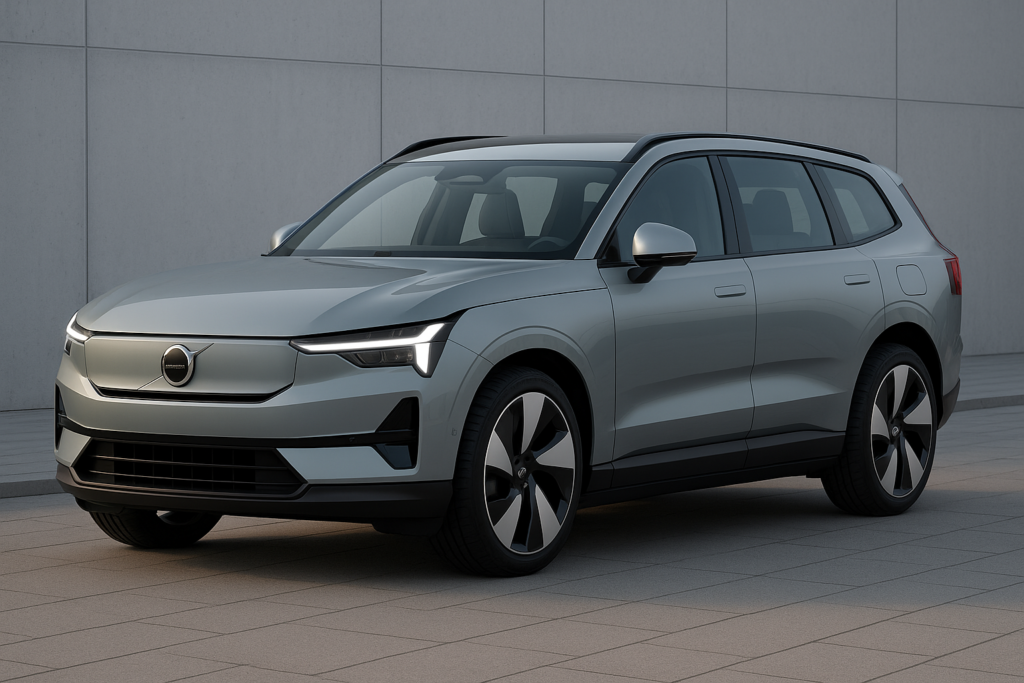
    Volvo is charging into the future with its all-new EX90, a full-sized luxury electric SUV that perfectly blends Scandinavian design, cutting-edge safety tech, and impressive electric performance. As Volvo’s flagship EV, the EX90 isn’t just a car—it’s a powerful statement of where modern mobility is heading.

    🌟 First Look: What’s the EX90 All About?

    The EX90 is Volvo’s first all-electric seven-seater SUV built from the ground up on the brand-new SPA2 platform. From the outside, it looks elegant yet muscular—sleek lines, a bold front, and aerodynamic wheels that reduce drag while turning heads. Inside, it offers premium comfort with high-quality materials and a minimalist design philosophy.

    This isn’t just another EV—it’s Volvo’s most advanced vehicle to date, and here’s why.


    🔋 Power & Performance

    The Volvo EX90 comes in a few exciting variants:

    • Single-Motor RWD: Offers around 279 horsepower and a 101 kWh battery.
    • Twin-Motor AWD: Delivers about 402 hp with a 111 kWh battery.
    • Performance Variant: Packs a punch with 510 hp, going from 0–100 km/h in just 4.9 seconds.

    With a maximum WLTP range of up to 600 km (approx. 374 miles), real-world figures settle around 515 km, depending on weather and terrain. Thanks to its fast-charging capability, you can go from 10% to 80% in just 30 minutes using a 250 kW charger. That’s perfect for long road trips or daily commutes alike.


    🛡 Volvo’s Safest SUV Yet

    Safety has always been Volvo’s DNA, and the EX90 takes that reputation to a whole new level. It features:

    • Built-in Lidar system by Luminar (can detect objects 250m ahead)
    • 8 cameras, 5 radars, and 16 ultrasonic sensors
    • Interior radar to detect children or pets accidentally left inside
    • Future-ready with autonomous driving hardware (software update coming soon)

    Volvo says this is the safest vehicle it has ever produced—and with all that tech, it’s easy to believe.


    💻 Inside the Cabin

    The EX90’s interior is clean, functional, and future-forward. A massive 14.5-inch touchscreen runs on Google’s Android Automotive OS and is powered by Unreal Engine for stunning visuals. You’ll find built-in Google Maps, Assistant, and the Play Store for apps and entertainment.

    The sound system? You can opt for a Bowers & Wilkins setup with 25 speakers and Dolby Atmos for a true in-car cinema feel.

    Comfort is prioritized with massaging seats, ample space for seven adults, and top-tier air suspension that glides over potholes and rough roads.


    💸 On-Road Price Estimate (Nepal)

    The EX90 isn’t cheap, but its premium features justify the investment. Here’s what you can expect:

    • Single-Motor RWD: NPR 12M – NPR 12.5M
    • Twin-Motor AWD: NPR 15M – NPR 15.8M
    • Performance Variant: Could exceed NPR 16M – NPR 17M

    After taxes, import duties, and registration in Nepal, the on-road price could range from NPR 19M to 28M, depending on the variant and added features.


    📝 Real-World Feedback: The Good and the Not-So-Good

    What owners and experts love:

    • Whisper-quiet ride and comfort
    • Massive range with fast charging
    • Lidar and safety tech is class-leading
    • Luxurious and well-insulated interior
    • Great third-row seating space

    Areas that need polish:

    • High price tag, especially with delayed software features
    • Over-reliance on touchscreen controls (no physical climate knobs)
    • Lidar hump on the roof may be polarizing in looks
    • Some features (like bidirectional charging and full autonomous mode) are yet to be activated via software updates

    ✔️ Quick Pros & Cons

    ProsCons
    Unmatched safety featuresExpensive, especially in developing markets
    Comfortable ride with air suspensionTech features still rolling out
    Real-world usable rangeNo physical controls (touchscreen only)
    Premium sound system availableLidar bump may not appeal to all

    🌟 Final Verdict: 4.3 out of 5

    Volvo EX90 is a fantastic choice for families and luxury SUV lovers who want the latest tech, serious safety, and electric performance in a beautiful package. If you’re looking for a future-proof SUV that ticks nearly every box—comfort, range, looks, and innovation—the EX90 is a strong contender.

    Just be prepared to pay a premium and wait a little for some features to go live via OTA updates.