Tag: #petrolpump

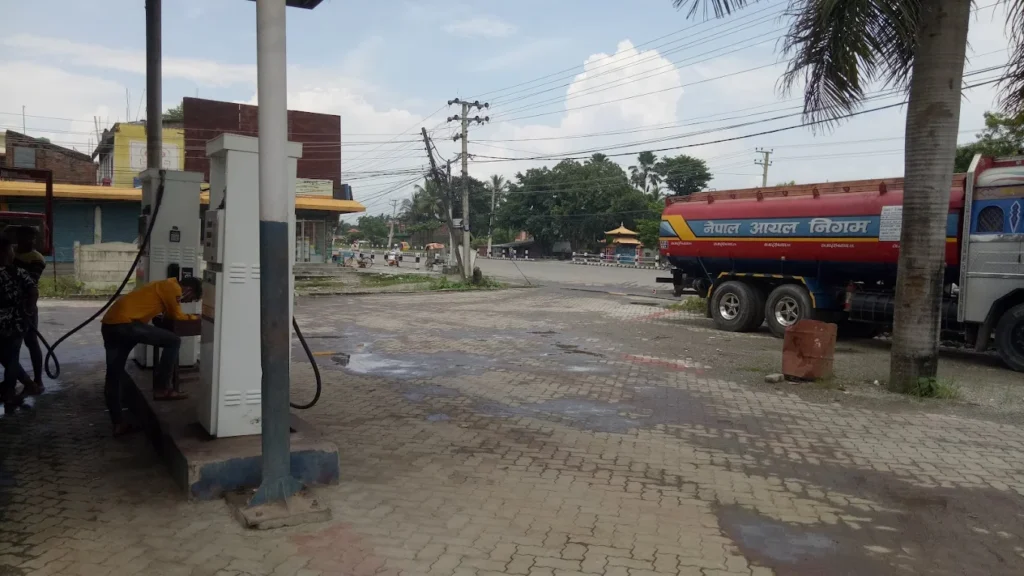
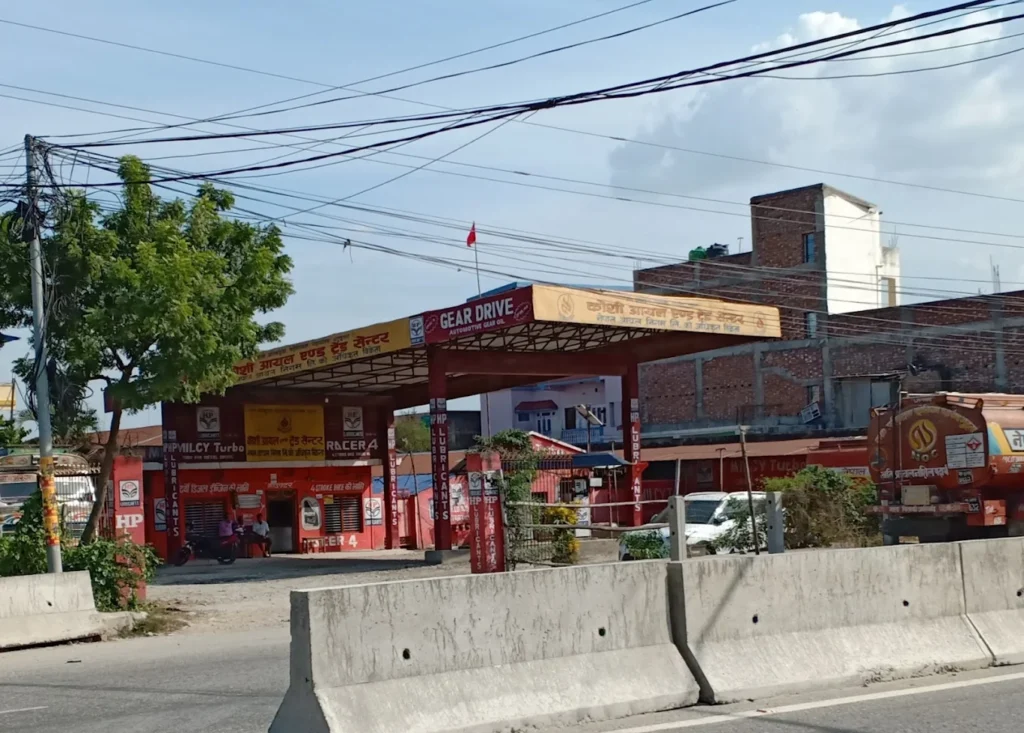
  • Kosi Petrol Pump: Reliable Fuel Station in Biratnagar for Quality Service

    For residents and travelers in Biratnagar, finding a trustworthy and convenient fuel station is essential. Kosi Petrol Pump, located on Dharan Road, is a top choice for many drivers due to its excellent service, prime location, and commitment to quality fuel.

    Prime Location on Dharan Road, Biratnagar

    Kosi Petrol Pump is situated at F7RH+VFW, Dharan Rd, Biratnagar 56613, making it easily accessible for both local commuters and long-distance travelers. Dharan Road is a key route in Biratnagar, and having a dependable petrol station here is crucial for smooth journeys.

    Whether you drive a car, motorcycle, or commercial vehicle, Kosi Petrol Pump’s convenient location means you can quickly stop for fuel without detours or delays.

    Convenient Operating Hours Every Day

    Understanding the needs of customers, Kosi Petrol Pump operates from 7 AM to 8 PM every day, including weekends. These extended hours ensure that whether you start your day early or return late, fuel is always available.

    Consistent daily hours make it easy to plan your visits without worrying about the station being closed. This schedule also caters to busy professionals, truck drivers, and weekend travelers alike.

    Meet the Contact Person: Mr. Lalit Goel

    For any queries or support related to fuel services, you can reach out to the station’s contact person, Mr. Lalit Goel, at 00977 9852026760. Mr. Goel oversees operations and customer service, ensuring a smooth experience for all patrons.

    Having a dedicated contact makes it easier to address questions about fuel types, prices, or additional services, providing customers with peace of mind and personalized assistance.

    Premium Quality Fuel for Optimal Vehicle Performance

    At Kosi Petrol Pump, fuel quality is a top priority. The station offers petrol and diesel that meet rigorous standards to help your vehicle perform efficiently and reliably.

    Using high-quality fuel from Kosi Petrol Pump can improve engine longevity, enhance mileage, and reduce the risk of breakdowns caused by substandard fuel. This makes it an excellent choice for anyone who values their vehicle’s health and performance.

    Additional Services to Support Your Vehicle

    Beyond fueling, Kosi Petrol Pump provides helpful services aimed at supporting vehicle maintenance and customer convenience, such as:

    • Basic vehicle inspections and oil top-ups
    • Friendly and knowledgeable staff assistance
    • Clean, safe, and well-maintained premises

    These extra services make Kosi Petrol Pump more than just a refueling spot—it’s a place where drivers receive care and attention for their vehicles.

    Why Choose Kosi Petrol Pump?

    Several factors contribute to the popularity of Kosi Petrol Pump among Biratnagar residents:

    • Daily availability from 7 AM to 8 PM, catering to a wide range of schedules
    • Strategic location on a busy city road, ensuring easy access
    • Consistently high-quality fuel products
    • Customer-focused service led by Mr. Lalit Goel
    • Clean and secure environment for customers

    These qualities combine to create a fuel station that customers trust and rely on.

    Trusted by the Biratnagar Community

    Kosi Petrol Pump has earned a strong reputation in Biratnagar, thanks to its reliability and excellent customer service. Many customers choose this station repeatedly, appreciating the convenience and quality offered every time.

    The station’s commitment to safety and customer satisfaction reflects its role as a valuable part of the local community’s daily life.

    Conclusion: Your Go-To Fuel Station in Biratnagar

    When you need quality fuel and dependable service in Biratnagar, Kosi Petrol Pump on Dharan Road is the ideal choice. With convenient hours, a prime location, and a dedicated team, it provides everything motorists need to keep their vehicles running smoothly.

    For questions or assistance, contact Mr. Lalit Goel at 00977 9852026760. Experience fuel service you can trust, right here in Biratnagar.

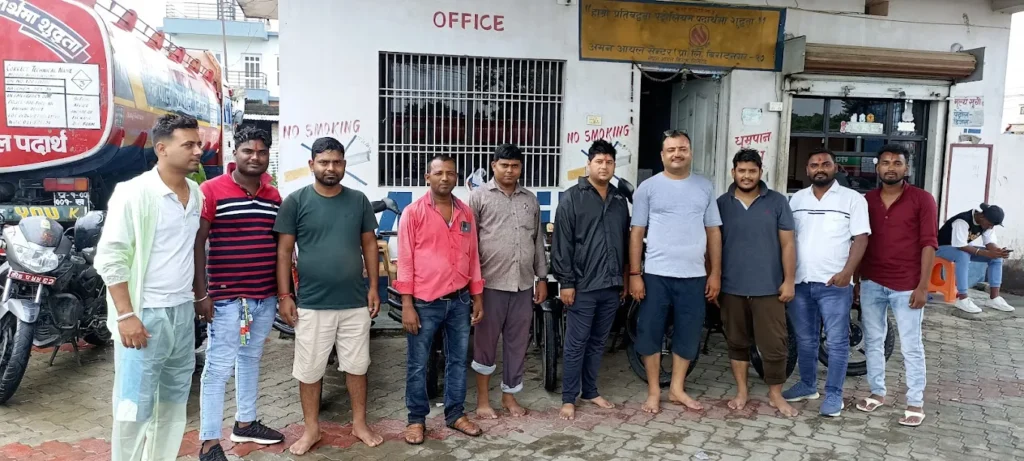
  • Aman Oil Centre – Trusted Petrol Pump Opposite Sastham College, Biratnagar

    If you’re looking for a reliable petrol pump in Biratnagar, Nepal, Aman Oil Centre is the name to trust. Conveniently located opposite Sastham College on Ashram Marg, this well-managed fuel station is known for its high-quality fuel, clean premises, and cooperative staff. Whether you’re a daily commuter, student, or traveler, Aman Oil Centre ensures a smooth and efficient refueling experience every time.

    📍 Prime Location in Biratnagar

    Aman Oil Centre’s strategic position on Ashram Marg, Biratnagar 56613, makes it one of the most accessible fuel stations in the area. Being located right across from Sastham College, it serves students, local residents, and commercial vehicles with ease. The petrol pump is a go-to stop for anyone driving through Biratnagar, especially those who value time, quality, and good service.

    👨‍💼 Ownership and Management

    This trusted gas station operates under a strong partnership between:

    • Lalit Kumar Goel
    • Rajkumar Sharma
    • Mukesh Sharma
    • Amit Kumar Sharma
    • Sumit Kumar Sharma

    Their collective vision focuses on providing top-notch service while maintaining fuel quality and customer trust.

    The day-to-day operations are managed by Mr. Pradeep Kumar, an experienced and approachable manager who ensures smooth functioning and customer satisfaction at all levels.

    ✅ Why Choose Aman Oil Centre?

    ✔️ High-Quality Fuel

    Aman Oil Centre provides clean and genuine petrol and diesel, sourced directly from authorized channels under Nepal Oil Corporation. Regular checks and proper calibration guarantee that you get exactly what you pay for—no more, no less.

    ✔️ Polite and Cooperative Staff

    Customers often praise the petrol pump for its well-trained and courteous staff. The team is efficient in handling rush hours while still maintaining a friendly approach. Whether it’s fuel, oil, or air service, the staff ensures quick and respectful assistance.

    ✔️ Clean and Safe Environment

    Safety is a priority here. The station maintains clean surroundings and has proper safety measures in place, including fire extinguishers and emergency protocols. Hygienic practices are strictly followed, ensuring a safe visit for all customers.

    🔧 Additional Services Offered

    In addition to fuel filling, Aman Oil Centre also offers:

    • Free air pressure check
    • Engine oil and lubricant sales
    • Basic vehicle assistance
    • Quick and transparent billing

    These value-added services help make your vehicle’s maintenance easier and more convenient in one place.

    📞 Contact Details

    Need to get in touch with Aman Oil Centre? Feel free to contact the manager directly for any queries related to fuel, services, or location guidance.

    • Name: Pradeep Kumar
    • Phone: +977 9807000752

    Whether you’re looking for information on services or directions, Mr. Pradeep Kumar and his team are always happy to assist.


    ⭐ Customer Reviews and Community Trust

    Aman Oil Centre has built a reputation for honesty, efficiency, and reliability. Many customers return here regularly because they know their vehicles will be treated with care. From students at Sastham College to long-distance truck drivers, everyone appreciates the transparency and commitment offered by the team.


    Final Thoughts

    In a city like Biratnagar where reliable fuel stations are crucial, Aman Oil Centre stands out as a dependable choice. Its central location opposite Sastham College, clean environment, friendly staff, and genuine fuel make it a top pick for locals and travelers alike.

    If you haven’t visited yet, give it a try—and see the difference a professionally run petrol pump can make to your driving experience.

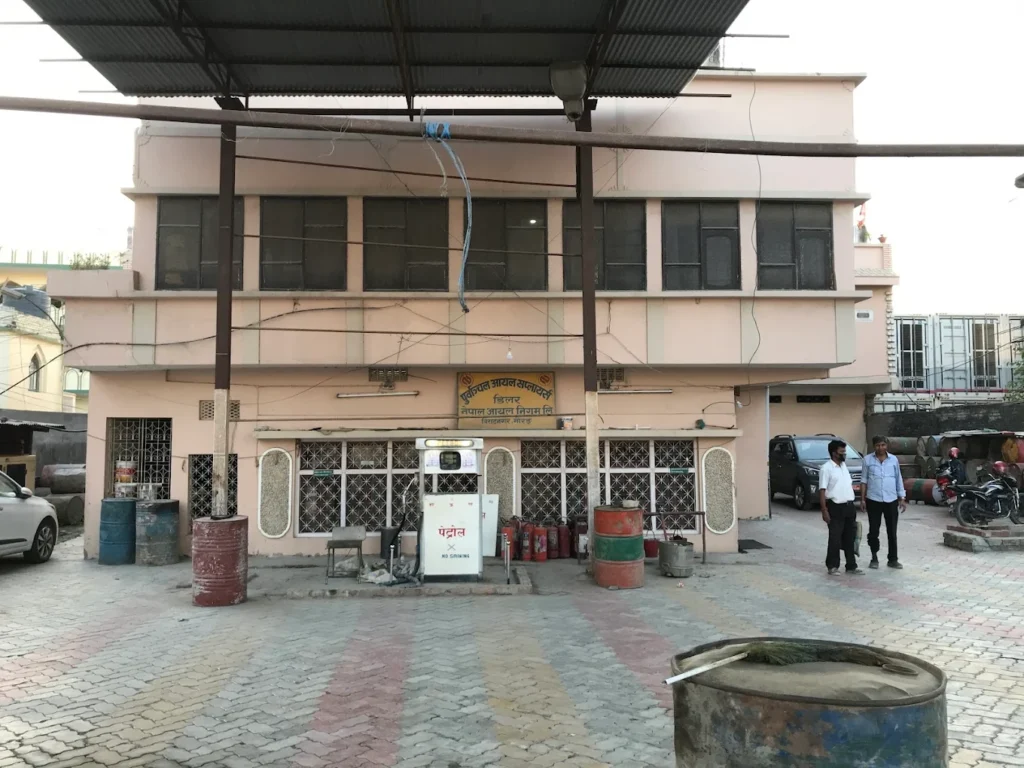
  • Purbanchal Oil Suppliers – Powering Progress in Biratnagar, Nepal

    by purwanchal pump

    When it comes to fueling the engines of growth in Nepal’s eastern region, Purbanchal Oil Suppliers stands tall as a name synonymous with reliability, quality, and trust. Based in the vibrant industrial city of Biratnagar, this company has carved out a strong presence in Nepal’s energy and petroleum supply sector. As the demand for petroleum products continues to rise across the country, businesses like Purbanchal Oil Suppliers play a crucial role in ensuring that fuel is available where and when it’s needed most.

    A Trusted Name in Nepal’s Petroleum Sector

    Located at Biratnagar Road, Biratnagar, Purbanchal Oil Suppliers is more than just a fuel distributor — it is a strategic partner to many industries, transport businesses, and individuals who depend on uninterrupted energy supply. With a contact number +977-523631, the company maintains direct accessibility for its clients, ensuring seamless communication and dependable customer service.

    Serving in the heart of Biratnagar, a city known for its industrial backbone and economic activities, Purbanchal Oil Suppliers has grown steadily over the years. Their deep commitment to service excellence, safety, and ethical business practices has made them a preferred choice for petroleum distribution in the region.

    Why Biratnagar?

    Biratnagar is not just another city — it is one of Nepal’s key economic hubs. Bordering the Indian state of Bihar, it facilitates significant cross-border trade and has a thriving industrial landscape. Being situated in such a strategic location gives Purbanchal Oil Suppliers a geographic advantage when it comes to transportation, logistics, and rapid delivery.

    With efficient road connectivity and proximity to Nepal’s main petroleum depots, Purbanchal Oil Suppliers ensures that fuel reaches customers quickly and efficiently, minimizing downtime for industries and transporters.

    Commitment to Quality and Safety

    In an industry where safety and product quality are of utmost importance, Purbanchal Oil Suppliers never cuts corners. The company follows rigorous safety protocols during the storage and transportation of petroleum products. Moreover, they ensure that the fuel supplied is free from adulteration, thereby protecting vehicle engines and machinery from damage.

    The team at Purbanchal Oil Suppliers regularly undergoes training and adheres to national petroleum safety regulations. Their emphasis on safe delivery and high-quality service has earned them a loyal customer base not only in Biratnagar but across eastern Nepal.

    Customer-Centric Approach

    One of the core reasons behind Purbanchal Oil Suppliers’ sustained success is its customer-first approach. Whether you are a large industrial client or a small transporter, the company treats each customer with the same level of attention and professionalism.

    Quick response times, transparent pricing, and dependable service are part of their everyday operations. The management believes in building long-term relationships based on trust, which is evident in their growing list of repeat clients.

    Supporting Regional Development

    As Nepal aims to expand its energy infrastructure and industrial capacity, companies like Purbanchal Oil Suppliers are key enablers of that vision. By ensuring a consistent supply of petroleum products, they help power the transport sector, support manufacturing, and facilitate agriculture — all vital components of Nepal’s economic growth.

    Furthermore, Purbanchal Oil Suppliers contributes to the local economy by creating jobs and supporting local transport businesses and contractors.

    Looking Toward the Future

    With increasing awareness around sustainable energy and environmental responsibility, Purbanchal Oil Suppliers is also exploring ways to align with Nepal’s green goals. While the company remains focused on traditional petroleum supply for now, it is open to innovation and is monitoring developments in biofuels, clean energy alternatives, and efficient fuel distribution technologies.

    Contact Information

    If you’re in need of a dependable fuel supply partner in Nepal, especially in the eastern region, Purbanchal Oil Suppliers is a name you can count on.

    Company Name: Purbanchal Oil Suppliers
    Address: Biratnagar Road, Biratnagar, Nepal
    Phone: +977-523631
    Area Code: 977
    Area: Biratnagar


    Conclusion

    In a rapidly developing economy like Nepal, energy is the lifeline of progress. And companies like Purbanchal Oil Suppliers ensure that this lifeline keeps flowing smoothly. With a deep-rooted commitment to quality, safety, and customer satisfaction, they are helping to power not just vehicles, but Nepal’s future. Whether you are a business owner, a logistics provider, or an industrial unit, partnering with Purbanchal Oil Suppliers means you are partnering with reliability.

  • “U.S. Crude Oil Production Hits Record High—But Who’s Buying?”

    Record U.S. Oil Production in March 2025—But Demand Is Telling a Different Story

    The U.S. oil industry just hit a new milestone. According to freshly released data from the Energy Information Administration (EIA), U.S. crude oil production reached an all-time high of 13.488 million barrels per day in March 2025. This breaks the previous record set in October 2024 and reflects steady momentum from major oil-producing regions like the Permian Basin and the Gulf Coast.

    But while the supply side is booming, the demand side is showing clear signs of softening—a concerning signal for energy markets heading into the summer.


    Supply Strength: U.S. Production Hits New High

    In just one month, U.S. crude output rose from 13.153 million barrels per day in February to 13.488 million in March—a sign of resilience and efficiency among producers, even as drilling activity slows nationwide. This increase underscores how key players in the Permian and Gulf Coast regions are continuing to pump at near-maximum capacity.


    Demand Weakens: Lowest Petroleum Consumption in a Year

    While supply surges, demand is faltering. Total petroleum products supplied—a broad gauge of domestic oil consumption—fell to 19.95 million barrels per day in March, the lowest level in over a year. That’s down from 20.225 million bpd in February and continues a trend of monthly declines since January.

    This drop in demand is raising red flags, especially for refiners and exporters who typically rely on a seasonal consumption boost during the summer driving season. Rising inventories add another layer of concern, indicating a potential oversupply in the coming months.


    Imports and Drilling Activity Tell a Mixed Story

    Crude oil imports in March totaled 178.4 million barrels, slightly higher than February due to the extra day in the month. However, on a daily average basis, imports were lower. Meanwhile, imports of finished products like gasoline blending components and jet fuel hit 17.8 million barrels, further emphasizing the U.S. reliance on refined fuels even amid record domestic output.

    Drilling activity continues to decline. In May, the U.S. rig count fell for the fifth consecutive week, dropping to just 563 active rigs, the lowest since late 2021. The number of oil-directed rigs fell to 461, with significant reductions in both New Mexico and the Permian. The message from producers is clear: capital discipline and shareholder returns remain top priorities.


    The Big Picture: More Oil, Less Drilling, Weaker Demand

    This current energy landscape presents a striking paradox: The United States is producing more oil than ever while operating fewer rigs and facing softening domestic demand. As we head into the high-demand summer season, the imbalance between strong supply and shrinking consumption could significantly impact pricing, exports, and refinery margins.


    Final Thoughts: A Summer of Uncertainty for Oil Markets

    The U.S. oil industry is entering summer 2025 with record-breaking production but growing uncertainty. If demand doesn’t pick up and inventories continue to build, producers may be forced to rethink their strategies. With global economic signals mixed and domestic consumption faltering, the coming months will test the market’s ability to adapt.

    Stay tuned as we continue to monitor key trends shaping the future of oil production, demand, and energy policy in the U.S.

  • “From Pipelines to People: The Real Impact of NOC’s Price Updates”

    Nepal Oil Corporation’s Price Fluctuations: A Reflection of Public Sentiment

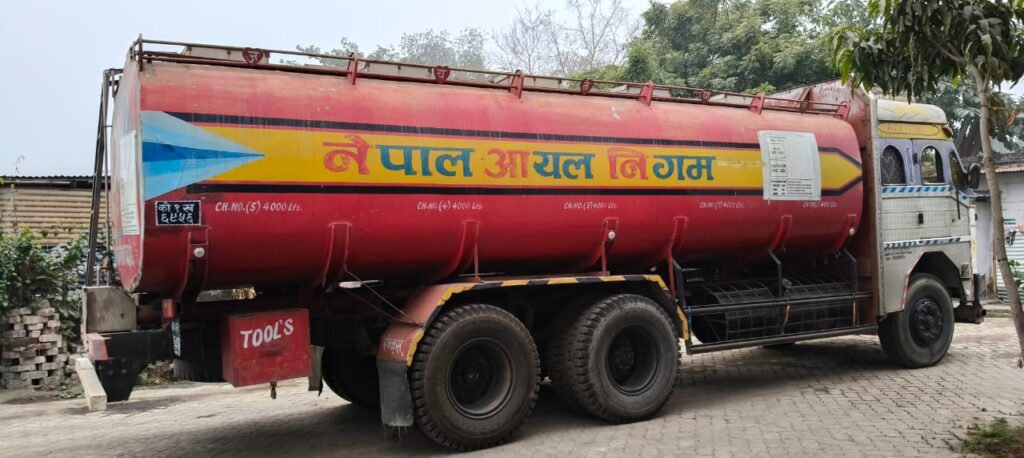
    In the heart of Nepal’s economic landscape, the Nepal Oil Corporation (NOC) stands as a pivotal entity, influencing the daily lives of millions. As the sole importer and distributor of petroleum products in the country, its pricing decisions resonate deeply with the populace, affecting everything from household budgets to transportation costs.

    Recent Price Adjustments: A Year in Review

    Over the past year, NOC has made several adjustments to fuel prices, reflecting changes in international oil markets and the pricing structure of its sole supplier, the Indian Oil Corporation. Notably:

    These fluctuations underscore the volatility of global oil markets and the challenges faced by NOC in maintaining stable pricing.

    The Human Impact: Stories from the Ground

    For many Nepali citizens, these price changes are more than just numbers; they have tangible effects on daily life. A taxi driver in Kathmandu, for instance, expressed concern over the rising operational costs due to fuel price hikes, which directly impact his earnings. Similarly, a homemaker in Pokhara highlighted how increased fuel prices strain her household budget, forcing her to make difficult choices in daily expenditures.

    Infrastructure Developments: A Glimpse of Hope

    Amidst these challenges, there have been positive strides. The Motihari-Amlekhganj pipeline, a 69-kilometer trans-border petroleum pipeline between India and Nepal, has enhanced the efficiency of fuel transportation, reducing dependency on road tankers and ensuring a more stable supply. Kathmandu Post+5Wikipedia+5Wikipedia+5

    Looking Ahead: Striving for Stability

    While NOC continues to navigate the complexities of global oil markets, there is a collective hope among Nepali citizens for more stable and predictable fuel pricing. Transparent communication, infrastructure investments, and strategic planning are essential to mitigate the impact of global price volatility on the local populace.

    In conclusion, the journey of Nepal Oil Corporation reflects the broader economic challenges and aspirations of the nation. As it endeavors to balance market dynamics with public welfare, the stories of everyday Nepalis serve as a poignant reminder of the human side of economic policies.

  • BYD Electric Vehicles: Price Overview in USD and NPR

    Electric vehicles (EVs) are transforming the way we think about mobility, and BYD (Build Your Dreams) is at the forefront of this revolution. As one of the world’s leading EV manufacturers, BYD offers a diverse lineup of electric cars designed for performance, safety, and sustainability. If you’re curious about their popular models, pricing, and what makes them stand out, this guide is for you.


    Who is BYD?

    BYD, founded in 1995 in Shenzhen, China, started as a battery maker and quickly grew into one of the largest electric vehicle manufacturers globally. Known for its advanced battery technology, particularly the innovative Blade Battery, BYD designs and produces everything from compact hatchbacks to luxury SUVs, electric buses, and commercial vehicles.


    BYD’s Popular EV Models & Prices (2025)

    Here’s a look at some of BYD’s top electric vehicles, their approximate price ranges in US dollars (USD) and Nepalese rupees (NPR), along with their key features and specifications.

    1. BYD Atto 3 (Also called Yuan Plus)

    • Price in USD: $16,000 – $20,000
    • Price in NPR: Approximately NPR 2,030,000 – 2,540,000
    • Type: Compact Electric SUV
    • Range: Around 420-480 km (depending on variant)
    • Battery: 60.5 kWh Blade Battery
    • Charging: Fast charging from 30% to 80% in under 30 minutes
    • Features: Rotating touchscreen infotainment, advanced driver-assistance systems (ADAS), spacious cabin

    Pros:

    • Excellent range for its price
    • Modern design with advanced tech
    • Comfortable interior space

    Cons:

    • Limited availability in some markets
    • Rear visibility could be better

    2. BYD Seal

    • Price in USD: $25,000 – $30,000
    • Price in NPR: Approximately NPR 3,175,000 – 3,810,000
    • Type: Electric Sedan
    • Range: Up to 700 km (CLTC cycle)
    • Battery: Blade Battery with advanced thermal management
    • Performance: Up to 530 hp with dual motor AWD variant
    • Features: High-performance, DiSus-C intelligent damping, premium interior

    Pros:

    • Impressive range and acceleration
    • Competitive pricing vs. rivals like Tesla Model 3
    • Premium look and feel

    Cons:

    • May be priced higher after taxes in some regions
    • Availability outside China is still growing

    3. BYD Dolphin

    • Price in USD: $14,000 – $16,000
    • Price in NPR: Approximately NPR 1,780,000 – 2,030,000
    • Type: Compact Electric Hatchback
    • Range: Around 400 km
    • Battery: Blade Battery (smaller pack)
    • Features: Urban-friendly size, bright color options, efficient motor

    Pros:

    • Affordable entry into EV ownership
    • Great for city driving and short trips
    • Stylish and compact design

    Cons:

    • Smaller battery means shorter highway range
    • Limited luxury features

    4. BYD Yangwang U8

    • Price in USD: Around $150,000
    • Price in NPR: Approximately NPR 19,050,000
    • Type: Luxury Off-Road Electric SUV
    • Performance: Quad-motor AWD with advanced torque vectoring
    • Features: Unique off-road capabilities (360-degree tank turns), luxury interiors, advanced electronics

    Pros:

    • Extreme performance and off-road ability
    • High-end luxury and tech
    • Unique design and features

    Cons:

    • Very high price, accessible to only a niche market
    • Limited availability outside China

    Why Choose BYD EVs?

    Advanced Battery Technology

    BYD’s proprietary Blade Battery is a standout feature. It’s a lithium iron phosphate battery designed for safety, durability, and efficiency. The blade design enhances thermal stability, reducing fire risks, and extends battery lifespan — a crucial factor for electric vehicles.

    Vertical Integration

    BYD controls its entire supply chain — from battery manufacturing to motor production and software development. This vertical integration allows better quality control, cost management, and faster innovation compared to competitors relying on external suppliers.

    Sustainability Commitment

    BYD is committed to environmental responsibility, not only by manufacturing EVs but also by promoting renewable energy solutions such as solar power and energy storage systems. Their vehicles contribute significantly to reducing greenhouse gas emissions globally.


    Common Pros & Cons of BYD Electric Vehicles

    Pros:

    • Competitive pricing with good value for money
    • Strong focus on battery safety and longevity
    • Wide model range from budget to luxury EVs
    • Growing international presence
    • Environmentally friendly manufacturing practices

    Cons:

    • Brand recognition outside Asia is still developing
    • Some models have limited availability in Western markets
    • Charging infrastructure varies by region

    Conclusion

    BYD is rapidly establishing itself as a global EV powerhouse by combining innovative technology, attractive pricing, and a strong sustainability ethos. Whether you’re looking for an affordable city car like the Dolphin, a versatile SUV like the Atto 3, or a high-performance sedan like the Seal, BYD offers something for every type of driver.

    For Nepalese buyers, while pricing may be influenced by import duties, BYD’s competitive pricing and expanding international footprint make it an exciting option as the country moves toward greener transportation solutions.

  • Global Petroleum Prices and Their Impact on Nepal’s Economy

    Petroleum products are the lifeblood of the global economy. From transportation to manufacturing, energy generation to agriculture—almost every sector depends heavily on crude oil and its derivatives. The fluctuation in international petroleum product prices doesn’t just affect oil-producing nations—it also has far-reaching consequences for developing countries like Nepal, which rely entirely on imports to meet their energy demands.

    Global Trends in Petroleum Prices

    International crude oil prices are influenced by a variety of factors, including:

    • OPEC+ production decisions
    • Geopolitical tensions (e.g., Russia-Ukraine conflict, Middle East instability)
    • Global economic outlook and demand
    • Natural disasters and pandemics
    • Exchange rate fluctuations

    In 2024 and into 2025, global petroleum prices have remained volatile. Events such as tensions in the Middle East, changing production quotas by OPEC+, and fluctuating demand from major economies like China and the USA continue to impact pricing.

    Why This Matters to Nepal

    Nepal is a landlocked country with no domestic oil production. It imports 100% of its petroleum products, primarily through India, and is heavily dependent on the international price of crude oil. The consequences of rising petroleum prices are particularly serious for Nepal due to:

    1. Inflationary Pressure

    Higher global oil prices lead to increased import costs, which are passed on to consumers. This contributes to a rise in the prices of goods and services, especially transportation, food, and basic commodities, fueling inflation.

    2. Rising Trade Deficit

    Since petroleum imports form a large part of Nepal’s import bill, rising prices increase the country’s trade deficit. This weakens the balance of payments and puts pressure on the foreign exchange reserves.

    3. Increased Transportation Costs

    Nepal’s rugged terrain already makes transportation expensive. With higher fuel prices, logistics and transport costs go up, making everything from vegetables to construction materials more costly.

    4. Impact on Development Projects

    Government infrastructure and development projects often rely on fuel-intensive machinery and transport. An increase in petroleum prices can lead to budget overruns and delays in project implementation.

    5. Energy Security Concerns

    With global prices rising unpredictably, Nepal faces challenges in ensuring a stable and affordable energy supply. It increases the urgency to diversify energy sources and invest more in renewable energy.

    How Can Nepal Mitigate These Effects?

    While Nepal cannot control international petroleum prices, it can take several steps to reduce its vulnerability:

    • Diversify energy sources: Invest in hydropower, solar, and bioenergy to reduce dependency on imported petroleum.
    • Improve public transportation: Better infrastructure and affordable public transport can reduce individual fuel consumption.
    • Promote fuel efficiency: Encourage fuel-efficient vehicles and practices across industries.
    • Strategic petroleum reserves: Maintain buffer stocks to manage short-term price shocks.

    Conclusion

    International petroleum product prices will continue to remain unpredictable due to global dynamics. For a country like Nepal, the impact is profound—affecting everything from inflation and trade balances to daily life. Addressing these challenges requires long-term planning, strategic investment in alternative energy, and regional cooperation.

  • Recent Price Reduction in Petroleum Products in Nepal: A Boost for the Economy and Consumers

    In a significant move that has brought relief to households and businesses alike, the Nepal Oil Corporation (NOC) has announced a notable reduction in the prices of petroleum products across the country. This decision comes amid favorable international oil prices and the government’s commitment to stabilizing the domestic fuel market.

    Let’s delve into the details of this price cut, understand its implications, and explore how it could influence various sectors of Nepal’s economy.


    📉 What’s the Latest Price Reduction in Petroleum Products?

    On May 25, 2025, the NOC officially reduced the prices of key petroleum products, including petrol, diesel, and kerosene. Here’s a breakdown of the new prices:

    ProductOld Price (NPR per liter)New Price (NPR per liter)Reduction (NPR)
    Petrol1751687
    Diesel1631576
    Kerosene1631576

    This price revision follows a positive trend in international crude oil prices, which have seen a downward correction due to improved global supply chains and easing geopolitical tensions.


    🔍 Why Did the Prices Go Down?

    Several key factors contributed to this recent drop in petroleum prices in Nepal:

    1. Decline in Global Crude Oil Prices

    Global crude oil prices have dipped by over 10% in the past two months due to:

    • Increased production from OPEC and non-OPEC countries
    • Stable geopolitical conditions in major oil-producing regions
    • Reduced global demand, particularly from large economies like China

    2. Improved Supply Chain and Logistics

    Post-pandemic recovery has led to better transportation networks and fewer disruptions at seaports. This has made fuel imports more cost-effective for Nepal, especially via Indian Oil Corporation (IOC), which supplies most of Nepal’s petroleum needs.

    3. Policy Decisions by Nepal Oil Corporation

    NOC periodically adjusts fuel prices based on a transparent pricing mechanism. This includes factors like import cost, transportation, taxes, and profit margins. The latest revision reflects the real-time global pricing scenario, aligning domestic prices with international trends.


    👨‍👩‍👧‍👦 Impact on Consumers

    The price reduction is excellent news for consumers, especially as Nepal continues to face inflationary pressures. Here’s how the average Nepali household will benefit:

    🔹 Lower Transportation Costs

    Commuters using personal vehicles or public transportation will experience lower fuel expenses. This indirectly reduces taxi fares and bus tickets in the long run.

    🔹 Decrease in Cost of Goods

    Since diesel is widely used in freight and logistics, a price reduction leads to a decrease in the cost of transporting goods. This helps stabilize or reduce market prices of essential items, groceries, and agricultural products.

    🔹 Relief for Small Businesses

    Small vendors, farmers using diesel pumps, and transport operators are among the biggest beneficiaries. Lower operating costs help them reinvest in their businesses or pass savings to consumers.


    🏭 Impact on Industries and Businesses

    The industrial sector, which heavily relies on petroleum products for machinery, transportation, and backup power, will also gain from the recent price slash.

    ✅ Manufacturing Sector

    Industries using diesel generators or operating heavy machinery will see reduced energy costs, boosting productivity and profitability.

    ✅ Agriculture

    Farmers using kerosene or diesel for irrigation pumps, tractors, and grain processing equipment will benefit from cost savings, especially during peak planting and harvesting seasons.

    ✅ Transportation and Logistics

    Freight companies, courier services, and goods carriers will find this a timely boost as fuel forms a significant portion of their operational expenses.


    💼 Government’s Role and Public Trust

    The Nepalese government and NOC have been under public scrutiny over fuel pricing. This recent decision demonstrates transparency and responsiveness to economic conditions, which can help restore public confidence.

    NOC also assures that if global prices continue to fall, more reductions may be passed on to the consumers in the coming weeks. Conversely, if prices rise, NOC may revise prices upward, though gradually, to protect the public from shocks.


    🌱 Environmental Considerations

    While lower fuel prices increase affordability, they may also lead to higher consumption. This brings potential environmental challenges like:

    • Increased vehicular emissions
    • Greater reliance on fossil fuels
    • Delay in adoption of electric vehicles (EVs)

    To counter this, the government should continue promoting EVs and renewable energy incentives alongside pricing reforms.


    📊 Economic Outlook: Short-Term Gains, Long-Term Strategy Needed

    The petroleum price reduction offers short-term economic relief and can stimulate consumer spending and industrial activity. However, it also highlights Nepal’s continued dependency on imported fossil fuels.

    Recommendations for Long-Term Fuel Stability:

    1. Diversify Energy Sources: Invest in hydropower, solar, and wind to reduce petroleum dependency.
    2. Promote Electric Mobility: Increase subsidies for electric vehicles and charging infrastructure.
    3. Fuel Reserve Planning: Create strategic petroleum reserves to buffer against future price shocks.
    4. Transparent Pricing Policy: Continue to use a clear pricing mechanism and public communication to build trust.

    🗣️ Public Reaction

    The general public has responded positively to the price drop, with social media users and transport unions expressing relief. Many have urged the government to ensure that these savings reflect in transportation and commodity costs and not just fuel pumps.


    📌 Final Thoughts

    The recent price reduction in petroleum products in Nepal is a welcome development for consumers, businesses, and the economy as a whole. It reflects the effectiveness of Nepal Oil Corporation’s pricing strategy and the government’s responsiveness to global economic trends.

    While this brings temporary relief, it also highlights the need for a long-term energy strategy focused on sustainability, energy independence, and price stability.

    As Nepal navigates a post-pandemic economic recovery, balanced decisions like this are vital for building a resilient and inclusive economy.

  • Hyundai Ioniq 5 Electric Vehicle: A Bold Step into the Future of Mobility

    Introduction

    The electric vehicle (EV) revolution is in full swing, and one of the most compelling entries in this new wave of innovation is the Hyundai Ioniq 5. […]

    Striking Design that Breaks the Mold

    One of the first things you’ll notice about the Hyundai Ioniq 5 is its unique, retro-futuristic design. […]

    Image Suggestion: Ioniq 5 side profile
    Alt Text: Side view of Hyundai Ioniq 5 showcasing its futuristic design

    Spacious and Tech-Savvy Interior

    Step inside the Ioniq 5, and you’ll find a modern, airy cabin designed for comfort and flexibility. […]

    Bullet List Suggestion:

    Dual 12.3-inch displays

    Augmented Reality Head-Up Display

    Eco-friendly interior materials

    Vehicle-to-Load (V2L) power supply

    Image Suggestion: Ioniq 5 interior dashboard
    Alt Text: Interior of Hyundai Ioniq 5 with digital displays

    Performance and Driving Experience

    The Ioniq 5 isn’t just about style and comfort — it’s also a thrill to drive. […]

    Highlight Block:
    0–100 km/h in just 5.2 seconds (AWD variant)

    Charging and Range

    The Ioniq 5 uses Hyundai’s E-GMP platform and supports ultra-fast charging. […]

    Key Specs Table (use WordPress Table Block):

    Safety and Driver Assistance Features

    Hyundai has equipped the Ioniq 5 with top-tier safety and driver-assist features. […]

    Bulleted List Suggestion:

    Highway Driving Assist 2

    Forward Collision-Avoidance Assist

    Blind Spot View Monitor

    Remote Smart Parking Assist

    Environmental Impact and Sustainability

    Hyundai has also made a strong push toward sustainability with the Ioniq 5. […]

    Pricing and Availability

    The Ioniq 5 is competitively priced in the mid-range EV market. […]

    Conclusion: Why Choose the Hyundai Ioniq 5?

    With its combination of futuristic design, powerful performance, and green technology, the Ioniq 5 is redefining what we expect from electric cars. […]

  • Nepal Oil Corporation Reduces Fuel Prices Across the Country

    Kathmandu, May 3, 2025 — The Nepal Oil Corporation (NOC) has announced a fresh reduction in fuel prices, bringing relief to consumers across the country. The revised rates came into effect from midnight on May 1, 2025, following the latest shipment price update from Indian Oil Corporation, Nepal’s sole supplier of petroleum products.

    Revised Fuel Prices

    Under the new pricing structure, petrol prices have been cut by Rs 2 per litre, while diesel and kerosene have each seen a Rs 1 per litre reduction. Similarly, the cost of domestic aviation fuel has dropped by Rs 4 per litre, and international aviation fuel supplied at Kathmandu has been slashed by USD 29 per kiloliter.

    Price Variation by Region

    Fuel prices in Nepal are regionally categorized due to transportation costs and distribution logistics. Here’s a breakdown of the new prices by zone:

    Kathmandu Valley, Pokhara, Dipayal:

    Petrol: Rs 158 per litre

    Diesel & Kerosene: Rs 145 per litre

    Category A Cities (Chaarali, Biratnagar, Janakpur, Amlekhgunj, Nepalgunj, Dhangadhi, Birgunj):

    Petrol: Rs 155.50 per litre

    Category B Cities (Surkhet, Dang):

    Petrol: Rs 157 per litre

    Why the Price Drop?

    These reductions are part of NOC’s routine pricing revisions, which are conducted every 15 days. The adjustments reflect changes in international oil prices and the latest import costs quoted by the Indian Oil Corporation.

    With global oil prices witnessing slight downward trends in recent weeks, this cut is expected to provide financial relief to the general public and transport sector, especially as fuel remains a significant component of household and operational expenses in Nepal.