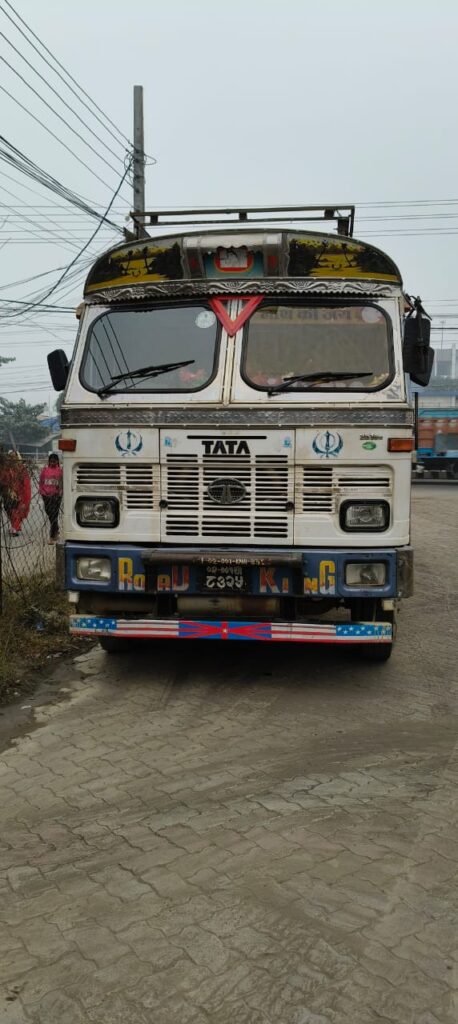
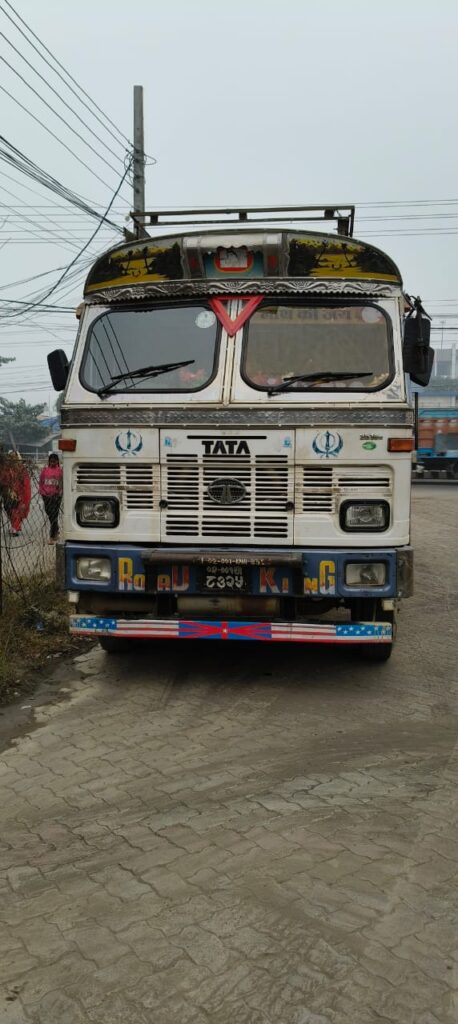
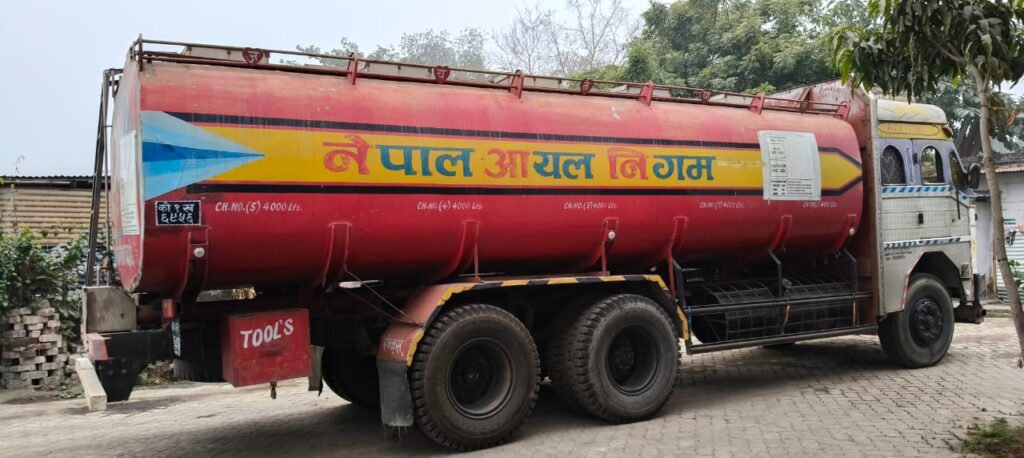
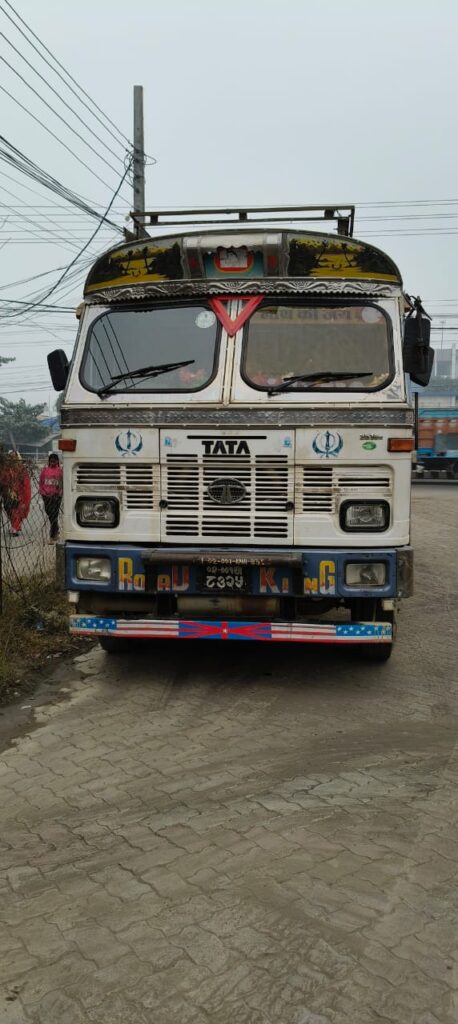
नेपाल आयल निगम (NOC) ले २०८२ साल जेठ १७ गते (२०२५ मे ३१) देखि लागू हुने गरी पेट्रोलियम पदार्थहरूको खुद्रा मूल्य समायोजन गरेको छ। भारतीय आयल कर्पोरेशन लिमिटेड (IOCL) बाट प्राप्त नयाँ खरिद दरका आधारमा यो मूल्य समायोजन गरिएको हो।
🔄 IOCL बाट प्राप्त नयाँ खरिद दरहरू
जेठ १७ गते प्राप्त विवरण अनुसार, पेट्रोलको नयाँ खरिद मूल्य प्रतिलिटर रु. १२१.९१ र डिजेलको रु. ११०.९६ कायम गरिएको छ। अन्तर्राष्ट्रिय बजार मूल्यमा आएको कमीका कारण निगमले उपभोक्तालाई राहत दिने गरी खुद्रा मूल्य घटाएको हो।
२०२५ जुन १ मा प्राप्त अन्तर्राष्ट्रिय दरअनुसार, काठमाडौंसम्मको लागत मूल्य पेट्रोलका लागि रु. २१० र डिजेलका लागि रु. १९२ रहेको छ, जुन अघिल्लो मूल्यभन्दा प्रतिलिटर रु. २ कम हो। यसअनुसार, मूल्यलाई ब्रेक इभेन पोइन्ट नजिक ल्याउँदै समायोजन गरिएको हो।
अन्तर्राष्ट्रिय हवाई इन्धन तथा एलपी ग्यासको मूल्य पनि संशोधित गरिएको छ।
🛢️ नयाँ खुद्रा बिक्री मूल्यहरू (लागू मिति: २०८२ जेठ १८ गते राति १२:०१ बजेबाट)
क्र.सं.
इन्धनको प्रकार
अघिल्लो मूल्य (रु./लिटर)
नयाँ मूल्य (रु./लिटर)
फरक
१
पेट्रोल
रु. १७४.००
रु. १७२.००
-२.००
२
डिजेल / मट्टीतेल
रु. १६३.००
रु. १६१.००
-२.००
३
हवाई इन्धन (आन्तरिक)
रु. १५१.००
रु. १५१.००
यथावत
४
हवाई इन्धन (अन्तर्राष्ट्रिय)
USD ०.९५
USD ०.९३
-०.०२
📍 क्षेत्रअनुसार वितरण वर्ग
पहिलो वर्ग: काठमाडौं, पोखरा, दिपायल दोस्रो वर्ग: बिराटनगर, जनकपुर, अमलेखगञ्ज, भैरहवा, नेपालगञ्ज, धनगढी, सुर्खेत लगायतका अन्य स्थानहरू।
परिवहन लागतका आधारमा स्थान अनुसार मूल्यमा थोरै फरक पर्न सक्छ।
📌 निष्कर्ष
नेपाल आयल निगमले अन्तर्राष्ट्रिय बजारको मूल्य घटबढलाई ध्यानमा राख्दै उपभोक्तालाई सहज मूल्यमा इन्धन उपलब्ध गराउने उद्देश्यले खुद्रा मूल्य समायोजन गरेको हो। पेट्रोल र डिजेल दुबैमा प्रतिलिटर रु. २ को कमी आउँदा उपभोक्ताले राहत महसुस गर्नेछन्।
पेट्रोलियम सम्बन्धी थप जानकारी र नयाँ अपडेटहरूका लागि NOC का आधिकारिक सूचना स्रोतहरू हेर्दै गर्नुहोस्।
Nepal Oil Corporation (NOC) has introduced new fuel prices starting Jestha 17, 2082 (May 31, 2025), following the updated purchase rates received from Indian Oil Corporation Limited (IOCL).
🔄 New Purchase Rates from IOCL
According to the latest import details received on Jestha 17, the new buying price of petrol is NPR 121.91 per liter and diesel is NPR 110.96 per liter. These reduced rates have allowed NOC to lower the retail prices for consumers across Nepal.
Based on the international market update dated June 1, 2025, the international rate for petrol (delivered to Kathmandu) now stands at NPR 210 per liter, while diesel is priced at NPR 192 per liter—both down by NPR 2. As a result, NOC has made changes to bring selling prices closer to the break-even point.
The prices of aviation fuel and LPG for international airlines have also been revised accordingly.
🛢️ Revised Retail Fuel Prices in Nepal (Effective from 12:01 AM, Jestha 18, 2082)
Retail prices slightly vary between locations based on transport and logistics costs.
📌 Summary
Nepal Oil Corporation’s latest fuel price adjustment reflects international price changes and aims to provide fair and transparent rates to Nepali consumers. With petrol and diesel prices dropping by NPR 2 per liter, this update brings some relief to households and businesses alike.
Stay tuned to official NOC channels for future updates and pricing information.
Nepal Oil Corporation’s Price Fluctuations: A Reflection of Public Sentiment
In the heart of Nepal’s economic landscape, the Nepal Oil Corporation (NOC) stands as a pivotal entity, influencing the daily lives of millions. As the sole importer and distributor of petroleum products in the country, its pricing decisions resonate deeply with the populace, affecting everything from household budgets to transportation costs.
Recent Price Adjustments: A Year in Review
Over the past year, NOC has made several adjustments to fuel prices, reflecting changes in international oil markets and the pricing structure of its sole supplier, the Indian Oil Corporation. Notably:
These fluctuations underscore the volatility of global oil markets and the challenges faced by NOC in maintaining stable pricing.
The Human Impact: Stories from the Ground
For many Nepali citizens, these price changes are more than just numbers; they have tangible effects on daily life. A taxi driver in Kathmandu, for instance, expressed concern over the rising operational costs due to fuel price hikes, which directly impact his earnings. Similarly, a homemaker in Pokhara highlighted how increased fuel prices strain her household budget, forcing her to make difficult choices in daily expenditures.
Infrastructure Developments: A Glimpse of Hope
Amidst these challenges, there have been positive strides. The Motihari-Amlekhganj pipeline, a 69-kilometer trans-border petroleum pipeline between India and Nepal, has enhanced the efficiency of fuel transportation, reducing dependency on road tankers and ensuring a more stable supply. Kathmandu Post+5Wikipedia+5Wikipedia+5
Looking Ahead: Striving for Stability
While NOC continues to navigate the complexities of global oil markets, there is a collective hope among Nepali citizens for more stable and predictable fuel pricing. Transparent communication, infrastructure investments, and strategic planning are essential to mitigate the impact of global price volatility on the local populace.
In conclusion, the journey of Nepal Oil Corporation reflects the broader economic challenges and aspirations of the nation. As it endeavors to balance market dynamics with public welfare, the stories of everyday Nepalis serve as a poignant reminder of the human side of economic policies.
Petroleum products are the lifeblood of the global economy. From transportation to manufacturing, energy generation to agriculture—almost every sector depends heavily on crude oil and its derivatives. The fluctuation in international petroleum product prices doesn’t just affect oil-producing nations—it also has far-reaching consequences for developing countries like Nepal, which rely entirely on imports to meet their energy demands.
Global Trends in Petroleum Prices
International crude oil prices are influenced by a variety of factors, including:
OPEC+ production decisions
Geopolitical tensions (e.g., Russia-Ukraine conflict, Middle East instability)
Global economic outlook and demand
Natural disasters and pandemics
Exchange rate fluctuations
In 2024 and into 2025, global petroleum prices have remained volatile. Events such as tensions in the Middle East, changing production quotas by OPEC+, and fluctuating demand from major economies like China and the USA continue to impact pricing.
Why This Matters to Nepal
Nepal is a landlocked country with no domestic oil production. It imports 100% of its petroleum products, primarily through India, and is heavily dependent on the international price of crude oil. The consequences of rising petroleum prices are particularly serious for Nepal due to:
1. Inflationary Pressure
Higher global oil prices lead to increased import costs, which are passed on to consumers. This contributes to a rise in the prices of goods and services, especially transportation, food, and basic commodities, fueling inflation.
2. Rising Trade Deficit
Since petroleum imports form a large part of Nepal’s import bill, rising prices increase the country’s trade deficit. This weakens the balance of payments and puts pressure on the foreign exchange reserves.
3. Increased Transportation Costs
Nepal’s rugged terrain already makes transportation expensive. With higher fuel prices, logistics and transport costs go up, making everything from vegetables to construction materials more costly.
4. Impact on Development Projects
Government infrastructure and development projects often rely on fuel-intensive machinery and transport. An increase in petroleum prices can lead to budget overruns and delays in project implementation.
5. Energy Security Concerns
With global prices rising unpredictably, Nepal faces challenges in ensuring a stable and affordable energy supply. It increases the urgency to diversify energy sources and invest more in renewable energy.
How Can Nepal Mitigate These Effects?
While Nepal cannot control international petroleum prices, it can take several steps to reduce its vulnerability:
Diversify energy sources: Invest in hydropower, solar, and bioenergy to reduce dependency on imported petroleum.
Improve public transportation: Better infrastructure and affordable public transport can reduce individual fuel consumption.
Promote fuel efficiency: Encourage fuel-efficient vehicles and practices across industries.
International petroleum product prices will continue to remain unpredictable due to global dynamics. For a country like Nepal, the impact is profound—affecting everything from inflation and trade balances to daily life. Addressing these challenges requires long-term planning, strategic investment in alternative energy, and regional cooperation.
In a significant move that has brought relief to households and businesses alike, the Nepal Oil Corporation (NOC) has announced a notable reduction in the prices of petroleum products across the country. This decision comes amid favorable international oil prices and the government’s commitment to stabilizing the domestic fuel market.
Let’s delve into the details of this price cut, understand its implications, and explore how it could influence various sectors of Nepal’s economy.
📉 What’s the Latest Price Reduction in Petroleum Products?
On May 25, 2025, the NOC officially reduced the prices of key petroleum products, including petrol, diesel, and kerosene. Here’s a breakdown of the new prices:
Product
Old Price (NPR per liter)
New Price (NPR per liter)
Reduction (NPR)
Petrol
175
168
7
Diesel
163
157
6
Kerosene
163
157
6
This price revision follows a positive trend in international crude oil prices, which have seen a downward correction due to improved global supply chains and easing geopolitical tensions.
🔍 Why Did the Prices Go Down?
Several key factors contributed to this recent drop in petroleum prices in Nepal:
1. Decline in Global Crude Oil Prices
Global crude oil prices have dipped by over 10% in the past two months due to:
Increased production from OPEC and non-OPEC countries
Stable geopolitical conditions in major oil-producing regions
Reduced global demand, particularly from large economies like China
2. Improved Supply Chain and Logistics
Post-pandemic recovery has led to better transportation networks and fewer disruptions at seaports. This has made fuel imports more cost-effective for Nepal, especially via Indian Oil Corporation (IOC), which supplies most of Nepal’s petroleum needs.
3. Policy Decisions by Nepal Oil Corporation
NOC periodically adjusts fuel prices based on a transparent pricing mechanism. This includes factors like import cost, transportation, taxes, and profit margins. The latest revision reflects the real-time global pricing scenario, aligning domestic prices with international trends.
👨👩👧👦 Impact on Consumers
The price reduction is excellent news for consumers, especially as Nepal continues to face inflationary pressures. Here’s how the average Nepali household will benefit:
🔹 Lower Transportation Costs
Commuters using personal vehicles or public transportation will experience lower fuel expenses. This indirectly reduces taxi fares and bus tickets in the long run.
🔹 Decrease in Cost of Goods
Since diesel is widely used in freight and logistics, a price reduction leads to a decrease in the cost of transporting goods. This helps stabilize or reduce market prices of essential items, groceries, and agricultural products.
🔹 Relief for Small Businesses
Small vendors, farmers using diesel pumps, and transport operators are among the biggest beneficiaries. Lower operating costs help them reinvest in their businesses or pass savings to consumers.
🏭 Impact on Industries and Businesses
The industrial sector, which heavily relies on petroleum products for machinery, transportation, and backup power, will also gain from the recent price slash.
✅ Manufacturing Sector
Industries using diesel generators or operating heavy machinery will see reduced energy costs, boosting productivity and profitability.
✅ Agriculture
Farmers using kerosene or diesel for irrigation pumps, tractors, and grain processing equipment will benefit from cost savings, especially during peak planting and harvesting seasons.
✅ Transportation and Logistics
Freight companies, courier services, and goods carriers will find this a timely boost as fuel forms a significant portion of their operational expenses.
💼 Government’s Role and Public Trust
The Nepalese government and NOC have been under public scrutiny over fuel pricing. This recent decision demonstrates transparency and responsiveness to economic conditions, which can help restore public confidence.
NOC also assures that if global prices continue to fall, more reductions may be passed on to the consumers in the coming weeks. Conversely, if prices rise, NOC may revise prices upward, though gradually, to protect the public from shocks.
🌱 Environmental Considerations
While lower fuel prices increase affordability, they may also lead to higher consumption. This brings potential environmental challenges like:
Increased vehicular emissions
Greater reliance on fossil fuels
Delay in adoption of electric vehicles (EVs)
To counter this, the government should continue promoting EVs and renewable energy incentives alongside pricing reforms.
The petroleum price reduction offers short-term economic relief and can stimulate consumer spending and industrial activity. However, it also highlights Nepal’s continued dependency on imported fossil fuels.
Recommendations for Long-Term Fuel Stability:
Diversify Energy Sources: Invest in hydropower, solar, and wind to reduce petroleum dependency.
Promote Electric Mobility: Increase subsidies for electric vehicles and charging infrastructure.
Fuel Reserve Planning: Create strategic petroleum reserves to buffer against future price shocks.
Transparent Pricing Policy: Continue to use a clear pricing mechanism and public communication to build trust.
🗣️ Public Reaction
The general public has responded positively to the price drop, with social media users and transport unions expressing relief. Many have urged the government to ensure that these savings reflect in transportation and commodity costs and not just fuel pumps.
📌 Final Thoughts
The recent price reduction in petroleum products in Nepal is a welcome development for consumers, businesses, and the economy as a whole. It reflects the effectiveness of Nepal Oil Corporation’s pricing strategy and the government’s responsiveness to global economic trends.
While this brings temporary relief, it also highlights the need for a long-term energy strategy focused on sustainability, energy independence, and price stability.
As Nepal navigates a post-pandemic economic recovery, balanced decisions like this are vital for building a resilient and inclusive economy.
Kathmandu, May 3, 2025 — The Nepal Oil Corporation (NOC) has announced a fresh reduction in fuel prices, bringing relief to consumers across the country. The revised rates came into effect from midnight on May 1, 2025, following the latest shipment price update from Indian Oil Corporation, Nepal’s sole supplier of petroleum products.
Revised Fuel Prices
Under the new pricing structure, petrol prices have been cut by Rs 2 per litre, while diesel and kerosene have each seen a Rs 1 per litre reduction. Similarly, the cost of domestic aviation fuel has dropped by Rs 4 per litre, and international aviation fuel supplied at Kathmandu has been slashed by USD 29 per kiloliter.
Price Variation by Region
Fuel prices in Nepal are regionally categorized due to transportation costs and distribution logistics. Here’s a breakdown of the new prices by zone:
Kathmandu Valley, Pokhara, Dipayal:
Petrol: Rs 158 per litre
Diesel & Kerosene: Rs 145 per litre
Category A Cities (Chaarali, Biratnagar, Janakpur, Amlekhgunj, Nepalgunj, Dhangadhi, Birgunj):
Petrol: Rs 155.50 per litre
Category B Cities (Surkhet, Dang):
Petrol: Rs 157 per litre
Why the Price Drop?
These reductions are part of NOC’s routine pricing revisions, which are conducted every 15 days. The adjustments reflect changes in international oil prices and the latest import costs quoted by the Indian Oil Corporation.
With global oil prices witnessing slight downward trends in recent weeks, this cut is expected to provide financial relief to the general public and transport sector, especially as fuel remains a significant component of household and operational expenses in Nepal.
As of today, February 13, 2025, there are no new updates regarding the Nepal Oil Corporation (NOC). The latest significant development took place on October 3, 2024, when NOC signed an agreement with the Indian Oil Corporation to construct two new pipeline projects. One pipeline, stretching 50 kilometers, will connect Siliguri in India to Jhapa in Nepal, while the other will extend 62 kilometers from Amlekhgunj to Lothar in Chitwan. This initiative aims to improve energy security and streamline petroleum supply, especially in Nepal’s hilly regions.
Additionally, on October 31, 2024, NOC announced a reduction in diesel and kerosene prices by Re1 per liter, setting the new price at Rs150 per liter in Kathmandu, Pokhara, and Dipayal. However, the prices of petrol, liquefied petroleum gas (LPG), and aviation fuel remained unchanged.
Currently, there have been no further announcements or updates from NOC.
Petrol is an essential fuel for Nepal’s transportation sector, powering vehicles across the country. The Nepal Oil Corporation (NOC) manages petrol prices, adjusting them based on global market trends and supply rates from the Indian Oil Corporation, Nepal’s primary fuel supplier.
Current Petrol Prices in Biratnagar
As of February 10, 2025, the price of petrol in Nepal is NPR 175.00 per liter. However, rates may differ slightly in Biratnagar due to transportation and distribution costs. For the most accurate pricing, checking with local fuel stations or the official NOC website is recommended.
Recent Price Revisions
In January 2025, NOC raised petrol prices by NPR 2 per liter, setting the rate at NPR 173 per liter in Kathmandu. Petrol prices in Nepal frequently fluctuate due to various external factors, including global oil market trends.
Key Factors Influencing Petrol Prices in Nepal
Several critical elements impact petrol pricing:
Global Crude Oil Prices: The cost of crude oil in the international market directly affects petrol prices in Nepal.
Exchange Rate Fluctuations: The value of the Nepalese Rupee against the US Dollar influences fuel import costs.
Transportation and Logistics Expenses: The cost of transporting fuel from depots to different regions, including Biratnagar, affects the final retail price.
Government Taxes and Policies: Duties, taxes, and subsidies set by the government significantly impact fuel prices.
Conclusion
Petrol continues to be a crucial resource in Nepal, especially in cities like Biratnagar. Staying updated with the latest price changes through official sources helps individuals and businesses manage fuel expenses effectively.