Tag: #nepaloilcorporation

  • Nepal Oil Corporation Revises Fuel Prices: New Rates Effective August 1, 2025

    Nepal Oil Corporation (NOC), the sole importer and distributor of petroleum products in Nepal, has announced a revision in the retail prices of various fuel types following the latest price update received from Indian Oil Corporation (IOC) on July 31, 2025. The revised fuel prices will come into effect from midnight (12:01 AM) on August 1, 2025 (2082/04/16) across the country.


    🔄 Why This Price Revision?

    NOC imports petroleum products from Indian Oil Corporation, which updates the export prices twice a month. Based on the latest export rates received, the following changes have occurred:

    • Petrol (Gasoline): Price decreased by NPR 0.87 per liter
    • Diesel: Price increased by NPR 3.50 per liter
    • Aviation Turbine Fuel (ATF – Domestic): Price increased by NPR 3.06 per liter

    These changes necessitated a revision in the domestic retail prices in order to maintain financial sustainability, minimize losses, and align with global market trends.


    📊 Revised Retail Prices of Petroleum Products (Effective August 1, 2025)

    🚗 Petrol Prices

    ZonePrevious Price (NPR/Ltr)New Price (NPR/Ltr)
    First157.50156.50
    Second159.00158.00
    Third160.00159.00

    🚛 Diesel / Kerosene Prices

    ZonePrevious Price (NPR/Ltr)New Price (NPR/Ltr)
    First145.50147.50
    Second147.00149.00
    Third148.00150.00

    ✈️ Aviation Turbine Fuel (Domestic Flights)

    ZoneNew Price (NPR/Ltr)
    Domestic ATF (Internal)125.00 to 128.00 (based on location)

    🌍 Aviation Turbine Fuel (International Flights)

    LocationPrevious Price (USD/kL)New Price (USD/kL)
    Kathmandu$952$973
    Pokhara$782$792
    Bhairahawa$766$776

    Note: ATF prices in Pokhara and Bhairahawa for international flights are adjusted to the Break-Even Point, meaning the corporation will neither make a profit nor a loss at the current rates.


    🏷️ LPG Cylinder Prices Remain Unchanged

    Despite international price fluctuations, the price of LPG (cooking gas) has not been changed and will continue to be sold at the existing rate. This move aims to support households already burdened by inflation and cost-of-living pressures.


    📍 Zone Classification for Fuel Pricing

    Nepal Oil Corporation categorizes fuel price zones based on proximity to depots and transport costs. Here’s how the zones are defined:

    • First Zone: Charali, Biratnagar, Janakpur, Amlekhgunj, Bhairahawa, Nepalgunj, Dhangadhi, Birgunj
    • Second Zone: Surkhet, Dang
    • Third Zone: Kathmandu, Pokhara, Dipayal

    This zoning helps determine how fuel transportation costs impact retail prices in various regions.


    🧾 Why Diesel Price Went Up While Petrol Dropped?

    The global market dynamics, particularly in South Asia, have influenced the import rates. Diesel prices have surged due to increased demand in transportation and logistics, while petrol prices saw a slight reduction due to international oil market adjustments. Nepal, relying heavily on imports, adjusts accordingly to maintain economic balance and sustainability.


    📢 Final Words from NOC

    The spokesperson of Nepal Oil Corporation reiterated the organization’s commitment to:

    “Simplicity, Purity, and Transparency in public service and pricing.”

    The new prices reflect global changes while trying to minimize the burden on domestic consumers. NOC assures continuous monitoring of international price trends and appropriate action when required.

    please like share and subscribe if you like the article.

    Q1: Why is the diesel price increased while petrol is reduced?

    Diesel prices have risen globally due to increased industrial and transport demand. Petrol prices saw a minor drop due to changes in international crude oil benchmarks.

    Q2: Are LPG gas prices also changing?

    No, LPG cylinder prices remain unchanged as per NOC’s current update.

    Q3: When will the new fuel prices be applicable?

    The revised prices will be effective from 12:01 AM on August 1, 2025 (2082/04/16) across all NOC outlets.
  • Nepal Oil Corporation Revises Petrol and Diesel Prices from June 15, 2025

    In a new press statement, the Nepal Oil Corporation (NOC) has officially announced an increase in petroleum prices effective from June 15, 2025 (Asar 1, 2082 B.S.). This decision comes in the wake of revised purchase rates of petroleum products imported from Indian Oil Corporation (IOC). The updated prices apply to both petrol and diesel/kerosene, affecting distribution centers across the country.

    New Import Prices from Indian Oil Corporation

    As per the latest update, Nepal is now purchasing petrol at a new rate of Rs. 117.12 per liter from IOC, up from the previous Rs. 116.10 per liter. Similarly, diesel prices have been revised from Rs. 100 to Rs. 100.70 per liter. This adjustment in the base prices prompted NOC to review and update the local selling prices accordingly.

    Implementation of Price Changes

    The price revision has been implemented by NOC from midnight of Asar 1, 2082 (June 15, 2025). Consumers in different regions will now pay slightly increased rates for fuel. The changes are in alignment with the government policy to adjust fuel prices based on international market fluctuations and the pricing structure from the IOC.

    Updated Retail Prices for Fuel (Effective from 12:00 AM, Asar 1, 2082)

    The updated prices of petrol and diesel/kerosene across various NOC depots are as follows:

    Product Kathmandu, Pokhara, Dipayal, Dhangadhi, Amlekhgunj, Nepalgunj Surkhet, Dang, Charali, Janakpur Biratnagar, Birgunj Bhadrapur

    Petrol Rs. 174.50 per liter Rs. 175.50 Rs. 176.00 Rs. 176.50
    Diesel/ Kerosene Rs. 152.50 per liter Rs. 153.50 Rs. 154.00 Rs. 154.50

    The decision aligns with Nepal Oil Corporation’s automatic pricing mechanism, which regularly adjusts prices to reflect fluctuations in international rates and transport margins.

    Regional Impact

    While Kathmandu Valley and surrounding regions will see petrol priced at Rs. 174.50 and diesel at Rs. 152.50 per liter, prices differ slightly in other regions due to transportation costs and depot-specific pricing structures.

    In Pokhara, Dipayal, Dhangadhi, and Amlekhgunj: Fuel rates will remain similar to those in Kathmandu.

    In Janakpur, Dang, and Surkhet: Petrol and diesel are Rs. 1 higher compared to Kathmandu.

    In Biratnagar and Birgunj: Fuel prices are Rs. 1.50 higher than in the capital.

    In Bhadrapur: Petrol is priced at Rs. 176.50 and diesel at Rs. 154.50 per liter—the highest rates among all the listed regions.

    NOC’s Statement and Public Notice

    Nepal Oil Corporation has reiterated its commitment to ensure a smooth supply of petroleum products across the country. It stated that the pricing changes were necessary to balance the rising costs of imports and maintain adequate stock levels.

    The notice also emphasizes that the price hike has been calculated fairly, keeping in mind operational expenses and international price shifts. NOC’s pricing strategy aims to reflect real-time market conditions while minimizing the burden on consumers as much as possible.

    Public Reaction and Outlook

    As with any fuel price change, this announcement has led to mixed responses from the public and business sectors. While some acknowledge the global market dependencies that Nepal faces, others express concern over increased transport costs and the ripple effect on daily commodities.

    In the coming months, Nepal Oil Corporation is expected to continue following the automatic pricing system. If international crude oil prices stabilize or drop, it could result in a future reduction in domestic prices as well.

    Conclusion

    The Nepal Oil Corporation’s decision to revise fuel prices is part of a broader strategy to maintain financial sustainability and meet the demands of a growing population. As Nepal continues to import all its petroleum needs from India, fluctuations in global oil prices will inevitably impact domestic rates.

    For now, consumers are advised to stay updated with NOC’s official channels for any upcoming revisions or changes in fuel supply status.

    Frequently Asked Questions (FAQ)

    Q1: Why did Nepal Oil Corporation increase the fuel prices on June 15, 2025?
    A: The price hike is a result of the revised import cost from Indian Oil Corporation (IOC). Petrol import cost increased to Rs. 117.12 per liter and diesel to Rs. 100.70 per liter. NOC adjusted domestic prices to reflect this change.


    Q2: When did the new prices come into effect?
    A: The new prices were implemented from midnight (12:00 AM) on June 15, 2025 (Asar 1, 2082 B.S.).


    Q3: What are the current prices of petrol and diesel in Kathmandu?
    A: As of June 15, 2025, petrol is priced at Rs. 174.50 per liter, and diesel/kerosene is priced at Rs. 152.50 per liter in Kathmandu.


    Q4: Do fuel prices differ across regions in Nepal?
    A: Yes, fuel prices vary slightly across different depots and regions due to transportation costs. For example, petrol costs Rs. 176.50 in Bhadrapur, while it’s Rs. 174.50 in Kathmandu.


    Q5: How often does NOC revise fuel prices?
    A: Nepal Oil Corporation uses an automatic pricing system, which reviews and adjusts fuel prices regularly based on changes in international market rates and import costs.


    Q6: Who supplies petroleum to Nepal?
    A: Nepal imports its petroleum products from Indian Oil Corporation (IOC) under a government-to-government agreement.


    Q7: Will prices go down if global oil rates drop?
    A: Yes, if global oil prices decline and IOC reduces the supply price, NOC is expected to reduce the domestic fuel prices accordingly through its pricing mechanism.


    Q8: Where can I check the latest fuel prices in Nepal?
    A: You can visit the official website of Nepal Oil Corporation (www.noc.org.np) or follow their verified social media handles for real-time price updates.

  • नेपालमा पेट्रोलियम पदार्थको नयाँ मूल्य लागू — २०८२ जेठ १७ गतेदेखि (२०२५ मे ३१)नेपाल आयल निगमको ताजा सूचना

    नेपाल आयल निगम (NOC) ले २०८२ साल जेठ १७ गते (२०२५ मे ३१) देखि लागू हुने गरी पेट्रोलियम पदार्थहरूको खुद्रा मूल्य समायोजन गरेको छ। भारतीय आयल कर्पोरेशन लिमिटेड (IOCL) बाट प्राप्त नयाँ खरिद दरका आधारमा यो मूल्य समायोजन गरिएको हो।

    🔄 IOCL बाट प्राप्त नयाँ खरिद दरहरू

    जेठ १७ गते प्राप्त विवरण अनुसार, पेट्रोलको नयाँ खरिद मूल्य प्रतिलिटर रु. १२१.९१ र डिजेलको रु. ११०.९६ कायम गरिएको छ। अन्तर्राष्ट्रिय बजार मूल्यमा आएको कमीका कारण निगमले उपभोक्तालाई राहत दिने गरी खुद्रा मूल्य घटाएको हो।

    २०२५ जुन १ मा प्राप्त अन्तर्राष्ट्रिय दरअनुसार, काठमाडौंसम्मको लागत मूल्य पेट्रोलका लागि रु. २१० र डिजेलका लागि रु. १९२ रहेको छ, जुन अघिल्लो मूल्यभन्दा प्रतिलिटर रु. २ कम हो। यसअनुसार, मूल्यलाई ब्रेक इभेन पोइन्ट नजिक ल्याउँदै समायोजन गरिएको हो।

    अन्तर्राष्ट्रिय हवाई इन्धन तथा एलपी ग्यासको मूल्य पनि संशोधित गरिएको छ।


    🛢️ नयाँ खुद्रा बिक्री मूल्यहरू (लागू मिति: २०८२ जेठ १८ गते राति १२:०१ बजेबाट)

    क्र.सं.इन्धनको प्रकारअघिल्लो मूल्य (रु./लिटर)नयाँ मूल्य (रु./लिटर)फरक
    पेट्रोलरु. १७४.००रु. १७२.००-२.००
    डिजेल / मट्टीतेलरु. १६३.००रु. १६१.००-२.००
    हवाई इन्धन (आन्तरिक)रु. १५१.००रु. १५१.००यथावत
    हवाई इन्धन (अन्तर्राष्ट्रिय)USD ०.९५USD ०.९३-०.०२

    📍 क्षेत्रअनुसार वितरण वर्ग

    पहिलो वर्ग: काठमाडौं, पोखरा, दिपायल
    दोस्रो वर्ग: बिराटनगर, जनकपुर, अमलेखगञ्ज, भैरहवा, नेपालगञ्ज, धनगढी, सुर्खेत लगायतका अन्य स्थानहरू।

    परिवहन लागतका आधारमा स्थान अनुसार मूल्यमा थोरै फरक पर्न सक्छ।


    📌 निष्कर्ष

    नेपाल आयल निगमले अन्तर्राष्ट्रिय बजारको मूल्य घटबढलाई ध्यानमा राख्दै उपभोक्तालाई सहज मूल्यमा इन्धन उपलब्ध गराउने उद्देश्यले खुद्रा मूल्य समायोजन गरेको हो। पेट्रोल र डिजेल दुबैमा प्रतिलिटर रु. २ को कमी आउँदा उपभोक्ताले राहत महसुस गर्नेछन्।

    पेट्रोलियम सम्बन्धी थप जानकारी र नयाँ अपडेटहरूका लागि NOC का आधिकारिक सूचना स्रोतहरू हेर्दै गर्नुहोस्।

  • Fuel Prices in Nepal Revised from Jestha 17, 2082 (May 31, 2025)

    Latest Update by Nepal Oil Corporation (NOC)

    Nepal Oil Corporation (NOC) has introduced new fuel prices starting Jestha 17, 2082 (May 31, 2025), following the updated purchase rates received from Indian Oil Corporation Limited (IOCL).

    🔄 New Purchase Rates from IOCL

    According to the latest import details received on Jestha 17, the new buying price of petrol is NPR 121.91 per liter and diesel is NPR 110.96 per liter. These reduced rates have allowed NOC to lower the retail prices for consumers across Nepal.

    Based on the international market update dated June 1, 2025, the international rate for petrol (delivered to Kathmandu) now stands at NPR 210 per liter, while diesel is priced at NPR 192 per liter—both down by NPR 2. As a result, NOC has made changes to bring selling prices closer to the break-even point.

    The prices of aviation fuel and LPG for international airlines have also been revised accordingly.


    🛢️ Revised Retail Fuel Prices in Nepal (Effective from 12:01 AM, Jestha 18, 2082)

    S.N.Fuel TypePrevious Price (NPR/Ltr)New Price (NPR/Ltr)Difference
    1PetrolNPR 174.00NPR 172.00– NPR 2.00
    2Diesel/KeroseneNPR 163.00NPR 161.00– NPR 2.00
    3Aviation Fuel (Domestic)NPR 151.00NPR 151.00No Change
    4Aviation Fuel (International)USD 0.95USD 0.93– USD 0.02

    📍 Region-wise Distribution

    Category 1 Locations: Kathmandu, Pokhara, Dipayal
    Category 2 Locations: Biratnagar, Janakpur, Amlekhgunj, Bhairahawa, Nepalgunj, Dhangadhi, Surkhet, and others.

    Retail prices slightly vary between locations based on transport and logistics costs.


    📌 Summary

    Nepal Oil Corporation’s latest fuel price adjustment reflects international price changes and aims to provide fair and transparent rates to Nepali consumers. With petrol and diesel prices dropping by NPR 2 per liter, this update brings some relief to households and businesses alike.

    Stay tuned to official NOC channels for future updates and pricing information.

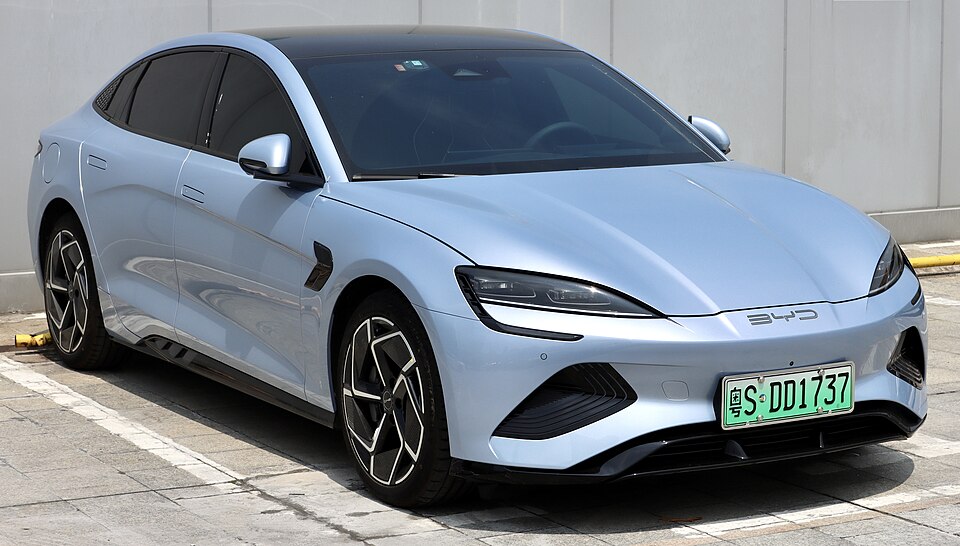
  • 🚘 BYD Atto 3 Review – A Game-Changer for Nepal’s EV Market (2025)

    If you’re thinking about switching to an electric vehicle in Nepal, there’s a good chance the BYD Atto 3 has already caught your eye—and for good reason. It’s not just another EV. It’s a statement of style, innovation, and a greener tomorrow.

    Whether you’re a daily commuter, a weekend road-tripper, or someone looking to cut down on fuel costs, the Atto 3 offers something that clicks with everyone.


    🌟 First Impressions – Design That Turns Heads

    From the moment you lay eyes on the BYD Atto 3, you know it’s something special. It carries a futuristic charm with its flowing lines, bold front grille, and LED lighting. The crossover SUV stance gives it road presence, but it’s not overly bulky—just the perfect balance between sporty and sleek.

    Step inside, and the cabin greets you with an open, airy layout. The rotating infotainment display is not just a gimmick—it’s a practical and fun touch. The panoramic sunroof, layered dashboard, and soft ambient lighting make every drive feel premium.


    🔋 Power Meets Practicality – Performance & Battery Life

    Under the hood (or rather, beneath the floor), the Atto 3 is all-electric. You get two battery variants:

    • 🔹 49.92 kWh (Advanced Variant)
    • 🔹 60.48 kWh (Superior Variant)

    The larger battery gives you up to 420 km of real-world range, which means less time charging and more time driving. Whether you’re navigating Kathmandu’s busy lanes or taking a weekend trip to Pokhara, this car won’t leave you stranded with range anxiety.

    Charging is pretty straightforward too:

    • 🚀 Fast Charging: 0 to 80% in around 45 minutes
    • 🏠 Home Charging (AC): Plug it overnight and you’re good to go the next day.

    🧠 Smart & Safe – Features You’ll Love

    Safety is where the BYD Atto 3 truly shines. It’s scored a 5-star Euro NCAP safety rating, making it one of the safest EVs in its class. Plus, you get:

    • Adaptive Cruise Control
    • Lane-Keep Assist
    • Blind Spot Monitoring
    • Multiple Airbags
    • Rear Cross-Traffic Alert

    On top of that, the Vehicle-to-Load (V2L) feature lets you use your car as a power bank—perfect for camping or power cuts!


    💸 BYD Atto 3 On-Road Price in Nepal (May 2025)

    If you’re wondering about the cost, here’s the latest pricing:

    • 🔹 Advanced Variant – NPR 56.90 Lakhs
    • 🔹 Superior Variant – NPR 67.80 Lakhs

    The price includes an 8-year or 160,000 km warranty on the battery and motor, which adds solid peace of mind.


    👍 What We Love (and What Could Be Better)

    Why You’ll Love It:

    ✅ Excellent range for Nepal’s roads
    ✅ Spacious, futuristic interior
    ✅ Smooth, silent, and fun to drive
    ✅ Loaded with safety features
    ✅ Strong value-for-money proposition

    Room for Improvement:

    ❌ DC fast charging could be quicker
    ❌ Service availability is still growing outside major cities


    🏁 Final Thoughts – Is the BYD Atto 3 Worth It?

    Absolutely. The BYD Atto 3 isn’t just a car—it’s a shift toward a smarter, cleaner, and more exciting way to drive. It’s stylish, reliable, and efficient, and it makes the transition to electric feel completely natural.

    If you’ve been on the fence about getting an EV, the Atto 3 might just be the perfect place to start your journey. It brings together all the right ingredients—looks, performance, safety, and value.

  • Nepal Today: Major Headlines and National Updates – May 30, 2025

    Children of God

    As Nepal celebrates its 18th Republic Day, the country is experiencing major developments across politics, economy, infrastructure, and climate. From budget announcements to royalist demonstrations, here’s a detailed roundup of today’s top stories from Nepal.


    Republic Day Observed Amid Calls for Monarchy Restoration

    Nepal marked the 18th anniversary of becoming a republic, transitioning from a monarchy in 2008. While the government organized official programs across the nation, thousands of royalist supporters gathered in Kathmandu, calling for the return of the monarchy.

    Critics of the current democratic system argue that political instability and lack of economic progress have led many to question the effectiveness of the republic. To ensure public safety, around 6,000 security personnel were deployed throughout the capital.


    Nepal Unveils Rs 1.96 Trillion Budget for FY 2025/26

    Finance Minister Bishnu Prasad Paudel presented the highest-ever budget in Nepal’s history—Rs 1.96 trillion—for the fiscal year 2025/26. The government aims to boost the national GDP by 6%, with strong emphasis on infrastructure development, job creation, and inviting private investment.

    While the business sector welcomed the budget’s growth-oriented vision, opposition leaders criticized the lack of clarity in execution strategies, especially given the current political uncertainty.

    In trade policy news, Nepal has lifted its partial ban on imports of specific dairy items—such as whey and cheese—from India. This move is expected to stabilize local markets and improve trade ties with its southern neighbor.


    Climate Alert: Himalayan Glaciers Losing Ice Rapidly

    A new environmental study has raised alarms over the rapid melting of glaciers in the Himalayas. Even a 2°C rise in global temperatures could result in significant glacier loss in the region, threatening water sources and ecosystems.

    In response, Nepal recently hosted the Sagarmatha Sambaad, a global climate conference focused on mountain ecosystems. The dialogue encouraged nations to collaborate on environmental conservation and sustainable development, especially for climate-vulnerable countries like Nepal.


    Infrastructure: Progress on Expressway, New Hospital in Karnali

    The Kathmandu–Terai/Madhesh Expressway, one of Nepal’s most ambitious infrastructure projects, has achieved 37% completion. This 70-kilometer expressway, once finished, will drastically improve travel and trade between the capital and the southern plains. Authorities now expect the project to conclude by April 2027.

    In the health sector, the Karnali Academy of Health Sciences announced the establishment of a 50-bed satellite hospital in Dailekh. The initiative aims to improve medical access in Nepal’s remote and underserved regions.


    Nationwide Teachers’ Protest Over Job Security

    Public school teachers across Nepal continued their demonstrations against the proposed School Education Bill. Teachers are demanding guaranteed job security, pay parity, and inclusion in government social security plans.

    The educators argue that the new bill undermines previous agreements and weakens their employment status. At the same time, the government has introduced educational reforms, including youth startup incentives and a new policy aimed at universal basic education by 2084 BS.


    Sports: Nepal’s Cricket and Kabaddi Teams Make Headlines

    Nepal’s national cricket team is preparing to participate in the 2025 Scotland Tri-Nation Series, facing off against teams from Scotland and the Netherlands. This series is part of the ICC Cricket World Cup League 2 and is vital for Nepal’s qualification journey.

    On the domestic front, the Nepal Kabaddi League concluded successfully with the Janakpur Knights winning the championship. The tournament featured six regional teams and aimed to promote kabaddi among youth.


    Security Update: Border Incidents Raise Concerns

    In a significant border security development, Indian authorities apprehended two Chinese nationals entering India illegally from Nepal through the Madhubani border. One of the detainees was reportedly in possession of over 50 videos promoting anti-India and pro-Khalistan sentiments, prompting concerns over potential cross-border propaganda.

    In another case, two individuals were sentenced to 14 years of rigorous imprisonment for smuggling 60 kilograms of cannabis through the India-Nepal border. They were also fined Rs 2 lakh each.


    Conclusion: Nepal’s Crossroads Between Tradition and Progress

    Nepal today stands at a critical juncture—balancing its historical values with a vision for future development. As the republic completes 18 years, challenges like climate change, economic management, and political unrest persist. However, initiatives in infrastructure, healthcare, education, and international cooperation highlight the country’s resilience and its aspirations for a better tomorrow.

  • “From Pipelines to People: The Real Impact of NOC’s Price Updates”

    Nepal Oil Corporation’s Price Fluctuations: A Reflection of Public Sentiment

    In the heart of Nepal’s economic landscape, the Nepal Oil Corporation (NOC) stands as a pivotal entity, influencing the daily lives of millions. As the sole importer and distributor of petroleum products in the country, its pricing decisions resonate deeply with the populace, affecting everything from household budgets to transportation costs.

    Recent Price Adjustments: A Year in Review

    Over the past year, NOC has made several adjustments to fuel prices, reflecting changes in international oil markets and the pricing structure of its sole supplier, the Indian Oil Corporation. Notably:

    These fluctuations underscore the volatility of global oil markets and the challenges faced by NOC in maintaining stable pricing.

    The Human Impact: Stories from the Ground

    For many Nepali citizens, these price changes are more than just numbers; they have tangible effects on daily life. A taxi driver in Kathmandu, for instance, expressed concern over the rising operational costs due to fuel price hikes, which directly impact his earnings. Similarly, a homemaker in Pokhara highlighted how increased fuel prices strain her household budget, forcing her to make difficult choices in daily expenditures.

    Infrastructure Developments: A Glimpse of Hope

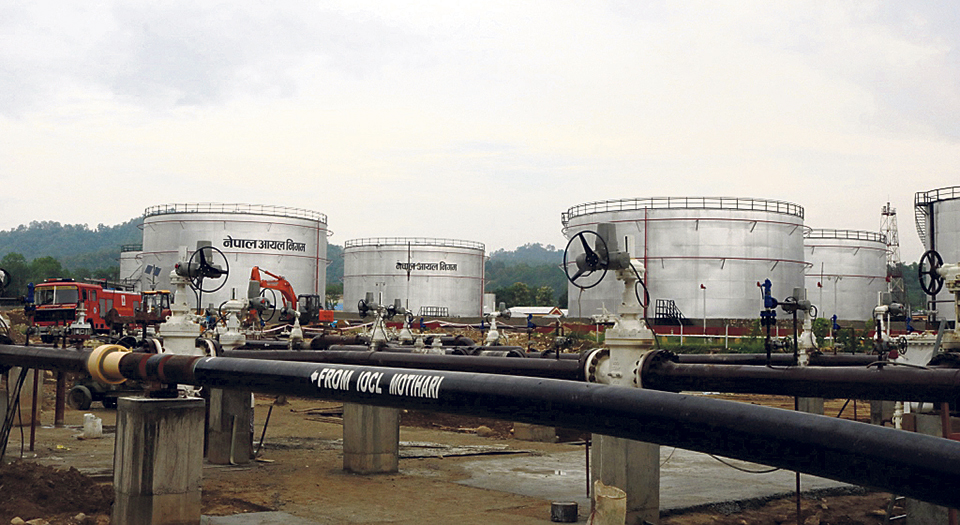
    Amidst these challenges, there have been positive strides. The Motihari-Amlekhganj pipeline, a 69-kilometer trans-border petroleum pipeline between India and Nepal, has enhanced the efficiency of fuel transportation, reducing dependency on road tankers and ensuring a more stable supply. Kathmandu Post+5Wikipedia+5Wikipedia+5

    Looking Ahead: Striving for Stability

    While NOC continues to navigate the complexities of global oil markets, there is a collective hope among Nepali citizens for more stable and predictable fuel pricing. Transparent communication, infrastructure investments, and strategic planning are essential to mitigate the impact of global price volatility on the local populace.

    In conclusion, the journey of Nepal Oil Corporation reflects the broader economic challenges and aspirations of the nation. As it endeavors to balance market dynamics with public welfare, the stories of everyday Nepalis serve as a poignant reminder of the human side of economic policies.

  • BYD Electric Vehicles: Price Overview in USD and NPR

    Electric vehicles (EVs) are transforming the way we think about mobility, and BYD (Build Your Dreams) is at the forefront of this revolution. As one of the world’s leading EV manufacturers, BYD offers a diverse lineup of electric cars designed for performance, safety, and sustainability. If you’re curious about their popular models, pricing, and what makes them stand out, this guide is for you.


    Who is BYD?

    BYD, founded in 1995 in Shenzhen, China, started as a battery maker and quickly grew into one of the largest electric vehicle manufacturers globally. Known for its advanced battery technology, particularly the innovative Blade Battery, BYD designs and produces everything from compact hatchbacks to luxury SUVs, electric buses, and commercial vehicles.


    BYD’s Popular EV Models & Prices (2025)

    Here’s a look at some of BYD’s top electric vehicles, their approximate price ranges in US dollars (USD) and Nepalese rupees (NPR), along with their key features and specifications.

    1. BYD Atto 3 (Also called Yuan Plus)

    • Price in USD: $16,000 – $20,000
    • Price in NPR: Approximately NPR 2,030,000 – 2,540,000
    • Type: Compact Electric SUV
    • Range: Around 420-480 km (depending on variant)
    • Battery: 60.5 kWh Blade Battery
    • Charging: Fast charging from 30% to 80% in under 30 minutes
    • Features: Rotating touchscreen infotainment, advanced driver-assistance systems (ADAS), spacious cabin

    Pros:

    • Excellent range for its price
    • Modern design with advanced tech
    • Comfortable interior space

    Cons:

    • Limited availability in some markets
    • Rear visibility could be better

    2. BYD Seal

    • Price in USD: $25,000 – $30,000
    • Price in NPR: Approximately NPR 3,175,000 – 3,810,000
    • Type: Electric Sedan
    • Range: Up to 700 km (CLTC cycle)
    • Battery: Blade Battery with advanced thermal management
    • Performance: Up to 530 hp with dual motor AWD variant
    • Features: High-performance, DiSus-C intelligent damping, premium interior

    Pros:

    • Impressive range and acceleration
    • Competitive pricing vs. rivals like Tesla Model 3
    • Premium look and feel

    Cons:

    • May be priced higher after taxes in some regions
    • Availability outside China is still growing

    3. BYD Dolphin

    • Price in USD: $14,000 – $16,000
    • Price in NPR: Approximately NPR 1,780,000 – 2,030,000
    • Type: Compact Electric Hatchback
    • Range: Around 400 km
    • Battery: Blade Battery (smaller pack)
    • Features: Urban-friendly size, bright color options, efficient motor

    Pros:

    • Affordable entry into EV ownership
    • Great for city driving and short trips
    • Stylish and compact design

    Cons:

    • Smaller battery means shorter highway range
    • Limited luxury features

    4. BYD Yangwang U8

    • Price in USD: Around $150,000
    • Price in NPR: Approximately NPR 19,050,000
    • Type: Luxury Off-Road Electric SUV
    • Performance: Quad-motor AWD with advanced torque vectoring
    • Features: Unique off-road capabilities (360-degree tank turns), luxury interiors, advanced electronics

    Pros:

    • Extreme performance and off-road ability
    • High-end luxury and tech
    • Unique design and features

    Cons:

    • Very high price, accessible to only a niche market
    • Limited availability outside China

    Why Choose BYD EVs?

    Advanced Battery Technology

    BYD’s proprietary Blade Battery is a standout feature. It’s a lithium iron phosphate battery designed for safety, durability, and efficiency. The blade design enhances thermal stability, reducing fire risks, and extends battery lifespan — a crucial factor for electric vehicles.

    Vertical Integration

    BYD controls its entire supply chain — from battery manufacturing to motor production and software development. This vertical integration allows better quality control, cost management, and faster innovation compared to competitors relying on external suppliers.

    Sustainability Commitment

    BYD is committed to environmental responsibility, not only by manufacturing EVs but also by promoting renewable energy solutions such as solar power and energy storage systems. Their vehicles contribute significantly to reducing greenhouse gas emissions globally.


    Common Pros & Cons of BYD Electric Vehicles

    Pros:

    • Competitive pricing with good value for money
    • Strong focus on battery safety and longevity
    • Wide model range from budget to luxury EVs
    • Growing international presence
    • Environmentally friendly manufacturing practices

    Cons:

    • Brand recognition outside Asia is still developing
    • Some models have limited availability in Western markets
    • Charging infrastructure varies by region

    Conclusion

    BYD is rapidly establishing itself as a global EV powerhouse by combining innovative technology, attractive pricing, and a strong sustainability ethos. Whether you’re looking for an affordable city car like the Dolphin, a versatile SUV like the Atto 3, or a high-performance sedan like the Seal, BYD offers something for every type of driver.

    For Nepalese buyers, while pricing may be influenced by import duties, BYD’s competitive pricing and expanding international footprint make it an exciting option as the country moves toward greener transportation solutions.

  • Recent Price Reduction in Petroleum Products in Nepal: A Boost for the Economy and Consumers

    In a significant move that has brought relief to households and businesses alike, the Nepal Oil Corporation (NOC) has announced a notable reduction in the prices of petroleum products across the country. This decision comes amid favorable international oil prices and the government’s commitment to stabilizing the domestic fuel market.

    Let’s delve into the details of this price cut, understand its implications, and explore how it could influence various sectors of Nepal’s economy.


    📉 What’s the Latest Price Reduction in Petroleum Products?

    On May 25, 2025, the NOC officially reduced the prices of key petroleum products, including petrol, diesel, and kerosene. Here’s a breakdown of the new prices:

    ProductOld Price (NPR per liter)New Price (NPR per liter)Reduction (NPR)
    Petrol1751687
    Diesel1631576
    Kerosene1631576

    This price revision follows a positive trend in international crude oil prices, which have seen a downward correction due to improved global supply chains and easing geopolitical tensions.


    🔍 Why Did the Prices Go Down?

    Several key factors contributed to this recent drop in petroleum prices in Nepal:

    1. Decline in Global Crude Oil Prices

    Global crude oil prices have dipped by over 10% in the past two months due to:

    • Increased production from OPEC and non-OPEC countries
    • Stable geopolitical conditions in major oil-producing regions
    • Reduced global demand, particularly from large economies like China

    2. Improved Supply Chain and Logistics

    Post-pandemic recovery has led to better transportation networks and fewer disruptions at seaports. This has made fuel imports more cost-effective for Nepal, especially via Indian Oil Corporation (IOC), which supplies most of Nepal’s petroleum needs.

    3. Policy Decisions by Nepal Oil Corporation

    NOC periodically adjusts fuel prices based on a transparent pricing mechanism. This includes factors like import cost, transportation, taxes, and profit margins. The latest revision reflects the real-time global pricing scenario, aligning domestic prices with international trends.


    👨‍👩‍👧‍👦 Impact on Consumers

    The price reduction is excellent news for consumers, especially as Nepal continues to face inflationary pressures. Here’s how the average Nepali household will benefit:

    🔹 Lower Transportation Costs

    Commuters using personal vehicles or public transportation will experience lower fuel expenses. This indirectly reduces taxi fares and bus tickets in the long run.

    🔹 Decrease in Cost of Goods

    Since diesel is widely used in freight and logistics, a price reduction leads to a decrease in the cost of transporting goods. This helps stabilize or reduce market prices of essential items, groceries, and agricultural products.

    🔹 Relief for Small Businesses

    Small vendors, farmers using diesel pumps, and transport operators are among the biggest beneficiaries. Lower operating costs help them reinvest in their businesses or pass savings to consumers.


    🏭 Impact on Industries and Businesses

    The industrial sector, which heavily relies on petroleum products for machinery, transportation, and backup power, will also gain from the recent price slash.

    ✅ Manufacturing Sector

    Industries using diesel generators or operating heavy machinery will see reduced energy costs, boosting productivity and profitability.

    ✅ Agriculture

    Farmers using kerosene or diesel for irrigation pumps, tractors, and grain processing equipment will benefit from cost savings, especially during peak planting and harvesting seasons.

    ✅ Transportation and Logistics

    Freight companies, courier services, and goods carriers will find this a timely boost as fuel forms a significant portion of their operational expenses.


    💼 Government’s Role and Public Trust

    The Nepalese government and NOC have been under public scrutiny over fuel pricing. This recent decision demonstrates transparency and responsiveness to economic conditions, which can help restore public confidence.

    NOC also assures that if global prices continue to fall, more reductions may be passed on to the consumers in the coming weeks. Conversely, if prices rise, NOC may revise prices upward, though gradually, to protect the public from shocks.


    🌱 Environmental Considerations

    While lower fuel prices increase affordability, they may also lead to higher consumption. This brings potential environmental challenges like:

    • Increased vehicular emissions
    • Greater reliance on fossil fuels
    • Delay in adoption of electric vehicles (EVs)

    To counter this, the government should continue promoting EVs and renewable energy incentives alongside pricing reforms.


    📊 Economic Outlook: Short-Term Gains, Long-Term Strategy Needed

    The petroleum price reduction offers short-term economic relief and can stimulate consumer spending and industrial activity. However, it also highlights Nepal’s continued dependency on imported fossil fuels.

    Recommendations for Long-Term Fuel Stability:

    1. Diversify Energy Sources: Invest in hydropower, solar, and wind to reduce petroleum dependency.
    2. Promote Electric Mobility: Increase subsidies for electric vehicles and charging infrastructure.
    3. Fuel Reserve Planning: Create strategic petroleum reserves to buffer against future price shocks.
    4. Transparent Pricing Policy: Continue to use a clear pricing mechanism and public communication to build trust.

    🗣️ Public Reaction

    The general public has responded positively to the price drop, with social media users and transport unions expressing relief. Many have urged the government to ensure that these savings reflect in transportation and commodity costs and not just fuel pumps.


    📌 Final Thoughts

    The recent price reduction in petroleum products in Nepal is a welcome development for consumers, businesses, and the economy as a whole. It reflects the effectiveness of Nepal Oil Corporation’s pricing strategy and the government’s responsiveness to global economic trends.

    While this brings temporary relief, it also highlights the need for a long-term energy strategy focused on sustainability, energy independence, and price stability.

    As Nepal navigates a post-pandemic economic recovery, balanced decisions like this are vital for building a resilient and inclusive economy.

  • Hyundai Ioniq 5 Electric Vehicle: A Bold Step into the Future of Mobility

    Introduction

    The electric vehicle (EV) revolution is in full swing, and one of the most compelling entries in this new wave of innovation is the Hyundai Ioniq 5. […]

    Striking Design that Breaks the Mold

    One of the first things you’ll notice about the Hyundai Ioniq 5 is its unique, retro-futuristic design. […]

    Image Suggestion: Ioniq 5 side profile
    Alt Text: Side view of Hyundai Ioniq 5 showcasing its futuristic design

    Spacious and Tech-Savvy Interior

    Step inside the Ioniq 5, and you’ll find a modern, airy cabin designed for comfort and flexibility. […]

    Bullet List Suggestion:

    Dual 12.3-inch displays

    Augmented Reality Head-Up Display

    Eco-friendly interior materials

    Vehicle-to-Load (V2L) power supply

    Image Suggestion: Ioniq 5 interior dashboard
    Alt Text: Interior of Hyundai Ioniq 5 with digital displays

    Performance and Driving Experience

    The Ioniq 5 isn’t just about style and comfort — it’s also a thrill to drive. […]

    Highlight Block:
    0–100 km/h in just 5.2 seconds (AWD variant)

    Charging and Range

    The Ioniq 5 uses Hyundai’s E-GMP platform and supports ultra-fast charging. […]

    Key Specs Table (use WordPress Table Block):

    Safety and Driver Assistance Features

    Hyundai has equipped the Ioniq 5 with top-tier safety and driver-assist features. […]

    Bulleted List Suggestion:

    Highway Driving Assist 2

    Forward Collision-Avoidance Assist

    Blind Spot View Monitor

    Remote Smart Parking Assist

    Environmental Impact and Sustainability

    Hyundai has also made a strong push toward sustainability with the Ioniq 5. […]

    Pricing and Availability

    The Ioniq 5 is competitively priced in the mid-range EV market. […]

    Conclusion: Why Choose the Hyundai Ioniq 5?

    With its combination of futuristic design, powerful performance, and green technology, the Ioniq 5 is redefining what we expect from electric cars. […]