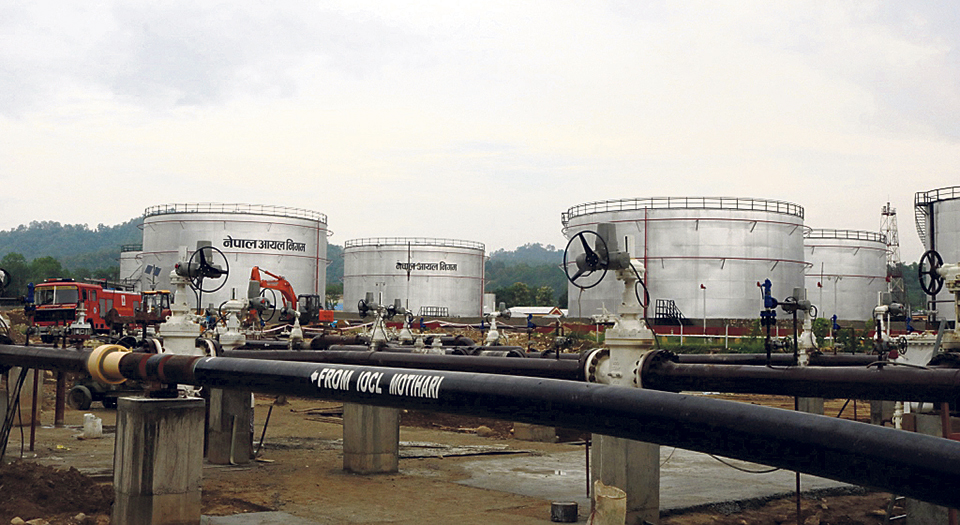
In a new press statement, the Nepal Oil Corporation (NOC) has officially announced an increase in petroleum prices effective from June 15, 2025 (Asar 1, 2082 B.S.). This decision comes in the wake of revised purchase rates of petroleum products imported from Indian Oil Corporation (IOC). The updated prices apply to both petrol and diesel/kerosene, affecting distribution centers across the country.
New Import Prices from Indian Oil Corporation
As per the latest update, Nepal is now purchasing petrol at a new rate of Rs. 117.12 per liter from IOC, up from the previous Rs. 116.10 per liter. Similarly, diesel prices have been revised from Rs. 100 to Rs. 100.70 per liter. This adjustment in the base prices prompted NOC to review and update the local selling prices accordingly.
Implementation of Price Changes
The price revision has been implemented by NOC from midnight of Asar 1, 2082 (June 15, 2025). Consumers in different regions will now pay slightly increased rates for fuel. The changes are in alignment with the government policy to adjust fuel prices based on international market fluctuations and the pricing structure from the IOC.
Updated Retail Prices for Fuel (Effective from 12:00 AM, Asar 1, 2082)
The updated prices of petrol and diesel/kerosene across various NOC depots are as follows:
Product Kathmandu, Pokhara, Dipayal, Dhangadhi, Amlekhgunj, Nepalgunj Surkhet, Dang, Charali, Janakpur Biratnagar, Birgunj Bhadrapur
Petrol Rs. 174.50 per liter Rs. 175.50 Rs. 176.00 Rs. 176.50
Diesel/ Kerosene Rs. 152.50 per liter Rs. 153.50 Rs. 154.00 Rs. 154.50
The decision aligns with Nepal Oil Corporation’s automatic pricing mechanism, which regularly adjusts prices to reflect fluctuations in international rates and transport margins.
Regional Impact
While Kathmandu Valley and surrounding regions will see petrol priced at Rs. 174.50 and diesel at Rs. 152.50 per liter, prices differ slightly in other regions due to transportation costs and depot-specific pricing structures.
In Pokhara, Dipayal, Dhangadhi, and Amlekhgunj: Fuel rates will remain similar to those in Kathmandu.
In Janakpur, Dang, and Surkhet: Petrol and diesel are Rs. 1 higher compared to Kathmandu.
In Biratnagar and Birgunj: Fuel prices are Rs. 1.50 higher than in the capital.
In Bhadrapur: Petrol is priced at Rs. 176.50 and diesel at Rs. 154.50 per liter—the highest rates among all the listed regions.
NOC’s Statement and Public Notice
Nepal Oil Corporation has reiterated its commitment to ensure a smooth supply of petroleum products across the country. It stated that the pricing changes were necessary to balance the rising costs of imports and maintain adequate stock levels.
The notice also emphasizes that the price hike has been calculated fairly, keeping in mind operational expenses and international price shifts. NOC’s pricing strategy aims to reflect real-time market conditions while minimizing the burden on consumers as much as possible.
Public Reaction and Outlook
As with any fuel price change, this announcement has led to mixed responses from the public and business sectors. While some acknowledge the global market dependencies that Nepal faces, others express concern over increased transport costs and the ripple effect on daily commodities.
In the coming months, Nepal Oil Corporation is expected to continue following the automatic pricing system. If international crude oil prices stabilize or drop, it could result in a future reduction in domestic prices as well.
Conclusion
The Nepal Oil Corporation’s decision to revise fuel prices is part of a broader strategy to maintain financial sustainability and meet the demands of a growing population. As Nepal continues to import all its petroleum needs from India, fluctuations in global oil prices will inevitably impact domestic rates.
For now, consumers are advised to stay updated with NOC’s official channels for any upcoming revisions or changes in fuel supply status.
Frequently Asked Questions (FAQ)
Q1: Why did Nepal Oil Corporation increase the fuel prices on June 15, 2025?
A: The price hike is a result of the revised import cost from Indian Oil Corporation (IOC). Petrol import cost increased to Rs. 117.12 per liter and diesel to Rs. 100.70 per liter. NOC adjusted domestic prices to reflect this change.
Q2: When did the new prices come into effect?
A: The new prices were implemented from midnight (12:00 AM) on June 15, 2025 (Asar 1, 2082 B.S.).
Q3: What are the current prices of petrol and diesel in Kathmandu?
A: As of June 15, 2025, petrol is priced at Rs. 174.50 per liter, and diesel/kerosene is priced at Rs. 152.50 per liter in Kathmandu.
Q4: Do fuel prices differ across regions in Nepal?
A: Yes, fuel prices vary slightly across different depots and regions due to transportation costs. For example, petrol costs Rs. 176.50 in Bhadrapur, while it’s Rs. 174.50 in Kathmandu.
Q5: How often does NOC revise fuel prices?
A: Nepal Oil Corporation uses an automatic pricing system, which reviews and adjusts fuel prices regularly based on changes in international market rates and import costs.
Q6: Who supplies petroleum to Nepal?
A: Nepal imports its petroleum products from Indian Oil Corporation (IOC) under a government-to-government agreement.
Q7: Will prices go down if global oil rates drop?
A: Yes, if global oil prices decline and IOC reduces the supply price, NOC is expected to reduce the domestic fuel prices accordingly through its pricing mechanism.
Q8: Where can I check the latest fuel prices in Nepal?
A: You can visit the official website of Nepal Oil Corporation (www.noc.org.np) or follow their verified social media handles for real-time price updates.