Tag: #NepalEconomy

  • इरान–इजरायल युद्धले नेपालमा पार्न सक्ने असर : वैदेशिक सहायता, रोजगारी र रेमिट्यान्स संकटमा

    इरान र इजरायलबीच जारी युद्धले विश्व राजनीतिको समीकरण हल्लाइरहेको छ। तर यसको असर केवल त्यहाँ सीमित छैन — नेपालजस्तो देशमा पनि यस युद्धको गहिरो छायाँ पर्न सक्छ। विशेषगरी वैदेशिक सहायता, वैदेशिक रोजगारी र रेमिट्यान्समा निर्भर नेपाली अर्थतन्त्रका लागि यो द्वन्द्वले गम्भीर चुनौती निम्त्याउन सक्छ।

    नेपाल भौगोलिक हिसाबले मध्यपूर्वबाट टाढा भए पनि, त्यहाँको अस्थिरता र तनावले नेपाली जनजीवनमा ठूलो प्रभाव पार्न सक्छ।

    रेमिट्यान्स र वैदेशिक सहायता : नेपालको आर्थिक मेरुदण्ड

    नेपालको आर्थिक संरचना मुख्यतः रेमिट्यान्स (वैदेशिक आय) मा आधारित छ। खाडी तथा मध्यपूर्वी मुलुकहरूमा लाखौं नेपालीहरू रोजगारमा छन्, जसले आफ्ना परिवारलाई विदेशबाट पैसा पठाउँदै आएका छन्। नेपाल राष्ट्र बैंकका अनुसार रेमिट्यान्स नेपालको कुल गार्हस्थ उत्पादन (GDP) को करिब २५% हिस्सा ओगट्छ।

    यसका साथै, नेपालले विभिन्न अन्तर्राष्ट्रिय दातृ निकाय तथा मुलुकहरूबाट शिक्षा, स्वास्थ्य, पूर्वाधार, तथा विकास योजनाहरूमा सहयोगस्वरूप ठूलो मात्रामा वैदेशिक सहायता प्राप्त गर्दै आएको छ।

    इरान–इजरायल युद्धले ल्याउने सम्भावित असरहरू

    by himalaya tv

    खाडी क्षेत्रमा रोजगारी संकट

    मध्यपूर्व विशेष गरी खाडी मुलुकहरू — साउदी अरेबिया, कतार, युएई आदि — नेपाली कामदारका लागि मुख्य गन्तव्य हुन्। तर इरान–इजरायल युद्धको असरले पुरै क्षेत्रमा अस्थिरता ल्याउने सम्भावना छ। यदि सुरक्षा जोखिम बढ्यो भने यी मुलुकहरूले वैदेशिक कामदारको संख्या घटाउन सक्छन् वा नयाँ भर्ना बन्द गर्न सक्छन्।

    युद्धका कारण इन्धनको मूल्य वृद्धि हुँदा कम्पनीहरू लागत घटाउन श्रमिक कटौती गर्न सक्छन्, जसको प्रत्यक्ष असर नेपाली कामदारहरूमा पर्छ।

    रेमिट्यान्समा गिरावट

    विदेशबाट आउने रेमिट्यान्स नेपाली परिवारहरूको दैनिकी चलाउने मुख्य आधार हो। तर यदि मध्यपूर्वमा रोजगारी संकट आयो वा बैंकिङ प्रणाली अवरुद्ध भयो भने पैसा पठाउने प्रक्रियामा ढिलाइ वा कमी आउन सक्छ।

    इरान जस्ता देशमा लगाइएको प्रतिबन्धले पनि नेपाली कामदारलाई पैसा पठाउन कठिनाइ हुन सक्छ।

    वैदेशिक सहयोगमा असर

    वैश्विक संकटका बेला विकसित मुलुकहरू आफ्नो प्राथमिकता युद्धग्रस्त क्षेत्र र आपतकालीन मानवीय सहायता तर्फ मोड्न सक्छन्। यसले नेपाललाई दिइने नियमित सहयोगमा कमी ल्याउन सक्छ।

    साथै, विकास परियोजनाका लागि आवश्यक सामग्री र प्राविधिक सहयोग आपूर्ति पनि अवरुद्ध हुन सक्छ।

    आर्थिक र सामाजिक असरहरू

    यो द्वन्द्वले केवल आर्थिक क्षेत्रमै होइन, सामाजिक रूपमा पनि असर पार्न सक्छ। यदि ठूलो संख्यामा नेपालीहरू विदेशबाट फर्किन बाध्य भए भने बेरोजगारी, सामाजिक असन्तुलन र मानसिक स्वास्थ्यका समस्या देखिन सक्छन्।

    रेमिट्यान्समा गिरावट हुँदा धेरै परिवारले खाद्यान्न, शिक्षा, स्वास्थ्य जस्ता आधारभूत आवश्यकता पुरा गर्न सक्दैनन्। यसले गरिबीको दर बढाउने जोखिम हुन्छ।

    राष्ट्रको अर्थतन्त्रमा पनि यसको प्रभाव पर्न सक्छ — विदेशी सहयोगको अभावमा पूर्वाधार र कल्याणकारी योजनाहरू प्रभावित हुन सक्छन्।

    समाधानका उपायहरू

    यस चुनौतीलाई सामना गर्न नेपालले केही रणनीतिक निर्णय लिन आवश्यक छ:

    1. रोजगारी बजारको विविधीकरण – नेपालले खाडी बाहेक जापान, कोरिया, युरोप, अमेरिका जस्ता मुलुकहरूसँग श्रम सम्झौता बढाउनुपर्छ।
    2. स्वदेशमै रोजगारी सिर्जना – कृषि, पर्यटन, साना उद्योग र सेवा क्षेत्रमा लगानी बढाएर स्वदेशमै कामको अवसर दिनुपर्छ।
    3. डिजिटल रेमिट्यान्स प्रणाली सुदृढीकरण – सुरक्षित र छरितो पैसा पठाउने प्रविधिको विकासले संकटमा समेत भरोसा कायम राख्न सकिन्छ।
    4. वैदेशिक नियोगहरूसँग समन्वय – नेपाली कामदारको सुरक्षा सुनिश्चित गर्न सरकारले सम्बन्धित देशहरूसँग कूटनीतिक पहल गर्नुपर्छ।
    5. सीप विकास – दक्ष कामदार उत्पादन गर्न तालिम तथा सीप विकास कार्यक्रम सञ्चालन गर्नुपर्छ।

    निष्कर्ष

    इरान–इजरायल युद्ध नेपालबाट हजारौं किलोमिटर टाढा भए पनि यसको छायाँ नेपाली समाज र अर्थतन्त्रमा पर्न सक्छ। रेमिट्यान्स घट्नु, वैदेशिक सहयोगमा कमी आउनु र रोजगारी संकटले देशलाई गम्भीर आर्थिक समस्यामा पार्न सक्छ।

    युद्ध सधैं केवल गोलाबारुदको मात्रै कुरा हुँदैन — कहिलेकाहीँ यसको छायाँ सुदूर हिमाली देशहरूमा पनि देखिन्छ। त्यसैले आजैबाट तयारी आवश्यक छ, ताकि नेपालको आर्थिक मेरुदण्ड मजबुत बनाउन सकियोस्।

    FAQ (Frequently Asked Questions) – बारम्बार सोधिने प्रश्नहरू

    इरान–इजरायल युद्धले नेपालमा प्रत्यक्ष असर पार्छ त?

    उत्तर: भौगोलिक हिसाबले नेपाल टाढा भए पनि, युद्धले खाडी क्षेत्र अस्थिर बनाउँदा वैदेशिक रोजगारी, रेमिट्यान्स र विदेशी सहायता घट्ने सम्भावना छ, जसले नेपाली अर्थतन्त्रमा प्रत्यक्ष असर पार्छ।


    खाडी मुलुकमा काम गरिरहेका नेपालीहरूलाई के असर पर्न सक्छ?

    उत्तर: युद्धका कारण खाडी मुलुकहरूमा रोजगारी घट्न सक्छ, तलब रोकिन सक्छ, वा काम गुमाउने अवस्था आउन सक्छ। सुरक्षा चुनौतीका कारण नयाँ कामदार भर्ना पनि रोकिँन सक्छ।


    रेमिट्यान्समा कमी आउँदा नेपाली परिवारहरूमा कस्तो प्रभाव पर्छ?

    उत्तर: रेमिट्यान्समा कमी आएमा धेरै नेपाली परिवारले आधारभूत आवश्यकता — जस्तै खाना, शिक्षा, स्वास्थ्य सेवा — पुरा गर्न कठिनाई भोग्न सक्छन्। यसले गरिबी र बेरोजगारी बढाउने सम्भावना हुन्छ।


    नेपालले यस्ता संकटको सामना कसरी गर्न सक्छ?

    उत्तर: रोजगारी बजारको विविधीकरण, स्वदेशमा रोजगारी सिर्जना, सीप विकास, डिजिटल रेमिट्यान्स प्रणाली सुधार र कूटनीतिक समन्वयमार्फत नेपालले यस्तो संकटको सामना गर्न सक्छ।


    वैदेशिक सहयोग घट्दा नेपालका विकास परियोजनामा के असर पर्छ?

    उत्तर: वैदेशिक सहायता घटेमा शिक्षा, स्वास्थ्य, पूर्वाधार लगायतका महत्वपूर्ण परियोजना प्रभावित हुन सक्छन्, जसले दीर्घकालीन विकासको गति सुस्त बनाउनेछ।
  • Nepal Oil Corporation Revises Petrol and Diesel Prices from June 15, 2025

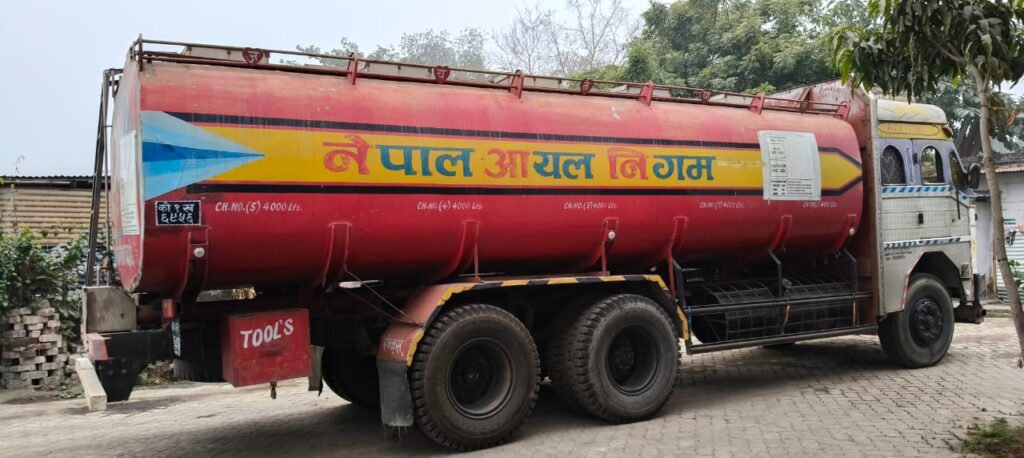
    In a new press statement, the Nepal Oil Corporation (NOC) has officially announced an increase in petroleum prices effective from June 15, 2025 (Asar 1, 2082 B.S.). This decision comes in the wake of revised purchase rates of petroleum products imported from Indian Oil Corporation (IOC). The updated prices apply to both petrol and diesel/kerosene, affecting distribution centers across the country.

    New Import Prices from Indian Oil Corporation

    As per the latest update, Nepal is now purchasing petrol at a new rate of Rs. 117.12 per liter from IOC, up from the previous Rs. 116.10 per liter. Similarly, diesel prices have been revised from Rs. 100 to Rs. 100.70 per liter. This adjustment in the base prices prompted NOC to review and update the local selling prices accordingly.

    Implementation of Price Changes

    The price revision has been implemented by NOC from midnight of Asar 1, 2082 (June 15, 2025). Consumers in different regions will now pay slightly increased rates for fuel. The changes are in alignment with the government policy to adjust fuel prices based on international market fluctuations and the pricing structure from the IOC.

    Updated Retail Prices for Fuel (Effective from 12:00 AM, Asar 1, 2082)

    The updated prices of petrol and diesel/kerosene across various NOC depots are as follows:

    Product Kathmandu, Pokhara, Dipayal, Dhangadhi, Amlekhgunj, Nepalgunj Surkhet, Dang, Charali, Janakpur Biratnagar, Birgunj Bhadrapur

    Petrol Rs. 174.50 per liter Rs. 175.50 Rs. 176.00 Rs. 176.50
    Diesel/ Kerosene Rs. 152.50 per liter Rs. 153.50 Rs. 154.00 Rs. 154.50

    The decision aligns with Nepal Oil Corporation’s automatic pricing mechanism, which regularly adjusts prices to reflect fluctuations in international rates and transport margins.

    Regional Impact

    While Kathmandu Valley and surrounding regions will see petrol priced at Rs. 174.50 and diesel at Rs. 152.50 per liter, prices differ slightly in other regions due to transportation costs and depot-specific pricing structures.

    In Pokhara, Dipayal, Dhangadhi, and Amlekhgunj: Fuel rates will remain similar to those in Kathmandu.

    In Janakpur, Dang, and Surkhet: Petrol and diesel are Rs. 1 higher compared to Kathmandu.

    In Biratnagar and Birgunj: Fuel prices are Rs. 1.50 higher than in the capital.

    In Bhadrapur: Petrol is priced at Rs. 176.50 and diesel at Rs. 154.50 per liter—the highest rates among all the listed regions.

    NOC’s Statement and Public Notice

    Nepal Oil Corporation has reiterated its commitment to ensure a smooth supply of petroleum products across the country. It stated that the pricing changes were necessary to balance the rising costs of imports and maintain adequate stock levels.

    The notice also emphasizes that the price hike has been calculated fairly, keeping in mind operational expenses and international price shifts. NOC’s pricing strategy aims to reflect real-time market conditions while minimizing the burden on consumers as much as possible.

    Public Reaction and Outlook

    As with any fuel price change, this announcement has led to mixed responses from the public and business sectors. While some acknowledge the global market dependencies that Nepal faces, others express concern over increased transport costs and the ripple effect on daily commodities.

    In the coming months, Nepal Oil Corporation is expected to continue following the automatic pricing system. If international crude oil prices stabilize or drop, it could result in a future reduction in domestic prices as well.

    Conclusion

    The Nepal Oil Corporation’s decision to revise fuel prices is part of a broader strategy to maintain financial sustainability and meet the demands of a growing population. As Nepal continues to import all its petroleum needs from India, fluctuations in global oil prices will inevitably impact domestic rates.

    For now, consumers are advised to stay updated with NOC’s official channels for any upcoming revisions or changes in fuel supply status.

    Frequently Asked Questions (FAQ)

    Q1: Why did Nepal Oil Corporation increase the fuel prices on June 15, 2025?
    A: The price hike is a result of the revised import cost from Indian Oil Corporation (IOC). Petrol import cost increased to Rs. 117.12 per liter and diesel to Rs. 100.70 per liter. NOC adjusted domestic prices to reflect this change.


    Q2: When did the new prices come into effect?
    A: The new prices were implemented from midnight (12:00 AM) on June 15, 2025 (Asar 1, 2082 B.S.).


    Q3: What are the current prices of petrol and diesel in Kathmandu?
    A: As of June 15, 2025, petrol is priced at Rs. 174.50 per liter, and diesel/kerosene is priced at Rs. 152.50 per liter in Kathmandu.


    Q4: Do fuel prices differ across regions in Nepal?
    A: Yes, fuel prices vary slightly across different depots and regions due to transportation costs. For example, petrol costs Rs. 176.50 in Bhadrapur, while it’s Rs. 174.50 in Kathmandu.


    Q5: How often does NOC revise fuel prices?
    A: Nepal Oil Corporation uses an automatic pricing system, which reviews and adjusts fuel prices regularly based on changes in international market rates and import costs.


    Q6: Who supplies petroleum to Nepal?
    A: Nepal imports its petroleum products from Indian Oil Corporation (IOC) under a government-to-government agreement.


    Q7: Will prices go down if global oil rates drop?
    A: Yes, if global oil prices decline and IOC reduces the supply price, NOC is expected to reduce the domestic fuel prices accordingly through its pricing mechanism.


    Q8: Where can I check the latest fuel prices in Nepal?
    A: You can visit the official website of Nepal Oil Corporation (www.noc.org.np) or follow their verified social media handles for real-time price updates.

  • “From Pipelines to People: The Real Impact of NOC’s Price Updates”

    Nepal Oil Corporation’s Price Fluctuations: A Reflection of Public Sentiment

    In the heart of Nepal’s economic landscape, the Nepal Oil Corporation (NOC) stands as a pivotal entity, influencing the daily lives of millions. As the sole importer and distributor of petroleum products in the country, its pricing decisions resonate deeply with the populace, affecting everything from household budgets to transportation costs.

    Recent Price Adjustments: A Year in Review

    Over the past year, NOC has made several adjustments to fuel prices, reflecting changes in international oil markets and the pricing structure of its sole supplier, the Indian Oil Corporation. Notably:

    These fluctuations underscore the volatility of global oil markets and the challenges faced by NOC in maintaining stable pricing.

    The Human Impact: Stories from the Ground

    For many Nepali citizens, these price changes are more than just numbers; they have tangible effects on daily life. A taxi driver in Kathmandu, for instance, expressed concern over the rising operational costs due to fuel price hikes, which directly impact his earnings. Similarly, a homemaker in Pokhara highlighted how increased fuel prices strain her household budget, forcing her to make difficult choices in daily expenditures.

    Infrastructure Developments: A Glimpse of Hope

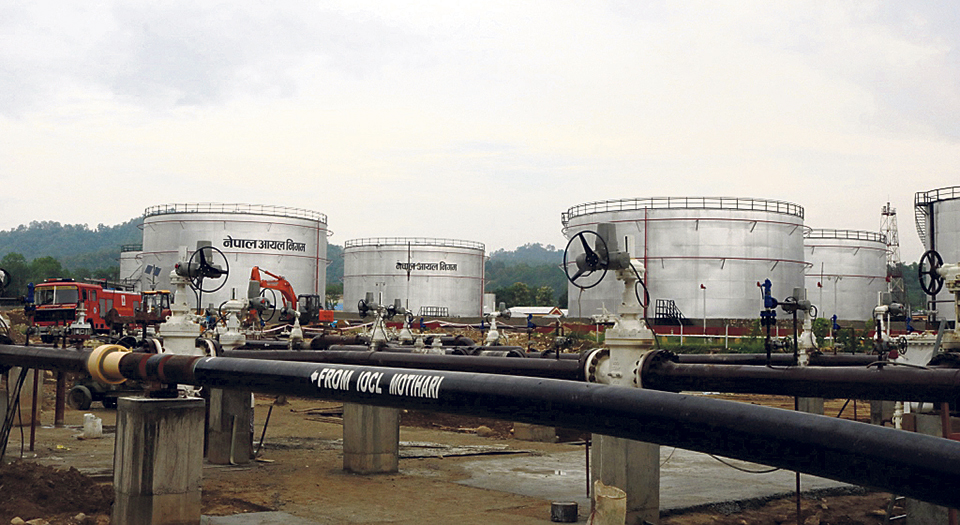
    Amidst these challenges, there have been positive strides. The Motihari-Amlekhganj pipeline, a 69-kilometer trans-border petroleum pipeline between India and Nepal, has enhanced the efficiency of fuel transportation, reducing dependency on road tankers and ensuring a more stable supply. Kathmandu Post+5Wikipedia+5Wikipedia+5

    Looking Ahead: Striving for Stability

    While NOC continues to navigate the complexities of global oil markets, there is a collective hope among Nepali citizens for more stable and predictable fuel pricing. Transparent communication, infrastructure investments, and strategic planning are essential to mitigate the impact of global price volatility on the local populace.

    In conclusion, the journey of Nepal Oil Corporation reflects the broader economic challenges and aspirations of the nation. As it endeavors to balance market dynamics with public welfare, the stories of everyday Nepalis serve as a poignant reminder of the human side of economic policies.

  • Global Petroleum Prices and Their Impact on Nepal’s Economy

    Petroleum products are the lifeblood of the global economy. From transportation to manufacturing, energy generation to agriculture—almost every sector depends heavily on crude oil and its derivatives. The fluctuation in international petroleum product prices doesn’t just affect oil-producing nations—it also has far-reaching consequences for developing countries like Nepal, which rely entirely on imports to meet their energy demands.

    Global Trends in Petroleum Prices

    International crude oil prices are influenced by a variety of factors, including:

    • OPEC+ production decisions
    • Geopolitical tensions (e.g., Russia-Ukraine conflict, Middle East instability)
    • Global economic outlook and demand
    • Natural disasters and pandemics
    • Exchange rate fluctuations

    In 2024 and into 2025, global petroleum prices have remained volatile. Events such as tensions in the Middle East, changing production quotas by OPEC+, and fluctuating demand from major economies like China and the USA continue to impact pricing.

    Why This Matters to Nepal

    Nepal is a landlocked country with no domestic oil production. It imports 100% of its petroleum products, primarily through India, and is heavily dependent on the international price of crude oil. The consequences of rising petroleum prices are particularly serious for Nepal due to:

    1. Inflationary Pressure

    Higher global oil prices lead to increased import costs, which are passed on to consumers. This contributes to a rise in the prices of goods and services, especially transportation, food, and basic commodities, fueling inflation.

    2. Rising Trade Deficit

    Since petroleum imports form a large part of Nepal’s import bill, rising prices increase the country’s trade deficit. This weakens the balance of payments and puts pressure on the foreign exchange reserves.

    3. Increased Transportation Costs

    Nepal’s rugged terrain already makes transportation expensive. With higher fuel prices, logistics and transport costs go up, making everything from vegetables to construction materials more costly.

    4. Impact on Development Projects

    Government infrastructure and development projects often rely on fuel-intensive machinery and transport. An increase in petroleum prices can lead to budget overruns and delays in project implementation.

    5. Energy Security Concerns

    With global prices rising unpredictably, Nepal faces challenges in ensuring a stable and affordable energy supply. It increases the urgency to diversify energy sources and invest more in renewable energy.

    How Can Nepal Mitigate These Effects?

    While Nepal cannot control international petroleum prices, it can take several steps to reduce its vulnerability:

    • Diversify energy sources: Invest in hydropower, solar, and bioenergy to reduce dependency on imported petroleum.
    • Improve public transportation: Better infrastructure and affordable public transport can reduce individual fuel consumption.
    • Promote fuel efficiency: Encourage fuel-efficient vehicles and practices across industries.
    • Strategic petroleum reserves: Maintain buffer stocks to manage short-term price shocks.

    Conclusion

    International petroleum product prices will continue to remain unpredictable due to global dynamics. For a country like Nepal, the impact is profound—affecting everything from inflation and trade balances to daily life. Addressing these challenges requires long-term planning, strategic investment in alternative energy, and regional cooperation.