Tag: #GlobalFuelPrices

  • “From Pipelines to People: The Real Impact of NOC’s Price Updates”

    Nepal Oil Corporation’s Price Fluctuations: A Reflection of Public Sentiment

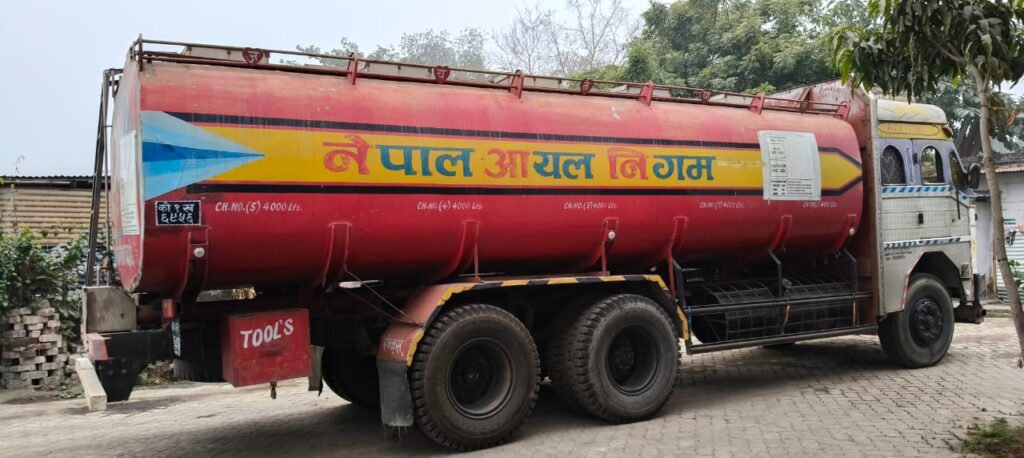
    In the heart of Nepal’s economic landscape, the Nepal Oil Corporation (NOC) stands as a pivotal entity, influencing the daily lives of millions. As the sole importer and distributor of petroleum products in the country, its pricing decisions resonate deeply with the populace, affecting everything from household budgets to transportation costs.

    Recent Price Adjustments: A Year in Review

    Over the past year, NOC has made several adjustments to fuel prices, reflecting changes in international oil markets and the pricing structure of its sole supplier, the Indian Oil Corporation. Notably:

    These fluctuations underscore the volatility of global oil markets and the challenges faced by NOC in maintaining stable pricing.

    The Human Impact: Stories from the Ground

    For many Nepali citizens, these price changes are more than just numbers; they have tangible effects on daily life. A taxi driver in Kathmandu, for instance, expressed concern over the rising operational costs due to fuel price hikes, which directly impact his earnings. Similarly, a homemaker in Pokhara highlighted how increased fuel prices strain her household budget, forcing her to make difficult choices in daily expenditures.

    Infrastructure Developments: A Glimpse of Hope

    Amidst these challenges, there have been positive strides. The Motihari-Amlekhganj pipeline, a 69-kilometer trans-border petroleum pipeline between India and Nepal, has enhanced the efficiency of fuel transportation, reducing dependency on road tankers and ensuring a more stable supply. Kathmandu Post+5Wikipedia+5Wikipedia+5

    Looking Ahead: Striving for Stability

    While NOC continues to navigate the complexities of global oil markets, there is a collective hope among Nepali citizens for more stable and predictable fuel pricing. Transparent communication, infrastructure investments, and strategic planning are essential to mitigate the impact of global price volatility on the local populace.

    In conclusion, the journey of Nepal Oil Corporation reflects the broader economic challenges and aspirations of the nation. As it endeavors to balance market dynamics with public welfare, the stories of everyday Nepalis serve as a poignant reminder of the human side of economic policies.
  • Global Petroleum Prices and Their Impact on Nepal’s Economy

    Petroleum products are the lifeblood of the global economy. From transportation to manufacturing, energy generation to agriculture—almost every sector depends heavily on crude oil and its derivatives. The fluctuation in international petroleum product prices doesn’t just affect oil-producing nations—it also has far-reaching consequences for developing countries like Nepal, which rely entirely on imports to meet their energy demands.

    Global Trends in Petroleum Prices

    International crude oil prices are influenced by a variety of factors, including:

    • OPEC+ production decisions
    • Geopolitical tensions (e.g., Russia-Ukraine conflict, Middle East instability)
    • Global economic outlook and demand
    • Natural disasters and pandemics
    • Exchange rate fluctuations

    In 2024 and into 2025, global petroleum prices have remained volatile. Events such as tensions in the Middle East, changing production quotas by OPEC+, and fluctuating demand from major economies like China and the USA continue to impact pricing.

    Why This Matters to Nepal

    Nepal is a landlocked country with no domestic oil production. It imports 100% of its petroleum products, primarily through India, and is heavily dependent on the international price of crude oil. The consequences of rising petroleum prices are particularly serious for Nepal due to:

    1. Inflationary Pressure

    Higher global oil prices lead to increased import costs, which are passed on to consumers. This contributes to a rise in the prices of goods and services, especially transportation, food, and basic commodities, fueling inflation.

    2. Rising Trade Deficit

    Since petroleum imports form a large part of Nepal’s import bill, rising prices increase the country’s trade deficit. This weakens the balance of payments and puts pressure on the foreign exchange reserves.

    3. Increased Transportation Costs

    Nepal’s rugged terrain already makes transportation expensive. With higher fuel prices, logistics and transport costs go up, making everything from vegetables to construction materials more costly.

    4. Impact on Development Projects

    Government infrastructure and development projects often rely on fuel-intensive machinery and transport. An increase in petroleum prices can lead to budget overruns and delays in project implementation.

    5. Energy Security Concerns

    With global prices rising unpredictably, Nepal faces challenges in ensuring a stable and affordable energy supply. It increases the urgency to diversify energy sources and invest more in renewable energy.

    How Can Nepal Mitigate These Effects?

    While Nepal cannot control international petroleum prices, it can take several steps to reduce its vulnerability:

    • Diversify energy sources: Invest in hydropower, solar, and bioenergy to reduce dependency on imported petroleum.
    • Improve public transportation: Better infrastructure and affordable public transport can reduce individual fuel consumption.
    • Promote fuel efficiency: Encourage fuel-efficient vehicles and practices across industries.
    • Strategic petroleum reserves: Maintain buffer stocks to manage short-term price shocks.

    Conclusion

    International petroleum product prices will continue to remain unpredictable due to global dynamics. For a country like Nepal, the impact is profound—affecting everything from inflation and trade balances to daily life. Addressing these challenges requires long-term planning, strategic investment in alternative energy, and regional cooperation.