Tag: #creudeoil

  • “U.S. Crude Oil Production Hits Record High—But Who’s Buying?”

    Record U.S. Oil Production in March 2025—But Demand Is Telling a Different Story

    The U.S. oil industry just hit a new milestone. According to freshly released data from the Energy Information Administration (EIA), U.S. crude oil production reached an all-time high of 13.488 million barrels per day in March 2025. This breaks the previous record set in October 2024 and reflects steady momentum from major oil-producing regions like the Permian Basin and the Gulf Coast.

    But while the supply side is booming, the demand side is showing clear signs of softening—a concerning signal for energy markets heading into the summer.


    Supply Strength: U.S. Production Hits New High

    In just one month, U.S. crude output rose from 13.153 million barrels per day in February to 13.488 million in March—a sign of resilience and efficiency among producers, even as drilling activity slows nationwide. This increase underscores how key players in the Permian and Gulf Coast regions are continuing to pump at near-maximum capacity.


    Demand Weakens: Lowest Petroleum Consumption in a Year

    While supply surges, demand is faltering. Total petroleum products supplied—a broad gauge of domestic oil consumption—fell to 19.95 million barrels per day in March, the lowest level in over a year. That’s down from 20.225 million bpd in February and continues a trend of monthly declines since January.

    This drop in demand is raising red flags, especially for refiners and exporters who typically rely on a seasonal consumption boost during the summer driving season. Rising inventories add another layer of concern, indicating a potential oversupply in the coming months.


    Imports and Drilling Activity Tell a Mixed Story

    Crude oil imports in March totaled 178.4 million barrels, slightly higher than February due to the extra day in the month. However, on a daily average basis, imports were lower. Meanwhile, imports of finished products like gasoline blending components and jet fuel hit 17.8 million barrels, further emphasizing the U.S. reliance on refined fuels even amid record domestic output.

    Drilling activity continues to decline. In May, the U.S. rig count fell for the fifth consecutive week, dropping to just 563 active rigs, the lowest since late 2021. The number of oil-directed rigs fell to 461, with significant reductions in both New Mexico and the Permian. The message from producers is clear: capital discipline and shareholder returns remain top priorities.


    The Big Picture: More Oil, Less Drilling, Weaker Demand

    This current energy landscape presents a striking paradox: The United States is producing more oil than ever while operating fewer rigs and facing softening domestic demand. As we head into the high-demand summer season, the imbalance between strong supply and shrinking consumption could significantly impact pricing, exports, and refinery margins.


    Final Thoughts: A Summer of Uncertainty for Oil Markets

    The U.S. oil industry is entering summer 2025 with record-breaking production but growing uncertainty. If demand doesn’t pick up and inventories continue to build, producers may be forced to rethink their strategies. With global economic signals mixed and domestic consumption faltering, the coming months will test the market’s ability to adapt.

    Stay tuned as we continue to monitor key trends shaping the future of oil production, demand, and energy policy in the U.S.
  • Fuel Prices in Nepal Revised from Jestha 17, 2082 (May 31, 2025)

    Latest Update by Nepal Oil Corporation (NOC)

    Nepal Oil Corporation (NOC) has introduced new fuel prices starting Jestha 17, 2082 (May 31, 2025), following the updated purchase rates received from Indian Oil Corporation Limited (IOCL).

    🔄 New Purchase Rates from IOCL

    According to the latest import details received on Jestha 17, the new buying price of petrol is NPR 121.91 per liter and diesel is NPR 110.96 per liter. These reduced rates have allowed NOC to lower the retail prices for consumers across Nepal.

    Based on the international market update dated June 1, 2025, the international rate for petrol (delivered to Kathmandu) now stands at NPR 210 per liter, while diesel is priced at NPR 192 per liter—both down by NPR 2. As a result, NOC has made changes to bring selling prices closer to the break-even point.

    The prices of aviation fuel and LPG for international airlines have also been revised accordingly.


    🛢️ Revised Retail Fuel Prices in Nepal (Effective from 12:01 AM, Jestha 18, 2082)

    S.N.Fuel TypePrevious Price (NPR/Ltr)New Price (NPR/Ltr)Difference
    1PetrolNPR 174.00NPR 172.00– NPR 2.00
    2Diesel/KeroseneNPR 163.00NPR 161.00– NPR 2.00
    3Aviation Fuel (Domestic)NPR 151.00NPR 151.00No Change
    4Aviation Fuel (International)USD 0.95USD 0.93– USD 0.02

    📍 Region-wise Distribution

    Category 1 Locations: Kathmandu, Pokhara, Dipayal
    Category 2 Locations: Biratnagar, Janakpur, Amlekhgunj, Bhairahawa, Nepalgunj, Dhangadhi, Surkhet, and others.

    Retail prices slightly vary between locations based on transport and logistics costs.


    📌 Summary

    Nepal Oil Corporation’s latest fuel price adjustment reflects international price changes and aims to provide fair and transparent rates to Nepali consumers. With petrol and diesel prices dropping by NPR 2 per liter, this update brings some relief to households and businesses alike.

    Stay tuned to official NOC channels for future updates and pricing information.

  • “From Pipelines to People: The Real Impact of NOC’s Price Updates”

    Nepal Oil Corporation’s Price Fluctuations: A Reflection of Public Sentiment

    In the heart of Nepal’s economic landscape, the Nepal Oil Corporation (NOC) stands as a pivotal entity, influencing the daily lives of millions. As the sole importer and distributor of petroleum products in the country, its pricing decisions resonate deeply with the populace, affecting everything from household budgets to transportation costs.

    Recent Price Adjustments: A Year in Review

    Over the past year, NOC has made several adjustments to fuel prices, reflecting changes in international oil markets and the pricing structure of its sole supplier, the Indian Oil Corporation. Notably:

    These fluctuations underscore the volatility of global oil markets and the challenges faced by NOC in maintaining stable pricing.

    The Human Impact: Stories from the Ground

    For many Nepali citizens, these price changes are more than just numbers; they have tangible effects on daily life. A taxi driver in Kathmandu, for instance, expressed concern over the rising operational costs due to fuel price hikes, which directly impact his earnings. Similarly, a homemaker in Pokhara highlighted how increased fuel prices strain her household budget, forcing her to make difficult choices in daily expenditures.

    Infrastructure Developments: A Glimpse of Hope

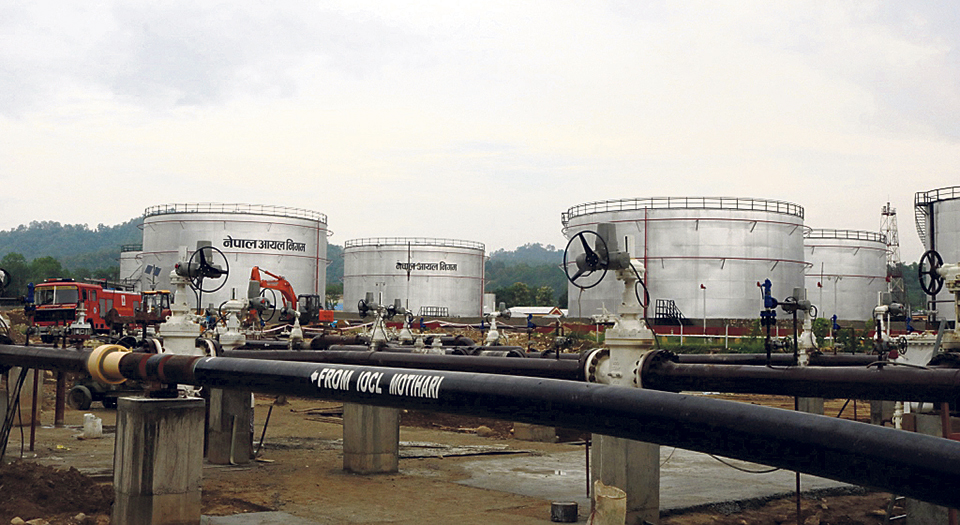
    Amidst these challenges, there have been positive strides. The Motihari-Amlekhganj pipeline, a 69-kilometer trans-border petroleum pipeline between India and Nepal, has enhanced the efficiency of fuel transportation, reducing dependency on road tankers and ensuring a more stable supply. Kathmandu Post+5Wikipedia+5Wikipedia+5

    Looking Ahead: Striving for Stability

    While NOC continues to navigate the complexities of global oil markets, there is a collective hope among Nepali citizens for more stable and predictable fuel pricing. Transparent communication, infrastructure investments, and strategic planning are essential to mitigate the impact of global price volatility on the local populace.

    In conclusion, the journey of Nepal Oil Corporation reflects the broader economic challenges and aspirations of the nation. As it endeavors to balance market dynamics with public welfare, the stories of everyday Nepalis serve as a poignant reminder of the human side of economic policies.

  • BYD Electric Vehicles: Price Overview in USD and NPR

    Electric vehicles (EVs) are transforming the way we think about mobility, and BYD (Build Your Dreams) is at the forefront of this revolution. As one of the world’s leading EV manufacturers, BYD offers a diverse lineup of electric cars designed for performance, safety, and sustainability. If you’re curious about their popular models, pricing, and what makes them stand out, this guide is for you.


    Who is BYD?

    BYD, founded in 1995 in Shenzhen, China, started as a battery maker and quickly grew into one of the largest electric vehicle manufacturers globally. Known for its advanced battery technology, particularly the innovative Blade Battery, BYD designs and produces everything from compact hatchbacks to luxury SUVs, electric buses, and commercial vehicles.


    BYD’s Popular EV Models & Prices (2025)

    Here’s a look at some of BYD’s top electric vehicles, their approximate price ranges in US dollars (USD) and Nepalese rupees (NPR), along with their key features and specifications.

    1. BYD Atto 3 (Also called Yuan Plus)

    • Price in USD: $16,000 – $20,000
    • Price in NPR: Approximately NPR 2,030,000 – 2,540,000
    • Type: Compact Electric SUV
    • Range: Around 420-480 km (depending on variant)
    • Battery: 60.5 kWh Blade Battery
    • Charging: Fast charging from 30% to 80% in under 30 minutes
    • Features: Rotating touchscreen infotainment, advanced driver-assistance systems (ADAS), spacious cabin

    Pros:

    • Excellent range for its price
    • Modern design with advanced tech
    • Comfortable interior space

    Cons:

    • Limited availability in some markets
    • Rear visibility could be better

    2. BYD Seal

    • Price in USD: $25,000 – $30,000
    • Price in NPR: Approximately NPR 3,175,000 – 3,810,000
    • Type: Electric Sedan
    • Range: Up to 700 km (CLTC cycle)
    • Battery: Blade Battery with advanced thermal management
    • Performance: Up to 530 hp with dual motor AWD variant
    • Features: High-performance, DiSus-C intelligent damping, premium interior

    Pros:

    • Impressive range and acceleration
    • Competitive pricing vs. rivals like Tesla Model 3
    • Premium look and feel

    Cons:

    • May be priced higher after taxes in some regions
    • Availability outside China is still growing

    3. BYD Dolphin

    • Price in USD: $14,000 – $16,000
    • Price in NPR: Approximately NPR 1,780,000 – 2,030,000
    • Type: Compact Electric Hatchback
    • Range: Around 400 km
    • Battery: Blade Battery (smaller pack)
    • Features: Urban-friendly size, bright color options, efficient motor

    Pros:

    • Affordable entry into EV ownership
    • Great for city driving and short trips
    • Stylish and compact design

    Cons:

    • Smaller battery means shorter highway range
    • Limited luxury features

    4. BYD Yangwang U8

    • Price in USD: Around $150,000
    • Price in NPR: Approximately NPR 19,050,000
    • Type: Luxury Off-Road Electric SUV
    • Performance: Quad-motor AWD with advanced torque vectoring
    • Features: Unique off-road capabilities (360-degree tank turns), luxury interiors, advanced electronics

    Pros:

    • Extreme performance and off-road ability
    • High-end luxury and tech
    • Unique design and features

    Cons:

    • Very high price, accessible to only a niche market
    • Limited availability outside China

    Why Choose BYD EVs?

    Advanced Battery Technology

    BYD’s proprietary Blade Battery is a standout feature. It’s a lithium iron phosphate battery designed for safety, durability, and efficiency. The blade design enhances thermal stability, reducing fire risks, and extends battery lifespan — a crucial factor for electric vehicles.

    Vertical Integration

    BYD controls its entire supply chain — from battery manufacturing to motor production and software development. This vertical integration allows better quality control, cost management, and faster innovation compared to competitors relying on external suppliers.

    Sustainability Commitment

    BYD is committed to environmental responsibility, not only by manufacturing EVs but also by promoting renewable energy solutions such as solar power and energy storage systems. Their vehicles contribute significantly to reducing greenhouse gas emissions globally.


    Common Pros & Cons of BYD Electric Vehicles

    Pros:

    • Competitive pricing with good value for money
    • Strong focus on battery safety and longevity
    • Wide model range from budget to luxury EVs
    • Growing international presence
    • Environmentally friendly manufacturing practices

    Cons:

    • Brand recognition outside Asia is still developing
    • Some models have limited availability in Western markets
    • Charging infrastructure varies by region

    Conclusion

    BYD is rapidly establishing itself as a global EV powerhouse by combining innovative technology, attractive pricing, and a strong sustainability ethos. Whether you’re looking for an affordable city car like the Dolphin, a versatile SUV like the Atto 3, or a high-performance sedan like the Seal, BYD offers something for every type of driver.

    For Nepalese buyers, while pricing may be influenced by import duties, BYD’s competitive pricing and expanding international footprint make it an exciting option as the country moves toward greener transportation solutions.

  • Hyundai Ioniq 5 Electric Vehicle: A Bold Step into the Future of Mobility

    Introduction

    The electric vehicle (EV) revolution is in full swing, and one of the most compelling entries in this new wave of innovation is the Hyundai Ioniq 5. […]

    Striking Design that Breaks the Mold

    One of the first things you’ll notice about the Hyundai Ioniq 5 is its unique, retro-futuristic design. […]

    Image Suggestion: Ioniq 5 side profile
    Alt Text: Side view of Hyundai Ioniq 5 showcasing its futuristic design

    Spacious and Tech-Savvy Interior

    Step inside the Ioniq 5, and you’ll find a modern, airy cabin designed for comfort and flexibility. […]

    Bullet List Suggestion:

    Dual 12.3-inch displays

    Augmented Reality Head-Up Display

    Eco-friendly interior materials

    Vehicle-to-Load (V2L) power supply

    Image Suggestion: Ioniq 5 interior dashboard
    Alt Text: Interior of Hyundai Ioniq 5 with digital displays

    Performance and Driving Experience

    The Ioniq 5 isn’t just about style and comfort — it’s also a thrill to drive. […]

    Highlight Block:
    0–100 km/h in just 5.2 seconds (AWD variant)

    Charging and Range

    The Ioniq 5 uses Hyundai’s E-GMP platform and supports ultra-fast charging. […]

    Key Specs Table (use WordPress Table Block):

    Safety and Driver Assistance Features

    Hyundai has equipped the Ioniq 5 with top-tier safety and driver-assist features. […]

    Bulleted List Suggestion:

    Highway Driving Assist 2

    Forward Collision-Avoidance Assist

    Blind Spot View Monitor

    Remote Smart Parking Assist

    Environmental Impact and Sustainability

    Hyundai has also made a strong push toward sustainability with the Ioniq 5. […]

    Pricing and Availability

    The Ioniq 5 is competitively priced in the mid-range EV market. […]

    Conclusion: Why Choose the Hyundai Ioniq 5?

    With its combination of futuristic design, powerful performance, and green technology, the Ioniq 5 is redefining what we expect from electric cars. […]

  • “Nepal Oil Corporation: Recent Developments and Price Updates”

    As of today, February 13, 2025, there are no new updates regarding the Nepal Oil Corporation (NOC). The latest significant development took place on October 3, 2024, when NOC signed an agreement with the Indian Oil Corporation to construct two new pipeline projects. One pipeline, stretching 50 kilometers, will connect Siliguri in India to Jhapa in Nepal, while the other will extend 62 kilometers from Amlekhgunj to Lothar in Chitwan. This initiative aims to improve energy security and streamline petroleum supply, especially in Nepal’s hilly regions.

    Additionally, on October 31, 2024, NOC announced a reduction in diesel and kerosene prices by Re1 per liter, setting the new price at Rs150 per liter in Kathmandu, Pokhara, and Dipayal. However, the prices of petrol, liquefied petroleum gas (LPG), and aviation fuel remained unchanged.

    Currently, there have been no further announcements or updates from NOC.

  • Petrol Prices in Biratnagar: Latest Updates and Key Factors Impacting Costs

    Petrol is an essential fuel for Nepal’s transportation sector, powering vehicles across the country. The Nepal Oil Corporation (NOC) manages petrol prices, adjusting them based on global market trends and supply rates from the Indian Oil Corporation, Nepal’s primary fuel supplier.

    Current Petrol Prices in Biratnagar

    As of February 10, 2025, the price of petrol in Nepal is NPR 175.00 per liter. However, rates may differ slightly in Biratnagar due to transportation and distribution costs. For the most accurate pricing, checking with local fuel stations or the official NOC website is recommended.

    Recent Price Revisions

    In January 2025, NOC raised petrol prices by NPR 2 per liter, setting the rate at NPR 173 per liter in Kathmandu. Petrol prices in Nepal frequently fluctuate due to various external factors, including global oil market trends.

    Key Factors Influencing Petrol Prices in Nepal

    Several critical elements impact petrol pricing:

    1. Global Crude Oil Prices: The cost of crude oil in the international market directly affects petrol prices in Nepal.
    2. Exchange Rate Fluctuations: The value of the Nepalese Rupee against the US Dollar influences fuel import costs.
    3. Transportation and Logistics Expenses: The cost of transporting fuel from depots to different regions, including Biratnagar, affects the final retail price.
    4. Government Taxes and Policies: Duties, taxes, and subsidies set by the government significantly impact fuel prices.

    Conclusion

    Petrol continues to be a crucial resource in Nepal, especially in cities like Biratnagar. Staying updated with the latest price changes through official sources helps individuals and businesses manage fuel expenses effectively.

  • Diesel Prices in Biratnagar: Current Rates and Key Influencing Factors

    Diesel fuel plays a vital role in Nepal’s transportation, agriculture, and industrial sectors. The Nepal Oil Corporation (NOC) regulates diesel prices, adjusting them based on international market trends and supply rates from the Indian Oil Corporation.

    Current Diesel Prices in Biratnagar

    As of February 10, 2025, the diesel price in Nepal stands at NPR 160.00 per liter. However, prices may vary slightly across different regions due to transportation costs and local distribution factors. For the latest rates in Biratnagar, checking with local fuel stations or the official NOC website is recommended.

    Recent Price Changes

    In January 2025, NOC raised diesel prices by NPR 3 per liter, setting the rate at NPR 156 per liter in Kathmandu. Fuel prices in Nepal fluctuate based on global oil prices, exchange rates, and supply costs.

    Factors Affecting Diesel Prices in Nepal

    Several key factors influence the cost of diesel:

    1. Global Oil Prices: Changes in international crude oil prices directly impact diesel rates in Nepal.
    2. Exchange Rate Fluctuations: The value of the Nepalese Rupee against the US Dollar affects fuel import costs.
    3. Transportation and Distribution Costs: Expenses related to moving fuel from depots to various regions, including Biratnagar, play a role in price determination.
    4. Government Taxes and Policies: Taxes and potential subsidies imposed by the government can significantly influence fuel prices.

    Conclusion

    Diesel remains an essential energy source in Nepal, particularly in cities like Biratnagar. Staying updated with price changes through official sources helps businesses and individuals manage their fuel expenses effectively.

  • Digitization disrupts Nepal’s handmade paper industry.

    The Impact of Digitization on Nepal’s Handmade Paper Industry

    Hari Kumar Magar, a handmade paper entrepreneur from Banepa Municipality, had to shut down his business due to declining demand. His factory has remained closed for over a year and a half, reflecting the broader challenges facing Nepal’s handmade paper industry.

    Traditionally used by government offices for record-keeping, handmade paper is struggling to survive amid the rise of digital documentation. Many small paper factories in Kavrepalanchok, once thriving with significant investments, have now shut down.

    Originally from Sindhuli, Magar established Kanchan Nepali Paper Factory 14 years ago, aiming to create a successful business. However, with demand dropping, covering production costs—including taxes, rent, and salaries—became unfeasible.

    “Even after the pandemic, when other businesses started recovering, the handmade paper industry couldn’t bounce back. Eventually, I had no choice but to close down,” Magar said. He had invested Rs2.5 million in his factory but suffered losses amounting to Rs1.5 million.

    Purushottam Painju, owner of Friendship Paper Industry in Khopasi, Panauti, has been in the business for two decades. Despite early success, his enterprise now faces similar struggles.

    “Dealers in Kathmandu say foreign demand has dropped, and orders have declined,” Painju said. His factory’s production has reduced from 600 kori (one kori equals 20 sheets) to 500, with 200 kori remaining unsold due to low demand.

    Lokta paper is known for its durability and resistance to insects and mildew. According to the UN’s Food and Agriculture Organization (FAO), the government primarily used it for official record-keeping.

    Handmade paper production in Nepal dates back to at least the 12th century, particularly in rural hill districts. Baglung was historically known for producing high-quality paper.

    However, by the 1930s, production declined due to imports from Tibet. By the 1960s, competition from machine-made Indian paper further weakened the industry, leaving only a few families in Baglung and Parbat with knowledge of traditional paper-making techniques.

    The industry saw a revival in the 1970s, fueled by growing tourism. By the decade’s end, new markets emerged, and international organizations like UNICEF and the Asian Development Bank (ADB) initiated projects to support lokta paper production, including the establishment of Bhaktapur Craft Printers in the Kathmandu Valley.

    Significant industrial developments took place in 1985, when the introduction of Japanese technologies improved efficiency while retaining traditional craftsmanship. Japan has a longstanding tradition of making handmade paper from daphne tree bark fibers, and when this method was introduced in Nepal, sustainability became a key focus, including the recycling of lokta paper scraps.

    The Japan International Cooperation Agency (JICA) collaborated with the Nepalese government to train local entrepreneurs in Japanese techniques. Around the same time, General Paper Industries became Nepal’s first major private handmade paper company, pioneering these advancements.

    According to Mahaguthi Craft with Conscience, a Fair Trade Organization that markets Nepali crafts, handmade paper is produced from the bark of Daphne cannabina and Daphne papyracea (lokta), found at altitudes of 2,000–2,700 meters. The raw material is sourced from several hill districts, including Dolakha.

    Harvested every two to three years, the bark is cleaned, boiled, beaten into pulp, and dried in wooden frames under the sun to create sheets.

    Tibetan monks have historically used this paper for manuscripts and sacred texts. However, with the rise of digitization, government orders have declined significantly, dealing a major blow to the industry.

    Additionally, sourcing raw materials from Dolakha remains expensive due to high processing and labor costs. As a result, a large portion of the handmade paper produced never reaches the market, pushing businesses closer to closure.

    Painju, like other producers, is uncertain about the future. He plans to scale down production in response to market demand but is unsure how long he can sustain operations.

    While the exact number of Nepali handmade paper enterprises in Kavrepalanchok is unknown, the Office of Commerce and Industry records indicate that only three companies are formally registered.

    Ganesh Kagaj Udyog, established in 2000, has not renewed its registration, while Ugratara Hadkeshwar Nepali Kagaj Udyog (2004) and Nepal Kagaj Udyog (2006) are no longer in contact with authorities.

    “Many enterprises operated without registration, but even the officially registered ones are now on the verge of closure,” said Sitaram Pokharel, chief of the office.

    Despite the versatility of Nepali handmade paper, its higher production cost compared to regular paper and the widespread shift to digital documentation have shrunk its market.

    Data from the Inland Revenue Office in Kavrepalanchok shows that five Nepali paper enterprises are registered, though not all remain active.

    According to the Department of Customs, Nepal exported handmade paper worth Rs335.67 million in the first six months of the current fiscal year. Major export destinations include Australia, China, France, Germany, the UAE, the UK, the US, and Japan. The paper is primarily used for greeting cards, stationery sets, notebooks, gift-wrapping paper, bags, envelopes, and photo frames.

    While Nepali handmade paper remains an important part of the country’s cultural heritage, its future is uncertain as digital alternatives continue to replace traditional documentation methods.

  • The second phase of the Motihari-Amlekhgunj Petroleum Pipeline project is advancing, with 40% of the work completed.

    NOC

    The second phase of the Motihari-Amlekhgunj Petroleum Pipeline project is progressing well, with around 40 percent of the work completed, according to Binit Mani Upadhyay, head of the Madhesh Regional Office of NOC, Amlekhganj Bara.

    As part of this phase, the Indian Oil Corporation (IOC) is building two petrol tanks with a capacity of 4,000 kiloliters each, along with two transmix tanks of 250 kiloliters each. Additionally, 24 fully automated loading stations for petrol transportation, pump houses, refillers, and laboratories are being developed at the Amlekhgunj depot in Bara, Upadhyaya stated.

    He also highlighted advancements in upgrading the fire-fighting system, implementing the OWS system for oil-water separation, and constructing the PMCC room. The NOC Madhesh Regional Office has assigned Likhita Infrastructure Pvt Ltd to complete the infrastructure by the end of 2023. Funding for one petrol tank will come from the NOC, while the IOC will finance the other.