SRL

  • Why Are Gas Prices Rising in 2025—and Will They Go Higher?

    If you’ve recently filled up your gas tank and noticed a sharp uptick in prices, you’re not imagining things. Gas prices are rising again, and there are several factors at play. From geopolitical conflicts to seasonal market shifts, a variety of forces are combining to drive fuel costs higher. Let’s explore what’s causing the increase—and whether we should expect prices to keep climbing.


    1. Middle East Tensions Spark Market Fears

    One of the biggest reasons gas prices have spiked recently is the rising tension between Israel and Iran. After Israel launched strikes on Iranian military and nuclear facilities, Iran responded with missile threats, sending shockwaves through global oil markets. Oil traders worry that continued conflict could disrupt oil shipments through the Strait of Hormuz—a key route that moves nearly 20% of the world’s oil supply.

    This uncertainty caused Brent crude oil prices to jump by $10 per barrel, pushing up gas prices globally. In the U.S., even a $10 jump in oil often results in a 20–30 cent increase per gallon at the pump.


    2. Seasonal Shift to Summer Fuel Formulas

    Another factor driving prices up is the annual switch from winter-blend gasoline to summer-blend fuel. Summer fuel is designed to reduce smog and evaporative emissions in hotter weather, but it’s more expensive to refine. This seasonal change typically increases prices by 5–10 cents per gallon each year, even if oil prices stay the same.


    3. Travel Demand and Market Recovery

    As summer kicks off, more Americans hit the road for vacations, family visits, and weekend getaways. This seasonal demand for fuel naturally pushes prices higher. While earlier in the year fuel demand was relatively low, recent travel activity has picked up—contributing to a sudden surge in gasoline prices across the U.S.


    4. Inflation and Supply Chain Costs

    Don’t forget that inflation is still making everything more expensive—including gas. Oil makes up the bulk of what you pay at the pump, but costs like refining, transportation, and retail markup also rise when inflation is high. Even as inflation cools in some sectors, fuel costs remain sticky due to global uncertainty and increased demand.


    What to Expect in the Coming Weeks and Months

    🔍 Short-Term Forecast

    In the short term, gas prices will likely stay high—or even go higher. As long as the Israel-Iran conflict simmers and oil traders remain nervous, we can expect crude prices to stay elevated. If there’s any serious disruption in oil shipping routes, prices could spike even more.

    🔮 Medium-Term Outlook

    Here’s what could influence gas prices over the next few months:

    Key FactorCould Increase PricesCould Lower Prices
    Middle East ConflictWar spreads or affects oil routesDe-escalation, peace talks
    OPEC+ PoliciesCut productionIncrease output
    Seasonal TravelPeak summer drivingFall travel slowdown
    InflationHigher production costsFed rate cuts, cooling inflation

    If tensions in the Middle East worsen, gas prices could go well beyond $4 per gallon. But if the situation stabilizes and oil production ramps up, we might see relief by late summer or early fall.


    🛣️ Long-Term Perspective

    Looking ahead, gas prices are expected to remain volatile. Even though electric vehicles and renewable energy are growing, the world still relies heavily on oil. As long as that’s true, global events and supply chain issues will continue to influence what we pay at the pump.


    How Drivers Can Cope

    1. Track Prices: Use gas apps like GasBuddy to find the lowest prices near you.
    2. Drive Smarter: Combine errands, avoid idling, and keep your tires properly inflated.
    3. Consider Carpooling or Public Transit: Share the cost or skip the drive.
    4. Stay Informed: Keep an eye on global events and market trends—they impact local prices more than most realize.

    Final Thoughts

    Gas prices are climbing due to a mix of global conflict, summer travel demand, and inflationary pressures. While it’s tough to predict exactly how high they’ll go, many experts warn that prices could continue to rise in the short term—especially if tensions in the Middle East continue to escalate.

    The best thing drivers can do is stay informed, plan ahead, and take steps to use fuel efficiently. Whether prices fall or keep climbing, being proactive can help you save money and stay ahead of the curve.

    Frequently Asked Questions About Rising Gas Prices in 2025

    Background Information:
    In 2025, gas prices are experiencing notable increases due to a combination of factors, including global supply chain disruptions, geopolitical tensions, production decisions by OPEC, and shifts in consumer demand. Understanding the reasons behind these fluctuations can help consumers anticipate future trends and make informed decisions regarding their fuel usage and budget.


    1. Why are gas prices rising in 2025?
    Gas prices are rising in 2025 primarily due to increased global demand post-pandemic, combined with supply chain disruptions and geopolitical tensions in oil-producing regions. Additionally, production cuts by OPEC and other oil-producing countries have limited the supply of crude oil, driving prices higher at the pump.


    2. Are there any specific events contributing to the rise in gas prices?
    Yes, several specific events are contributing to rising gas prices in 2025. These include ongoing conflicts in key oil-producing regions, economic sanctions affecting oil exports, and unexpected natural disasters impacting refining capacity. Furthermore, the transition to renewable energy sources has also created uncertainties in the fossil fuel market, affecting supply.


    3. Will gas prices go higher in 2025?
    While it’s difficult to predict with certainty, many analysts suggest that gas prices may continue to rise in 2025 due to ongoing geopolitical tensions, potential supply chain issues, and seasonal demand increases. However, market factors such as increased investments in renewable energy, advancements in extraction technology, and changes in consumer behavior could also stabilize or lower prices in the long term.


    4. How can consumers cope with rising gas prices?
    Consumers can cope with rising gas prices by adopting fuel-efficient driving habits, using public transportation, carpooling, or considering electric or hybrid vehicles. Additionally, shopping for the best gas prices through apps or websites that track fuel costs can help mitigate the impact of rising prices on individual budgets.


    5. What impact will rising gas prices have on the economy in 2025?
    Rising gas prices can have a significant impact on the economy by increasing transportation costs, which may lead to higher prices for goods and services. This can subsequently affect consumer spending, as families may have to allocate more of their budget to fuel expenses. Additionally, businesses that rely heavily on transportation may face reduced profit margins, potentially leading to job cuts or price increases.


    By understanding these frequently asked questions and their answers, consumers can better navigate the complexities of the fuel market in 2025 and anticipate changes that may affect their financial decisions related to fuel consumption.
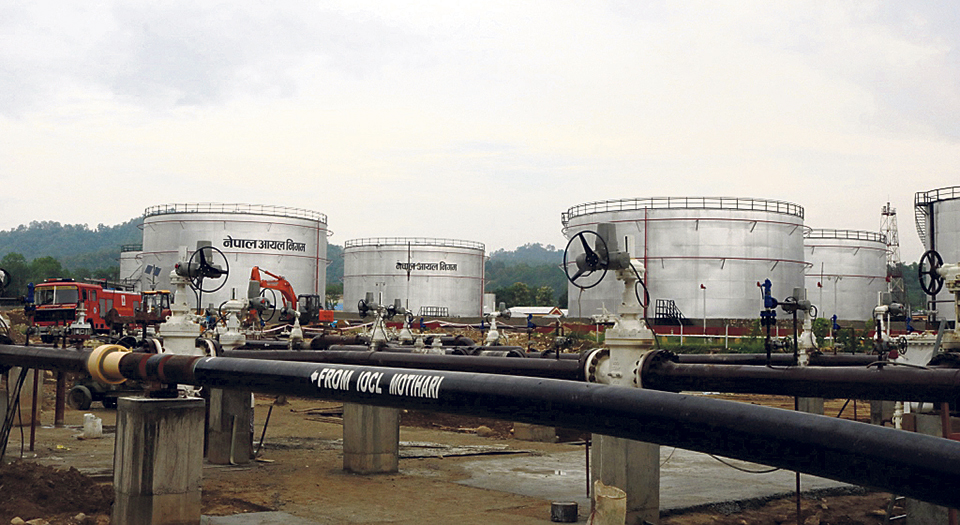
  • नेपाल ऑयल निगम ने पेट्रोल और डीजल के मूल्य 1 असार से संशोधित किए

    oil price

    नेपाल ऑयल निगम (एनओसी) ने एक आधिकारिक प्रेस विज्ञप्ति जारी करते हुए 2082 साल के असार 1 (15 जून, 2025) से लागू होने वाले पेट्रोलियम पदार्थों के मूल्य में वृद्धि की घोषणा की है। यह निर्णय भारतीय इंडियन ऑयल कॉर्पोरेशन (IOC) से आयात होने वाली नई मूल्य संरचना के आधार पर लिया गया है। मूल्य वृद्धि पेट्रोल और डीजल/मिट्टी तेल दोनों पर लागू होगी, जिससे देशभर के वितरण केंद्र प्रभावित होंगे।


    इंडियन ऑयल कॉर्पोरेशन से आयात की गई नई मूल्य दरें

    नवीनतम जानकारी के अनुसार, अब नेपाल इंडियन ऑयल कॉर्पोरेशन से पेट्रोल ₹117.12 प्रति लीटर की दर से खरीदेगा, जबकि पहले यह ₹116.10 थी। इसी तरह, डीजल का मूल्य ₹100 से बढ़कर ₹100.70 प्रति लीटर हो गया है। इस आधार मूल्य में बदलाव के साथ एनओसी ने खुदरा मूल्य में भी समायोजन किया है।


    मूल्य परिवर्तन का कार्यान्वयन

    एनओसी ने असार 1, 2082 (15 जून, 2025) की मध्यरात्रि से नए मूल्य लागू किए हैं। इसके तहत उपभोक्ताओं को अब पेट्रोलियम उत्पादों के लिए थोड़ी अधिक कीमत चुकानी होगी। यह निर्णय अंतरराष्ट्रीय बाजार में तेल की कीमतों में उतार-चढ़ाव और आयात लागत के आधार पर सरकार की नीति के तहत लिया गया है।


    नए खुदरा मूल्य (लागू तिथि: असार 1, 2082 – रात 12:00 बजे से)

    स्थानपेट्रोल (रु./ली.)डीजल/मिट्टी तेल (रु./ली.)
    काठमांडू, पोखरा, दिपायल, धनगढी, अमलेखगंज, नेपालगंज174.50152.50
    दांग, सुर्खेत, चराजली, जनकपुर175.50153.50
    विराटनगर, बीरगंज176.00154.00
    भद्रपुर176.50154.50

    एनओसी ने बताया कि यह संशोधन उसकी “स्वचालित मूल्य समायोजन प्रणाली” के तहत किया गया है, जो अंतरराष्ट्रीय बाजार की कीमतों और परिवहन लागत को ध्यान में रखती है।


    क्षेत्रीय प्रभाव

    • काठमांडू उपत्यका: पेट्रोल ₹174.50, डीजल ₹152.50 प्रति लीटर
    • पोखरा, दिपायल, नेपालगंज: मूल्य काठमांडू के बराबर
    • जनकपुर, दांग, सुर्खेत: प्रति लीटर ₹1 अधिक
    • विराटनगर, बीरगंज: ₹1.50 अधिक
    • भद्रपुर: सबसे महंगा क्षेत्र – पेट्रोल ₹176.50 और डीजल ₹154.50 प्रति लीटर

    एनओसी का बयान और सार्वजनिक सूचना

    एनओसी ने देश में पेट्रोलियम उत्पादों की आपूर्ति सुनिश्चित करने की प्रतिबद्धता जताई है। उसने स्पष्ट किया है कि यह मूल्यवृद्धि अंतरराष्ट्रीय मूल्य, आयात लागत, संचालन खर्च और कर के आधार पर की गई है। उपभोक्ताओं पर न्यूनतम प्रभाव डालने का प्रयास किया गया है।


    सार्वजनिक प्रतिक्रिया और भविष्य की संभावनाएँ

    इस मूल्यवृद्धि पर जनमानस और व्यापारिक क्षेत्रों की प्रतिक्रियाएं मिली-जुली रही हैं। कुछ लोग नेपाल की आयात निर्भरता को समझते हैं, तो कुछ परिवहन और जीवनयापन की लागत में वृद्धि को लेकर चिंतित हैं।

    यदि भविष्य में अंतरराष्ट्रीय बाजार में कच्चे तेल की कीमतें स्थिर या कम होती हैं, तो एनओसी की स्वचालित प्रणाली के तहत खुदरा कीमतों में भी गिरावट की संभावना रहेगी।


    निष्कर्ष

    नेपाल ऑयल निगम का यह निर्णय देश की आर्थिक स्थिरता और ऊर्जा आवश्यकताओं की पूर्ति के दीर्घकालीन रणनीति के अनुरूप है। चूंकि नेपाल पूरी तरह से पेट्रोलियम उत्पादों के लिए भारत पर निर्भर है, इसलिए अंतरराष्ट्रीय बाजार में किसी भी प्रकार की कीमत में बदलाव का सीधा प्रभाव नेपाल पर पड़ता है।

    उपभोक्ताओं को सलाह दी जाती है कि वे मूल्य से संबंधित जानकारी के लिए एनओसी की आधिकारिक वेबसाइट www.noc.org.np या इसके सोशल मीडिया प्लेटफॉर्म्स पर नजर बनाए रखें।


    प्रायः पूछे जाने वाले प्रश्न (FAQ) – हिंदी में

    प्रश्न 1: पेट्रोल और डीजल की कीमत कब से बढ़ाई गई है?
    उत्तर: 2082 असार 1 (15 जून, 2025) की मध्यरात्रि 12:00 बजे से लागू है।

    प्रश्न 2: मूल्यवृद्धि का मुख्य कारण क्या है?
    उत्तर: इंडियन ऑयल कॉर्पोरेशन से आयात मूल्य में वृद्धि और अंतरराष्ट्रीय बाजार में उतार-चढ़ाव।

    प्रश्न 3: कितना मूल्य बढ़ा है?
    उत्तर:

    • पेट्रोल: ₹116.10 से ₹117.12 प्रति लीटर
    • डीजल: ₹100 से ₹100.70 प्रति लीटर

    प्रश्न 4: क्षेत्रीय मूल्य में क्या फर्क है?
    उत्तर:

    • काठमांडू: पेट्रोल ₹174.50, डीजल ₹152.50
    • दांग, जनकपुर: ₹1 ज्यादा
    • विराटनगर, बीरगंज: ₹1.50 ज्यादा
    • भद्रपुर: सबसे महँगा

    प्रश्न 5: मूल्य निर्धारण कैसे होता है?
    उत्तर: एनओसी की स्वचालित मूल्य समायोजन प्रणाली के अनुसार—अंतरराष्ट्रीय मूल्य, आयात, परिवहन, संचालन खर्च और करों के आधार पर।

    प्रश्न 6: क्या भविष्य में कीमतें घट सकती हैं?
    उत्तर: हाँ, अगर कच्चे तेल की अंतरराष्ट्रीय कीमतें घटती हैं।

    प्रश्न 7: उपभोक्ताओं को जानकारी कहाँ से मिलेगी?
    उत्तर: www.noc.org.np और एनओसी के सोशल मीडिया से।

    प्रश्न 8: मूल्यवृद्धि से और किन चीजों पर असर पड़ेगा?
    उत्तर: परिवहन, ढुलाई और आवश्यक वस्तुओं की कीमतें बढ़ सकती हैं।

  • नेपाल आयल निगमले पेट्रोल र डिजेलको मूल्य असार १ गतेदेखि संशोधन गर्‍यो

    नेपाल आयल निगम (एनओसी) ले एक प्रेस विज्ञप्ति जारी गर्दै २०८२ साल असार १ गतेदेखि लागू हुने गरी पेट्रोलियम पदार्थको मूल्य वृद्धि गरेको घोषणा गरेको छ। भारतको इन्डियन आयल कर्पोरेसन (IOC) बाट आयात हुने मूल्य संशोधनको आधारमा यो निर्णय गरिएको हो। मूल्यवृद्धि पेट्रोल र डिजेल/मट्टितेल दुवैमा लागू हुनेछ, जसले देशभरका वितरण केन्द्रहरूमा प्रभाव पार्नेछ।


    इन्डियन आयल कर्पोरेसनबाट आयात हुने नयाँ मूल्य

    नयाँ विवरणअनुसार नेपालले अब इन्डियन आयल कर्पोरेसनबाट पेट्रोल प्रतिलिटर रू. ११७.१२ मा खरिद गर्नेछ, जुन पहिले रू. ११६.१० थियो। त्यस्तै, डिजेलको मूल्य पनि रू. १०० बाट बढेर रू. १००.७० प्रतिलिटर पुगेको छ। आधार मूल्यको यस परिवर्तनसँगै एनओसीले खुद्रा बिक्री मूल्यमा समेत समायोजन गरेको हो।


    मूल्य परिवर्तनको कार्यान्वयन

    एनओसीले असार १, २०८२ (जुन १५, २०२५) को मध्यरातदेखि नयाँ मूल्यहरू लागू गरेको छ। देशका विभिन्न क्षेत्रमा उपभोक्ताहरूले पेट्रोलियम पदार्थको लागि अलिकति बढी मूल्य तिर्नुपर्नेछ। यो निर्णय अन्तर्राष्ट्रिय बजार मूल्यमा आएको उतारचढाव र आयात मूल्य अनुसार मूल्य समायोजन गर्ने सरकारी नीतिसँग मेल खान्छ।


    नयाँ खुद्रा मूल्यहरू (लागू मिति: असार १, २०८२, राति १२:०० बजेबाट)

    उत्पादन काठमाडौं, पोखरा, दिपायल, धनगढी, अमलेखगञ्ज, नेपालगञ्ज सुर्खेत, दाङ, चराजली, जनकपुर विराटनगर, वीरगञ्ज भद्रपुर

    पेट्रोल रू. १७४.५० प्रतिलिटर रू. १७५.५० रू. १७६.०० रू. १७६.५०
    डिजेल/मट्टितेल रू. १५२.५० प्रतिलिटर रू. १५३.५० रू. १५४.०० रू. १५४.५०

    एनओसीको “स्वचालित मूल्य समायोजन प्रणाली” अनुसार मूल्य हेरफेर गरिएको हो, जसले अन्तर्राष्ट्रिय बजारको उतारचढाव र यातायात खर्चलाई ध्यानमा राख्छ।


    क्षेत्रीय प्रभाव

    काठमाडौं उपत्यका र वरपरका क्षेत्रमा पेट्रोल प्रतिलिटर रू. १७४.५० र डिजेल रू. १५२.५० मा उपलब्ध हुनेछ। अन्य क्षेत्रमा यातायात खर्चका कारण मूल्यमा केही फरक देखिनेछ।

    पोखरा, दिपायल, धनगढी, अमलेखगञ्ज: मूल्यहरू काठमाडौं सरह रहनेछन्।

    जनकपुर, दाङ, सुर्खेत: पेट्रोल र डिजेलको मूल्य काठमाडौंभन्दा रू. १ बढी।

    विराटनगर, वीरगञ्ज: काठमाडौंभन्दा रू. १.५० बढी।

    भद्रपुर: पेट्रोल रू. १७६.५० र डिजेल रू. १५४.५० प्रतिलिटर—सबैभन्दा महँगो मूल्य रहेको क्षेत्र।


    एनओसीको भनाइ र सार्वजनिक सूचना

    नेपाल आयल निगमले मुलुकभर पेट्रोलियम पदार्थको सहज आपूर्ति सुनिश्चित गर्ने प्रतिवद्धता जनाएको छ। मूल्यवृद्धि आवश्यक भएको बताउँदै एनओसीले आयात लागत, सञ्चालक खर्च, र अन्तर्राष्ट्रिय मूल्य वृद्धि सन्तुलनमा राख्न मूल्य संशोधन गरिएको उल्लेख गरेको छ।

    यो मूल्यवृद्धि उपभोक्तामैत्री तरिकाले निर्धारण गरिएको बताइएको छ। निगमले भनेको छ— मूल्य समायोजन गर्दा सक्दो न्यून प्रभाव पार्ने प्रयास गरिएको छ।


    सार्वजनिक प्रतिक्रिया र भविष्यको आँकलन

    सधैंझैँ यो मूल्यवृद्धिले आम जनमानस र व्यवसायिक क्षेत्रबाट मिश्रित प्रतिक्रिया पाएको छ। कतिपयले नेपालको आयातमा निर्भरता बुझेको देखिन्छ भने, अन्यले यातायात खर्च बढ्ने र दैनिक उपभोग्य वस्तुमा असर पर्ने चिन्ता व्यक्त गरेका छन्।

    आगामी महिनाहरूमा पनि नेपाल आयल निगमले स्वचालित मूल्य समायोजन प्रणालीलाई निरन्तरता दिने अपेक्षा गरिएको छ। अन्तर्राष्ट्रिय बजारमा कच्चा तेलको मूल्य स्थिर वा घट्ने हो भने, भोलिका दिनहरूमा मूल्य घट्ने सम्भावना पनि छ।


    निष्कर्ष

    नेपाल आयल निगमको पछिल्लो निर्णय मुलुकको वित्तीय स्थायित्व कायम राख्ने र बढ्दो जनसंख्याको आवश्यकता पूरा गर्ने दीर्घकालीन रणनीति अन्तर्गत लिइएको हो। नेपालले सबै पेट्रोलियम पदार्थ भारतबाट आयात गर्ने भएकाले अन्तर्राष्ट्रिय बजारको मूल्य परिवर्तनले सधैं असर गर्नेछ।

    उपभोक्ताहरूलाई भविष्यमा आउने मूल्यसम्बन्धी सूचनाका लागि एनओसीको आधिकारिक वेबसाइट र सामाजिक सञ्जालमार्फत अपडेट भइरहने जानकारी लिने सल्लाह दिइन्छ।

    यहाँ नेपाल आयल निगमद्वारा पेट्रोलियम मूल्यवृद्धि सम्बन्धी विषयमा केही प्रायः सोधिने प्रश्न (FAQ) हरू नेपाली भाषामा प्रस्तुत गरिएको छ:


    प्रश्न १: नेपाल आयल निगमले पेट्रोल र डिजेलको मूल्य कहिलेदेखि बढाएको हो?

    उत्तर:
    एनओसीले पेट्रोलियम पदार्थको नयाँ मूल्य २०८२ असार १ गते (जुन १५, २०२५) को मध्यरात १२:०० बजेदेखि लागू गरेको हो।


    प्रश्न २: मूल्यवृद्धिको मुख्य कारण के हो?

    उत्तर:
    मुख्य कारण हो—इन्डियन आयल कर्पोरेसन (IOC) बाट आयात हुने पेट्रोल र डिजेलको मूल्यमा वृद्धि हुनु। अन्तर्राष्ट्रिय बजार मूल्यमा आएको परिवर्तनका कारण आयात मूल्य बढेको हो।


    प्रश्न ३: कति मूल्य वृद्धि भएको हो?

    उत्तर:

    पेट्रोल: IOC बाट आयात मूल्य प्रतिलिटर रू. ११६.१० बाट बढेर रू. ११७.१२ भएको छ।

    डिजेल: प्रतिलिटर रू. १०० बाट बढेर रू. १००.७० भएको छ।
    खुद्रा बजारमा पनि यिनै आधारमा मूल्य समायोजन गरिएको छ।


    प्रश्न ४: मूल्यवृद्धिले कुन क्षेत्रमा कति असर गर्छ?

    उत्तर:
    क्षेत्रअनुसार मूल्यमा थोरै भिन्नता छ:

    काठमाडौं, पोखरा, नेपालगञ्ज आदि: पेट्रोल रू. १७४.५० र डिजेल रू. १५२.५०

    जनकपुर, दाङ, सुर्खेत: पेट्रोल र डिजेलमा रू. १ थप

    विराटनगर, वीरगञ्ज: रू. १.५० थप

    भद्रपुर: पेट्रोल रू. १७६.५० र डिजेल रू. १५४.५० — सबैभन्दा महँगो


    प्रश्न ५: मूल्य निर्धारण कसरी गरिन्छ?

    उत्तर:
    एनओसीले स्वचालित मूल्य समायोजन प्रणाली अनुसार अन्तर्राष्ट्रिय मूल्य, आयात लागत, यातायात खर्च, कर र सञ्चालक खर्चका आधारमा मूल्य निर्धारण गर्छ।


    प्रश्न ६: भविष्यमा मूल्य घट्ने सम्भावना छ कि?

    उत्तर:
    हो, यदि अन्तर्राष्ट्रिय बजारमा कच्चा तेलको मूल्य घट्छ भने, एनओसीले मूल्य घटाउने सम्भावना पनि रहन्छ। मूल्य समायोजन अन्तर्राष्ट्रिय बजारसँग मिलाएर गरिन्छ।


    प्रश्न ७: उपभोक्ताले मूल्यबारे जानकारी कहाँबाट पाउन सक्छन्?

    उत्तर:
    एनओसीको आधिकारिक वेबसाइट www.noc.org.np वा सामाजिक सञ्जालमार्फत मूल्यसम्बन्धी अद्यावधिक जानकारी लिन सकिन्छ।


    प्रश्न ८: मूल्यवृद्धिले अन्य क्षेत्रमा के असर पर्छ?

    उत्तर:
    पेट्रोलियम पदार्थको मूल्य बढ्दा यातायात, ढुवानी खर्च र दैनिक उपभोग्य वस्तुहरूको मूल्यमा वृद्धि हुनसक्छ। व्यवसाय र आम जनतालाई खर्च बढ्न सक्नेछ।

  • Nepal Oil Corporation Revises Petrol and Diesel Prices from June 15, 2025

    In a new press statement, the Nepal Oil Corporation (NOC) has officially announced an increase in petroleum prices effective from June 15, 2025 (Asar 1, 2082 B.S.). This decision comes in the wake of revised purchase rates of petroleum products imported from Indian Oil Corporation (IOC). The updated prices apply to both petrol and diesel/kerosene, affecting distribution centers across the country.

    New Import Prices from Indian Oil Corporation

    As per the latest update, Nepal is now purchasing petrol at a new rate of Rs. 117.12 per liter from IOC, up from the previous Rs. 116.10 per liter. Similarly, diesel prices have been revised from Rs. 100 to Rs. 100.70 per liter. This adjustment in the base prices prompted NOC to review and update the local selling prices accordingly.

    Implementation of Price Changes

    The price revision has been implemented by NOC from midnight of Asar 1, 2082 (June 15, 2025). Consumers in different regions will now pay slightly increased rates for fuel. The changes are in alignment with the government policy to adjust fuel prices based on international market fluctuations and the pricing structure from the IOC.

    Updated Retail Prices for Fuel (Effective from 12:00 AM, Asar 1, 2082)

    The updated prices of petrol and diesel/kerosene across various NOC depots are as follows:

    Product Kathmandu, Pokhara, Dipayal, Dhangadhi, Amlekhgunj, Nepalgunj Surkhet, Dang, Charali, Janakpur Biratnagar, Birgunj Bhadrapur

    Petrol Rs. 174.50 per liter Rs. 175.50 Rs. 176.00 Rs. 176.50
    Diesel/ Kerosene Rs. 152.50 per liter Rs. 153.50 Rs. 154.00 Rs. 154.50

    The decision aligns with Nepal Oil Corporation’s automatic pricing mechanism, which regularly adjusts prices to reflect fluctuations in international rates and transport margins.

    Regional Impact

    While Kathmandu Valley and surrounding regions will see petrol priced at Rs. 174.50 and diesel at Rs. 152.50 per liter, prices differ slightly in other regions due to transportation costs and depot-specific pricing structures.

    In Pokhara, Dipayal, Dhangadhi, and Amlekhgunj: Fuel rates will remain similar to those in Kathmandu.

    In Janakpur, Dang, and Surkhet: Petrol and diesel are Rs. 1 higher compared to Kathmandu.

    In Biratnagar and Birgunj: Fuel prices are Rs. 1.50 higher than in the capital.

    In Bhadrapur: Petrol is priced at Rs. 176.50 and diesel at Rs. 154.50 per liter—the highest rates among all the listed regions.

    NOC’s Statement and Public Notice

    Nepal Oil Corporation has reiterated its commitment to ensure a smooth supply of petroleum products across the country. It stated that the pricing changes were necessary to balance the rising costs of imports and maintain adequate stock levels.

    The notice also emphasizes that the price hike has been calculated fairly, keeping in mind operational expenses and international price shifts. NOC’s pricing strategy aims to reflect real-time market conditions while minimizing the burden on consumers as much as possible.

    Public Reaction and Outlook

    As with any fuel price change, this announcement has led to mixed responses from the public and business sectors. While some acknowledge the global market dependencies that Nepal faces, others express concern over increased transport costs and the ripple effect on daily commodities.

    In the coming months, Nepal Oil Corporation is expected to continue following the automatic pricing system. If international crude oil prices stabilize or drop, it could result in a future reduction in domestic prices as well.

    Conclusion

    The Nepal Oil Corporation’s decision to revise fuel prices is part of a broader strategy to maintain financial sustainability and meet the demands of a growing population. As Nepal continues to import all its petroleum needs from India, fluctuations in global oil prices will inevitably impact domestic rates.

    For now, consumers are advised to stay updated with NOC’s official channels for any upcoming revisions or changes in fuel supply status.

    Frequently Asked Questions (FAQ)

    Q1: Why did Nepal Oil Corporation increase the fuel prices on June 15, 2025?
    A: The price hike is a result of the revised import cost from Indian Oil Corporation (IOC). Petrol import cost increased to Rs. 117.12 per liter and diesel to Rs. 100.70 per liter. NOC adjusted domestic prices to reflect this change.


    Q2: When did the new prices come into effect?
    A: The new prices were implemented from midnight (12:00 AM) on June 15, 2025 (Asar 1, 2082 B.S.).


    Q3: What are the current prices of petrol and diesel in Kathmandu?
    A: As of June 15, 2025, petrol is priced at Rs. 174.50 per liter, and diesel/kerosene is priced at Rs. 152.50 per liter in Kathmandu.


    Q4: Do fuel prices differ across regions in Nepal?
    A: Yes, fuel prices vary slightly across different depots and regions due to transportation costs. For example, petrol costs Rs. 176.50 in Bhadrapur, while it’s Rs. 174.50 in Kathmandu.


    Q5: How often does NOC revise fuel prices?
    A: Nepal Oil Corporation uses an automatic pricing system, which reviews and adjusts fuel prices regularly based on changes in international market rates and import costs.


    Q6: Who supplies petroleum to Nepal?
    A: Nepal imports its petroleum products from Indian Oil Corporation (IOC) under a government-to-government agreement.


    Q7: Will prices go down if global oil rates drop?
    A: Yes, if global oil prices decline and IOC reduces the supply price, NOC is expected to reduce the domestic fuel prices accordingly through its pricing mechanism.


    Q8: Where can I check the latest fuel prices in Nepal?
    A: You can visit the official website of Nepal Oil Corporation (www.noc.org.np) or follow their verified social media handles for real-time price updates.

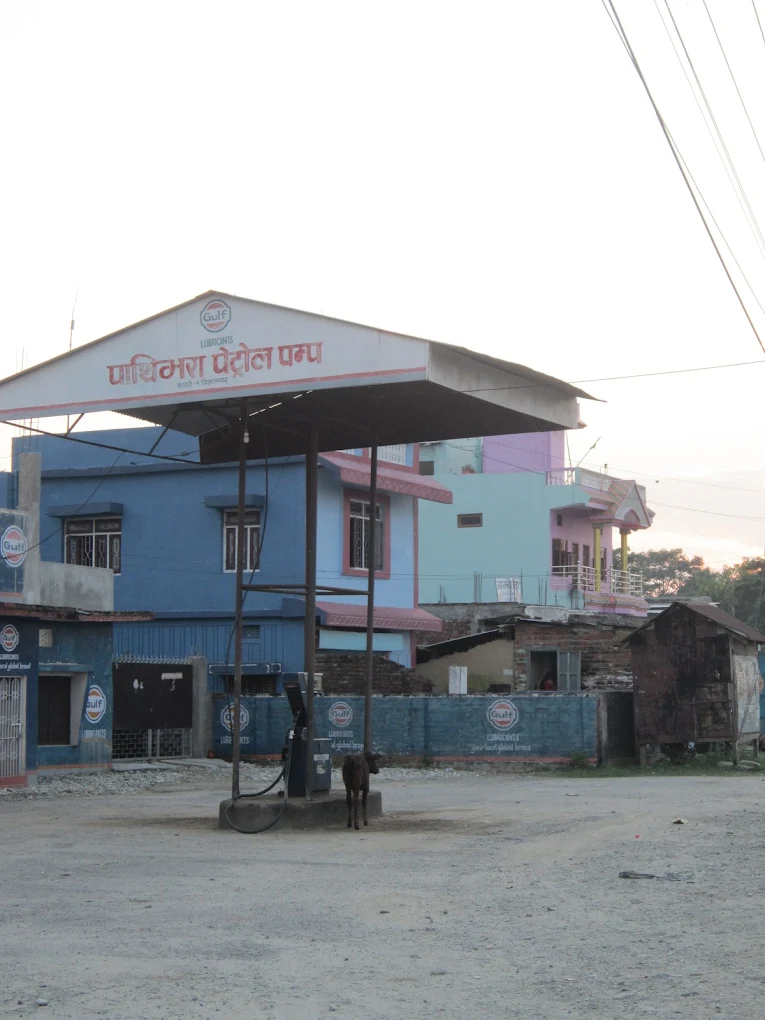
  • Patibhara Petrol Pump, Katahari – Your Trusted Stop for Fuel and Car Wash Services

    Situated conveniently on Rangeli Road in Katahari 56613, Patibhara Petrol Pump has earned a solid reputation among locals and travelers alike. Whether you need to refuel your vehicle or give it a fresh wash, this pump offers reliable service, cleanliness, and friendly staff—all in one place.

    What Makes Patibhara Petrol Pump Stand Out?

    When you’re on the go, you want more than just fuel—you want fast service, trusted quality, and a smooth experience. Patibhara Petrol Pump delivers just that, offering top-grade diesel fuel and an efficient car wash service. It’s the ideal pit stop for both short errands and long road trips.

    Operating Hours:

    No matter the day, you can rely on Patibhara Petrol Pump to be open from 6 AM to 8 PM, making it easy to fit into your schedule. Here’s their full weekly timing:

    • Open Daily: 6:00 AM – 8:00 PM
      (Sunday through Saturday)

    So whether you’re heading out early in the morning or coming back late in the evening, the pump is ready to serve you.

    Available Services:

    ✔ Diesel Fuel:
    They offer clean, quality diesel that helps keep your vehicle running smoothly and efficiently.

    ✔ Car Wash:
    Need to refresh your vehicle? Their quick and affordable car wash service gets the job done while you fuel up—saving you both time and effort.

    Easy to Reach Location:

    The pump is located on a main route—Rangeli Road, making it easily accessible for residents of Katahari and those passing through. Its central location makes it a preferred choice for everyday users and travelers alike.

    📍 Address:
    Rangeli Rd, Katahari 56613

    Contact Details:

    If you need information or assistance, the team is just a call away.

    📞 Phone: 985-2021358
    The staff is polite, responsive, and always willing to help.

    Final Words:

    If you’re looking for a dependable place to refuel and clean your vehicle in Katahari, Patibhara Petrol Pump is the place to go. With great service, extended hours, and a convenient location, it’s no wonder it’s a favorite among drivers in the area.

  • 🚗 Introducing the Volvo EX90

    ⚡ Volvo EX90 Electric SUV: Where Safety Meets Sophistication

    Volvo is charging into the future with its all-new EX90, a full-sized luxury electric SUV that perfectly blends Scandinavian design, cutting-edge safety tech, and impressive electric performance. As Volvo’s flagship EV, the EX90 isn’t just a car—it’s a powerful statement of where modern mobility is heading.

    🌟 First Look: What’s the EX90 All About?

    The EX90 is Volvo’s first all-electric seven-seater SUV built from the ground up on the brand-new SPA2 platform. From the outside, it looks elegant yet muscular—sleek lines, a bold front, and aerodynamic wheels that reduce drag while turning heads. Inside, it offers premium comfort with high-quality materials and a minimalist design philosophy.

    This isn’t just another EV—it’s Volvo’s most advanced vehicle to date, and here’s why.


    🔋 Power & Performance

    The Volvo EX90 comes in a few exciting variants:

    • Single-Motor RWD: Offers around 279 horsepower and a 101 kWh battery.
    • Twin-Motor AWD: Delivers about 402 hp with a 111 kWh battery.
    • Performance Variant: Packs a punch with 510 hp, going from 0–100 km/h in just 4.9 seconds.

    With a maximum WLTP range of up to 600 km (approx. 374 miles), real-world figures settle around 515 km, depending on weather and terrain. Thanks to its fast-charging capability, you can go from 10% to 80% in just 30 minutes using a 250 kW charger. That’s perfect for long road trips or daily commutes alike.


    🛡 Volvo’s Safest SUV Yet

    Safety has always been Volvo’s DNA, and the EX90 takes that reputation to a whole new level. It features:

    • Built-in Lidar system by Luminar (can detect objects 250m ahead)
    • 8 cameras, 5 radars, and 16 ultrasonic sensors
    • Interior radar to detect children or pets accidentally left inside
    • Future-ready with autonomous driving hardware (software update coming soon)

    Volvo says this is the safest vehicle it has ever produced—and with all that tech, it’s easy to believe.


    💻 Inside the Cabin

    The EX90’s interior is clean, functional, and future-forward. A massive 14.5-inch touchscreen runs on Google’s Android Automotive OS and is powered by Unreal Engine for stunning visuals. You’ll find built-in Google Maps, Assistant, and the Play Store for apps and entertainment.

    The sound system? You can opt for a Bowers & Wilkins setup with 25 speakers and Dolby Atmos for a true in-car cinema feel.

    Comfort is prioritized with massaging seats, ample space for seven adults, and top-tier air suspension that glides over potholes and rough roads.


    💸 On-Road Price Estimate (Nepal)

    The EX90 isn’t cheap, but its premium features justify the investment. Here’s what you can expect:

    • Single-Motor RWD: NPR 12M – NPR 12.5M
    • Twin-Motor AWD: NPR 15M – NPR 15.8M
    • Performance Variant: Could exceed NPR 16M – NPR 17M

    After taxes, import duties, and registration in Nepal, the on-road price could range from NPR 19M to 28M, depending on the variant and added features.


    📝 Real-World Feedback: The Good and the Not-So-Good

    What owners and experts love:

    • Whisper-quiet ride and comfort
    • Massive range with fast charging
    • Lidar and safety tech is class-leading
    • Luxurious and well-insulated interior
    • Great third-row seating space

    Areas that need polish:

    • High price tag, especially with delayed software features
    • Over-reliance on touchscreen controls (no physical climate knobs)
    • Lidar hump on the roof may be polarizing in looks
    • Some features (like bidirectional charging and full autonomous mode) are yet to be activated via software updates

    ✔️ Quick Pros & Cons

    ProsCons
    Unmatched safety featuresExpensive, especially in developing markets
    Comfortable ride with air suspensionTech features still rolling out
    Real-world usable rangeNo physical controls (touchscreen only)
    Premium sound system availableLidar bump may not appeal to all

    🌟 Final Verdict: 4.3 out of 5

    Volvo EX90 is a fantastic choice for families and luxury SUV lovers who want the latest tech, serious safety, and electric performance in a beautiful package. If you’re looking for a future-proof SUV that ticks nearly every box—comfort, range, looks, and innovation—the EX90 is a strong contender.

    Just be prepared to pay a premium and wait a little for some features to go live via OTA updates.

  • Volkswagen ID. Buzz review

    Remember the iconic VW Microbus from the ’60s and ’70s? Well, it’s back—but with a futuristic twist. Meet the 2025 Volkswagen ID. Buzz, an all-electric van that blends retro charm with modern tech. Whether you’re a longtime VW fan or just want a unique family EV, the ID. Buzz is definitely turning heads. Here’s our hands-on take.


    🚐 Old-School Vibes, Futuristic Looks

    The first thing you’ll notice is the throwback design. From its boxy silhouette and big VW badge up front to the fun two-tone color options, the ID. Buzz is all about good vibes and stand-out style.

    It’s shorter than most SUVs, but thanks to its tall profile, it looks and feels way roomier. People won’t just notice it—they’ll want to talk about it.


    🛋️ A Spacious Cabin With Clever Touches

    Hop inside and you’ll find a surprisingly roomy, bright interior that’s perfect for road trips or family life. Here’s what stands out:

    • Seats up to seven people comfortably in the long-wheelbase version
    • Lots of headroom and legroom—even in the third row
    • Handy storage all over, including a removable center console they call the “Buzz Box
    • A giant glass roof that can change from clear to tinted with the push of a button

    It feels less like you’re in a van and more like you’re in a lounge on wheels.


    ⚡ Smooth, Quiet, and Surprisingly Zippy

    The ID. Buzz is available in both rear-wheel and all-wheel drive versions:

    • RWD has 282 hp and does 0–60 mph in about 6.7 seconds
    • AWD bumps it to 335 hp and cuts that time to around 5.5 seconds

    You’ll get about 230–260 miles of range, and fast charging (up to 170 kW) can get you from 10% to 80% in just 30 minutes. It’s not a race car—but it’s quick off the line and super smooth to drive.

    Maneuvering through city streets is a breeze, and it glides effortlessly on highways. The only real downside? A bit of body roll when taking sharp turns—something you’d expect in a tall van like this.


    💻 Tech-Savvy but Not Overwhelming

    Volkswagen has packed in a lot of tech:

    • A sleek digital display and touchscreen interface
    • Wireless Apple CarPlay and Android Auto
    • USB-C ports in every row (yes, even for the back seat crew!)
    • Smart driver assist features like adaptive cruise control and lane keep assist

    However, the touch controls for climate and volume might take some getting used to. They’re not as intuitive as physical buttons, especially while driving.


    💸 What It’ll Cost You

    Here’s the ballpark:

    • Base model (Pro S RWD): ~$60,000
    • Top trims (Pro S Plus AWD / 1st Edition): $67,000–$70,000

    Since the ID. Buzz is built in Germany, it doesn’t qualify for U.S. federal EV tax credits—but some state and lease incentives might apply.

    So yeah, it’s a premium buy—but you’re also getting a truly one-of-a-kind vehicle.


    👍 Pros & 👎 Cons

    What we love:

    • That unforgettable retro-modern design
    • Super roomy and versatile interior
    • Comfortable, relaxed drive
    • Quick charging and decent range

    Things to keep in mind:

    • Not the cheapest EV around
    • Touch controls can be fiddly
    • Some body roll on corners

    🎯 Is the ID. Buzz Right for You?

    If you’re someone who:

    • Wants a fun, stylish, family-friendly EV
    • Loves the idea of driving something unique
    • Needs a roomy vehicle with personality

    …then the ID. Buzz will feel like the perfect match.

    But if you’re more concerned with long-range efficiency or budget pricing, there are better options in the EV world. This van is more about lifestyle and love than hard numbers.


    🚀 Final Thoughts

    The Volkswagen ID. Buzz isn’t just another electric vehicle—it’s a modern take on a cultural icon. With its eye-catching style, comfy cabin, and smooth electric power, it brings joy back to driving.

    Whether you’re headed to the beach or the grocery store, this is one van that’ll make every trip feel like an adventure.

  • S. Lal & Sons Petrol Pump, Biratnagar – Reliable Fuel Services Powered by Sunil Bidla’s Vision

    In the heart of Biratnagar, one name stands out when it comes to reliable fuel services and customer satisfaction—S. Lal & Sons Petrol Pump. Established with a vision to provide top-tier fuel products and exceptional service, this petrol pump has grown into a trusted fuel station in Eastern Nepal. Under the dynamic leadership of Mr. Sunil Bidla, S. Lal & Sons continues to set new standards in the petroleum retail industry.

    A Legacy of Trust in Fuel Services

    S. Lal & Sons Petrol Pump has been a cornerstone of fuel supply in Biratnagar for years. Located strategically to serve both local commuters and long-distance travelers, the station has built a strong reputation for quality, transparency, and efficiency. Whether it’s petrol, diesel, or lubricants, customers at S. Lal & Sons can always expect genuine products that meet the required safety and performance standards.

    Visionary Leadership: Sunil Bidla

    The success and continuous growth of S. Lal & Sons can largely be attributed to its owner, Mr. Sunil Bidla. Known for his business acumen, ethical approach, and dedication to customer satisfaction, Mr. Bidla has transformed the petrol pump into a model of excellence. His proactive strategies and investment in staff training, equipment, and infrastructure have ensured that the petrol pump remains ahead of the curve in a competitive market.

    Mr. Bidla’s focus on quality control and adherence to government norms has helped the petrol station gain trust across a wide customer base, including private vehicle owners, transport companies, and industrial clients.

    Commitment to Quality and Transparency

    At S. Lal & Sons, transparency is more than just a value—it’s a daily practice. The petrol pump adheres strictly to the guidelines issued by Nepal Oil Corporation (NOC). Regular quality checks and meter calibration ensure that customers receive the exact quantity of fuel they pay for. Moreover, the station provides printed bills, fuel quality reports, and customer grievance support—further enhancing transparency and accountability.

    Modern Infrastructure and Technology

    Keeping pace with technological advancements, S. Lal & Sons Petrol Pump is equipped with modern dispensing systems, digital meters, and CCTV surveillance. The premises are well-maintained and offer a clean, safe, and customer-friendly environment. Automated systems minimize human error, ensuring faster service and improved accuracy.

    The petrol pump also offers digital payment options, making it convenient for customers to pay via mobile wallets, bank cards, and QR code scanning.

    Eco-Friendly Initiatives

    Understanding the growing need for environmental responsibility, S. Lal & Sons has implemented eco-conscious practices. From using energy-efficient lighting to regular vehicle emission awareness campaigns, the petrol pump is committed to contributing to a greener Biratnagar.

    Oil spills and fuel leakages are carefully managed through proper waste disposal systems, and regular staff training is conducted to handle fuel safely and responsibly.

    Employee Training and Safety

    The team at S. Lal & Sons is well-trained and courteous. Employees undergo periodic training in customer service, fuel handling, and safety protocols. Fire safety drills and first-aid training are conducted regularly, ensuring that the staff can respond effectively in emergencies.

    By fostering a safe and respectful work environment, Mr. Sunil Bidla has created a workplace where employees are motivated to deliver their best, which directly translates to better customer service.

    Serving the Community

    More than just a fuel station, S. Lal & Sons is an integral part of the local community in Biratnagar. The business regularly supports social causes, local charities, and emergency relief efforts. During fuel shortages or natural calamities, S. Lal & Sons has played a crucial role in ensuring uninterrupted supply for hospitals, schools, and essential services.

    Customer Testimonials and Loyalty

    Loyal customers often commend the station’s quick service, fuel quality, and friendly staff. With growing word-of-mouth publicity and a loyal clientele, S. Lal & Sons Petrol Pump continues to be the top choice for fuel in Biratnagar.


    Conclusion

    S. Lal & Sons Petrol Pump, under the committed leadership of Sunil Bidla, stands as a beacon of integrity, service, and progress in Nepal’s petroleum sector. As the city of Biratnagar continues to expand, this petrol pump remains steadfast in its mission—fueling journeys with honesty, efficiency, and care.

    If you are in Biratnagar and looking for a fuel station you can trust, look no further than S. Lal & Sons—where quality meets commitment.

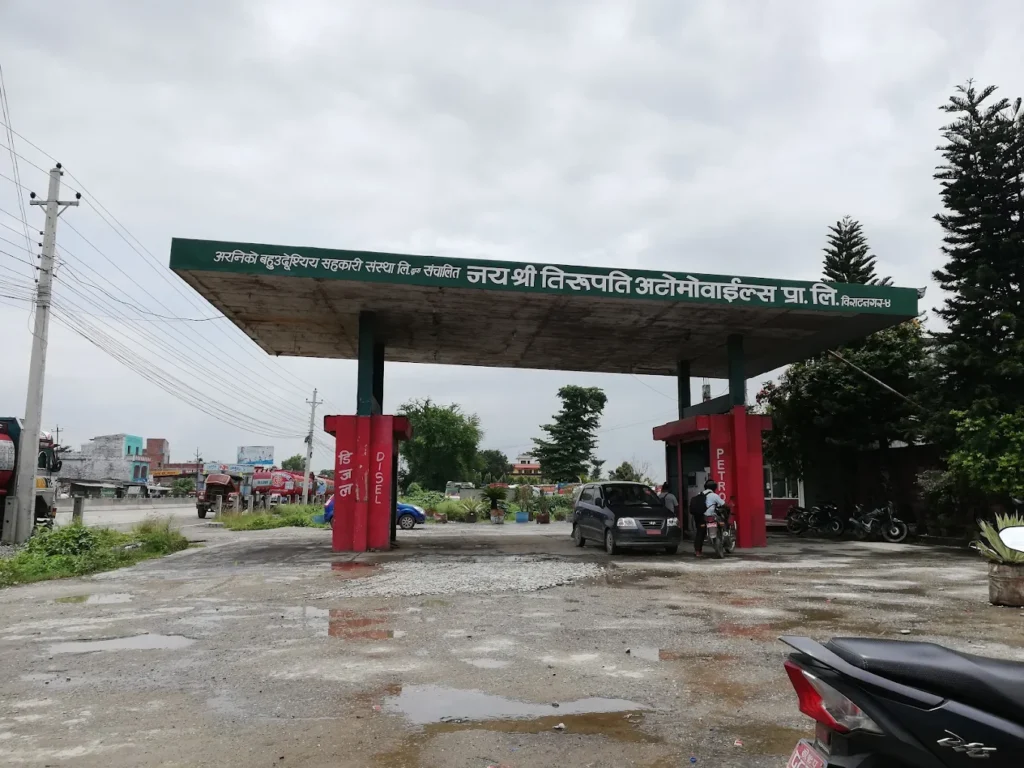
  • Tirupati Petrol Station, Biratnagar – Fueling Your Journey with Trust and Care

    In every journey we take—whether it’s a routine commute, a weekend getaway, or a sudden emergency—we rely on more than just our vehicles. We depend on places that offer reliability, care, and convenience. One such place that has earned the trust of countless travelers is Tirupati Petrol Station, located at F7VH+8CJ, Biratnagar 56613.

    For the people of Biratnagar and those just passing through, Tirupati Petrol Station isn’t just a stop to fill up the tank—it’s a part of the journey itself. With a reputation built on honesty, service, and commitment to quality, this fuel station has become a dependable landmark for years.


    📍 Conveniently Located and Easily Accessible

    Whether you’re running errands, traveling for work, or heading out on a road trip, finding a reliable fuel station is crucial. Tirupati Petrol Station is centrally located in Biratnagar, making it easily accessible from all parts of the city.

    Contact Information:

    • Address: F7VH+8CJ, Biratnagar 56613
    • Phone: 984-2331798

    This convenient location ensures that you’re never too far from dependable service.


    🕓 Regular Operating Hours

    Currently, Tirupati Petrol Station operates during the following hours:

    • Monday to Sunday: 6:00 AM – 8:00 PM

    These timings are tailored to fit the daily routines of early risers, office-goers, and evening commuters. The consistent schedule ensures that whether you’re heading out at dawn or returning in the evening, fuel is just around the corner.


    🔄 Proposed New Timings to Serve You Better

    As more people rely on the station during different hours of the day, Tirupati Petrol Station is exploring changes to its working hours to provide even more convenience. Here are a few possible new schedules:

    Option 1: Extended Service Hours

    • Monday to Sunday: 5:00 AM – 10:00 PM
      This option serves those who travel early in the morning or late at night, offering extra flexibility.

    Option 2: Cost-Efficient Timing

    • Monday to Friday: 6:00 AM – 7:00 PM
    • Saturday & Sunday: 7:00 AM – 8:00 PM
      This model focuses on peak hours while reducing unnecessary late-hour operations.

    Option 3: Open 24/7

    • Monday to Sunday: 24 hours a day
      Perfect for long-distance drivers, emergency services, or travelers during night hours.

    These new timings are under consideration to meet your expectations and make your journey smoother. Your input is welcome—Tirupati Petrol Station wants to grow alongside the community it serves.


    💛 More Than Just a Fuel Stop

    When you pull into Tirupati Petrol Station, you’re not just filling up your tank—you’re entering a space that has seen thousands of stories. From parents rushing to school runs, to workers heading for night shifts, to friends embarking on a road trip—this station stands witness to life’s many moments.

    What sets Tirupati apart is the human connection. Friendly staff, quick service, and a helpful attitude make every visit a pleasant experience. It’s the kind of place where people know your name, where a greeting is always warm, and where you’re treated like more than just a customer.


    🌿 Commitment to Quality and Sustainability

    Tirupati Petrol Station maintains high standards when it comes to fuel quality, accuracy in measurement, and clean, safe service areas. They are also working towards adopting more eco-friendly practices, such as reducing waste and considering solar power alternatives.

    In a world increasingly focused on sustainability, Tirupati is taking small but meaningful steps to protect the environment while serving the community.


    🗣️ Community Feedback Matters

    Tirupati Petrol Station isn’t just here to provide fuel—it’s here to listen. As they explore new operating hours, they want to hear from you. Would you prefer earlier opening times? Or do you often travel late at night and want the station to stay open longer?

    You can share your thoughts by calling 984-2331798, or speaking with the friendly staff next time you visit. Your opinion could help improve services for everyone.


    ✅ Final Thoughts

    In every town, there are places that go beyond their function. Tirupati Petrol Station is one such place in Biratnagar—a stop that offers more than just petrol, but also reliability, respect, and real human connection.

    Next time you need to refuel—whether it’s your vehicle or your spirit—remember Tirupati Petrol Station is always ready to welcome you with open arms and a full tank.

  • Kosi Petrol Pump: Reliable Fuel Station in Biratnagar for Quality Service

    For residents and travelers in Biratnagar, finding a trustworthy and convenient fuel station is essential. Kosi Petrol Pump, located on Dharan Road, is a top choice for many drivers due to its excellent service, prime location, and commitment to quality fuel.

    Prime Location on Dharan Road, Biratnagar

    Kosi Petrol Pump is situated at F7RH+VFW, Dharan Rd, Biratnagar 56613, making it easily accessible for both local commuters and long-distance travelers. Dharan Road is a key route in Biratnagar, and having a dependable petrol station here is crucial for smooth journeys.

    Whether you drive a car, motorcycle, or commercial vehicle, Kosi Petrol Pump’s convenient location means you can quickly stop for fuel without detours or delays.

    Convenient Operating Hours Every Day

    Understanding the needs of customers, Kosi Petrol Pump operates from 7 AM to 8 PM every day, including weekends. These extended hours ensure that whether you start your day early or return late, fuel is always available.

    Consistent daily hours make it easy to plan your visits without worrying about the station being closed. This schedule also caters to busy professionals, truck drivers, and weekend travelers alike.

    Meet the Contact Person: Mr. Lalit Goel

    For any queries or support related to fuel services, you can reach out to the station’s contact person, Mr. Lalit Goel, at 00977 9852026760. Mr. Goel oversees operations and customer service, ensuring a smooth experience for all patrons.

    Having a dedicated contact makes it easier to address questions about fuel types, prices, or additional services, providing customers with peace of mind and personalized assistance.

    Premium Quality Fuel for Optimal Vehicle Performance

    At Kosi Petrol Pump, fuel quality is a top priority. The station offers petrol and diesel that meet rigorous standards to help your vehicle perform efficiently and reliably.

    Using high-quality fuel from Kosi Petrol Pump can improve engine longevity, enhance mileage, and reduce the risk of breakdowns caused by substandard fuel. This makes it an excellent choice for anyone who values their vehicle’s health and performance.

    Additional Services to Support Your Vehicle

    Beyond fueling, Kosi Petrol Pump provides helpful services aimed at supporting vehicle maintenance and customer convenience, such as:

    • Basic vehicle inspections and oil top-ups
    • Friendly and knowledgeable staff assistance
    • Clean, safe, and well-maintained premises

    These extra services make Kosi Petrol Pump more than just a refueling spot—it’s a place where drivers receive care and attention for their vehicles.

    Why Choose Kosi Petrol Pump?

    Several factors contribute to the popularity of Kosi Petrol Pump among Biratnagar residents:

    • Daily availability from 7 AM to 8 PM, catering to a wide range of schedules
    • Strategic location on a busy city road, ensuring easy access
    • Consistently high-quality fuel products
    • Customer-focused service led by Mr. Lalit Goel
    • Clean and secure environment for customers

    These qualities combine to create a fuel station that customers trust and rely on.

    Trusted by the Biratnagar Community

    Kosi Petrol Pump has earned a strong reputation in Biratnagar, thanks to its reliability and excellent customer service. Many customers choose this station repeatedly, appreciating the convenience and quality offered every time.

    The station’s commitment to safety and customer satisfaction reflects its role as a valuable part of the local community’s daily life.

    Conclusion: Your Go-To Fuel Station in Biratnagar

    When you need quality fuel and dependable service in Biratnagar, Kosi Petrol Pump on Dharan Road is the ideal choice. With convenient hours, a prime location, and a dedicated team, it provides everything motorists need to keep their vehicles running smoothly.

    For questions or assistance, contact Mr. Lalit Goel at 00977 9852026760. Experience fuel service you can trust, right here in Biratnagar.