
Category: sharmaroadlines

  • BYD EV Cars: Powering the Future of Sustainable Mobility

    In the rapidly evolving landscape of electric vehicles (EVs), BYD (Build Your Dreams) has emerged as a formidable player not just in China, but on the global stage. From pioneering battery technology to rolling out innovative electric sedans, SUVs, and buses, BYD has firmly positioned itself as a leader in green transportation. This article explores the rise of BYD in the EV sector, its cutting-edge technologies, top-selling models, and its global impact in the journey towards a sustainable future.


    The Rise of BYD: From Batteries to Global EV Leader

    Founded in 1995 in Shenzhen, China, BYD initially focused on rechargeable batteries for consumer electronics. By the early 2000s, the company ventured into the automotive industry, and in 2008, it launched its first plug-in hybrid, the F3DM. This marked the beginning of its ambitious move toward electrification.

    What sets BYD apart is its vertical integration strategy—the company designs and manufactures its own batteries, semiconductors, electric motors, and control systems. This gives BYD better cost control, efficiency, and the ability to rapidly innovate.


    Innovative Battery Technology

    One of BYD’s most significant contributions to the EV sector is its Blade Battery, unveiled in 2020. This lithium iron phosphate (LFP) battery stands out for its:

    • Improved safety: Blade batteries are highly resistant to combustion or explosion, even in extreme conditions like nail penetration tests.
    • Longer lifespan: LFP chemistry typically lasts longer than conventional lithium-ion batteries.
    • Better thermal stability: The Blade Battery offers consistent performance in a wider range of temperatures.
    • Space efficiency: Its design allows more compact battery packs, increasing vehicle range and cabin space.

    BYD’s Blade Battery has been integrated into many of its newer models and is seen as a game-changer in EV safety and longevity.


    Top BYD EV Models in 2025

    BYD offers a wide range of electric and plug-in hybrid vehicles under several sub-brands like Dynasty, Ocean, and the luxury-focused Yangwang. Here are some of their most popular models:

    1. BYD Atto 3

    A compact electric SUV, the Atto 3 (known as Yuan Plus in China) is designed for global markets and is already available in Europe, India, Australia, and Southeast Asia. It offers:

    • 420–480 km range (depending on the variant)
    • A 60.5 kWh Blade Battery
    • Intelligent infotainment system with a rotating touchscreen
    • Fast charging (30% to 80% in under 30 minutes)

    Its sporty design, competitive price, and practical range have made it a favorite among urban drivers.

    2. BYD Seal

    Targeted as a direct competitor to the Tesla Model 3, the BYD Seal is a stylish electric sedan with advanced features:

    • Dual-motor AWD version with up to 530 hp
    • 700+ km range (CLTC)
    • 0–100 km/h in just 3.8 seconds (for the performance variant)
    • DiSus-C intelligent damping body control system

    The Seal showcases BYD’s commitment to blending performance, design, and technology.

    3. BYD Dolphin

    This is a budget-friendly hatchback aimed at younger, city-based users. It’s praised for:

    • Its compact design and bright color options
    • Around 400 km range
    • Practical interior layout and tech features

    4. Yangwang U8

    The ultra-luxury Yangwang U8 SUV is BYD’s answer to high-end electric mobility. It’s an off-road-capable, high-performance EV with:

    • Quad-motor setup for precise control
    • Water wading capabilities and even 360-degree tank turns
    • A hefty price tag aimed at affluent consumers

    Global Expansion: Making Waves Beyond China

    BYD is no longer confined to the Chinese domestic market. In 2022, it stopped manufacturing internal combustion engine (ICE) vehicles and went fully electric (including hybrids). This strategic move highlighted its commitment to zero-emission mobility.

    Key Markets:

    • Europe: BYD has entered markets like Germany, Norway, and the UK, offering models such as the Atto 3, Dolphin, and Seal. It’s also investing in European EV infrastructure and partnerships.
    • India: BYD entered the Indian passenger EV market with the e6 MPV and later the Atto 3, targeting fleet and premium users.
    • Southeast Asia & Latin America: Markets like Thailand, Brazil, and Colombia have welcomed BYD’s electric buses and cars with open arms.
    • United States: Though currently more focused on commercial EVs like electric buses and trucks, BYD is expanding its presence through strategic collaborations.

    Sustainability and Environmental Commitment

    BYD isn’t just building cars—it’s shaping a greener future. The company is deeply involved in renewable energy solutions, including:

    • Solar panels
    • Energy storage systems
    • Monorail transit systems (SkyRail)

    This integrated approach means BYD contributes to a clean energy ecosystem that covers power generation, storage, and usage.

    Their EVs alone are estimated to have reduced millions of tons of CO₂ emissions globally. BYD also emphasizes recyclable components, eco-friendly manufacturing processes, and reduced water and energy consumption in its plants.


    EVs Beyond Cars: Buses, Trucks, and Rail

    BYD is a global leader in electric buses, operating in over 50 countries. Its e-buses are especially popular in the UK, USA, and Latin America. The company’s electric trucks are also gaining traction in logistics and delivery sectors.

    Another remarkable innovation is the BYD SkyRail—a monorail solution aimed at solving urban congestion in developing megacities. Cities like São Paulo and Bangkok have expressed interest in these solutions.


    Challenges and the Road Ahead

    Despite its rapid rise, BYD faces several challenges:

    • Global competition: Tesla, Volkswagen, and other EV players are also expanding aggressively.
    • Brand recognition: Outside of China, BYD still needs to establish a stronger brand presence.
    • Geopolitical hurdles: Trade restrictions and tariffs could slow down expansion in certain countries.

    However, BYD’s consistent innovation, vertical integration, and sustainability focus give it a significant edge. With plans to set up local assembly lines and battery factories in Europe and other regions, the company is preparing for long-term global dominance.


    Conclusion: A True EV Powerhouse

    BYD’s journey from a battery manufacturer to a world-renowned EV brand is nothing short of extraordinary. With industry-leading battery technology, a diverse EV portfolio, and strong sustainability principles, BYD is shaping the future of mobility—one electric mile at a time.

    Whether you’re a consumer looking for an efficient EV, a policymaker seeking green transit solutions, or a city planner envisioning smart infrastructure, BYD has something transformative to offer. In a world racing towards net-zero emissions, BYD is not just participating in the revolution—it’s leading it.
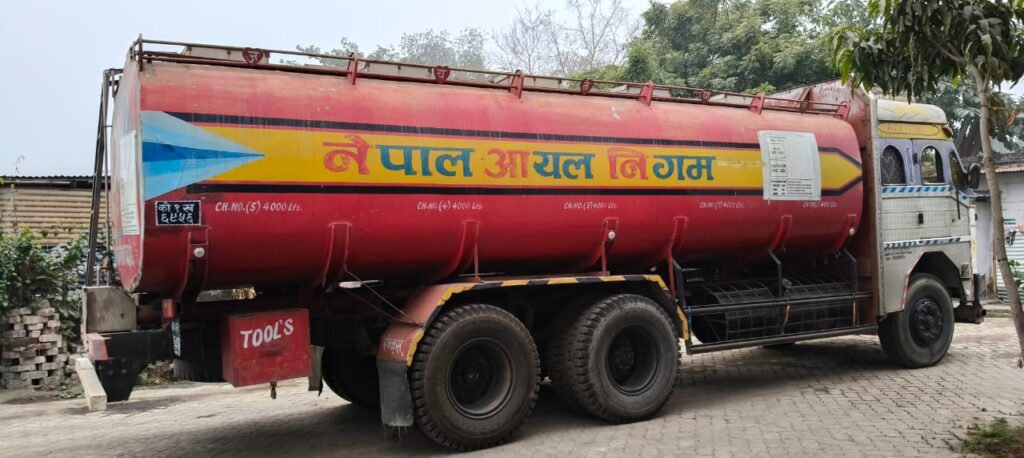
  • Global Petroleum Prices and Their Impact on Nepal’s Economy

    Petroleum products are the lifeblood of the global economy. From transportation to manufacturing, energy generation to agriculture—almost every sector depends heavily on crude oil and its derivatives. The fluctuation in international petroleum product prices doesn’t just affect oil-producing nations—it also has far-reaching consequences for developing countries like Nepal, which rely entirely on imports to meet their energy demands.

    Global Trends in Petroleum Prices

    International crude oil prices are influenced by a variety of factors, including:

    • OPEC+ production decisions
    • Geopolitical tensions (e.g., Russia-Ukraine conflict, Middle East instability)
    • Global economic outlook and demand
    • Natural disasters and pandemics
    • Exchange rate fluctuations

    In 2024 and into 2025, global petroleum prices have remained volatile. Events such as tensions in the Middle East, changing production quotas by OPEC+, and fluctuating demand from major economies like China and the USA continue to impact pricing.

    Why This Matters to Nepal

    Nepal is a landlocked country with no domestic oil production. It imports 100% of its petroleum products, primarily through India, and is heavily dependent on the international price of crude oil. The consequences of rising petroleum prices are particularly serious for Nepal due to:

    1. Inflationary Pressure

    Higher global oil prices lead to increased import costs, which are passed on to consumers. This contributes to a rise in the prices of goods and services, especially transportation, food, and basic commodities, fueling inflation.

    2. Rising Trade Deficit

    Since petroleum imports form a large part of Nepal’s import bill, rising prices increase the country’s trade deficit. This weakens the balance of payments and puts pressure on the foreign exchange reserves.

    3. Increased Transportation Costs

    Nepal’s rugged terrain already makes transportation expensive. With higher fuel prices, logistics and transport costs go up, making everything from vegetables to construction materials more costly.

    4. Impact on Development Projects

    Government infrastructure and development projects often rely on fuel-intensive machinery and transport. An increase in petroleum prices can lead to budget overruns and delays in project implementation.

    5. Energy Security Concerns

    With global prices rising unpredictably, Nepal faces challenges in ensuring a stable and affordable energy supply. It increases the urgency to diversify energy sources and invest more in renewable energy.

    How Can Nepal Mitigate These Effects?

    While Nepal cannot control international petroleum prices, it can take several steps to reduce its vulnerability:

    • Diversify energy sources: Invest in hydropower, solar, and bioenergy to reduce dependency on imported petroleum.
    • Improve public transportation: Better infrastructure and affordable public transport can reduce individual fuel consumption.
    • Promote fuel efficiency: Encourage fuel-efficient vehicles and practices across industries.
    • Strategic petroleum reserves: Maintain buffer stocks to manage short-term price shocks.

    Conclusion

    International petroleum product prices will continue to remain unpredictable due to global dynamics. For a country like Nepal, the impact is profound—affecting everything from inflation and trade balances to daily life. Addressing these challenges requires long-term planning, strategic investment in alternative energy, and regional cooperation.

  • Recent Price Reduction in Petroleum Products in Nepal: A Boost for the Economy and Consumers

    In a significant move that has brought relief to households and businesses alike, the Nepal Oil Corporation (NOC) has announced a notable reduction in the prices of petroleum products across the country. This decision comes amid favorable international oil prices and the government’s commitment to stabilizing the domestic fuel market.

    Let’s delve into the details of this price cut, understand its implications, and explore how it could influence various sectors of Nepal’s economy.


    📉 What’s the Latest Price Reduction in Petroleum Products?

    On May 25, 2025, the NOC officially reduced the prices of key petroleum products, including petrol, diesel, and kerosene. Here’s a breakdown of the new prices:

    ProductOld Price (NPR per liter)New Price (NPR per liter)Reduction (NPR)
    Petrol1751687
    Diesel1631576
    Kerosene1631576

    This price revision follows a positive trend in international crude oil prices, which have seen a downward correction due to improved global supply chains and easing geopolitical tensions.


    🔍 Why Did the Prices Go Down?

    Several key factors contributed to this recent drop in petroleum prices in Nepal:

    1. Decline in Global Crude Oil Prices

    Global crude oil prices have dipped by over 10% in the past two months due to:

    • Increased production from OPEC and non-OPEC countries
    • Stable geopolitical conditions in major oil-producing regions
    • Reduced global demand, particularly from large economies like China

    2. Improved Supply Chain and Logistics

    Post-pandemic recovery has led to better transportation networks and fewer disruptions at seaports. This has made fuel imports more cost-effective for Nepal, especially via Indian Oil Corporation (IOC), which supplies most of Nepal’s petroleum needs.

    3. Policy Decisions by Nepal Oil Corporation

    NOC periodically adjusts fuel prices based on a transparent pricing mechanism. This includes factors like import cost, transportation, taxes, and profit margins. The latest revision reflects the real-time global pricing scenario, aligning domestic prices with international trends.


    👨‍👩‍👧‍👦 Impact on Consumers

    The price reduction is excellent news for consumers, especially as Nepal continues to face inflationary pressures. Here’s how the average Nepali household will benefit:

    🔹 Lower Transportation Costs

    Commuters using personal vehicles or public transportation will experience lower fuel expenses. This indirectly reduces taxi fares and bus tickets in the long run.

    🔹 Decrease in Cost of Goods

    Since diesel is widely used in freight and logistics, a price reduction leads to a decrease in the cost of transporting goods. This helps stabilize or reduce market prices of essential items, groceries, and agricultural products.

    🔹 Relief for Small Businesses

    Small vendors, farmers using diesel pumps, and transport operators are among the biggest beneficiaries. Lower operating costs help them reinvest in their businesses or pass savings to consumers.


    🏭 Impact on Industries and Businesses

    The industrial sector, which heavily relies on petroleum products for machinery, transportation, and backup power, will also gain from the recent price slash.

    ✅ Manufacturing Sector

    Industries using diesel generators or operating heavy machinery will see reduced energy costs, boosting productivity and profitability.

    ✅ Agriculture

    Farmers using kerosene or diesel for irrigation pumps, tractors, and grain processing equipment will benefit from cost savings, especially during peak planting and harvesting seasons.

    ✅ Transportation and Logistics

    Freight companies, courier services, and goods carriers will find this a timely boost as fuel forms a significant portion of their operational expenses.


    💼 Government’s Role and Public Trust

    The Nepalese government and NOC have been under public scrutiny over fuel pricing. This recent decision demonstrates transparency and responsiveness to economic conditions, which can help restore public confidence.

    NOC also assures that if global prices continue to fall, more reductions may be passed on to the consumers in the coming weeks. Conversely, if prices rise, NOC may revise prices upward, though gradually, to protect the public from shocks.


    🌱 Environmental Considerations

    While lower fuel prices increase affordability, they may also lead to higher consumption. This brings potential environmental challenges like:

    • Increased vehicular emissions
    • Greater reliance on fossil fuels
    • Delay in adoption of electric vehicles (EVs)

    To counter this, the government should continue promoting EVs and renewable energy incentives alongside pricing reforms.


    📊 Economic Outlook: Short-Term Gains, Long-Term Strategy Needed

    The petroleum price reduction offers short-term economic relief and can stimulate consumer spending and industrial activity. However, it also highlights Nepal’s continued dependency on imported fossil fuels.

    Recommendations for Long-Term Fuel Stability:

    1. Diversify Energy Sources: Invest in hydropower, solar, and wind to reduce petroleum dependency.
    2. Promote Electric Mobility: Increase subsidies for electric vehicles and charging infrastructure.
    3. Fuel Reserve Planning: Create strategic petroleum reserves to buffer against future price shocks.
    4. Transparent Pricing Policy: Continue to use a clear pricing mechanism and public communication to build trust.

    🗣️ Public Reaction

    The general public has responded positively to the price drop, with social media users and transport unions expressing relief. Many have urged the government to ensure that these savings reflect in transportation and commodity costs and not just fuel pumps.


    📌 Final Thoughts

    The recent price reduction in petroleum products in Nepal is a welcome development for consumers, businesses, and the economy as a whole. It reflects the effectiveness of Nepal Oil Corporation’s pricing strategy and the government’s responsiveness to global economic trends.

    While this brings temporary relief, it also highlights the need for a long-term energy strategy focused on sustainability, energy independence, and price stability.

    As Nepal navigates a post-pandemic economic recovery, balanced decisions like this are vital for building a resilient and inclusive economy.

  • Hyundai Ioniq 5 Electric Vehicle: A Bold Step into the Future of Mobility

    Introduction

    The electric vehicle (EV) revolution is in full swing, and one of the most compelling entries in this new wave of innovation is the Hyundai Ioniq 5. […]

    Striking Design that Breaks the Mold

    One of the first things you’ll notice about the Hyundai Ioniq 5 is its unique, retro-futuristic design. […]

    Image Suggestion: Ioniq 5 side profile
    Alt Text: Side view of Hyundai Ioniq 5 showcasing its futuristic design

    Spacious and Tech-Savvy Interior

    Step inside the Ioniq 5, and you’ll find a modern, airy cabin designed for comfort and flexibility. […]

    Bullet List Suggestion:

    Dual 12.3-inch displays

    Augmented Reality Head-Up Display

    Eco-friendly interior materials

    Vehicle-to-Load (V2L) power supply

    Image Suggestion: Ioniq 5 interior dashboard
    Alt Text: Interior of Hyundai Ioniq 5 with digital displays

    Performance and Driving Experience

    The Ioniq 5 isn’t just about style and comfort — it’s also a thrill to drive. […]

    Highlight Block:
    0–100 km/h in just 5.2 seconds (AWD variant)

    Charging and Range

    The Ioniq 5 uses Hyundai’s E-GMP platform and supports ultra-fast charging. […]

    Key Specs Table (use WordPress Table Block):

    Safety and Driver Assistance Features

    Hyundai has equipped the Ioniq 5 with top-tier safety and driver-assist features. […]

    Bulleted List Suggestion:

    Highway Driving Assist 2

    Forward Collision-Avoidance Assist

    Blind Spot View Monitor

    Remote Smart Parking Assist

    Environmental Impact and Sustainability

    Hyundai has also made a strong push toward sustainability with the Ioniq 5. […]

    Pricing and Availability

    The Ioniq 5 is competitively priced in the mid-range EV market. […]

    Conclusion: Why Choose the Hyundai Ioniq 5?

    With its combination of futuristic design, powerful performance, and green technology, the Ioniq 5 is redefining what we expect from electric cars. […]

  • Nepal Oil Corporation Reduces Fuel Prices Across the Country

    Kathmandu, May 3, 2025 — The Nepal Oil Corporation (NOC) has announced a fresh reduction in fuel prices, bringing relief to consumers across the country. The revised rates came into effect from midnight on May 1, 2025, following the latest shipment price update from Indian Oil Corporation, Nepal’s sole supplier of petroleum products.

    Revised Fuel Prices

    Under the new pricing structure, petrol prices have been cut by Rs 2 per litre, while diesel and kerosene have each seen a Rs 1 per litre reduction. Similarly, the cost of domestic aviation fuel has dropped by Rs 4 per litre, and international aviation fuel supplied at Kathmandu has been slashed by USD 29 per kiloliter.

    Price Variation by Region

    Fuel prices in Nepal are regionally categorized due to transportation costs and distribution logistics. Here’s a breakdown of the new prices by zone:

    Kathmandu Valley, Pokhara, Dipayal:

    Petrol: Rs 158 per litre

    Diesel & Kerosene: Rs 145 per litre

    Category A Cities (Chaarali, Biratnagar, Janakpur, Amlekhgunj, Nepalgunj, Dhangadhi, Birgunj):

    Petrol: Rs 155.50 per litre

    Category B Cities (Surkhet, Dang):

    Petrol: Rs 157 per litre

    Why the Price Drop?

    These reductions are part of NOC’s routine pricing revisions, which are conducted every 15 days. The adjustments reflect changes in international oil prices and the latest import costs quoted by the Indian Oil Corporation.

    With global oil prices witnessing slight downward trends in recent weeks, this cut is expected to provide financial relief to the general public and transport sector, especially as fuel remains a significant component of household and operational expenses in Nepal.

  • Nepal Oil Corporation Cuts Fuel Prices – New Rates Effective April 15, 2025

    IntroductionIn a recent move that brings relief to consumers, Nepal Oil Corporation (NOC) has officially reduced the prices of petrol and diesel. The new fuel rates came into effect from April 15, 2025 (Baisakh 02, 2082) following updated purchase costs from the Indian Oil Corporation.—Wholesale Fuel Price Update – April 2025According to NOC, the wholesale price of petrol has been lowered by NPR 2 per liter, while diesel and kerosene have been reduced by NPR 3 per liter. This pricing revision applies to all fuel depots within a 15 km radius of the main supply centers.New Wholesale Prices (Per Liter):—Updated Retail Fuel Prices by LocationThe retail prices vary slightly depending on the location. Below are the updated rates for key distribution points across Nepal:—Why the Price Change?The change in pricing is a result of adjusted purchase rates from India. Nepal imports all of its petroleum products, and international price fluctuations directly influence local fuel costs. The latest revision ensures that prices remain fair and transparent across the country.—ConclusionThe recent fuel price drop in Nepal offers much-needed relief amid rising global costs. With lower petrol and diesel prices now effective nationwide, consumers and businesses alike can benefit from reduced transportation expenses.For the latest updates on fuel prices in Nepal, visit the official Nepal Oil Corporation website.

    Introduction

    In a recent move that brings relief to consumers, Nepal Oil Corporation (NOC) has officially reduced the prices of petrol and diesel. The new fuel rates came into effect from April 15, 2025 (Baisakh 02, 2082) following updated purchase costs from the Indian Oil Corporation.


    Wholesale Fuel Price Update – April 2025

    According to NOC, the wholesale price of petrol has been lowered by NPR 2 per liter, while diesel and kerosene have been reduced by NPR 3 per liter. This pricing revision applies to all fuel depots within a 15 km radius of the main supply centers.

    New Wholesale Prices (Per Liter):


    Updated Retail Fuel Prices by Location

    The retail prices vary slightly depending on the location. Below are the updated rates for key distribution points across Nepal:


    Why the Price Change?

    The change in pricing is a result of adjusted purchase rates from India. Nepal imports all of its petroleum products, and international price fluctuations directly influence local fuel costs. The latest revision ensures that prices remain fair and transparent across the country.


    Conclusion

    The recent fuel price drop in Nepal offers much-needed relief amid rising global costs. With lower petrol and diesel prices now effective nationwide, consumers and businesses alike can benefit from reduced transportation expenses.

    For the latest updates on fuel prices in Nepal, visit the official Nepal Oil Corporation website.

  • HOME PAGE


    Sharma Roadlines Pvt. Ltd. | Petroleum Logistics to Nepal

    Sharma Roadlines Pvt. Ltd.

    Trusted Petroleum Transport Partner for Nepal Oil Corporation

    Our Core Services

    • Petroleum Transportation to Nepal: Reliable cross-border delivery of petroleum products through a well-maintained fleet.
    • Bulk Fuel Logistics: Efficient management of petroleum supply chains for industries and governments.
    • Fleet Operations: GPS-enabled tankers with full compliance and safety features.
    • Safety & Compliance: Following all DGMS and MoPNG guidelines for secure fuel movement.

    Why Choose Us

    • 100% compliance with cross-border transport regulations
    • Decades of experience with Nepal Oil Corporation Pvt. Ltd.
    • Real-time tracking and transparent operations
    • On-time deliveries and insured logistics

    Service Areas

    Serving petroleum hubs in India with regular routes into Nepal:

    • Raxaul Border
    • Birgunj Terminal
    • Barauni, Patna, Muzaffarpur
    • Custom checkpoints and petroleum depots

    Client Testimonials

    “Sharma Roadlines is our trusted logistics partner. They understand the sensitive nature of petroleum supply and always deliver.”
    – Logistics Manager, Nepal Oil Corporation

    Get in Touch

    Office Address: [Biratnagar, Morang, Nepal]

    Phone: +977-9852030699

    Email: www.sharmaroadlinespvtltds.com

    Contact Us Request a QuoteTrack Shipment © 2025 Sharma Roadlines Pvt. Ltd. All rights reserved.

  • Oil Industry Update – April 2025

    What’s Happening and Why It Matters

    The global oil market is going through a bit of a shake-up this month. Prices have dropped to the lowest levels we’ve seen in over three years. The main reason? Rising trade tensions between countries like the U.S. and China, which are creating uncertainty across international markets.

    As of now, Brent crude is trading around $63.30 per barrel, while WTI (West Texas Intermediate) has slipped below $60. With major economies slowing down, there’s concern that demand for fuel will also dip—causing prices to stay low for a while.

    🇷🇺 Russia Feels the Pinch

    Meanwhile, Russia’s Urals oil is also seeing a price drop, now sitting at about $53 per barrel. This is a big deal for Russia, since oil and gas exports make up a big part of their national income. The falling prices are putting pressure on their budget and energy strategies.

    🤝 OPEC+ Adjusts Course

    To keep things balanced, OPEC+ (which includes countries like Saudi Arabia, the UAE, and Russia) has decided to tweak their oil production. Some members are slowly increasing output, while others are being more cautious, trying to prevent prices from falling even further.

    Why This Matters for Us

    For companies like Sharma Roadlines Pvt. Ltd., which are involved in fuel transportation, keeping an eye on these global changes is important. Whether it’s diesel or petrol, international prices can eventually impact everything from supply costs to fuel demand—especially when transporting across borders like India to Nepal.