Category: sharmaroadlines

  • रुसको छूटमा प्राप्त कच्चा तेलबाट रिलायन्स र नयारा १६ अर्ब डलरको लाभ, यूरोप र अमेरिकामा निर्यातमा वृद्धि

    रिलायन्स र नयाराले रुसको छूटमा कच्चा तेलबाट कमाए १६ अर्ब डलर, यूरोप र अमेरिकामा निर्यातमा वृद्धि

    गत केही महिनामा भारतका ऊर्जा क्षेत्रका ठूला कम्पनीहरू रिलायन्स इन्डस्ट्रीज र नयारा एनर्जीले रुसको छूटमा कच्चा तेल खरिद गरेर करिब १६ अर्ब अमेरिकी डलरको उल्लेखनीय आर्थिक लाभ कमाएका छन्। यस लाभको मुख्य कारण बनेको छ युरोपेली संघ (EU) र अमेरिकामा तिनका निर्यातहरूमा भएको तीव्र वृद्धिले।

    रुसमाथि प्रतिबन्ध र कच्चा तेलको छूट

    रुसले युक्रेनमाथि आक्रमण गरेपछि पश्चिमी देशहरूले रुसमाथि कडा प्रतिबन्ध लगाएका थिए, जसले रुसको ऊर्जा निर्यातमा ठूलो असर पारेको छ। प्रतिबन्धका कारण रुसले आफ्नो तेललाई पुराना बजारमा बेच्न पाउन सकेन र त्यसैले आफूलाई छूट (डिस्काउन्ट)मा तेल बेच्न बाध्य भयो। यसले विश्व बजारमा कच्चा तेलको मूल्यहरूमा ठूलो उतार-चढाव ल्यायो।

    भारतीय परिष्कृत तेल कम्पनीहरूको अवसर

    रिलायन्स र नयारा जस्ता भारतीय कम्पनीहरूले रुसको यस अवसरलाई सदुपयोग गर्दै छूटमा उपलब्ध कच्चा तेल खरिद गरेका छन्। छूट भएका कारण उनीहरूले कम मूल्यमा तेल खरीद गर्न पाए र आफ्नो परिष्करण लागत घटाउन सके। यसले तिनीहरूको मुनाफा बढाउने र अन्तर्राष्ट्रिय बजारमा प्रतिस्पर्धा गर्ने क्षमता मजबुत बनायो।

    यूरोप र अमेरिकामा निर्यातमा बृद्धि

    रोचक कुरा के छ भने, यद्यपि पश्चिमी देशहरूले रुसबाट प्रत्यक्ष कच्चा तेल किन्ने प्रतिबन्ध लगाएका छन्, रुसको तेलबाट बनेका परिष्कृत तेलका उत्पादनहरू भारतबाट यूरोप र अमेरिकामा निर्यात भइरहेको छ। यसको प्रमुख कारण:

    • परिष्करण र पुनः ब्रान्डिङ: रुसको तेललाई भारतीय रिफाइनरीहरूले परिष्कृत गरेर आफ्नै ब्रान्डमा बेच्ने भएकाले प्रतिबन्धको सिधा असर कम हुन्छ।
    • आपूर्ति सञ्जालको विविधिकरण: पश्चिमी बजारहरूले नयाँ आपूर्तिकर्ता खोजेका छन् र भारतले त्यस अवसरमा निर्यात बढाएको छ।
    • व्यवस्थित आपूर्ति श्रृंखला: भारतीय कम्पनीहरूले कानुनी र व्यापारिक नियमहरूलाई ध्यानमा राखेर आपूर्ति श्रृंखला व्यवस्थित गरेका छन्।

    यसकारण, रिलायन्स र नयाराले यूरोप र अमेरिकामा आफ्नो निर्यात तीव्र बनाएका छन्, जसले तिनीहरूको आम्दानीमा ठूलो वृद्धी ल्याएको छ।

    आर्थिक फाइदा: १६ अर्ब डलर

    विशेषज्ञहरूका अनुसार, रिलायन्स र नयाराले रुसको छूटमा तेल खरिद गरेर र निर्यातबाट करिब १६ अर्ब डलरको लाभ उठाएका छन्। यसमा समावेश छन्:

    • छूटमा कच्चा तेल खरिद गर्दा कम लागत,
    • उच्च परिष्करण मुनाफा,
    • निर्यात बढ्दा आम्दानीमा वृद्धी,
    • मुद्रा विनिमयबाट लाभ।

    भारतीय ऊर्जा सुरक्षामा प्रभाव

    रुसको तेलमा निर्भरता बढ्नुका साथै यो भारतको ऊर्जा सुरक्षाका लागि पनि महत्वपूर्ण छ। यसले भारतलाई ऊर्जा आपूर्ति विविधिकरण गर्न मद्दत पुर्‍याउँछ र विश्व शक्ति सम्बन्धमा पनि भारतको भूमिका बढाउँछ। साथै, आर्थिक वृद्धिमा समेत सहयोग पुग्छ।

    पर्यावरण र नैतिक पक्ष

    तर, यसमा केही नकारात्मक पक्षहरू पनि छन्। रुससँग व्यापारले भारतको विदेश नीतिमा चुनौती ल्याउन सक्छ भने कच्चा तेलको अधिक परिष्करणले वातावरणमा नकारात्मक असर पार्न सक्छ। यसैले भारतले यी विषयलाई ध्यानमा राख्दै दीगो र हरित ऊर्जा तर्फ पनि ध्यान दिनुपर्ने हुन्छ।

    भविष्यको दृष्टिकोण

    • विश्व राजनीतिमा परिवर्तन,
    • ऊर्जा स्रोतहरूको ट्रान्जिसन,
    • भारतको घरेलु नीति,
      जस्ता कुराहरूले यस क्षेत्रको भविष्य निर्धारण गर्नेछन्।

    तर हालको अवस्थामा, रुसको छूटमा कच्चा तेलबाट प्राप्त अवसरहरूले रिलायन्स र नयाराको आर्थिक स्थितिलाई बलियो बनाइरहेको छ।


    निष्कर्ष

    रिलायन्स र नयाराले रुसको छूटमा प्राप्त कच्चा तेलमार्फत १६ अर्ब डलरको ठूलो आर्थिक लाभ कमाएका छन्। यूरोप र अमेरिकामा निर्यात वृद्धि र ऊर्जा क्षेत्रमा भारतको महत्त्व बढ्नुको साथै यो घटना विश्व तेल बजारमा नयाँ प्रवृत्तिको परिचायक हो। यद्यपि, यससँग जोडिएका चुनौतीहरूलाई ध्यानमा राख्दै भारतले दीगो र दिगो ऊर्जा समाधानतर्फ ध्यान दिन जरुरी छ।

    Q1: रिलायन्स र नयारा किन रुसको कच्चा तेल छूटमा किनिरहेका छन्?

    पश्चिमी देशहरूले रुसमाथि कडा प्रतिबन्ध लगाएका कारण रुसले आफ्नो तेललाई छूटमा बेच्न बाध्य भएको छ। रिलायन्स र नयाराले यस अवसरलाई सदुपयोग गर्दै छूटमा कच्चा तेल किनेर आफ्नो लागत घटाएका छन्।

    Q2: रुसको कच्चा तेलबाट बनेका परिष्कृत तेल किन यूरोप र अमेरिका बजारमा निर्यात भइरहेको छ?

    कच्चा तेलमा लगाइएको प्रतिबन्धले परिष्कृत उत्पादनहरूमा सिधा असर नगरेकोले भारतीय कम्पनीहरूले रुसको तेललाई परिष्कृत गरी पुनः ब्रान्डिङ गरेर यूरोप र अमेरिकामा निर्यात गर्दैछन्।

    यस व्यापारले भारतको ऊर्जा सुरक्षामा के कस्तो प्रभाव पार्दछ?

    यसले भारतलाई ऊर्जा आपूर्ति विविधिकरण गर्न सहयोग पुर्‍याउँछ र ऊर्जा क्षेत्रमा भारतको आत्मनिर्भरता र रणनीतिक महत्त्व बढाउँछ।

  • Nepal Oil Corporation Revises Fuel Prices: New Rates Effective August 1, 2025

    Nepal Oil Corporation (NOC), the sole importer and distributor of petroleum products in Nepal, has announced a revision in the retail prices of various fuel types following the latest price update received from Indian Oil Corporation (IOC) on July 31, 2025. The revised fuel prices will come into effect from midnight (12:01 AM) on August 1, 2025 (2082/04/16) across the country.


    🔄 Why This Price Revision?

    NOC imports petroleum products from Indian Oil Corporation, which updates the export prices twice a month. Based on the latest export rates received, the following changes have occurred:

    • Petrol (Gasoline): Price decreased by NPR 0.87 per liter
    • Diesel: Price increased by NPR 3.50 per liter
    • Aviation Turbine Fuel (ATF – Domestic): Price increased by NPR 3.06 per liter

    These changes necessitated a revision in the domestic retail prices in order to maintain financial sustainability, minimize losses, and align with global market trends.


    📊 Revised Retail Prices of Petroleum Products (Effective August 1, 2025)

    🚗 Petrol Prices

    ZonePrevious Price (NPR/Ltr)New Price (NPR/Ltr)
    First157.50156.50
    Second159.00158.00
    Third160.00159.00

    🚛 Diesel / Kerosene Prices

    ZonePrevious Price (NPR/Ltr)New Price (NPR/Ltr)
    First145.50147.50
    Second147.00149.00
    Third148.00150.00

    ✈️ Aviation Turbine Fuel (Domestic Flights)

    ZoneNew Price (NPR/Ltr)
    Domestic ATF (Internal)125.00 to 128.00 (based on location)

    🌍 Aviation Turbine Fuel (International Flights)

    LocationPrevious Price (USD/kL)New Price (USD/kL)
    Kathmandu$952$973
    Pokhara$782$792
    Bhairahawa$766$776

    Note: ATF prices in Pokhara and Bhairahawa for international flights are adjusted to the Break-Even Point, meaning the corporation will neither make a profit nor a loss at the current rates.


    🏷️ LPG Cylinder Prices Remain Unchanged

    Despite international price fluctuations, the price of LPG (cooking gas) has not been changed and will continue to be sold at the existing rate. This move aims to support households already burdened by inflation and cost-of-living pressures.


    📍 Zone Classification for Fuel Pricing

    Nepal Oil Corporation categorizes fuel price zones based on proximity to depots and transport costs. Here’s how the zones are defined:

    • First Zone: Charali, Biratnagar, Janakpur, Amlekhgunj, Bhairahawa, Nepalgunj, Dhangadhi, Birgunj
    • Second Zone: Surkhet, Dang
    • Third Zone: Kathmandu, Pokhara, Dipayal

    This zoning helps determine how fuel transportation costs impact retail prices in various regions.


    🧾 Why Diesel Price Went Up While Petrol Dropped?

    The global market dynamics, particularly in South Asia, have influenced the import rates. Diesel prices have surged due to increased demand in transportation and logistics, while petrol prices saw a slight reduction due to international oil market adjustments. Nepal, relying heavily on imports, adjusts accordingly to maintain economic balance and sustainability.


    📢 Final Words from NOC

    The spokesperson of Nepal Oil Corporation reiterated the organization’s commitment to:

    “Simplicity, Purity, and Transparency in public service and pricing.”

    The new prices reflect global changes while trying to minimize the burden on domestic consumers. NOC assures continuous monitoring of international price trends and appropriate action when required.

    please like share and subscribe if you like the article.

    Q1: Why is the diesel price increased while petrol is reduced?

    Diesel prices have risen globally due to increased industrial and transport demand. Petrol prices saw a minor drop due to changes in international crude oil benchmarks.

    Q2: Are LPG gas prices also changing?

    No, LPG cylinder prices remain unchanged as per NOC’s current update.

    Q3: When will the new fuel prices be applicable?

    The revised prices will be effective from 12:01 AM on August 1, 2025 (2082/04/16) across all NOC outlets.

  • Spreading Smiles and Serenity: Nepal Oil Corporation Hosts ‘Happiness Program’ by Art of Living at Biratnagar

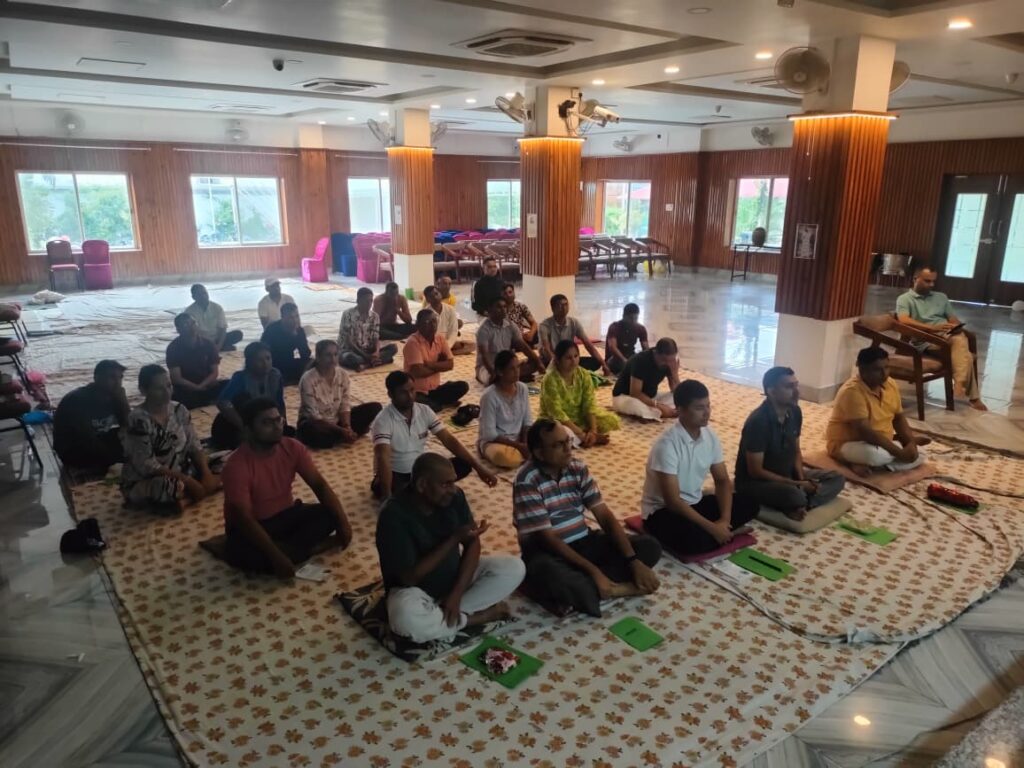
    In a heartwarming initiative aimed at enhancing employee well-being and promoting inner peace, the Nepal Oil Corporation (NOC), under the guidance of Koshi Province Branch Chief Mr. Puskar Karki, successfully organized the renowned Happiness Program by the Art of Living Foundation. Held at the scenic RK Palace, Biratnagar, the event took place from 04 July to 07 July 2025, each morning from 5:00 AM to 8:00 AM, and received immense appreciation from participants and organizers alike.

    A Step Toward Mental Wellness and Inner Peace

    With rising stress levels in the modern workplace, NOC took a commendable step by inviting the Art of Living Foundation, a globally respected organization dedicated to stress relief, meditation, and community service. The Happiness Program, founded by Gurudev Sri Sri Ravi Shankar, is designed to help individuals connect with their inner joy and live more peacefully and productively.

    The program was led by Rajkumari Todi, an experienced and certified Art of Living faculty member, known for her compassionate teaching style and deep understanding of yogic practices and breathing techniques. Her sessions were simple, engaging, and deeply impactful, touching the hearts of all who attended.

    Program Highlights

    Throughout the four-day immersive course, participants engaged in a variety of spiritual and wellness activities, including:

    • Powerful breathing techniques, including the world-renowned Sudarshan Kriya
    • Guided meditation sessions to calm the mind and release emotional blockages
    • Light yoga postures to enhance flexibility and inner energy
    • Knowledge talks on living with awareness, handling negative emotions, and improving relationships
    • Group discussions and sharing circles that helped build a sense of community

    Attendees noted remarkable improvements in their mental clarity, energy levels, emotional stability, and overall happiness. Many expressed that they felt a deeper sense of connection with themselves and a more positive outlook on life.

    The People Behind the Success

    A program of this magnitude requires dedication and teamwork. Mr. Amit Kumar Sharma and Mr. Sanjay Subedi, both committed Art of Living volunteers and active members of the Biratnagar community, played a vital role in coordinating the event. From early morning arrangements to ensuring every participant had a smooth experience, their efforts were instrumental in the seamless execution of the program.

    Their selfless service and passion for spreading happiness truly reflected the spirit of Seva (selfless service), one of the core values of the Art of Living movement.

    Leadership Support That Matters

    This initiative would not have been possible without the active support and permission of Mr. Puskar Karki, Branch Chief of Nepal Oil Corporation, Koshi Pradesh. His belief in employee well-being and holistic growth made this collaboration a reality. By encouraging such wellness programs, Mr. Karki has set a powerful precedent for other government and private organizations to prioritize the mental and emotional health of their workforce.

    Participant Experiences

    The feedback from attendees has been overwhelmingly positive. One NOC staff member shared, “I had never done meditation before, but these four days have changed my life. I feel calmer, more focused, and more grateful.”

    Another participant mentioned, “I used to think happiness was based on outside achievements, but now I’ve learned it’s a state I can create from within.”

    Such testimonials highlight the transformative power of the Happiness Program and the profound impact it can have in just a few days.

    A Vision for the Future

    The success of the Happiness Program at NOC Biratnagar is a strong indication that there is a growing need for such wellness initiatives in workplaces across Nepal. In a time when mental health issues are becoming increasingly common, especially in high-pressure environments, programs like these offer a simple, effective, and deeply enriching solution.

    Organizers and participants alike expressed hope that similar programs will be held in the future, not only in Biratnagar but across other branches of Nepal Oil Corporation and other corporate and government institutions.

    Final Thoughts

    The four-day Happiness Program hosted by Nepal Oil Corporation in collaboration with the Art of Living Foundation was more than just a workshop — it was a celebration of life, peace, and human connection. With guidance from Rajkumari Todi and support from volunteers Amit Kumar Sharma and Sanjay Subedi, this event became a memorable and uplifting experience for all involved.

    As the sun rose each morning at RK Palace, it didn’t just mark a new day — it marked a new beginning for many participants who discovered the path to true, lasting happiness within themselves.

    What is the Art of Living Happiness Program and what are its benefits?

    The Art of Living Happiness Program is a holistic wellness course developed by Gurudev Sri Sri Ravi Shankar. It includes breathing techniques like Sudarshan Kriya, yoga, guided meditation, and knowledge talks that help reduce stress, improve emotional well-being, boost energy, and increase mental clarity. It is suitable for individuals of all ages and backgrounds.

    Who organized the Happiness Program at Nepal Oil Corporation, Biratnagar?

    The program was organized by Nepal Oil Corporation (Koshi Province Branch) with the support of Branch Chief Mr. Puskar Karki. It was led by teacher Rajkumari Todi and coordinated by dedicated Art of Living volunteers Amit Kumar Sharma and Sanjay Subedi.

    When and where was the program held, and who could attend it?

    The event took place from 04 July to 07 July 2025 at RK Palace, Biratnagar, every morning from 5:00 AM to 8:00 AM. It was primarily organized for Nepal Oil Corporation employees, but anyone interested in improving their mental and emotional well-being was welcome to participate.

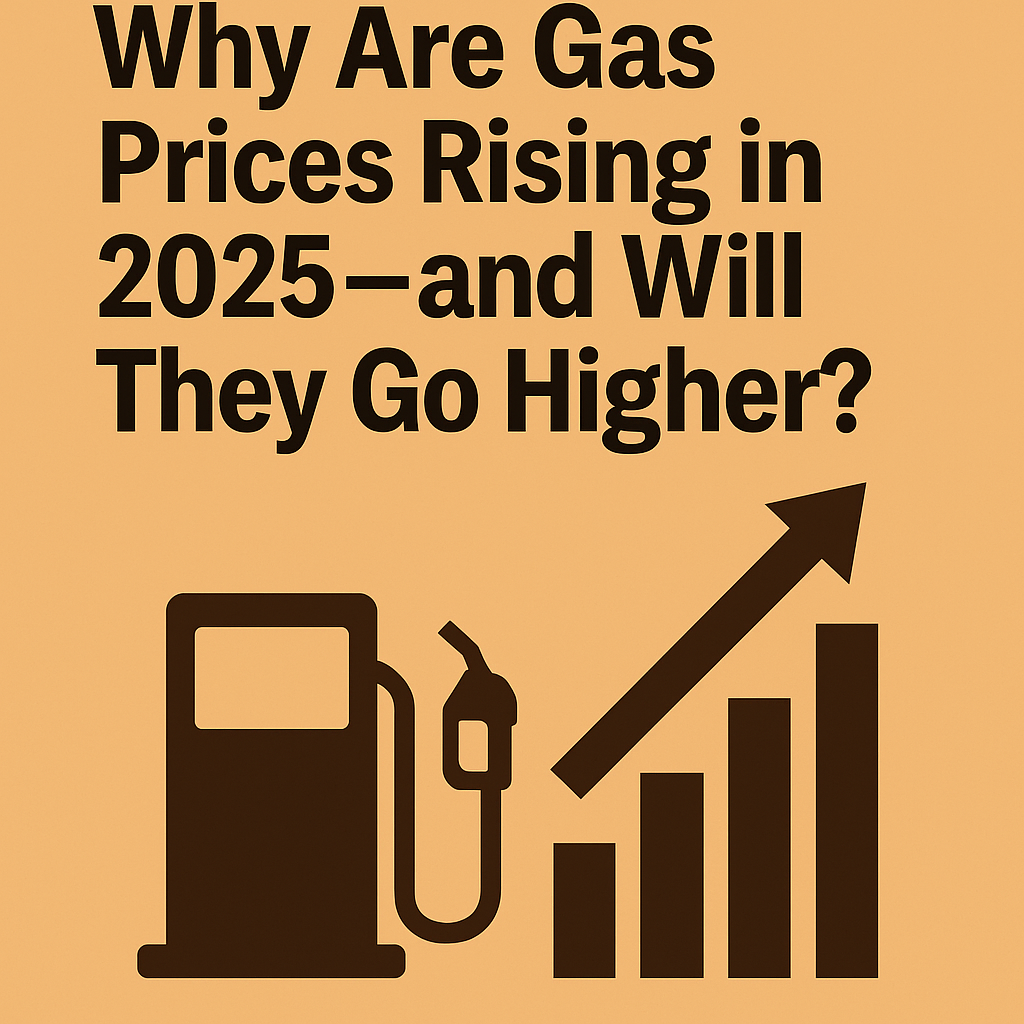
  • Why Are Gas Prices Rising in 2025—and Will They Go Higher?

    If you’ve recently filled up your gas tank and noticed a sharp uptick in prices, you’re not imagining things. Gas prices are rising again, and there are several factors at play. From geopolitical conflicts to seasonal market shifts, a variety of forces are combining to drive fuel costs higher. Let’s explore what’s causing the increase—and whether we should expect prices to keep climbing.


    1. Middle East Tensions Spark Market Fears

    One of the biggest reasons gas prices have spiked recently is the rising tension between Israel and Iran. After Israel launched strikes on Iranian military and nuclear facilities, Iran responded with missile threats, sending shockwaves through global oil markets. Oil traders worry that continued conflict could disrupt oil shipments through the Strait of Hormuz—a key route that moves nearly 20% of the world’s oil supply.

    This uncertainty caused Brent crude oil prices to jump by $10 per barrel, pushing up gas prices globally. In the U.S., even a $10 jump in oil often results in a 20–30 cent increase per gallon at the pump.


    2. Seasonal Shift to Summer Fuel Formulas

    Another factor driving prices up is the annual switch from winter-blend gasoline to summer-blend fuel. Summer fuel is designed to reduce smog and evaporative emissions in hotter weather, but it’s more expensive to refine. This seasonal change typically increases prices by 5–10 cents per gallon each year, even if oil prices stay the same.


    3. Travel Demand and Market Recovery

    As summer kicks off, more Americans hit the road for vacations, family visits, and weekend getaways. This seasonal demand for fuel naturally pushes prices higher. While earlier in the year fuel demand was relatively low, recent travel activity has picked up—contributing to a sudden surge in gasoline prices across the U.S.


    4. Inflation and Supply Chain Costs

    Don’t forget that inflation is still making everything more expensive—including gas. Oil makes up the bulk of what you pay at the pump, but costs like refining, transportation, and retail markup also rise when inflation is high. Even as inflation cools in some sectors, fuel costs remain sticky due to global uncertainty and increased demand.


    What to Expect in the Coming Weeks and Months

    🔍 Short-Term Forecast

    In the short term, gas prices will likely stay high—or even go higher. As long as the Israel-Iran conflict simmers and oil traders remain nervous, we can expect crude prices to stay elevated. If there’s any serious disruption in oil shipping routes, prices could spike even more.

    🔮 Medium-Term Outlook

    Here’s what could influence gas prices over the next few months:

    Key FactorCould Increase PricesCould Lower Prices
    Middle East ConflictWar spreads or affects oil routesDe-escalation, peace talks
    OPEC+ PoliciesCut productionIncrease output
    Seasonal TravelPeak summer drivingFall travel slowdown
    InflationHigher production costsFed rate cuts, cooling inflation

    If tensions in the Middle East worsen, gas prices could go well beyond $4 per gallon. But if the situation stabilizes and oil production ramps up, we might see relief by late summer or early fall.


    🛣️ Long-Term Perspective

    Looking ahead, gas prices are expected to remain volatile. Even though electric vehicles and renewable energy are growing, the world still relies heavily on oil. As long as that’s true, global events and supply chain issues will continue to influence what we pay at the pump.


    How Drivers Can Cope

    1. Track Prices: Use gas apps like GasBuddy to find the lowest prices near you.
    2. Drive Smarter: Combine errands, avoid idling, and keep your tires properly inflated.
    3. Consider Carpooling or Public Transit: Share the cost or skip the drive.
    4. Stay Informed: Keep an eye on global events and market trends—they impact local prices more than most realize.

    Final Thoughts

    Gas prices are climbing due to a mix of global conflict, summer travel demand, and inflationary pressures. While it’s tough to predict exactly how high they’ll go, many experts warn that prices could continue to rise in the short term—especially if tensions in the Middle East continue to escalate.

    The best thing drivers can do is stay informed, plan ahead, and take steps to use fuel efficiently. Whether prices fall or keep climbing, being proactive can help you save money and stay ahead of the curve.

    Frequently Asked Questions About Rising Gas Prices in 2025

    Background Information:
    In 2025, gas prices are experiencing notable increases due to a combination of factors, including global supply chain disruptions, geopolitical tensions, production decisions by OPEC, and shifts in consumer demand. Understanding the reasons behind these fluctuations can help consumers anticipate future trends and make informed decisions regarding their fuel usage and budget.


    1. Why are gas prices rising in 2025?
    Gas prices are rising in 2025 primarily due to increased global demand post-pandemic, combined with supply chain disruptions and geopolitical tensions in oil-producing regions. Additionally, production cuts by OPEC and other oil-producing countries have limited the supply of crude oil, driving prices higher at the pump.


    2. Are there any specific events contributing to the rise in gas prices?
    Yes, several specific events are contributing to rising gas prices in 2025. These include ongoing conflicts in key oil-producing regions, economic sanctions affecting oil exports, and unexpected natural disasters impacting refining capacity. Furthermore, the transition to renewable energy sources has also created uncertainties in the fossil fuel market, affecting supply.


    3. Will gas prices go higher in 2025?
    While it’s difficult to predict with certainty, many analysts suggest that gas prices may continue to rise in 2025 due to ongoing geopolitical tensions, potential supply chain issues, and seasonal demand increases. However, market factors such as increased investments in renewable energy, advancements in extraction technology, and changes in consumer behavior could also stabilize or lower prices in the long term.


    4. How can consumers cope with rising gas prices?
    Consumers can cope with rising gas prices by adopting fuel-efficient driving habits, using public transportation, carpooling, or considering electric or hybrid vehicles. Additionally, shopping for the best gas prices through apps or websites that track fuel costs can help mitigate the impact of rising prices on individual budgets.


    5. What impact will rising gas prices have on the economy in 2025?
    Rising gas prices can have a significant impact on the economy by increasing transportation costs, which may lead to higher prices for goods and services. This can subsequently affect consumer spending, as families may have to allocate more of their budget to fuel expenses. Additionally, businesses that rely heavily on transportation may face reduced profit margins, potentially leading to job cuts or price increases.


    By understanding these frequently asked questions and their answers, consumers can better navigate the complexities of the fuel market in 2025 and anticipate changes that may affect their financial decisions related to fuel consumption.

  • नेपाल ऑयल निगम ने पेट्रोल और डीजल के मूल्य 1 असार से संशोधित किए

    oil price

    नेपाल ऑयल निगम (एनओसी) ने एक आधिकारिक प्रेस विज्ञप्ति जारी करते हुए 2082 साल के असार 1 (15 जून, 2025) से लागू होने वाले पेट्रोलियम पदार्थों के मूल्य में वृद्धि की घोषणा की है। यह निर्णय भारतीय इंडियन ऑयल कॉर्पोरेशन (IOC) से आयात होने वाली नई मूल्य संरचना के आधार पर लिया गया है। मूल्य वृद्धि पेट्रोल और डीजल/मिट्टी तेल दोनों पर लागू होगी, जिससे देशभर के वितरण केंद्र प्रभावित होंगे।


    इंडियन ऑयल कॉर्पोरेशन से आयात की गई नई मूल्य दरें

    नवीनतम जानकारी के अनुसार, अब नेपाल इंडियन ऑयल कॉर्पोरेशन से पेट्रोल ₹117.12 प्रति लीटर की दर से खरीदेगा, जबकि पहले यह ₹116.10 थी। इसी तरह, डीजल का मूल्य ₹100 से बढ़कर ₹100.70 प्रति लीटर हो गया है। इस आधार मूल्य में बदलाव के साथ एनओसी ने खुदरा मूल्य में भी समायोजन किया है।


    मूल्य परिवर्तन का कार्यान्वयन

    एनओसी ने असार 1, 2082 (15 जून, 2025) की मध्यरात्रि से नए मूल्य लागू किए हैं। इसके तहत उपभोक्ताओं को अब पेट्रोलियम उत्पादों के लिए थोड़ी अधिक कीमत चुकानी होगी। यह निर्णय अंतरराष्ट्रीय बाजार में तेल की कीमतों में उतार-चढ़ाव और आयात लागत के आधार पर सरकार की नीति के तहत लिया गया है।


    नए खुदरा मूल्य (लागू तिथि: असार 1, 2082 – रात 12:00 बजे से)

    स्थानपेट्रोल (रु./ली.)डीजल/मिट्टी तेल (रु./ली.)
    काठमांडू, पोखरा, दिपायल, धनगढी, अमलेखगंज, नेपालगंज174.50152.50
    दांग, सुर्खेत, चराजली, जनकपुर175.50153.50
    विराटनगर, बीरगंज176.00154.00
    भद्रपुर176.50154.50

    एनओसी ने बताया कि यह संशोधन उसकी “स्वचालित मूल्य समायोजन प्रणाली” के तहत किया गया है, जो अंतरराष्ट्रीय बाजार की कीमतों और परिवहन लागत को ध्यान में रखती है।


    क्षेत्रीय प्रभाव

    • काठमांडू उपत्यका: पेट्रोल ₹174.50, डीजल ₹152.50 प्रति लीटर
    • पोखरा, दिपायल, नेपालगंज: मूल्य काठमांडू के बराबर
    • जनकपुर, दांग, सुर्खेत: प्रति लीटर ₹1 अधिक
    • विराटनगर, बीरगंज: ₹1.50 अधिक
    • भद्रपुर: सबसे महंगा क्षेत्र – पेट्रोल ₹176.50 और डीजल ₹154.50 प्रति लीटर

    एनओसी का बयान और सार्वजनिक सूचना

    एनओसी ने देश में पेट्रोलियम उत्पादों की आपूर्ति सुनिश्चित करने की प्रतिबद्धता जताई है। उसने स्पष्ट किया है कि यह मूल्यवृद्धि अंतरराष्ट्रीय मूल्य, आयात लागत, संचालन खर्च और कर के आधार पर की गई है। उपभोक्ताओं पर न्यूनतम प्रभाव डालने का प्रयास किया गया है।


    सार्वजनिक प्रतिक्रिया और भविष्य की संभावनाएँ

    इस मूल्यवृद्धि पर जनमानस और व्यापारिक क्षेत्रों की प्रतिक्रियाएं मिली-जुली रही हैं। कुछ लोग नेपाल की आयात निर्भरता को समझते हैं, तो कुछ परिवहन और जीवनयापन की लागत में वृद्धि को लेकर चिंतित हैं।

    यदि भविष्य में अंतरराष्ट्रीय बाजार में कच्चे तेल की कीमतें स्थिर या कम होती हैं, तो एनओसी की स्वचालित प्रणाली के तहत खुदरा कीमतों में भी गिरावट की संभावना रहेगी।


    निष्कर्ष

    नेपाल ऑयल निगम का यह निर्णय देश की आर्थिक स्थिरता और ऊर्जा आवश्यकताओं की पूर्ति के दीर्घकालीन रणनीति के अनुरूप है। चूंकि नेपाल पूरी तरह से पेट्रोलियम उत्पादों के लिए भारत पर निर्भर है, इसलिए अंतरराष्ट्रीय बाजार में किसी भी प्रकार की कीमत में बदलाव का सीधा प्रभाव नेपाल पर पड़ता है।

    उपभोक्ताओं को सलाह दी जाती है कि वे मूल्य से संबंधित जानकारी के लिए एनओसी की आधिकारिक वेबसाइट www.noc.org.np या इसके सोशल मीडिया प्लेटफॉर्म्स पर नजर बनाए रखें।


    प्रायः पूछे जाने वाले प्रश्न (FAQ) – हिंदी में

    प्रश्न 1: पेट्रोल और डीजल की कीमत कब से बढ़ाई गई है?
    उत्तर: 2082 असार 1 (15 जून, 2025) की मध्यरात्रि 12:00 बजे से लागू है।

    प्रश्न 2: मूल्यवृद्धि का मुख्य कारण क्या है?
    उत्तर: इंडियन ऑयल कॉर्पोरेशन से आयात मूल्य में वृद्धि और अंतरराष्ट्रीय बाजार में उतार-चढ़ाव।

    प्रश्न 3: कितना मूल्य बढ़ा है?
    उत्तर:

    • पेट्रोल: ₹116.10 से ₹117.12 प्रति लीटर
    • डीजल: ₹100 से ₹100.70 प्रति लीटर

    प्रश्न 4: क्षेत्रीय मूल्य में क्या फर्क है?
    उत्तर:

    • काठमांडू: पेट्रोल ₹174.50, डीजल ₹152.50
    • दांग, जनकपुर: ₹1 ज्यादा
    • विराटनगर, बीरगंज: ₹1.50 ज्यादा
    • भद्रपुर: सबसे महँगा

    प्रश्न 5: मूल्य निर्धारण कैसे होता है?
    उत्तर: एनओसी की स्वचालित मूल्य समायोजन प्रणाली के अनुसार—अंतरराष्ट्रीय मूल्य, आयात, परिवहन, संचालन खर्च और करों के आधार पर।

    प्रश्न 6: क्या भविष्य में कीमतें घट सकती हैं?
    उत्तर: हाँ, अगर कच्चे तेल की अंतरराष्ट्रीय कीमतें घटती हैं।

    प्रश्न 7: उपभोक्ताओं को जानकारी कहाँ से मिलेगी?
    उत्तर: www.noc.org.np और एनओसी के सोशल मीडिया से।

    प्रश्न 8: मूल्यवृद्धि से और किन चीजों पर असर पड़ेगा?
    उत्तर: परिवहन, ढुलाई और आवश्यक वस्तुओं की कीमतें बढ़ सकती हैं।

  • नेपाल आयल निगमले पेट्रोल र डिजेलको मूल्य असार १ गतेदेखि संशोधन गर्‍यो

    नेपाल आयल निगम (एनओसी) ले एक प्रेस विज्ञप्ति जारी गर्दै २०८२ साल असार १ गतेदेखि लागू हुने गरी पेट्रोलियम पदार्थको मूल्य वृद्धि गरेको घोषणा गरेको छ। भारतको इन्डियन आयल कर्पोरेसन (IOC) बाट आयात हुने मूल्य संशोधनको आधारमा यो निर्णय गरिएको हो। मूल्यवृद्धि पेट्रोल र डिजेल/मट्टितेल दुवैमा लागू हुनेछ, जसले देशभरका वितरण केन्द्रहरूमा प्रभाव पार्नेछ।


    इन्डियन आयल कर्पोरेसनबाट आयात हुने नयाँ मूल्य

    नयाँ विवरणअनुसार नेपालले अब इन्डियन आयल कर्पोरेसनबाट पेट्रोल प्रतिलिटर रू. ११७.१२ मा खरिद गर्नेछ, जुन पहिले रू. ११६.१० थियो। त्यस्तै, डिजेलको मूल्य पनि रू. १०० बाट बढेर रू. १००.७० प्रतिलिटर पुगेको छ। आधार मूल्यको यस परिवर्तनसँगै एनओसीले खुद्रा बिक्री मूल्यमा समेत समायोजन गरेको हो।


    मूल्य परिवर्तनको कार्यान्वयन

    एनओसीले असार १, २०८२ (जुन १५, २०२५) को मध्यरातदेखि नयाँ मूल्यहरू लागू गरेको छ। देशका विभिन्न क्षेत्रमा उपभोक्ताहरूले पेट्रोलियम पदार्थको लागि अलिकति बढी मूल्य तिर्नुपर्नेछ। यो निर्णय अन्तर्राष्ट्रिय बजार मूल्यमा आएको उतारचढाव र आयात मूल्य अनुसार मूल्य समायोजन गर्ने सरकारी नीतिसँग मेल खान्छ।


    नयाँ खुद्रा मूल्यहरू (लागू मिति: असार १, २०८२, राति १२:०० बजेबाट)

    उत्पादन काठमाडौं, पोखरा, दिपायल, धनगढी, अमलेखगञ्ज, नेपालगञ्ज सुर्खेत, दाङ, चराजली, जनकपुर विराटनगर, वीरगञ्ज भद्रपुर

    पेट्रोल रू. १७४.५० प्रतिलिटर रू. १७५.५० रू. १७६.०० रू. १७६.५०
    डिजेल/मट्टितेल रू. १५२.५० प्रतिलिटर रू. १५३.५० रू. १५४.०० रू. १५४.५०

    एनओसीको “स्वचालित मूल्य समायोजन प्रणाली” अनुसार मूल्य हेरफेर गरिएको हो, जसले अन्तर्राष्ट्रिय बजारको उतारचढाव र यातायात खर्चलाई ध्यानमा राख्छ।


    क्षेत्रीय प्रभाव

    काठमाडौं उपत्यका र वरपरका क्षेत्रमा पेट्रोल प्रतिलिटर रू. १७४.५० र डिजेल रू. १५२.५० मा उपलब्ध हुनेछ। अन्य क्षेत्रमा यातायात खर्चका कारण मूल्यमा केही फरक देखिनेछ।

    पोखरा, दिपायल, धनगढी, अमलेखगञ्ज: मूल्यहरू काठमाडौं सरह रहनेछन्।

    जनकपुर, दाङ, सुर्खेत: पेट्रोल र डिजेलको मूल्य काठमाडौंभन्दा रू. १ बढी।

    विराटनगर, वीरगञ्ज: काठमाडौंभन्दा रू. १.५० बढी।

    भद्रपुर: पेट्रोल रू. १७६.५० र डिजेल रू. १५४.५० प्रतिलिटर—सबैभन्दा महँगो मूल्य रहेको क्षेत्र।


    एनओसीको भनाइ र सार्वजनिक सूचना

    नेपाल आयल निगमले मुलुकभर पेट्रोलियम पदार्थको सहज आपूर्ति सुनिश्चित गर्ने प्रतिवद्धता जनाएको छ। मूल्यवृद्धि आवश्यक भएको बताउँदै एनओसीले आयात लागत, सञ्चालक खर्च, र अन्तर्राष्ट्रिय मूल्य वृद्धि सन्तुलनमा राख्न मूल्य संशोधन गरिएको उल्लेख गरेको छ।

    यो मूल्यवृद्धि उपभोक्तामैत्री तरिकाले निर्धारण गरिएको बताइएको छ। निगमले भनेको छ— मूल्य समायोजन गर्दा सक्दो न्यून प्रभाव पार्ने प्रयास गरिएको छ।


    सार्वजनिक प्रतिक्रिया र भविष्यको आँकलन

    सधैंझैँ यो मूल्यवृद्धिले आम जनमानस र व्यवसायिक क्षेत्रबाट मिश्रित प्रतिक्रिया पाएको छ। कतिपयले नेपालको आयातमा निर्भरता बुझेको देखिन्छ भने, अन्यले यातायात खर्च बढ्ने र दैनिक उपभोग्य वस्तुमा असर पर्ने चिन्ता व्यक्त गरेका छन्।

    आगामी महिनाहरूमा पनि नेपाल आयल निगमले स्वचालित मूल्य समायोजन प्रणालीलाई निरन्तरता दिने अपेक्षा गरिएको छ। अन्तर्राष्ट्रिय बजारमा कच्चा तेलको मूल्य स्थिर वा घट्ने हो भने, भोलिका दिनहरूमा मूल्य घट्ने सम्भावना पनि छ।


    निष्कर्ष

    नेपाल आयल निगमको पछिल्लो निर्णय मुलुकको वित्तीय स्थायित्व कायम राख्ने र बढ्दो जनसंख्याको आवश्यकता पूरा गर्ने दीर्घकालीन रणनीति अन्तर्गत लिइएको हो। नेपालले सबै पेट्रोलियम पदार्थ भारतबाट आयात गर्ने भएकाले अन्तर्राष्ट्रिय बजारको मूल्य परिवर्तनले सधैं असर गर्नेछ।

    उपभोक्ताहरूलाई भविष्यमा आउने मूल्यसम्बन्धी सूचनाका लागि एनओसीको आधिकारिक वेबसाइट र सामाजिक सञ्जालमार्फत अपडेट भइरहने जानकारी लिने सल्लाह दिइन्छ।

    यहाँ नेपाल आयल निगमद्वारा पेट्रोलियम मूल्यवृद्धि सम्बन्धी विषयमा केही प्रायः सोधिने प्रश्न (FAQ) हरू नेपाली भाषामा प्रस्तुत गरिएको छ:


    प्रश्न १: नेपाल आयल निगमले पेट्रोल र डिजेलको मूल्य कहिलेदेखि बढाएको हो?

    उत्तर:
    एनओसीले पेट्रोलियम पदार्थको नयाँ मूल्य २०८२ असार १ गते (जुन १५, २०२५) को मध्यरात १२:०० बजेदेखि लागू गरेको हो।


    प्रश्न २: मूल्यवृद्धिको मुख्य कारण के हो?

    उत्तर:
    मुख्य कारण हो—इन्डियन आयल कर्पोरेसन (IOC) बाट आयात हुने पेट्रोल र डिजेलको मूल्यमा वृद्धि हुनु। अन्तर्राष्ट्रिय बजार मूल्यमा आएको परिवर्तनका कारण आयात मूल्य बढेको हो।


    प्रश्न ३: कति मूल्य वृद्धि भएको हो?

    उत्तर:

    पेट्रोल: IOC बाट आयात मूल्य प्रतिलिटर रू. ११६.१० बाट बढेर रू. ११७.१२ भएको छ।

    डिजेल: प्रतिलिटर रू. १०० बाट बढेर रू. १००.७० भएको छ।
    खुद्रा बजारमा पनि यिनै आधारमा मूल्य समायोजन गरिएको छ।


    प्रश्न ४: मूल्यवृद्धिले कुन क्षेत्रमा कति असर गर्छ?

    उत्तर:
    क्षेत्रअनुसार मूल्यमा थोरै भिन्नता छ:

    काठमाडौं, पोखरा, नेपालगञ्ज आदि: पेट्रोल रू. १७४.५० र डिजेल रू. १५२.५०

    जनकपुर, दाङ, सुर्खेत: पेट्रोल र डिजेलमा रू. १ थप

    विराटनगर, वीरगञ्ज: रू. १.५० थप

    भद्रपुर: पेट्रोल रू. १७६.५० र डिजेल रू. १५४.५० — सबैभन्दा महँगो


    प्रश्न ५: मूल्य निर्धारण कसरी गरिन्छ?

    उत्तर:
    एनओसीले स्वचालित मूल्य समायोजन प्रणाली अनुसार अन्तर्राष्ट्रिय मूल्य, आयात लागत, यातायात खर्च, कर र सञ्चालक खर्चका आधारमा मूल्य निर्धारण गर्छ।


    प्रश्न ६: भविष्यमा मूल्य घट्ने सम्भावना छ कि?

    उत्तर:
    हो, यदि अन्तर्राष्ट्रिय बजारमा कच्चा तेलको मूल्य घट्छ भने, एनओसीले मूल्य घटाउने सम्भावना पनि रहन्छ। मूल्य समायोजन अन्तर्राष्ट्रिय बजारसँग मिलाएर गरिन्छ।


    प्रश्न ७: उपभोक्ताले मूल्यबारे जानकारी कहाँबाट पाउन सक्छन्?

    उत्तर:
    एनओसीको आधिकारिक वेबसाइट www.noc.org.np वा सामाजिक सञ्जालमार्फत मूल्यसम्बन्धी अद्यावधिक जानकारी लिन सकिन्छ।


    प्रश्न ८: मूल्यवृद्धिले अन्य क्षेत्रमा के असर पर्छ?

    उत्तर:
    पेट्रोलियम पदार्थको मूल्य बढ्दा यातायात, ढुवानी खर्च र दैनिक उपभोग्य वस्तुहरूको मूल्यमा वृद्धि हुनसक्छ। व्यवसाय र आम जनतालाई खर्च बढ्न सक्नेछ।

  • Nepal Oil Corporation Revises Petrol and Diesel Prices from June 15, 2025

    In a new press statement, the Nepal Oil Corporation (NOC) has officially announced an increase in petroleum prices effective from June 15, 2025 (Asar 1, 2082 B.S.). This decision comes in the wake of revised purchase rates of petroleum products imported from Indian Oil Corporation (IOC). The updated prices apply to both petrol and diesel/kerosene, affecting distribution centers across the country.

    New Import Prices from Indian Oil Corporation

    As per the latest update, Nepal is now purchasing petrol at a new rate of Rs. 117.12 per liter from IOC, up from the previous Rs. 116.10 per liter. Similarly, diesel prices have been revised from Rs. 100 to Rs. 100.70 per liter. This adjustment in the base prices prompted NOC to review and update the local selling prices accordingly.

    Implementation of Price Changes

    The price revision has been implemented by NOC from midnight of Asar 1, 2082 (June 15, 2025). Consumers in different regions will now pay slightly increased rates for fuel. The changes are in alignment with the government policy to adjust fuel prices based on international market fluctuations and the pricing structure from the IOC.

    Updated Retail Prices for Fuel (Effective from 12:00 AM, Asar 1, 2082)

    The updated prices of petrol and diesel/kerosene across various NOC depots are as follows:

    Product Kathmandu, Pokhara, Dipayal, Dhangadhi, Amlekhgunj, Nepalgunj Surkhet, Dang, Charali, Janakpur Biratnagar, Birgunj Bhadrapur

    Petrol Rs. 174.50 per liter Rs. 175.50 Rs. 176.00 Rs. 176.50
    Diesel/ Kerosene Rs. 152.50 per liter Rs. 153.50 Rs. 154.00 Rs. 154.50

    The decision aligns with Nepal Oil Corporation’s automatic pricing mechanism, which regularly adjusts prices to reflect fluctuations in international rates and transport margins.

    Regional Impact

    While Kathmandu Valley and surrounding regions will see petrol priced at Rs. 174.50 and diesel at Rs. 152.50 per liter, prices differ slightly in other regions due to transportation costs and depot-specific pricing structures.

    In Pokhara, Dipayal, Dhangadhi, and Amlekhgunj: Fuel rates will remain similar to those in Kathmandu.

    In Janakpur, Dang, and Surkhet: Petrol and diesel are Rs. 1 higher compared to Kathmandu.

    In Biratnagar and Birgunj: Fuel prices are Rs. 1.50 higher than in the capital.

    In Bhadrapur: Petrol is priced at Rs. 176.50 and diesel at Rs. 154.50 per liter—the highest rates among all the listed regions.

    NOC’s Statement and Public Notice

    Nepal Oil Corporation has reiterated its commitment to ensure a smooth supply of petroleum products across the country. It stated that the pricing changes were necessary to balance the rising costs of imports and maintain adequate stock levels.

    The notice also emphasizes that the price hike has been calculated fairly, keeping in mind operational expenses and international price shifts. NOC’s pricing strategy aims to reflect real-time market conditions while minimizing the burden on consumers as much as possible.

    Public Reaction and Outlook

    As with any fuel price change, this announcement has led to mixed responses from the public and business sectors. While some acknowledge the global market dependencies that Nepal faces, others express concern over increased transport costs and the ripple effect on daily commodities.

    In the coming months, Nepal Oil Corporation is expected to continue following the automatic pricing system. If international crude oil prices stabilize or drop, it could result in a future reduction in domestic prices as well.

    Conclusion

    The Nepal Oil Corporation’s decision to revise fuel prices is part of a broader strategy to maintain financial sustainability and meet the demands of a growing population. As Nepal continues to import all its petroleum needs from India, fluctuations in global oil prices will inevitably impact domestic rates.

    For now, consumers are advised to stay updated with NOC’s official channels for any upcoming revisions or changes in fuel supply status.

    Frequently Asked Questions (FAQ)

    Q1: Why did Nepal Oil Corporation increase the fuel prices on June 15, 2025?
    A: The price hike is a result of the revised import cost from Indian Oil Corporation (IOC). Petrol import cost increased to Rs. 117.12 per liter and diesel to Rs. 100.70 per liter. NOC adjusted domestic prices to reflect this change.


    Q2: When did the new prices come into effect?
    A: The new prices were implemented from midnight (12:00 AM) on June 15, 2025 (Asar 1, 2082 B.S.).


    Q3: What are the current prices of petrol and diesel in Kathmandu?
    A: As of June 15, 2025, petrol is priced at Rs. 174.50 per liter, and diesel/kerosene is priced at Rs. 152.50 per liter in Kathmandu.


    Q4: Do fuel prices differ across regions in Nepal?
    A: Yes, fuel prices vary slightly across different depots and regions due to transportation costs. For example, petrol costs Rs. 176.50 in Bhadrapur, while it’s Rs. 174.50 in Kathmandu.


    Q5: How often does NOC revise fuel prices?
    A: Nepal Oil Corporation uses an automatic pricing system, which reviews and adjusts fuel prices regularly based on changes in international market rates and import costs.


    Q6: Who supplies petroleum to Nepal?
    A: Nepal imports its petroleum products from Indian Oil Corporation (IOC) under a government-to-government agreement.


    Q7: Will prices go down if global oil rates drop?
    A: Yes, if global oil prices decline and IOC reduces the supply price, NOC is expected to reduce the domestic fuel prices accordingly through its pricing mechanism.


    Q8: Where can I check the latest fuel prices in Nepal?
    A: You can visit the official website of Nepal Oil Corporation (www.noc.org.np) or follow their verified social media handles for real-time price updates.

  • Kosi Petrol Pump: Reliable Fuel Station in Biratnagar for Quality Service

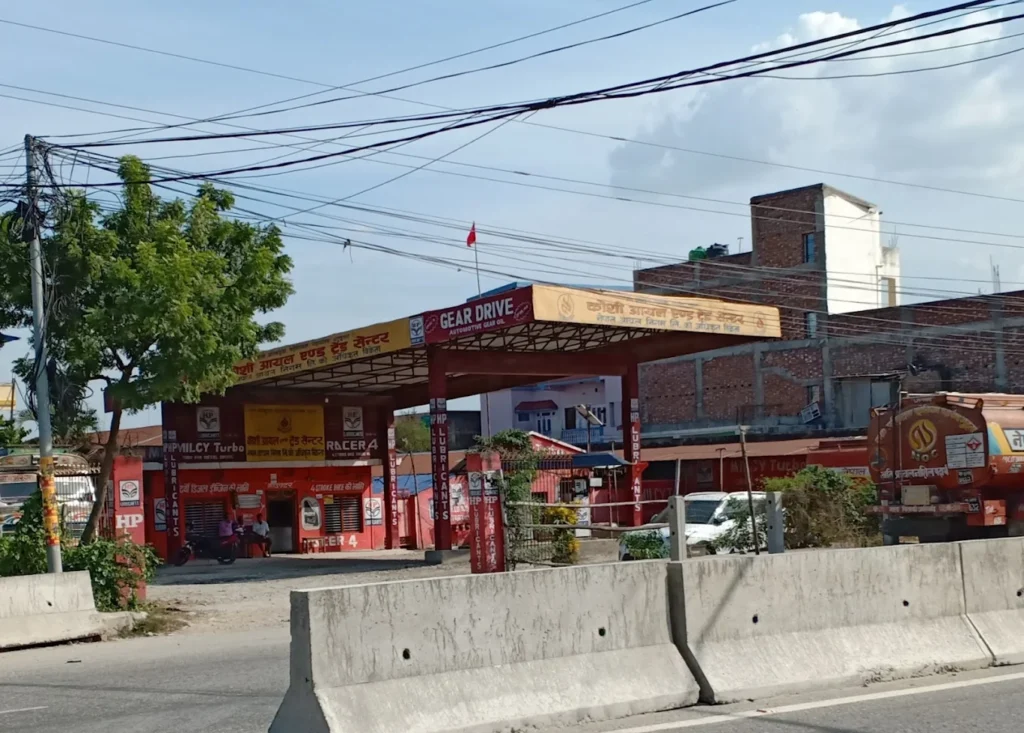
    For residents and travelers in Biratnagar, finding a trustworthy and convenient fuel station is essential. Kosi Petrol Pump, located on Dharan Road, is a top choice for many drivers due to its excellent service, prime location, and commitment to quality fuel.

    Prime Location on Dharan Road, Biratnagar

    Kosi Petrol Pump is situated at F7RH+VFW, Dharan Rd, Biratnagar 56613, making it easily accessible for both local commuters and long-distance travelers. Dharan Road is a key route in Biratnagar, and having a dependable petrol station here is crucial for smooth journeys.

    Whether you drive a car, motorcycle, or commercial vehicle, Kosi Petrol Pump’s convenient location means you can quickly stop for fuel without detours or delays.

    Convenient Operating Hours Every Day

    Understanding the needs of customers, Kosi Petrol Pump operates from 7 AM to 8 PM every day, including weekends. These extended hours ensure that whether you start your day early or return late, fuel is always available.

    Consistent daily hours make it easy to plan your visits without worrying about the station being closed. This schedule also caters to busy professionals, truck drivers, and weekend travelers alike.

    Meet the Contact Person: Mr. Lalit Goel

    For any queries or support related to fuel services, you can reach out to the station’s contact person, Mr. Lalit Goel, at 00977 9852026760. Mr. Goel oversees operations and customer service, ensuring a smooth experience for all patrons.

    Having a dedicated contact makes it easier to address questions about fuel types, prices, or additional services, providing customers with peace of mind and personalized assistance.

    Premium Quality Fuel for Optimal Vehicle Performance

    At Kosi Petrol Pump, fuel quality is a top priority. The station offers petrol and diesel that meet rigorous standards to help your vehicle perform efficiently and reliably.

    Using high-quality fuel from Kosi Petrol Pump can improve engine longevity, enhance mileage, and reduce the risk of breakdowns caused by substandard fuel. This makes it an excellent choice for anyone who values their vehicle’s health and performance.

    Additional Services to Support Your Vehicle

    Beyond fueling, Kosi Petrol Pump provides helpful services aimed at supporting vehicle maintenance and customer convenience, such as:

    • Basic vehicle inspections and oil top-ups
    • Friendly and knowledgeable staff assistance
    • Clean, safe, and well-maintained premises

    These extra services make Kosi Petrol Pump more than just a refueling spot—it’s a place where drivers receive care and attention for their vehicles.

    Why Choose Kosi Petrol Pump?

    Several factors contribute to the popularity of Kosi Petrol Pump among Biratnagar residents:

    • Daily availability from 7 AM to 8 PM, catering to a wide range of schedules
    • Strategic location on a busy city road, ensuring easy access
    • Consistently high-quality fuel products
    • Customer-focused service led by Mr. Lalit Goel
    • Clean and secure environment for customers

    These qualities combine to create a fuel station that customers trust and rely on.

    Trusted by the Biratnagar Community

    Kosi Petrol Pump has earned a strong reputation in Biratnagar, thanks to its reliability and excellent customer service. Many customers choose this station repeatedly, appreciating the convenience and quality offered every time.

    The station’s commitment to safety and customer satisfaction reflects its role as a valuable part of the local community’s daily life.

    Conclusion: Your Go-To Fuel Station in Biratnagar

    When you need quality fuel and dependable service in Biratnagar, Kosi Petrol Pump on Dharan Road is the ideal choice. With convenient hours, a prime location, and a dedicated team, it provides everything motorists need to keep their vehicles running smoothly.

    For questions or assistance, contact Mr. Lalit Goel at 00977 9852026760. Experience fuel service you can trust, right here in Biratnagar.

  • Disclaimer for sharmaroadlinespvtltd.com

    If you require any more information or have any questions about our site’s disclaimer, please feel free to contact us by email at sharmaroadlinespvtltds@gmail.com

    Disclaimers for sharmaroadlinespvtltd.com

    All the information on this website – sharmaroadlinespvtltd.com – is published in good faith and for general information purpose only. sharmaroadlinespvtltd.com does not make any warranties about the completeness, reliability and accuracy of this information. Any action you take upon the information you find on this website (sharmaroadlinespvtltd.com), is strictly at your own risk. sharmaroadlinespvtltd.com will not be liable for any losses and/or damages in connection with the use of our website.

    From our website, you can visit other websites by following hyperlinks to such external sites. While we strive to provide only quality links to useful and ethical websites, we have no control over the content and nature of these sites. These links to other websites do not imply a recommendation for all the content found on these sites. Site owners and content may change without notice and may occur before we have the opportunity to remove a link which may have gone ‘bad’.

    Please be also aware that when you leave our website, other sites may have different privacy policies and terms which are beyond our control. Please be sure to check the Privacy Policies of these sites as well as their “Terms of Service” before engaging in any business or uploading any information.

    Consent

    By using our website, you hereby consent to our disclaimer and agree to its terms.

    Update

    Should we update, amend or make any changes to this document, those changes will be prominently posted here.

  • Welcome to sharmaroadlinespvtltd.com!!

    These terms and conditions outline the rules and regulations for the use of sharmaroadlinespvtltd.com’s Website, located at sharmaroadlinespvtlts@gmail.com.

    By accessing this website we assume you accept these terms and conditions. Do not continue to use sharmaroadlinespvtltd.com if you do not agree to take all of the terms and conditions stated on this page.

    The following terminology applies to these Terms and Conditions, Privacy Statement and Disclaimer Notice and all Agreements: “Client”, “You” and “Your” refers to you, the person log on this website and compliant to the Company’s ter ms and conditions. “The Company”, “Ourselves”, “We”, “Our” and “Us”, refers to our Company. “Party”, “Parties”, or “Us”, refers to both the Client and ourselves. All terms refer to the offer, acceptance, and consideration of payment necessary to undertake the process of our assistance to the Client in the most appropriate manner for the express purpose of meeting the Client’s needs in respect of the provision of the Company’s stated services, in accordance with and subject to, prevailing law of Netherlands. Any use of the above terminology or other words in the singular, plural, capitalization, and/or he/she or they, are taken as interchangeable and therefore as referring to same.

    Cookies

    We employ the use of cookies. By accessing sharmaroadlinespvtltd.com, you agreed to use cookies in agreement with sharmaroadlinespvtltd.com’s Privacy Policy.

    Most interactive websites use cookies to let us retrieve the user’s details for each visit. Cookies are used by our website to enable the functionality of certain areas to make it easier for people visiting our website. Some of our affiliate/advertising partners may also use cookies.

    License

    Unless otherwise stated,sharmaroadlinespvtltd.com and/or its licensors own the intellectual property rights for all material on sharmaroadlinespvtltd.com. All intellectual property rights are reserved. You may access this from sharmaroadlinespvtltd.com for your own personal use subject to restrictions set in these terms and conditions.

    You must not:

    • Republish material from sharmaroadlinespvtltd.com
    • Sell, rent or sub-license material from sharmaroadlinespvtltd.com
    • Reproduce, duplicate or copy material from sharmaroadlinespvtltd.com
    • Redistribute content from sharmaroadlinespvtltd.com

    This Agreement shall begin on the date hereof.

    Parts of this website offer an opportunity for users to post and exchange opinions and information in certain areas of the website.sharmaroadlinespvtltd.com does not filter, edit, publish or review Comments prior to their presence on the website. Comments do not reflect the views and opinions of sharmaroadlinespvtltd.com, its agents, and/or affiliates. Comments reflect the views and opinions of the person who posts their views and opinions. To the extent permitted by applicable laws, sharmaroadlinespvtltd.com shall not be liable for the Comments or for any liability, damages, or expenses caused and/or suffered as a result of any use of and/or posting of and/or appearance of the Comments on this website.

    sharmaroadlinespvtltd.com reserves the right to monitor all Comments and to remove any Comments which can be considered inappropriate, offensive or causes breach of these Terms and Conditions.

    You warrant and represent that:

    • You are entitled to post the Comments on our website and have all necessary licenses and consents to do so;
    • The Comments do not invade any intellectual property right, including without limitation copyright, patent or trademark of any third party;
    • The Comments do not contain any defamatory, libelous, offensive, indecent or otherwise unlawful material which is an invasion of privacy
    • The Comments will not be used to solicit or promote business or custom or present commercial activities or unlawful activity.

    You hereby grant sharmaroadlinespvtltd.com a non-exclusive license to use, reproduce, edit and authorize others to use, reproduce and edit any of your Comments in any and all forms, formats, or media.

    Hyperlinking to our Content

    The following organizations may link to our Website without prior written approval:

    • Government agencies;
    • Search engines;
    • News organizations;
    • Online directory distributors may link to our Website in the same manner as they hyperlink to the Websites of other listed businesses; and
    • System wide Accredited Businesses except soliciting non-profit organizations, charity shopping malls, and charity fundraising groups which may not hyperlink to our Web site.

    These organizations may link to our home page, to publications or to other Website information so long as the link: (a) is not in any way deceptive; (b) does not falsely imply sponsorship, endorsement or approval of the linking party and its products and/or services; and (c) fits within the context of the linking party’s site.

    We may consider and approve other link requests from the following types of organizations:

    • commonly-known consumer and/or business information sources;
    • dot.com community sites;
    • associations or other groups representing charities;
    • online directory distributors;
    • internet portals;
    • accounting, law and consulting firms; and
    • educational institutions and trade associations.

    We will approve link requests from these organizations if we decide that: (a) the link would not make us look unfavorably to ourselves or to our accredited businesses; (b) the organization does not have any negative records with us; (c) the benefit to us from the visibility of the hyperlink compensates the absence of sharmaroadlinespvtltd.com, and (d) the link is in the context of general resource information.

    These organizations may link to our home page so long as the link: (a) is not in any way deceptive; (b) does not falsely imply sponsorship, endorsement, or approval of the linking party and its products or services; and (c) fits within the context of the linking party’s site.

    If you are one of the organizations listed in paragraph 2 above and are interested in linking to our website, you must inform us by sending an e-mail to sharmaroadlinespvtltd.com. Please include your name, your organization name, contact information as well as the URL of your site, a list of any URLs from which you intend to link to our Website, and a list of the URLs on our site to which you would like to link. Wait 2-3 weeks for a response.

    Approved organizations may hyperlink to our Website as follows:

    • By use of our corporate name; or
    • By use of the uniform resource locator being linked to; or
    • By use of any other description of our Website being linked to that makes sense within the context and format of content on the linking party’s site.

    No use of sharmaroadlinespvtltd.com’s logo or other artwork will be allowed for linking absent a trademark license agreement.

    iFrames

    Without prior approval and written permission, you may not create frames around our Webpages that alter in any way the visual presentation or appearance of our Website.

    Content Liability

    We shall not be held responsible for any content that appears on your Website. You agree to protect and defend us against all claims that are rising on your Website. No link(s) should appear on any Website that may be interpreted as libelous, obscene, or criminal, or which infringes, otherwise violates or advocates the infringement or other violation of, any third party rights.

    Reservation of Rights

    We reserve the right to request that you remove all links or any particular link to our Website. You approve to immediately remove all links to our Website upon request. We also reserve the right to amen these terms and conditions and it’s linking policy at any time. By continuously linking to our Website, you agree to be bound to and follow these linking terms and conditions.

    Removal of links from our website

    If you find any link on our Website that is offensive for any reason, you are free to contact and inform us any moment. We will consider requests to remove links but we are not obligated to or so or to respond to you directly.

    We do not ensure that the information on this website is correct, we do not warrant its completeness or accuracy; nor do we promise to ensure that the website remains available or that the material on the website is kept up to date.>

    Disclaimer

    To the maximum extent permitted by applicable law, we exclude all representations, warranties and conditions relating to our website and the use of this website. Nothing in this disclaimer will:

    • limit or exclude our or your liability for death or personal injury;
    • limit or exclude our or your liability for fraud or fraudulent misrepresentation;
    • limit any of our or your liabilities in any way that is not permitted under applicable law; or
    • exclude any of our or your liabilities that may not be excluded under applicable law.

    The limitations and prohibitions of liability set in this Section and elsewhere in this disclaimer: (a) are subject to the preceding paragraph; and (b) govern all liabilities arising under the disclaimer, including liabilities arising in contract, in tort and for breach of statutory duty.

    As long as the website and the information and services on the website are provided free of charge, we will not be liable for any loss or damage of any nature.