Category: Electric vehicle

  • Rolls-Royce Spectre: The Dawn of Luxury Electric Cars That Redefines Elegance

    When people talk about luxury, elegance, and innovation, one name shines brighter than all others—Rolls-Royce. Known for creating cars that aren’t just vehicles but experiences, Rolls-Royce has now stepped into the future with something truly extraordinary—the Rolls-Royce Spectre. This isn’t just an electric car; it’s a symbol of how the world’s most luxurious automaker is embracing the future without losing its timeless charm.

    In this article, we’ll dive deep into the world of Rolls-Royce Spectre, exploring its design, performance, technology, driving experience, and what makes it more than just another EV (electric vehicle). We’ll also look at how Spectre is rewriting the rules of luxury motoring, making it a perfect blend of heritage and futuristic innovation.


    The Birth of Rolls-Royce Spectre: A New Chapter in Luxury Motoring

    Rolls-Royce has always been known for creating cars that feel like art in motion. With Spectre, the company has embarked on its first all-electric journey. This is not just a response to the global shift towards sustainability; it’s a bold statement that luxury and environmental responsibility can co-exist beautifully.

    The Spectre carries the soul of Rolls-Royce—silence, refinement, and presence—while stepping into the modern era with electric innovation. For a brand whose motto is “Strive for perfection in everything you do,” Spectre represents perfection in the age of electrification.


    Design: A Rolling Work of Art

    When you first lay eyes on the Rolls-Royce Spectre, you don’t just see a car—you feel it. The design is a perfect blend of modern sophistication and traditional craftsmanship.

    Exterior

    • The iconic Pantheon Grille has been redesigned for aerodynamic efficiency while maintaining its royal presence.
    • The sleek fastback design gives the car a dynamic silhouette, reminding us of Rolls-Royce’s historic coachbuilding roots.
    • The Spirit of Ecstasy emblem is more aerodynamic than ever, symbolizing elegance flying into the future.
    • Large, sculpted doors open wide, giving the grand entry that only Rolls-Royce can deliver.

    Interior

    • Inside, it’s a sanctuary of luxury. The cabin is wrapped in the finest leathers, wood veneers, and custom embroidery.
    • Rolls-Royce introduces the Starlight Doors and Starlight Headliner, which mimic a night sky filled with stars, creating a dreamy driving atmosphere.
    • Personalization options are endless—every Spectre is a canvas for its owner’s imagination.

    In short, Spectre is not just designed—it’s crafted.


    Performance: Power with Serenity

    One of the biggest questions people have about an electric Rolls-Royce is: Does it still feel like a Rolls-Royce?

    The answer is a resounding yes. The Spectre is powered by a dual-motor electric system that produces around 577 horsepower and 900Nm of torque, allowing this 2.9-ton beauty to glide from 0 to 60 mph in just 4.4 seconds.

    But more than speed, what matters here is effortless power delivery. Rolls-Royce calls it the “waftability” factor—the feeling of floating on the road with unshakable smoothness. The Spectre retains that same effortless grace, but now it’s even quieter, thanks to the absence of a combustion engine.

    The range of Spectre is estimated at around 260 miles (420 km), more than enough for a car whose purpose is to offer serene journeys rather than track-day thrills.


    Technology: Innovation at Its Finest

    Rolls-Royce Spectre is not just about power and luxury—it’s also about cutting-edge technology that enhances the driving experience.

    • Planar Suspension System: The car reads the road ahead, predicting bumps and adjusting the suspension for an ultra-smooth ride.
    • Digital Architecture of Luxury: A bespoke digital ecosystem that connects every aspect of the car to ensure seamless functionality.
    • Advanced Aerodynamics: Every curve and line of Spectre is designed for optimal efficiency and stability.
    • Seamless Connectivity: Infotainment and digital displays are integrated without feeling intrusive, respecting the minimalist luxury philosophy.

    Driving Experience: Silence Becomes the New Luxury

    Driving the Rolls-Royce Spectre is like stepping into another dimension. The silence of the electric motor elevates the brand’s hallmark “magic carpet ride” to new levels.

    You don’t just drive the Spectre—you experience it. Imagine gliding through the streets with absolute quietness, where even the sound of wind has been meticulously engineered for serenity. Inside, the only thing you feel is calmness, complemented by the breathtaking visuals of the Starlight interior.

    For passengers, the experience is equally divine. The wide, plush seats feel like thrones, and the ride is so smooth it almost feels like floating above the ground.


    Rolls-Royce Spectre vs Competitors

    To understand Spectre’s place in the market, let’s compare it with other luxury EVs.

    FeatureRolls-Royce SpectreTesla Model S PlaidMercedes EQSPorsche Taycan Turbo S
    Power (HP)~5771,020~516750
    0-60 mph4.4 sec1.99 sec4.1 sec2.6 sec
    Range~260 miles~396 miles~350 miles~238 miles
    FocusUltra-luxury comfortPerformance speedTech-luxurySporty luxury
    PriceStarts ~$400,000~$90,000~$120,000~$185,000

    While others focus on performance or technology, Rolls-Royce Spectre stands alone as the ultimate statement of luxury in an electric form.


    Why Rolls-Royce Spectre Matters

    The Spectre is more than just another electric vehicle—it’s a milestone. It proves that luxury brands can adopt sustainability without losing their identity. For Rolls-Royce, it’s not just about going electric; it’s about leading the way in redefining what electric luxury means.

    It’s also symbolic for its owners. Driving a Spectre isn’t about showing off wealth—it’s about showing commitment to a future that values both elegance and responsibility.


    Pricing and Availability

    Rolls-Royce Spectre comes with a starting price of around $400,000, but as with all Rolls-Royce models, the final cost depends heavily on customization. For the ultra-wealthy, Spectre is less about cost and more about individual expression. Deliveries began in 2023, and the waiting lists already show the immense demand.


    Future of Rolls-Royce: Fully Electric by 2030

    Spectre is just the beginning. Rolls-Royce has confirmed that by 2030, its entire lineup will be fully electric. The company is paving the path towards a greener future while maintaining the brand’s legacy of excellence.


    Conclusion: The Car That Makes Silence Speak

    The Rolls-Royce Spectre is not just an electric car—it’s a philosophy on wheels. It combines the grace of tradition with the promise of tomorrow. For those lucky enough to own it, the Spectre is not merely transportation; it is an emotional journey, a moving piece of art, and a glimpse into the future of luxury.

    When silence becomes the new roar, and elegance becomes electric, that’s when you know you’re driving the Rolls-Royce Spectre.

    Q1: What is the range of Rolls-Royce Spectre on a full charge?

    The Spectre offers an estimated range of around 260 miles (420 km), making it ideal for luxurious long drives.

    Q2: How much does the Rolls-Royce Spectre cost?

    The base price starts at approximately $400,000, but costs can rise significantly depending on customization.

    Q3: Is Rolls-Royce planning more electric cars in the future?

    Yes, Rolls-Royce has announced that its entire fleet will be fully electric by 2030, with Spectre being the first step in this transformation.
  • Future Demand and Capacity of Electric Vehicles: A Comprehensive Outlook

    The automobile industry is witnessing a historic transformation, with the rise of electric vehicles (EVs) marking the decline of conventional petrol and diesel-powered engines. What was once seen as a niche innovation has now become a mainstream shift, driven by environmental concerns, policy reforms, and rapid technological advancements. The coming decades will redefine mobility, with EVs set to become the backbone of global transportation.

    In this detailed article, we’ll explore the future growth of EV demand, production capacity challenges, opportunities for businesses, regional market trends, and long-term projections for the industry.


    1. The Present Status of EV Adoption

    Over the past few years, EVs have moved from being a luxury choice to a practical alternative. Sales are rising sharply, especially in developed nations. At present, EVs account for nearly 15–20% of new car sales in leading markets such as Europe, China, and the U.S., compared to less than 2% a decade ago.

    The main drivers behind this surge include:

    • Government incentives and emission rules pushing eco-friendly transport.
    • Innovations in battery technology that improve range and performance.
    • Growth of charging stations, making EVs more convenient.
    • Economic factors, like fluctuating fuel prices, encouraging the switch.

    2. Key Drivers of Future EV Demand

    The momentum of EV demand is influenced by multiple factors.

    a) Global Environmental Policies

    Nations worldwide are imposing strict climate policies. For instance, the European Union has announced a ban on selling new petrol and diesel cars by 2035, setting a strong precedent for others.

    b) Breakthroughs in Battery Technology

    Upcoming solid-state batteries promise longer mileage, shorter charging times, and better safety standards, reducing range anxiety and making EVs more attractive.

    c) Changing Consumer Preferences

    Modern buyers, particularly younger generations, see EVs as both a sustainable and stylish choice, combining environmental responsibility with advanced tech.

    d) Declining Costs

    With scaling production and falling battery prices, EVs are expected to cost the same—or less—than internal combustion engine (ICE) vehicles by 2030.


    3. Forecast of Global EV Growth

    Market studies present an optimistic future:

    • By 2030: Over 120 million EVs on the road.
    • By 2040: 50–60% of new car sales will be electric.
    • By 2050: EVs will dominate worldwide, with ICE vehicles fading from most regions.

    China is projected to remain the world leader, with the U.S. and Europe following. Developing nations are expected to scale up adoption once infrastructure and affordability improve.


    4. Challenges in Meeting Future Capacity

    The EV revolution also presents serious challenges regarding capacity and scalability.

    a) Battery Manufacturing

    Shortages of raw materials like lithium, nickel, and cobalt could disrupt production. Research into sodium-ion batteries and recycling initiatives may provide relief.

    b) Charging Infrastructure

    To support millions of EVs, countries must install tens of millions of charging points by 2040, especially in suburban and rural areas.

    c) Strain on Power Grids

    Mass EV adoption will increase electricity demand. Nations will need to modernize their grids and boost renewable energy integration to avoid supply disruptions.

    d) Supply Chain Issues

    From semiconductors to rare metals, the global supply chain must adapt quickly to keep pace with booming EV demand.


    5. Opportunities Emerging in the EV Industry

    The demand boom also unlocks new business prospects:

    • Battery recycling and re-use industries will grow exponentially.
    • Charging networks will attract investments for ultra-fast charging solutions.
    • Renewable energy providers will benefit from increased electricity demand.
    • Smart mobility technologies, like autonomous EVs and AI-based charging systems, will shape the future of urban transportation.

    6. Regional Insights on EV Demand

    United States

    Through government-backed incentives and tax credits, the U.S. aims for half of new vehicles sold to be electric by 2030.

    Europe

    With the world’s most aggressive carbon-neutral targets, Europe could become the first region to completely phase out petrol and diesel cars.

    China

    Already a global leader in EV production and adoption, China is expected to maintain dominance, backed by subsidies and powerful domestic manufacturing.

    India and Emerging Economies

    Although affordability and infrastructure remain challenges, EV penetration is expected to rise rapidly after 2035 as technology costs decline.


    7. Role of Clean Energy in EV Expansion

    For EVs to fulfill their promise, they must be powered sustainably. Future growth depends heavily on solar, wind, and hydropower-based charging solutions. Smart grids, decentralized power stations, and vehicle-to-grid systems will ensure energy efficiency.


    8. Potential Barriers to Widespread EV Adoption

    Despite its bright outlook, EV expansion may be slowed by:

    • High upfront costs in certain markets.
    • Limited rural charging access.
    • Challenges in recycling and waste management of used batteries.
    • Geopolitical tensions over raw material supply.
    • Consumer hesitation in traditional automotive regions.

    Addressing these concerns will require joint efforts from governments, automakers, and energy providers.


    9. Looking Beyond 2050: The EV Ecosystem of the Future

    In the second half of the century, mobility will look dramatically different:

    • Autonomous electric fleets could replace individual car ownership.
    • Solar-powered and wireless-charging EVs may become mainstream.
    • Shared transport solutions will dominate smart cities, lowering personal car dependency.
    • EVs will integrate into urban planning, becoming essential components of sustainable cities.

    Table: EV Growth and Market Capacity Timeline

    YearEV Market ShareEstimated EVs on RoadMajor Highlights
    2025~20%30 million+Rapid adoption across U.S., EU, China
    2030~40–50%120 million+Cost parity with ICE vehicles
    2040~60–70%400 million+EVs dominate in developed nations
    2050~90–100%1 billion+ICE vehicles nearly vanish

    Conclusion

    The global shift toward electric vehicles is unstoppable. Demand will continue to rise as policies, consumer preferences, and technology evolve. However, achieving full capacity requires coordinated progress in battery production, renewable energy, infrastructure, and recycling. If tackled correctly, the EV revolution will not only replace fossil fuel cars but also redefine mobility for a cleaner, smarter, and more sustainable future.

    by E-mobility trends

    Q1. Will EVs eventually replace traditional cars?

    Yes, but the pace will differ by region. By 2050, EVs are expected to dominate most markets, with petrol and diesel cars becoming a rarity.

    Q2. What hurdles stand in the way of meeting EV demand?

    Key challenges include limited charging stations, raw material shortages, high costs in developing nations, and recycling concerns.

    Q3. When will EVs become affordable for everyone?

    By 2030, EV prices are expected to match or drop below conventional cars, making them accessible to a wider audience.

  • How Does the Electric Vehicle Tax Credit Work? A Complete Guide for 2025

    The electric vehicle (EV) market has experienced a massive surge in popularity over the past decade. From Tesla to Rivian, Ford to Hyundai, automakers are investing billions into EV technology. Alongside this transition, governments worldwide—especially the United States—are offering financial incentives to encourage consumers to shift from gas-powered vehicles to environmentally friendly alternatives.

    One of the most significant incentives available to American EV buyers is the Electric Vehicle (EV) Tax Credit. However, many people are still confused about how exactly this tax credit works, who qualifies, and how much they can save.

    In this comprehensive guide, we’ll break down everything you need to know about the EV tax credit in 2025, including eligibility requirements, how to claim it, which vehicles qualify, income limits, common misconceptions, and importantly, how to claim the EV tax credit on taxes. By the end of this article, you’ll be equipped with a clear understanding of how the EV tax credit can benefit you, including detailed insights on how to claim the EV tax credit on taxes.


    What Is the Electric Vehicle Tax Credit?

    The Electric Vehicle Tax Credit is a federal incentive designed to encourage consumers to buy or lease electric and plug-in hybrid vehicles. It was first introduced in 2008 under the Energy Improvement and Extension Act and has since evolved through various legislative updates, most recently through the Inflation Reduction Act of 2022 (IRA).

    The credit allows eligible taxpayers to claim up to $7,500 when purchasing a qualifying new electric or plug-in hybrid vehicle. Starting in 2024, consumers can also use the credit at the point of sale, meaning they can apply the credit directly toward the vehicle’s price at the dealership instead of waiting until tax season.


    Why Was the EV Tax Credit Created?

    The U.S. government introduced the EV tax credit for several reasons:

    1. Promote clean energy adoption – EVs produce significantly lower greenhouse gas emissions compared to traditional gas-powered vehicles.
    2. Reduce dependency on fossil fuels – By encouraging EV adoption, the U.S. aims to reduce oil consumption and enhance energy independence.
    3. Support innovation and jobs – Incentives for EVs stimulate growth in the auto industry, leading to new manufacturing plants, battery development, and high-tech jobs.
    4. Meet climate goals – Federal and state governments aim to reach ambitious targets of net-zero carbon emissions by mid-century.

    How Much Is the EV Tax Credit Worth?

    The credit can be worth up to $7,500 for new EVs and up to $4,000 for used EVs, depending on eligibility factors.

    New EVs:

    Understanding How to Claim the EV Tax Credit on Taxes

    Maximum credit: $7,500

    The amount depends on whether the vehicle meets certain battery sourcing and assembly requirements.

    Used EVs:

    Maximum credit: $4,000 or 30% of the vehicle price (whichever is less).

    Applies to used EVs priced at $25,000 or less.

    This distinction was introduced by the Inflation Reduction Act, which made EVs more affordable for middle-class and first-time buyers.


    How the EV Tax Credit Works: Step-by-Step

    To fully understand the process, let’s break it down step by step:

    1. Check Vehicle Eligibility

    Not all EVs qualify for the tax credit. Factors such as final assembly location, battery component sourcing, and manufacturer sales caps influence eligibility. The U.S. Department of Energy maintains an updated list of eligible vehicles.

    1. Check Income Eligibility

    The Inflation Reduction Act imposed income limits to ensure the credit benefits middle-class households:

    Individuals: Modified Adjusted Gross Income (MAGI) must be $150,000 or less.

    Heads of Household: MAGI must be $225,000 or less.

    Joint Filers: MAGI must be $300,000 or less.

    For used EVs:

    Individuals: Income must be $75,000 or less.

    Heads of Household: $112,500 or less.

    Joint Filers: $150,000 or less.

    1. Choose Between Point-of-Sale or Tax Return

    Point-of-sale (immediate credit): Starting in 2024, buyers can transfer their credit to the dealership, effectively lowering the purchase price.

    Tax return credit: If you prefer, you can still claim the credit when filing your federal tax return (IRS Form 8936).

    1. Claim the Credit

    If taken at the dealership, the credit reduces your upfront cost immediately.

    If claimed on your taxes, it reduces your federal tax liability for the year. For example, if you owe $6,000 in federal taxes and qualify for a $7,500 credit, your liability drops to zero (but you won’t get the extra $1,500 refunded).


    Vehicle Requirements for the Tax Credit

    Not every EV qualifies for the credit. Here are the key criteria:

    1. Final Assembly Location – The vehicle must be assembled in North America.
    2. Battery Components – To qualify for the full $7,500 credit, a portion of the battery components and critical minerals must be sourced from the U.S. or countries with free trade agreements.
    3. Price Caps –

    SUVs, trucks, and vans: Must be under $80,000 MSRP.

    Sedans, hatchbacks, and other cars: Must be under $55,000 MSRP.

    1. Used EV Requirements – Must be purchased from a licensed dealer, cost less than $25,000, and be at least 2 years old.

    Example Scenarios: How the EV Tax Credit Works

    Let’s look at three different scenarios to understand the real-world application:

    Example 1: New Tesla Model Y Buyer

    Vehicle price: $54,000

    Filing status: Married couple, joint income $200,000

    Eligibility: Full $7,500 credit (vehicle qualifies, income under limit, price under cap).

    Outcome: Couple applies credit at dealership → pays $46,500 instead of $54,000.

    Example 2: Used Nissan Leaf Buyer

    Vehicle price: $18,000 (2019 model)

    Filing status: Single, income $60,000

    Eligibility: 30% of vehicle price or $4,000 (whichever is less). 30% of $18,000 = $5,400, so buyer gets $4,000.

    Outcome: Buyer effectively pays $14,000 for the vehicle.

    Example 3: Luxury EV Buyer

    Vehicle price: $95,000 (Luxury SUV)

    Filing status: Joint income $280,000

    Eligibility: Not eligible (price exceeds cap).

    Outcome: Buyer pays full price, no credit applied.


    The Difference Between a Tax Credit and a Tax Deduction

    A tax credit directly reduces the amount of tax you owe, while a tax deduction reduces the amount of taxable income. For example:

    $7,500 tax deduction → reduces taxable income by $7,500.

    $7,500 tax credit → reduces tax bill by $7,500.

    This makes the EV tax credit especially valuable, as it has a dollar-for-dollar impact on your tax bill.


    Common Misconceptions About the EV Tax Credit

    1. “I’ll get a refund if my tax liability is lower than $7,500.”

    False. The credit is non-refundable, meaning it can only reduce your tax bill to zero.

    1. “All electric vehicles qualify.”

    Not true. Many luxury EVs or those not assembled in North America are excluded.

    1. “Leased EVs don’t qualify.”

    Leased EVs can still qualify, but the credit goes to the leasing company, which may pass savings on to the consumer through lower monthly payments.

    1. “You can claim multiple EV credits in one year.”

    You can claim credits for more than one qualifying EV purchase in the same year, but each vehicle must meet the requirements.


    How States Add Extra Incentives

    Beyond the federal tax credit, many U.S. states offer additional EV incentives:

    California – Up to $7,500 rebate through the Clean Vehicle Rebate Project (CVRP).

    Colorado – State tax credit of up to $5,000 for new EV purchases.

    New Jersey – Exempts EVs from state sales tax.

    New York – Offers rebates up to $2,000 through the Drive Clean Rebate program.

    These incentives can be combined with the federal credit, significantly lowering the cost of EV ownership.


    Benefits of the EV Tax Credit Beyond Cost Savings

    1. Environmental impact – Encourages lower emissions and better air quality.
    2. Technology adoption – Promotes advanced battery research and clean technology.
    3. Job creation – Stimulates domestic EV manufacturing and battery supply chains.
    4. Energy independence – Reduces reliance on imported oil.

    Future of the EV Tax Credit

    The EV tax credit is evolving as governments and industries adjust to global climate targets. Some expected trends include:

    Stricter sourcing requirements – More emphasis on U.S.-based or allied-country battery production.

    Point-of-sale expansion – Nearly all EV buyers will soon be able to apply credits directly at dealerships.

    Phase-outs – If EV adoption becomes widespread, credits may phase out or shift toward charging infrastructure.

    Possible adjustments for equity – Future versions may provide bigger credits for middle- and low-income households.


    Conclusion

    The Electric Vehicle Tax Credit is one of the most powerful incentives driving the U.S. transition to clean energy transportation. By offering up to $7,500 for new EVs and up to $4,000 for used EVs, the credit makes EVs more affordable and accelerates adoption across the country.

    However, understanding how the credit works is essential. Not all EVs or buyers qualify, and factors such as income limits, vehicle price caps, and assembly requirements play a major role. With the introduction of point-of-sale credits in 2024, the process has become even more accessible for everyday Americans.

    If you’re considering buying an EV in 2025, make sure to review eligibility requirements, check IRS and Department of Energy resources, and consult with your tax professional to maximize your benefits.

    Can I still get the EV tax credit if I lease a vehicle?

    Yes, but the credit goes to the leasing company (the legal owner of the vehicle). Some leasing companies pass on the savings by lowering your monthly payments.

    Do hybrids qualify for the EV tax credit?

    Only plug-in hybrid vehicles (PHEVs) qualify, provided they meet battery size and sourcing requirements. Standard hybrids without plug-in capability do not qualify.

    Can I claim both state and federal EV credits?

    Yes. Many states offer rebates, tax credits, or exemptions that can be stacked with the federal credit, significantly reducing the overall cost of an EV.

  • Dacia Spring: The Affordable Electric Car Revolutionizing Urban Mobility

    The automotive industry is undergoing a massive transformation as electric vehicles (EVs) take center stage in the global push toward sustainable mobility. Among the many EVs on the market, one car stands out for its unbeatable affordability, simplicity, and practicality: the Dacia Spring. Launched under the Renault Group’s Dacia brand, the Spring is often referred to as Europe’s most affordable electric car. It combines eco-friendly driving with budget-friendly ownership, making it an ideal option for city dwellers and first-time EV buyers.

    In this article, we’ll dive into everything you need to know about the Dacia Spring—its design, features, performance, charging capabilities, pros and cons, and why it’s creating such a buzz in the EV market.


    The Birth of Dacia Spring: Affordable EV for Everyone

    When Dacia, a brand known for delivering budget-friendly yet reliable cars, decided to enter the electric market, expectations were sky-high. The company’s goal was simple: to provide an EV that’s accessible to the masses without compromising on the essentials. The Dacia Spring made its debut in 2021 and quickly became popular across Europe for its ultra-low price tag compared to other EVs.

    With governments promoting electric mobility through incentives and subsidies, the Spring has successfully attracted environmentally conscious buyers who also want to save money.


    Exterior Design: Compact but Stylish

    The Dacia Spring is designed as a small crossover, combining compact dimensions with SUV-inspired styling. Despite its budget-friendly nature, the car doesn’t look cheap.

    • Front Look: It features a bold front grille with a diamond-shaped logo and sleek headlights.
    • Crossover Appeal: Raised ground clearance and rugged accents give it a crossover-like stance.
    • Urban Friendly Size: At just 3.7 meters long, the Spring is small enough for city parking while still offering decent interior space.

    Overall, the Spring is designed to appeal to younger buyers and city drivers who want practicality with a modern touch.


    Interior and Comfort: Simple yet Functional

    Inside, the Dacia Spring offers a minimalist interior. Don’t expect luxury, but you’ll find everything you need for daily driving.

    • Seating: It can comfortably seat four passengers with surprising legroom for a compact EV.
    • Infotainment: Higher trims include a 7-inch touchscreen with Android Auto and Apple CarPlay compatibility.
    • Boot Space: With 290 liters of boot space (expandable when seats fold), it’s more practical than many small hatchbacks.

    While the materials used are basic, the Spring delivers functionality over luxury, which aligns with its affordability promise.


    Performance: Designed for City Roads

    The Dacia Spring is not built for speed but for efficiency and city driving.

    • Motor: It comes with a modest 44 horsepower (65 hp in the facelifted model) electric motor.
    • Top Speed: Around 78 mph (125 km/h), enough for city and suburban driving.
    • Acceleration: 0–100 km/h takes around 19 seconds, which is slow compared to rivals, but adequate for urban traffic.
    • Driving Experience: The car feels agile and easy to maneuver in tight city streets.

    This isn’t a car for long highway commutes or performance enthusiasts—it’s a city commuter built for affordability and practicality.


    Battery and Range: The Key Advantage

    One of the most important aspects of any EV is its range and charging capability.

    • Battery Size: 26.8 kWh lithium-ion battery.
    • Range: Up to 140 miles (230 km) on the WLTP cycle, which is ideal for daily commutes.
    • Charging Time:
      • 0–80% in less than 1 hour using a DC fast charger.
      • Around 14 hours using a regular home plug.

    For most urban drivers, the Dacia Spring’s range is more than enough for several days of commuting before needing a recharge.


    Safety Features

    Even though the Spring is a budget EV, Dacia has included essential safety features:

    • Automatic Emergency Braking (AEB)
    • Electronic Stability Control (ESC)
    • Rear Parking Sensors and Camera
    • Airbags for driver and passenger

    While it doesn’t offer advanced driver assistance systems (ADAS) like premium EVs, it covers the basics well.


    Price and Affordability: The Game-Changer

    The biggest selling point of the Dacia Spring is its price. It is marketed as Europe’s cheapest electric car, often costing half the price of rivals like the Renault Zoe or Peugeot e-208.

    With government subsidies and EV incentives, the final price becomes even more attractive. For budget-conscious buyers looking to enter the electric era, the Spring is an unmatched choice.


    Pros and Cons of Dacia Spring

    Like every car, the Dacia Spring has its strengths and weaknesses.

    Pros:

    • Most affordable EV in Europe
    • Compact size perfect for cities
    • Low running costs and maintenance
    • Eco-friendly with zero emissions
    • Surprisingly practical boot space

    Cons:

    • Slow acceleration and limited highway capability
    • Basic interior with no luxury features
    • Limited safety tech compared to rivals
    • Small battery not ideal for long trips

    Who Should Buy the Dacia Spring?

    The Dacia Spring is best suited for:

    • Urban drivers needing a small, efficient car
    • First-time EV buyers testing electric mobility
    • Environmentally conscious buyers on a budget
    • Families needing a second car for city use

    If you want a premium, high-performance EV for long-distance driving, this isn’t the right fit. But for affordable, eco-friendly urban driving, the Dacia Spring is a perfect match.

    Dacia Spring Price and Where to Buy

    The Dacia Spring has earned its reputation as Europe’s most affordable electric car, and its pricing proves why it’s such a game-changer.

    United Kingdom

    In the UK, the on-road price of the Dacia Spring starts at £14,995 for the entry-level Expression 45 hp variant. The Expression 65 hp is priced at £15,995, while the top-spec Extreme 65 hp comes in at £16,995. Platforms like Carwow even offer discounts, bringing the price down to around £11,991, making it an unbeatable bargain for budget EV buyers.
    👉 Buy from Dacia UK

    Ireland

    For Irish buyers, the Spring starts at €16,990 for the Expression 45 hp version (AC charging only). The Expression 65 hp, which also includes 30 kW DC charging, is priced at €18,490, and the Extreme 65 hp trim is available at €19,690. Financing options are also available, starting from as low as €99/month.
    👉 Check offers on Dacia Ireland

    Europe (General Market)

    Across most European countries, the base price of the Dacia Spring is around €17,300. Thanks to government subsidies and EV incentives, the final price can drop significantly. For instance, in Romania, buyers can own a Spring for as little as €11,900 after incentives.

    France

    In France, the Spring is listed from €18,690 before subsidies, with some regional offers starting at €16,900, depending on available incentives.


    Price Snapshot by Region

    RegionStarting Price (On-Road)
    UK£14,995 (Expression 45 hp)
    Ireland€16,990 (Expression 45 hp AC)
    Europe (Avg.)€17,300 (Essential model)
    RomaniaFrom €11,900 (after subsidies)
    France€18,690 (before incentives)

    How to Buy

    • Direct from Dacia Websites – You can pre-order or buy directly through the official Dacia UK or Dacia Ireland websites with a small deposit.
    • Car Buying Platforms – UK buyers can save thousands by purchasing through platforms like Carwow.
    • Local Dealers – Most European Dacia dealerships list Spring models with financing or leasing options to make EV ownership easier.

    Conclusion

    The Dacia Spring is more than just an affordable electric car—it’s a gateway to green mobility for everyday people. While it doesn’t compete with high-performance EVs, it shines in its mission: to make electric driving accessible, practical, and budget-friendly.

    With growing demand for sustainable solutions, the Spring proves that you don’t need to spend a fortune to join the electric revolution. For city dwellers and budget-conscious buyers, this little EV could very well be the perfect ride into the future.

    Q1. What is the range of the Dacia Spring?

    The Dacia Spring offers up to 140 miles (230 km) of range on a full charge, making it ideal for city and suburban driving.

    Q2. Is the Dacia Spring the cheapest electric car in Europe?

    Yes, the Dacia Spring is marketed as Europe’s most affordable electric car, making EV ownership accessible to more people.

    Q3. Is the Dacia Spring suitable for long trips?

    The Spring is mainly designed for urban use. While it can handle occasional highway trips, its small battery and limited power make it less suitable for long journeys.

  • Fiat Grande Panda 2025: The Stylish and Affordable Urban SUV

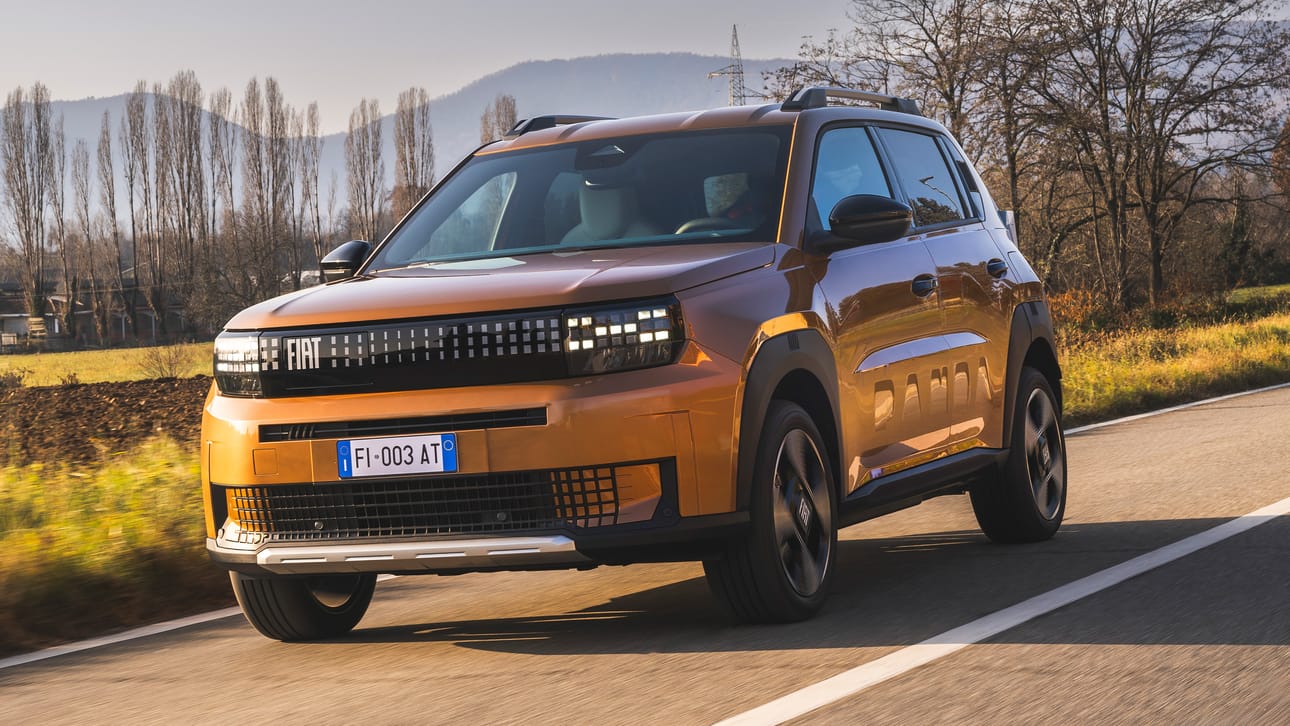
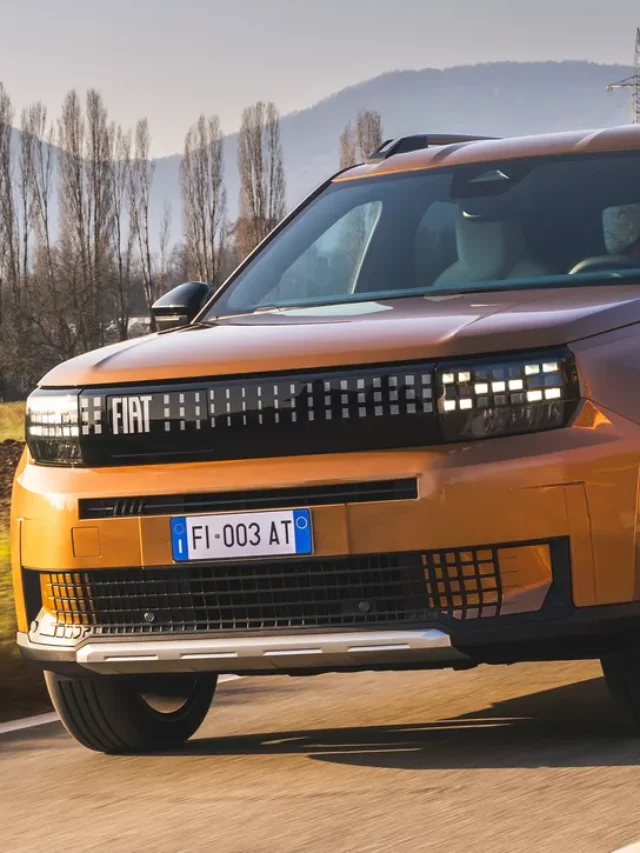
    The Fiat Grande Panda marks a bold return for one of Fiat’s most iconic models. Launched in 2024 and continuing into 2025, the Grande Panda brings together retro-inspired design, modern features, and a budget-friendly price, making it one of the most anticipated small crossovers in the market.

    ✅ Key Highlights of the Fiat Grande Panda

    🔹 Bold Design Meets Compact Practicality

    • The Fiat Grande Panda is larger than the original Panda, featuring a boxy SUV-style design with high ground clearance and a strong road presence.
    • Built on Stellantis’ Smart Car Platform, the same architecture used in popular models like the Citroën C3.
    • Combines the charm of retro Fiat DNA with modern automotive styling.

    🔋 Engine & Electric Variants

    • Petrol Models: Expected 1.2L petrol and mild-hybrid options tailored for fuel efficiency.
    • Electric Version:
      • Estimated 44 kWh battery capacity
      • Range up to 320 km (199 miles) on a single charge (WLTP)
      • Power output between 83 to 100 hp, ideal for city and highway driving.

    🌍 Global Reach and Versatility

    • Designed for a global audience, with launches planned in Europe, South America, India, and other emerging markets.
    • Fiat plans to expand the “Panda family” by releasing a new Panda-inspired model every year until 2027.

    📐 Dimensions & Category

    • Length: Approximately 4 meters
    • Class: B-segment compact crossover
    • Offers more space and practicality than the traditional Panda hatchback.

    🧰 Tech & Features (Depending on Trim)

    • 10.25-inch touchscreen infotainment system
    • Digital driver display
    • Smartphone connectivity with Apple CarPlay and Android Auto
    • Advanced safety systems including lane assist and emergency braking

    💰 Expected Pricing (Europe)

    • Petrol Variant: Starting from €15,000 – €20,000
    • Electric Variant: Starting from €22,000 – €25,000 (before incentives)

    🔍 Why the Fiat Grande Panda Stands Out in 2025

    The Fiat Grande Panda 2025 is more than just a car – it’s a smart mobility solution for modern drivers. It delivers:

    • Electric mobility at an affordable price
    • Spacious SUV features in a city-friendly size
    • A nostalgic yet futuristic design

    With growing demand for compact electric vehicles (EVs) and affordable SUVs, the Grande Panda positions itself as a top contender in the segment, rivaling models like the Dacia Spring, Citroën ë-C3, and Renault 5 EV.

    1. What is the price of the Fiat Grande Panda 2025?

    The Fiat Grande Panda 2025 is expected to start from €15,000 to €20,000 for petrol variants, while the electric version may start around €22,000 to €25,000 in Europe before government EV incentives.

    2. Is the Fiat Grande Panda available as an electric vehicle (EV)?

    Yes, the Fiat Grande Panda is available in an all-electric version with a 44 kWh battery, offering a range of up to 320 km (199 miles) on a single charge (WLTP). It’s designed for urban commuting and eco-friendly driving.

    3.When will the Fiat Grande Panda be available in global markets?

    Fiat launched the Grande Panda in Europe in 2024, with plans to expand to India, South America, and Africa throughout 2025 as part of its global rollout strategy.

  • 🔌 2025 Porsche Macan EV: The All-Electric Performance SUV Redefining Luxury Driving

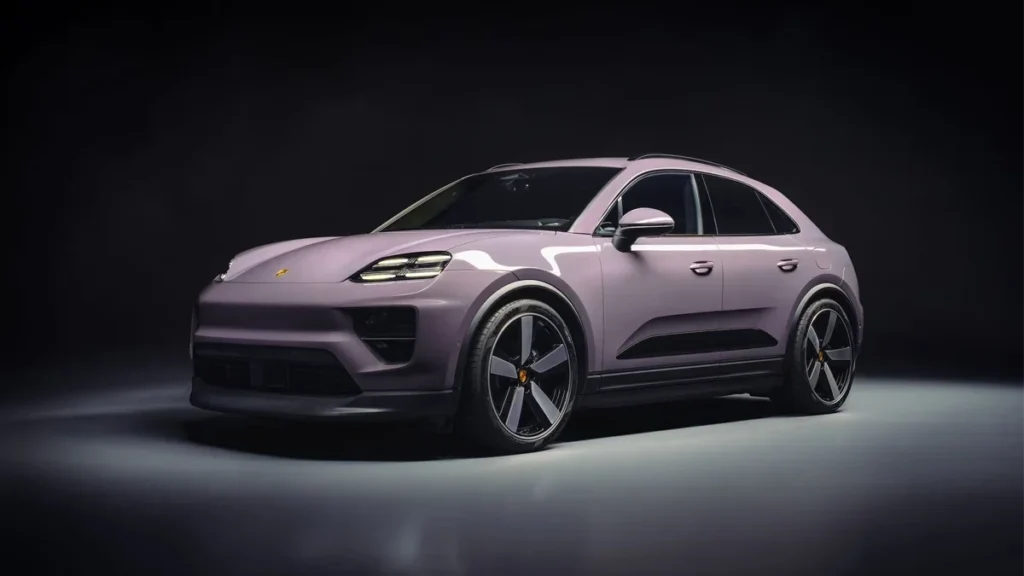
    image by porschemarine.com

    The 2025 Porsche Macan Electric marks a bold leap into the future, delivering a thrilling blend of iconic Porsche performance, innovative EV technology, and everyday practicality. As Porsche’s first all-electric compact SUV, the new Macan EV is poised to dominate both city streets and winding backroads with style and speed.


    ⚙️ Built on a Cutting-Edge Platform

    The Macan EV is underpinned by the all-new Premium Platform Electric (PPE) architecture—co-developed with Audi—which allows for:

    • 800-volt electrical system for ultra-fast charging
    • Enhanced power delivery and battery efficiency
    • A sleeker design with improved aerodynamics (drag coefficient of just 0.25 Cd)

    The SUV is slightly larger than its gas-powered predecessor, offering more cabin room and cargo flexibility while retaining that signature Porsche design DNA.


    🔋 Battery, Charging & Range

    Porsche offers the Macan EV with a 100 kWh gross (≈95 kWh usable) lithium-ion battery pack. Here’s what it delivers:

    • DC Fast Charging up to 270 kW (10–80% in as little as 21 minutes under optimal conditions)
    • AC Charging: Up to 11 kW on a Level 2 charger
    • Estimated EPA Range:
      • Base RWD: Up to 315 miles
      • Macan 4 AWD: Around 308 miles
      • Turbo AWD: Approximately 288 miles

    The battery also supports dual-voltage charging, allowing it to split into 400-volt packs for broader compatibility with public chargers.


    🚘 Power, Performance & Trims

    The 2025 Macan EV lineup includes multiple trims, all delivering Porsche-level speed and driving dynamics:

    ModelPower (hp)Torque (lb-ft)0–60 mph TimeTop SpeedRange (EPA est.)
    Base RWD~335 hp~415 lb-ft~5.4 sec137 mph~315 miles
    Macan 4 AWD~402 hp~413 lb-ft~5.2 sec136 mph~308 miles
    Macan 4S AWD~509 hp~605 lb-ft~3.6 sec~149 mph~240 miles (observed)
    Macan Turbo AWD~630 hp~833 lb-ft~2.9 sec161 mph~288 miles

    🔹 All AWD trims use dual-motor all-wheel-drive setups.
    🔹 Turbo and 4S trims include standard air suspension, torque vectoring, and optional rear-wheel steering for superior agility and ride comfort.


    🛋️ Interior, Cargo & Tech

    The Macan EV’s cabin brings luxury and tech together seamlessly:

    • Digital Displays:
      • 12.6-inch curved digital instrument cluster
      • 10.9-inch central infotainment screen
      • Optional 10.9-inch passenger display
    • Voice Control: “Hey Porsche” natural voice assistant
    • Apple CarPlay and Android Auto (wireless)
    • Augmented-Reality Head-Up Display
    • Premium Audio: Available Burmester® sound system

    Seating: Up to 5 passengers with enhanced rear legroom compared to the gas Macan.
    Cargo:

    • Rear trunk: 540 liters (19 cu ft)
    • Folded seats: Up to 1,348 liters (47.6 cu ft)
    • Front trunk (“frunk”): 84 liters (3 cu ft)

    🛞 Ride & Handling

    Despite its EV weight, the Macan EV maintains the sporty feel Porsche is known for. The Turbo trim, in particular, offers breathtaking acceleration and excellent cornering, while adaptive suspension and low center of gravity ensure a balanced, premium ride.

    Professional reviewers from Car and Driver and WIRED highlight the Macan EV’s superior driving dynamics, quiet cabin, and real-world usability.


    💵 Price & Availability

    The 2025 Porsche Macan EV is now available for pre-order in the U.S. with pricing as follows:

    TrimStarting MSRP (USD)
    Base RWD~$78,000
    Macan 4 AWD~$80,000
    Macan 4S AWD~$88,000
    Macan Turbo AWD~$105,300–$108,000

    🔹 Expected U.S. deliveries begin in late 2025.
    🔹 Estimated price in Nepal: NPR 10.41M to 11.08M depending on the variant and import taxes.


    ✅ Key Highlights

    • 🔋 800V fast-charging with up to 270 kW
    • Up to 630 hp and 0–60 mph in under 3 seconds
    • 🚘 Porsche driving DNA in a fully electric form
    • 🧳 Spacious and tech-rich interior
    • 🌿 Zero emissions, high performance

    📌 Final Thoughts

    The 2025 Porsche Macan Electric isn’t just an eco-friendly SUV—it’s a high-performance machine for those who refuse to compromise. With its stunning design, powerful electric motors, and advanced technology, it stands out as one of the most desirable electric luxury SUVs on the market.

    Whether you’re looking to electrify your lifestyle or want a zero-emission Porsche without losing the thrill, the Macan EV checks all the boxes.

    PLEASE LIKE SHARE AND SUBSCRIBE

    Q1: What is the driving range of the 2025 Porsche Macan EV?

    The 2025 Porsche Macan EV offers an estimated range of up to 315 miles on a full charge, depending on the trim level. The base RWD model offers the longest range, while the high-performance Turbo variant delivers around 288 miles (EPA estimated).

    Q2: How fast can the Porsche Macan EV charge?

    Thanks to its 800-volt architecture, the Macan EV supports DC fast charging up to 270 kW, allowing a 10–80% charge in just 21 minutes under ideal conditions. On a Level 2 home charger, it supports up to 11 kW.

    Q3: How much does the 2025 Porsche Macan EV cost in the U.S.?

    Pricing for the 2025 Porsche Macan EV in the U.S. starts at around $78,000 for the base RWD trim. Higher trims like the Macan 4S and Macan Turbo range between $88,000 to $108,000, depending on options.

  • “Renault Megane E-Tech Electric 2025: The Stylish EV That’s Turning Heads and Changing Minds”

    Looking for an electric vehicle that blends sleek design, smart tech, and efficient performance — all without breaking the bank? The Renault Megane E-Tech Electric 2025 might just be the perfect fit. Whether you’re upgrading from a fuel-powered car or entering the EV world for the first time, this electric hatchback offers the modern driving experience today’s consumers crave.


    🌟 Striking First Impressions: A Modern Look That Speaks Luxury

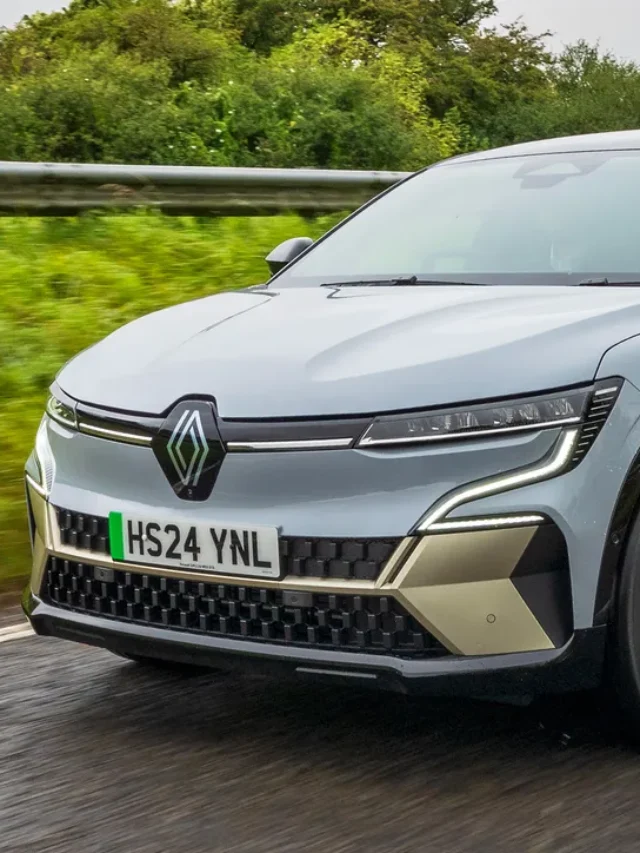
    One glance at the Renault Megane E-Tech Electric, and it’s clear this isn’t your average compact EV. Its coupe-inspired design, slim LED headlamps, and flush door handles give it an upscale, aerodynamic look.

    • Customer Takeaway: Stylish and contemporary, without being overdesigned.
    • Build Quality: Solid construction that feels both sporty and secure on the road.

    ⚡ Battery & Range: Built for Everyday and Beyond

    With two battery options — 40 kWh and 60 kWh — the Megane E-Tech Electric delivers a max range of up to 470 km (WLTP). That’s more than enough for most daily drivers and even longer weekend trips.

    • Charging:
      • Fast-charging up to 130kW (DC)
      • 7.4kW to 22kW AC home charging options

    From 0 to 80% in just 30 minutes using a fast charger — it’s convenience on the go.


    🏁 Driving Experience: Smooth, Silent, and Surprisingly Zippy

    The 220hp electric motor allows the Megane to sprint from 0–100 km/h in just 7.4 seconds, making it one of the quicker hatchbacks in its class. Drivers can enjoy Eco, Comfort, Sport, and Personal modes depending on their mood and route.

    • Regenerative Braking: Adjustable across four levels for a more personalized drive.
    • On-Road Feel: Composed, quick, and responsive — perfect for urban and suburban streets.

    🧠 Tech & Connectivity: Google-Powered Dashboard

    Inside, the OpenR infotainment system powered by Android Automotive OS takes center stage. The interface merges a 12.3-inch digital cluster with a 12-inch vertical touchscreen, offering a truly futuristic in-cabin feel.

    • Pre-installed apps: Google Maps, Assistant, and Play Store
    • OTA updates ensure you always have the latest features
    • Wireless Apple CarPlay and Android Auto included

    Interior Design: Plush materials, ambient lighting, and ergonomic seating make it feel more premium than its price tag suggests.


    🛡️ Safety First: Advanced Features, Standard

    Renault didn’t skimp on safety. The Megane E-Tech Electric is loaded with intelligent systems to keep you protected:

    • Adaptive Cruise Control
    • Lane Departure Warning
    • Emergency Braking Assist
    • Blind Spot Monitoring
    • 360° Surround View Camera

    Peace of Mind comes built-in — great for families, new drivers, and city dwellers alike.


    💸 Pricing & Value: EV Innovation Without the Hefty Price Tag

    Starting around €35,000 ($38,000–$40,000 USD), the Megane E-Tech Electric is attractively priced — especially when you factor in government EV subsidies and low maintenance costs.

    • Minimal running costs vs petrol/diesel cars
    • Qualifies for tax rebates and EV incentives
    • Future-proof tech for the modern driver

    💭 What Buyers Are Thinking

    • “Will it fit my daily needs?”
      ✅ Absolutely — it’s versatile, efficient, and roomy.
    • “Is charging easy?”
      ✅ Yes — fast-charging capability makes longer trips stress-free.
    • “Does it feel premium?”
      ✅ From tech to design, it punches above its price.

    Final Verdict: Why It’s Winning the EV Game

    The Renault Megane E-Tech Electric 2025 hits a sweet spot in the EV market — offering style, tech, range, and safety at a price that makes sense. Whether you’re commuting in the city or heading out for a long drive, this electric hatchback offers all the perks of a modern EV with none of the stress.

    It’s more than just a car — it’s a lifestyle upgrade.


    PLEASE LIKE SHARE AND SUBSCRIBE WITH COMMENT IF YOU LIKE THE ARTICLES.

    How far can the Renault Megane E-Tech Electric go on a single charge?

    The 60 kWh battery version offers up to 470 km (WLTP) of driving range, ideal for both city and highway use

    Is it compatible with fast charging?

    Yes, it supports DC fast charging up to 130kW, allowing you to charge up to 80% in around 30 minutes.

    Does it come with Google apps and navigation?

    Yes! The built-in Android Automotive system includes Google Maps, Assistant, and access to the Play Store.

  • 2025 Audi A6 e-tron: The Sleek Executive EV Giving BMW i5 & Mercedes EQE a Run for Their Money

    Overview: What is the Audi A6 e-tron?

    The all-new, fully electric Audi A6 e-tron is redefining executive electric mobility with aerodynamic precision and luxury aesthetics. Designed to slice through the air like a blade, the A6 e-tron Sportback boasts an ultra-low drag coefficient of just 0.21Cd, especially when equipped with optional side cameras replacing traditional mirrors.

    Body Styles: Sportback or Avant

    While the sleek Sportback takes the spotlight with its coupe-like silhouette, Audi also offers the Avant—a stylish electric estate that caters to drivers craving space without compromising performance. With the Avant, Audi steps up to compete in the niche electric wagon market alongside the BMW i5 Touring and MG 5 EV.

    Despite its practical shape, the Avant manages an impressive 0.24Cd drag coefficient. Audi kept the design language close to its 2022 concept with clean, flowing lines, a solid grille featuring subtle moustache-like accents, and a “black mask” hiding advanced sensors and lighting components.

    Aerodynamics: Audi’s Silent Obsession

    Audi’s focus on efficiency and range is evident in every detail: flush-mounted door handles, a flat underbody, active grille shutters, and high-tech mirror cameras. These design elements can enhance range by over 7 miles. And yes, the mirror cameras now fold automatically when the car is locked—finally addressing previous customer concerns.

    Other features include up to eight customizable daytime running light signatures, a subtle battery-indicating panel on the doors, and a nearly 3-meter wheelbase for enhanced stability.

    At the rear, the taillights can display warnings to close-following vehicles, and Audi’s logo glows elegantly. There’s also a £2,375 panoramic glass roof that shifts from opaque to clear using slatted light panels—a truly futuristic touch.

    Under the Hood: Platform, Battery & Charging

    The Premium Platform Electric (PPE) platform underpins the A6 e-tron and its SUV sibling, the Q6 e-tron, as well as the new Porsche Macan EV. This architecture supports an 800V charging system, enabling rapid charging speeds of up to 278kW.

    Buyers can choose between two battery options:

    • 75.8kWh usable (entry-level)
    • 94.9kWh usable (Performance & Quattro variants)
      Gross capacity might be advertised as 83kWh or 100kWh, but these are not the actual usable figures.

    Performance & Range by Variant

    • A6 e-tron (Base):
      • Single rear motor
      • 322bhp
      • 0–62 mph in 6.0s
      • Top speed: 130 mph
      • WLTP Range: 383 miles (Sportback) / 361 miles (Avant)
    • A6 e-tron Performance:
      • More powerful single motor
      • 375bhp
      • 0–62 mph in 5.4s
      • WLTP Range: 463 miles (Sportback) / 437 miles (Avant)
    • A6 e-tron Quattro:
      • Dual motors, AWD
      • 456bhp
      • 0–62 mph in 4.5s
      • WLTP Range: 438 miles (Sportback) / 417 miles (Avant)
    • S6 e-tron (Flagship):
      • 543bhp
      • 0–62 mph in just 3.9s
      • Starting price: £98,305

    Base pricing starts at £63,305, with upgrades to Performance and Quattro models adding roughly £7,000 and £5,000 respectively. Opting for the Avant version costs an additional £1,800.

    Driving Experience & Interior

    For purists, the rear-wheel-drive layout (a rarity in modern Audis) brings back true driving dynamics. The car is smooth, refined, and handles confidently even in icy conditions when fitted with winter tires. The Performance Avant variant is a favorite, offering great range, sporty acceleration, and balanced comfort—ideal for long commutes or business travel.

    The cabin blends digital functionality with luxury finishes. Though screen-heavy, the layout feels cohesive rather than overwhelming. Rear space is slightly tighter than expected, but not a dealbreaker for most.

    Naming Confusion: A Quick Note

    Audi’s naming system is in flux. EVs were supposed to have even numbers (A6, A8), while combustion engines would get odd numbers (A5, A7). However, Audi reversed this approach in early 2025. For now, A6 is A6—no matter the powertrain.

    Availability

    The A6 e-tron Sportback is expected to be the most popular body style in the UK, while the Avant will not be available in the U.S. or Canada due to low wagon demand. A long-wheelbase A6 L e-tron will be produced locally in China.


    Verdict: A True Executive EV

    The 2025 Audi A6 e-tron stands out as a stylish and highly efficient alternative to the BMW i5 and Mercedes EQE. It’s lightweight, nimble, elegant, and avoids the typical EV design clichés. If you value design, range, and genuine driving dynamics, this electric Audi should be on your radar.


    Please like share and subscribe if you like the above content …..

    What is the starting price of the Audi A6 e-tron, and how does pricing vary by model?

    The 2025 Audi A6 e-tron starts at £63,305 for the base model with a 75.8kWh battery. The Performance variant with a larger 94.9kWh battery adds around £7,000, while the Quattro dual-motor version costs another £5,000 on top. The Avant body style costs approximately £1,800 more than the Sportback.

    What is the driving range of the Audi A6 e-tron?

    Depending on the variant and body style, the WLTP range of the Audi A6 e-tron varies:
    Base model: Up to 383 miles (Sportback) / 361 miles (Avant)
    Performance model: Up to 463 miles (Sportback) / 437 miles (Avant)
    Quattro model: Up to 438 miles (Sportback) / 417 miles (Avant)

    Will the Audi A6 e-tron Avant be available in the U.S. or Canada?

    No, the Avant estate version of the Audi A6 e-tron will not be offered in the U.S. or Canada, as wagons are less popular in North American markets. Only the Sportback variant will be available in those regions.