Category: Electric vehicle

  • First Look: The 2026 Cayenne Electric Fixes Nearly Every EV Issue — But One Challenge Remains

    Porsche is stepping confidently into the electric future with the 2026 Cayenne Electric, a luxury SUV that seems determined to address almost every complaint drivers typically have about EVs. From charging speed to performance and comfort, Porsche has pushed boundaries — yet one problem still sits outside the company’s control.

    Charging That Feels Almost Instant

    The Cayenne Electric comes equipped with a massive 113 kWh battery and uses Porsche’s cutting-edge 800-volt platform. This combination lets the SUV charge at an impressive 400 kW on compatible DC fast chargers. Porsche claims the battery can jump from 10% to 80% in roughly 16 minutes, which is faster than most coffee breaks.

    A redesigned cooling system ensures the charging speed remains stable, even during long trips or in extreme weather. It’s one of the closest attempts yet to making EV charging feel as convenient as a traditional gas stop.

    Range That Takes You Further

    Early testing showed the Cayenne Electric covering nearly 350 miles on a single charge, despite being a large, performance-centered SUV. Porsche’s official WLTP rating goes even higher — up to 642 km (around 400 miles) for certain versions. Realistically, U.S. EPA numbers may settle closer to 320 miles, but that still places the Cayenne among the most reliable long-range electric SUVs.

    Performance That’s Pure Porsche

    True to Porsche DNA, power is in no short supply:

    The standard model offers about 402 horsepower, rising to 435 hp with Launch Control. It sprints from 0–60 mph in around 4.5 seconds.

    The Turbo variant is the real monster, pushing an incredible 1,139 horsepower and over 1,100 lb-ft of torque. It rockets from 0–60 mph in 2.4 seconds — supercar territory in an SUV body.

    Part of this performance magic comes from motors with direct oil cooling, a technology inspired by Porsche’s Formula E racing program.

    Smarter Braking & Energy Recovery

    The regenerative braking in the Cayenne Electric is so effective that up to 97% of slowing down can be handled by the electric motors alone. This improves energy efficiency and reduces wear on traditional brakes. For drivers who crave stronger bite, Porsche offers ceramic composite brakes on top variants.

    A Futuristic, Comfort-Driven Cabin

    Inside, the Cayenne Electric blends luxury with modern tech. A sweeping 14.25-inch OLED display runs across the dashboard, giving you everything from maps to car controls in crisp detail. A separate 14.9-inch passenger screen lets the front passenger stream content or manage settings.

    Other premium touches include:

    Mood Modes to adjust lighting, climate, and sound

    Surface heating on seats, armrests, and door panels

    A panoramic roof with adjustable transparency

    An improved Voice Pilot assistant powered by AI

    A digital key for phone and smartwatch access

    It feels intelligent, warm, and distinctly high-end — exactly what you’d expect from Porsche.

    Convenience at Home and On the Go

    Charging flexibility is another strong point. Alongside rapid DC charging, the Cayenne Electric supports 11 kW wireless charging at home. Just park over the pad, and the SUV lowers itself automatically to align.

    The vehicle also adopts the NACS (Tesla) port, giving drivers access to Tesla’s massive Supercharger network. Porsche includes a CCS adapter so owners can use multiple charging systems with ease.

    Built for Real-Life Adventures

    Despite being a luxury EV, the Cayenne Electric remains family- and road-trip-friendly:

    Tows up to 7,716 lbs, more than many gas-powered SUVs

    Offers generous cargo space in the rear plus a small front trunk

    A longer wheelbase enhances rear-seat comfort

    It’s a performance machine, but also a genuinely practical one.

    The One Problem Porsche Can’t Fix: Charging Infrastructure

    For all its brilliance, the Cayenne Electric still depends on the public charging network, and that’s where things get complicated.

    Many high-speed chargers don’t yet offer 400 kW, limiting how fast the Cayenne can actually charge in real-world conditions. Even some Tesla Superchargers may be capped at around 200 kW, meaning the SUV’s true charging potential won’t always be unlocked.

    In short, the car is ready for the future — but the world’s charging network isn’t fully there yet.

    Final Thoughts

    The 2026 Porsche Cayenne Electric is one of the most advanced electric SUVs ever built. It blends fast charging, long range, jaw-dropping performance, and sophisticated luxury into a single, well-rounded package. Porsche has addressed many of the biggest EV drawbacks, and the Cayenne feels like a strong glimpse of where premium electric mobility is headed.

    The only real limitation isn’t the SUV itself — it’s the charging infrastructure that still needs to catch up.

    How far can the 2026 Cayenne Electric travel on one charge?

    Depending on the model, the Cayenne Electric can deliver up to 400 miles (WLTP). Real-world driving is expected to fall between 320–350 miles, which is still excellent for a performance SUV.

    How quickly does the Cayenne Electric charge?

    With support for 400 kW DC fast charging, the battery can go from 10% to 80% in under 16 minutes. It also offers wireless 11 kW charging for convenient home use.

    What is the biggest drawback of the Cayenne Electric?

    The vehicle itself has few weaknesses — the main challenge is inconsistent public charging infrastructure. Not all chargers support the SUV’s full 400 kW capability, which may slow down charging in some locations


  • 🚘 Ford’s Affordable $30,000 Electric Pickup: The Future of Budget-Friendly EV Trucks

    Introduction

    Ford is preparing to redefine the electric vehicle market once again — this time with an electric pickup truck that’s expected to start at just $30,000. This bold move aims to make electric mobility accessible to the masses, breaking the myth that EVs must be expensive.

    This upcoming mid-size electric pickup is already making headlines, not just for its price but for how quickly it’s taking shape. With production targeted for 2027, Ford is working behind the scenes to deliver a practical, efficient, and budget-friendly electric truck that could change how Americans think about EV ownership.


    Why Ford’s $30,000 EV Truck Is a Big Deal

    The EV pickup market has so far been dominated by high-end, premium-priced models from Tesla, Rivian, and others — often costing upwards of $60,000. Ford’s new strategy shifts focus toward affordability and mass adoption.

    Here’s why this truck matters:

    💰 Price Revolution – A $30,000 EV pickup could open electric ownership to millions of buyers who’ve been waiting for a budget-friendly option.

    ⚙️ New Platform, Smarter Design – Built on Ford’s new Universal EV Platform, this truck will feature a simplified manufacturing process and fewer components — making it cheaper and faster to produce.

    🌍 Accelerating EV Adoption – By combining affordability with everyday practicality, Ford could spark a new wave of electric truck owners across the U.S.


    What We Know So Far

    Let’s break down the confirmed and reported details about Ford’s upcoming EV pickup:

    🔋 Platform & Battery: It’s built on Ford’s all-new Universal EV Platform (UEV), designed for efficiency and scalability. The vehicle will likely use LFP (Lithium-Iron-Phosphate) batteries — known for their stability and lower cost.

    💵 Pricing & Production Timeline: The starting price is targeted at $30,000, with production set to begin in 2027 in Louisville, Kentucky.

    🚙 Design & Layout: This mid-size pickup will be a four-door truck offering a roomy interior comparable to popular SUVs like the Toyota RAV4. Expect a frunk (front trunk) for added storage, emphasizing utility and convenience.

    🏭 Manufacturing Breakthrough: Ford is implementing a new “assembly tree” method instead of the traditional production line. This approach reduces complexity and speeds up production.

    ⚡ Efficiency Over Power: Ford’s goal isn’t to build a monster towing machine — instead, it’s crafting a balanced, efficient vehicle ideal for daily commuting, small-business use, and light hauling.


    What This Means for Everyday Buyers

    For regular drivers, this truck could be a game-changer. Imagine being able to own an electric pickup for the price of a compact gas car — with lower maintenance costs, zero emissions, and modern tech built in.

    Urban and suburban drivers will appreciate its manageable size, efficiency, and affordability.

    Small business owners can benefit from an EV truck that offers practical utility without the high upfront cost.

    Families and commuters will find it a reliable everyday vehicle with enough power for weekend trips and errands.

    Ford’s focus on making EVs simpler, cheaper, and more efficient could help democratize the electric market — something that’s long overdue.


    What’s Still Under Wraps

    Even though excitement is building, Ford hasn’t yet shared all the details. Here’s what we’re still waiting to learn:

    Exact Range and Towing Specs – Rumors suggest a smaller battery (around 50 kWh), which may deliver a moderate range suitable for daily use rather than long-haul travel.

    Model Name & Variants – Ford hasn’t confirmed what the new truck will be called or whether multiple trims will be available.

    Global Availability – While it’s U.S.-focused for now, international rollout plans remain unclear.

    Charging Speed & Tech Features – Details about DC fast-charging and interior tech packages are still under development.


    A Humanized Take: Why This Truck Feels Different

    Unlike many luxury EVs designed for prestige, Ford’s affordable pickup aims straight at the heart of middle America — everyday people who just want something reliable, functional, and future-ready.

    If you’re someone who’s been eyeing an EV but couldn’t justify the cost, this could be your gateway vehicle. It’s not about showing off — it’s about making the switch to electric simple and affordable.

    Ford’s approach also focuses on ownership comfort — reduced maintenance, lower fuel costs, and the peace of mind that comes with driving something eco-friendly without financial stress.


    Summary

    Ford’s new $30,000 electric pickup truck is set to transform the EV industry. Scheduled for launch in 2027, the mid-size four-door truck will ride on the company’s Universal EV Platform and use cost-effective LFP batteries. With innovative production methods and a customer-friendly price point, Ford aims to bring EV ownership within reach of millions of Americans. While detailed specs are yet to be revealed, the company’s focus on efficiency, affordability, and practicality makes this one of the most anticipated electric vehicles of the decade.

    SHARMAROADLINES
  • 🚐 This EV Van Drove 430 Miles on One Charge — And Set a New World Record

    🚐 This EV Van Drove 430 Miles on One Charge — And Set a New World Record

    In a remarkable leap forward for electric vehicles, a new electric van has driven 430 miles (approximately 692 kilometers) on a single charge, breaking a record and challenging conventional notions of what EVs can achieve. This milestone not only demonstrates the rapid progress in battery technology but also signals a potential revolution in the way goods and people move across cities and regions.

    For decades, one of the main obstacles to widespread electric vehicle adoption has been range anxiety — the fear that an EV might run out of power before reaching its destination. With most commercial electric vans offering ranges between 150 to 250 miles per charge, long-haul deliveries and extensive urban routes often required careful planning or multiple charging stops. The arrival of an EV van capable of crossing 400 miles without stopping redefines what is possible, giving fleet operators, businesses, and even individual drivers renewed confidence in electric mobility.


    ⚡ Breaking Through Range Anxiety

    The term “range anxiety” has long been a hurdle in the adoption of EVs. Consumers and businesses alike have hesitated to fully embrace electric mobility due to concerns about battery limitations. This record-setting van proves that electric commercial vehicles can now travel distances once thought exclusive to internal combustion engines.

    During the record attempt, the van maintained a steady pace across a variety of terrains, including highways, minor elevation changes, and urban environments. The performance remained stable throughout, showcasing not only the battery’s capacity but also the vehicle’s advanced thermal management system. These systems are critical because, without proper regulation, batteries can overheat, reducing efficiency and lifespan.

    Analysts believe this breakthrough could pave the way for electric vans to dominate logistics and delivery networks, particularly for companies seeking to reduce carbon footprints without compromising on operational efficiency. For businesses, fewer charging stops mean faster deliveries, reduced downtime, and overall cost savings, reinforcing the financial benefits alongside the environmental ones.


    🔋 The Technology Behind the Record

    Achieving a 430-mile range on a single charge is no small feat. The van incorporates state-of-the-art solid-state batteries, which are lighter, more energy-dense, and safer than conventional lithium-ion batteries. Solid-state technology has long been regarded as the next frontier in EV development, promising faster charging, longer lifespans, and higher energy density — all of which were crucial for this record-breaking journey.

    Additionally, engineers focused on aerodynamic efficiency and weight reduction. Lightweight composite materials and an optimized vehicle design minimized energy loss due to drag and rolling resistance. The van also features regenerative braking technology, which recaptures energy during deceleration and braking, further extending its range.

    Another innovation contributing to this milestone is the AI-powered route management system. By optimizing driving patterns, speed, and acceleration, the van could maintain efficiency across different terrains and traffic conditions. Such technologies highlight how software and hardware are now equally critical in pushing the limits of EV performance.


    🌱 Environmental and Economic Impact

    The significance of this record goes beyond the numbers. Long-range electric vans represent a major opportunity to reduce greenhouse gas emissions in the transport sector. Commercial delivery vehicles are major contributors to air pollution, and transitioning these fleets to electric power could dramatically reduce carbon footprints.

    From an economic perspective, companies can expect substantial savings on fuel and maintenance. Electric vehicles generally require less frequent servicing, have fewer moving parts, and benefit from lower energy costs per mile compared to diesel or gasoline engines. For businesses managing large fleets, these savings can be transformative, allowing for a more sustainable and cost-effective operation.

    Furthermore, governments around the world are incentivizing the adoption of electric commercial vehicles, offering tax credits, subsidies, and other support programs. By demonstrating that EV vans can now compete with or even surpass traditional diesel vehicles in range and reliability, this record-breaking achievement strengthens the case for widespread adoption.


    🚛 Implications for the Future of EVs

    This record has broader implications beyond commercial vans. Achievements like this drive investment in battery research, vehicle design, and charging infrastructure, accelerating the evolution of electric vehicles as a whole.

    For example, personal EV owners could benefit from longer-range vehicles, reducing the need for frequent charging stops on road trips. Fleet operators may begin to transition entirely to electric vans, trucks, and buses, creating a new standard in urban and intercity transport. Even the logistics and e-commerce industries, which rely on timely deliveries, stand to gain significantly.

    Experts predict that innovations seen in this van — solid-state batteries, AI-driven energy optimization, and lightweight materials — could soon trickle down to passenger vehicles, increasing their range, efficiency, and affordability. This makes the milestone not just a singular event but a potential turning point in the global EV market.


    📊 Real-World Testing and Performance

    While laboratory tests often boast impressive numbers, real-world testing is what matters for commercial and consumer confidence. The 430-mile journey demonstrated consistent performance under realistic conditions, including mixed-speed driving, elevation changes, and varying temperatures.

    Engineers monitored battery temperature, energy consumption, and regenerative braking efficiency throughout the trip. Maintaining optimal performance required careful integration of hardware and software, proving that modern EV design is as much about intelligent engineering as it is about raw battery capacity.

    The van also maintained comfortable cabin conditions, showing that long-range electric vehicles can provide a practical and user-friendly experience without sacrificing passenger comfort or cargo capacity.


    🌍 Shaping the Green Logistics Revolution

    The logistics industry is increasingly focused on sustainability. Electric vans capable of long-range travel without frequent charging breaks represent a key milestone in achieving net-zero transport goals.

    By replacing diesel-powered delivery fleets with electric alternatives, companies can reduce emissions, noise pollution, and fuel costs simultaneously. Cities with strict emissions regulations may soon require fleets to transition to electric power, making long-range EV vans not just desirable but essential for urban logistics.

    Moreover, as infrastructure for fast charging and battery swapping improves, the operational feasibility of EV fleets becomes even more compelling. This record-breaking achievement demonstrates that electric mobility is no longer constrained by technological limitations but rather shaped by market adoption and strategic planning.


    🔧 Challenges and Considerations

    Despite the impressive feat, scaling this technology to mass-market production still presents challenges. Solid-state batteries remain expensive and difficult to manufacture at scale. Moreover, ensuring the same performance across thousands of vehicles will require rigorous quality control and continuous innovation.

    Charging infrastructure must also keep pace. While a 430-mile range reduces the need for frequent stops, fast, reliable, and widely accessible charging networks are essential to support long-haul routes and urban delivery schedules.

    Finally, the initial cost of high-capacity EV vans may be higher than conventional alternatives, although long-term savings in maintenance and fuel costs often offset this difference. As battery costs decline and production scales up, these vehicles are expected to become more affordable and practical for businesses and consumers alike.


    🔮 Looking Ahead

    The 430-mile record is more than a technical achievement; it is a symbol of the EV industry’s potential to transform mobility. It challenges preconceived limits, inspires innovation, and reinforces the viability of a zero-emission future.

    Fleet operators, urban planners, and policymakers are taking note. As EV technology matures, we may see entire logistics networks, public transportation systems, and even personal commuting dominated by long-range, highly efficient electric vehicles.

    The milestone also signals a shift in public perception. Skeptics who once doubted the practicality of EVs are now witnessing tangible proof that electric vehicles can be reliable, versatile, and efficient, even over extended distances. This human factor — confidence and trust — is often just as important as technical specifications in accelerating adoption.


    🌟 Conclusion

    Driving 430 miles on a single charge, this electric van has not only smashed records but also set a new standard for sustainable transportation. Its success illustrates the combined power of advanced battery technology, intelligent engineering, and innovative design.

    As electric vehicles continue to evolve, milestones like this pave the way for a cleaner, more efficient, and more connected future. Whether it’s reducing carbon emissions, cutting operational costs, or redefining logistics, the impact of long-range EV vans is profound and far-reaching.

    The journey of this record-breaking van reminds us that the future of mobility is electric, and the possibilities are limitless.

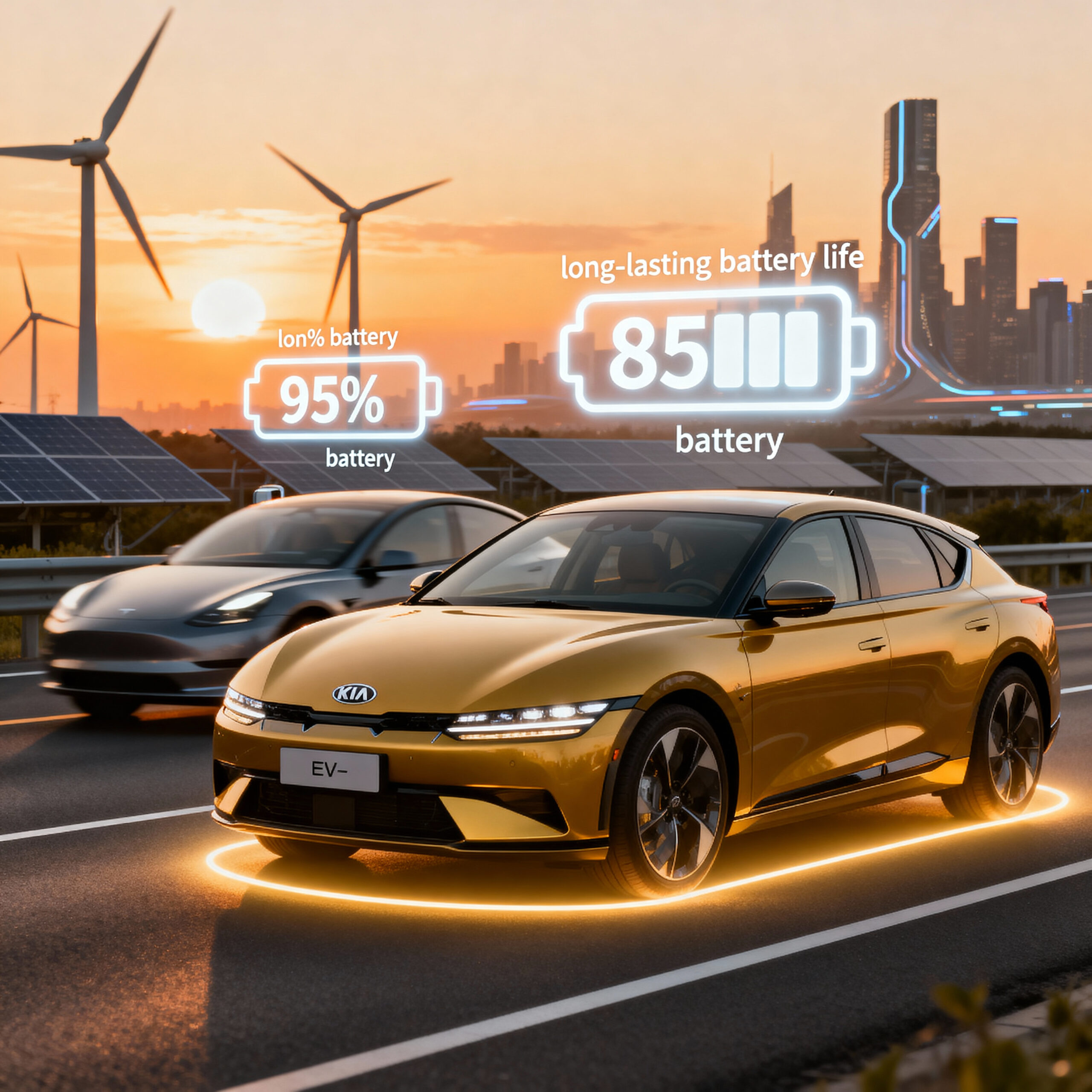
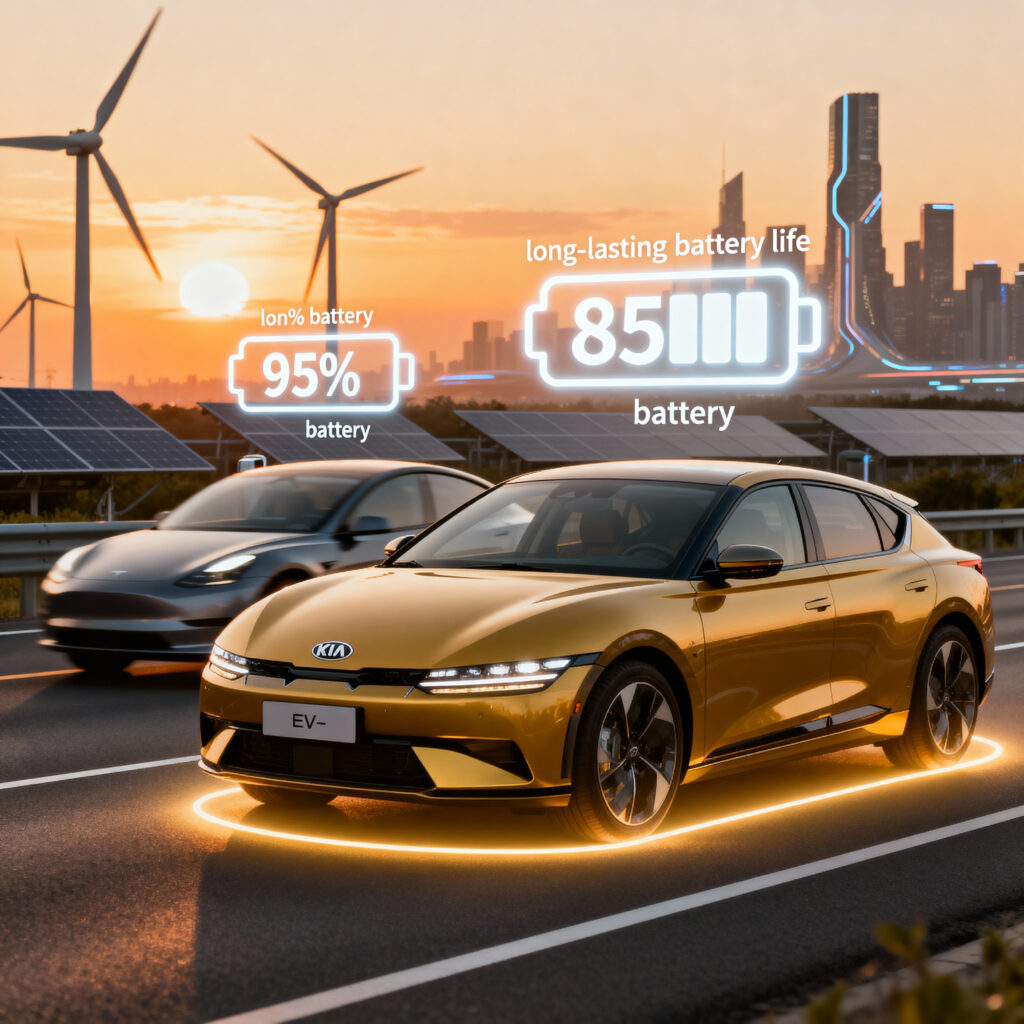
  • Kia Beats Tesla: The Unexpected EV Brand with the Slowest Battery Degradation and What It Means for Drivers in 2025

    Kia Beats Tesla: The Unexpected EV Brand with the Slowest Battery Degradation and What It Means for Drivers in 2025

    For years, Tesla has been hailed as the undisputed leader of the electric vehicle (EV) revolution — pioneering innovation, speed, and smart design. But a new wave of data is rewriting that story.
    Surprisingly, the EV brand with the slowest battery degradation isn’t Tesla at all — it’s Kia.

    According to a detailed study by Kvdbil, a Swedish used-car platform that examined more than 1,300 electric and hybrid vehicles, Kia’s EV6 came out on top for battery health retention. The results were so impressive that they sent a ripple through the entire EV industry — showing that Tesla’s dominance in every metric may be ending.

    This discovery isn’t just about numbers; it’s about trust, dependability, and the growing realization that the EV world has more than one hero. Let’s dive deeper into what makes Kia’s batteries last longer, how Tesla compares, and what this means for the future of electric driving.


    ⚡ Understanding Battery Degradation — and Why It Matters

    Every battery, whether in your smartphone, laptop, or car, slowly loses its ability to hold charge over time. This natural process, called battery degradation, affects how far your EV can travel on a single charge.

    If your EV originally offered 300 miles per charge, after a few years, that range might drop to 270 or 280 miles. This is completely normal — but how quickly it happens depends on several factors, including battery design, charging habits, and temperature management.

    That’s why the Kvdbil study is so groundbreaking. It shows that Kia’s EV6 battery degrades at a much slower rate compared to others in the same class — even slower than Tesla’s.


    🌍 The Study That Surprised Everyone

    Kvdbil’s analysis of over 1,300 EVs and plug-in hybrids revealed some eye-opening facts:

    • Kia EV6 ranked #1 for maintaining the best State of Health (SoH) — a measure of how much energy the battery retains compared to when it was new.
    • 8 out of 10 EVs in the study still kept 90% or more of their original battery capacity.
    • Kia and its sister brand Hyundai both performed exceptionally well.

    This means Kia EV6 owners are seeing very little range loss, even after years of use — a huge reassurance for anyone thinking of buying an EV.


    🔬 What Makes Kia’s Battery Last So Long?

    Kia’s remarkable performance didn’t happen by chance. It’s the result of smart engineering, superior battery management, and next-gen thermal technology.

    Let’s break down the secret ingredients behind Kia’s success:

    1. Exceptional Thermal Management System

    Battery life shortens when it’s exposed to extreme heat or cold. Kia’s EV6 is equipped with a highly advanced liquid-cooling thermal management system that keeps the battery at its ideal temperature no matter the weather.

    This ensures the battery doesn’t overheat during fast charging or freeze in winter — both common issues that accelerate wear in other EVs.

    2. E-GMP Platform Architecture

    The EV6 is built on Kia’s Electric-Global Modular Platform (E-GMP), a cutting-edge design also used in Hyundai’s Ioniq lineup. This platform optimizes space, balance, and cooling, giving every cell uniform protection and longer life.

    3. Smarter Charging Algorithms

    The EV6’s software controls how quickly and efficiently the battery charges. During DC fast charging, the car automatically adjusts input levels to prevent overheating or stress on cells. This intelligent system is a big reason Kia batteries stay healthy longer.

    4. High-Quality Battery Chemistry

    Kia uses lithium-ion polymer cells supplied by LG Energy Solution. These are known for balancing power and durability. Instead of chasing maximum energy density like Tesla, Kia prioritized stability — and it’s paying off.

    5. Efficient Regenerative Braking

    The EV6’s regenerative braking system captures energy every time you slow down, reducing strain on the battery and increasing efficiency. Over time, this contributes to a slower rate of degradation.


    🚀 Tesla Still Performs Exceptionally — But Kia Takes the Lead

    Let’s be fair — Tesla still produces some of the longest-lasting EV batteries in the world. Data shows that Tesla vehicles lose around 10–15% of capacity after 200,000 miles — an incredible number by industry standards.

    However, Kia’s EV6 seems to perform slightly better in real-world tests, especially under mixed driving conditions and varying climates.

    Tesla primarily uses NCA (Nickel-Cobalt-Aluminum) and LFP (Lithium Iron Phosphate) cells. While NCA batteries offer higher performance, they tend to degrade faster with frequent supercharging or in high-heat environments.

    Kia’s EV6, on the other hand, relies on a more balanced system that focuses on maintaining long-term health rather than extreme power output. The difference may only be a few percentage points, but over years, it adds up.


    🌡️ Real-World Factors That Influence Battery Degradation

    Even with advanced engineering, every EV’s battery health depends on how it’s used and maintained. Here are some real-life factors that determine how fast (or slow) your battery degrades:

    1. Charging Frequency: Constantly using fast chargers can heat up the battery and reduce its lifespan. Using regular home charging for daily use is much gentler.
    2. Charge Range: Keeping your EV between 20% and 80% charge helps minimize wear. Avoid fully draining or topping up your battery frequently.
    3. Temperature Extremes: Batteries don’t like being too hot or too cold. Kia’s superior thermal system helps offset this better than most.
    4. Driving Behavior: Hard acceleration and braking generate more heat. Gentle driving keeps the battery cooler and healthier.
    5. Software Updates: Kia and Tesla regularly release updates that improve battery efficiency and management — another reason their degradation rates remain low.

    💰 Why This News Matters to Everyday EV Drivers

    Battery health isn’t just a technical detail — it has real financial and emotional value.

    • Long-Term Savings: Batteries are the most expensive EV component. A long-lasting battery means fewer replacements and lower maintenance costs.
    • Better Resale Value: A car with excellent battery health will command a higher resale price years later.
    • Peace of Mind: Knowing your EV can retain 90% of its power even after many years gives confidence and removes range anxiety.

    This make kia technologically enhancing.


    🌱 The Truth: Battery Degradation Isn’t as Scary as People Think

    Lets find how,

    For years, potential EV buyers have worried that their batteries would degrade quickly — but studies prove otherwise.

    The Kvdbil research shows that most EVs still retain more than 90% of their capacity after several years. That means a vehicle once rated for 300 miles might still deliver 270 miles of range after 5–6 years — hardly noticeable for daily driving.

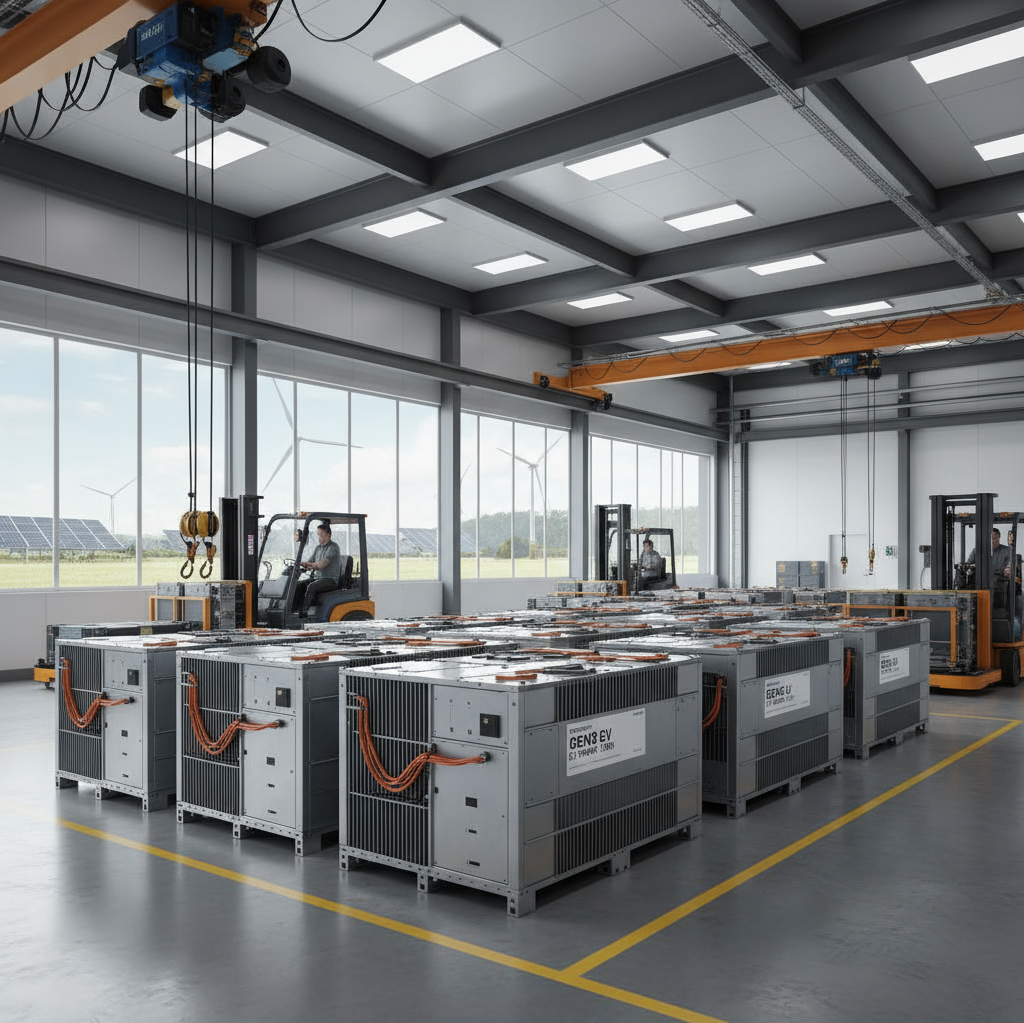
    With new innovations like better cooling systems, software optimization, and advanced materials, modern EV batteries are built to last 15–20 years or more.

    So if you’ve been hesitant to switch to an EV, you can rest easy — battery degradation is far less of a problem than people assume.


    🔮 The Future of EV Batteries Looks Brighter Than Ever

    The next generation of electric cars will take battery durability to an entirely new level. Automakers, including Kia and Tesla, are already working on technologies that promise revolutionary improvements:

    1. Solid-State Batteries: These upcoming batteries will deliver faster charging, higher safety, and even slower degradation.
    2. AI-Powered Battery Management: Artificial intelligence will predict and prevent wear by constantly adjusting voltage and temperature in real time.
    3. Recycling and Second Life Uses: Old EV batteries will be repurposed for home energy storage, giving them new life even after leaving the car.

    These innovations mean the EVs of tomorrow won’t just drive cleaner — they’ll last longer and perform better than ever.


    🚗 Kia’s EV6: The Hidden Star of Durability

    The Kia EV6 has emerged as one of the most complete EVs in today’s market — blending elegant design, lightning-fast 800V charging, and world-class efficiency. But now, its long-term reliability gives it an extra edge over the competition.

    Owners often describe the EV6 as effortless — it’s not just about the smooth acceleration or futuristic cabin, but the confidence that comes from knowing your battery won’t fade quickly.

    While Tesla captures headlines with innovation, Kia wins hearts with dependability. It’s the quiet achiever that proves endurance can sometimes outshine glamour.


    ⚙️ Kia vs Tesla: Battery Durability at a Glance

    FeatureKia EV6Tesla Model 3 / Y
    Battery Retention (After Years)90–95% capacity85–90% capacity
    Thermal ControlAdvanced liquid coolingExcellent liquid cooling
    Charging Speed (10–80%)~18 minutes (800V)~25 minutes
    Battery TypeLithium-ion polymer (LG)NCA or LFP (Panasonic/CATL)
    Degradation per 100k miles~5%~7–10%

    Both brands perform exceptionally well, but Kia’s small edge in long-term health makes it the quiet winner in the endurance race.


    ❤️ Beyond Technology: A Human Story of Trust

    This isn’t just about batteries and science — it’s about how we, as people, connect to the machines we drive.

    Kia’s achievement shows that sustainability and reliability can go hand in hand. It gives drivers peace of mind, knowing their vehicle isn’t just efficient but also built to last.

    In a market often dominated by hype, Kia’s quiet consistency feels refreshing. It proves that you don’t need to be loud to be revolutionary — sometimes, you just need to build something that lasts.


    🌟 Final Thoughts

    After analyzing thousands of vehicles and real-world data, one truth stands out: Kia’s EV6 currently leads the EV world in slowest battery degradation.

    Through superior engineering, thermal control, and battery design, Kia has achieved something remarkable — an EV that not only performs well but also stays strong over time.

    Tesla remains a technological giant and continues to innovate rapidly, but Kia’s rise signals a more balanced, competitive, and sustainable future for the EV market.

    So the next time you think of long-lasting electric power, remember: the quiet champion isn’t always the most famous one. Sometimes, it’s the one that just keeps going — mile after mile, year after year.

    🔍 FAQs

    1. Which EV has the least battery degradation in 2025?

    Recent research shows that Kia’s EV6 holds the title for the slowest battery degradation, outperforming Tesla and many other premium EV brands in long-term battery health.

    2. How long can a Kia EV battery last?

    Kia EV batteries are engineered to last 10–15 years or more. Many real-world users report less than 10% capacity loss even after 150,000–200,000 miles of driving — proving their long-term reliability.

    3. What can I do to make my EV battery last longer?

    *Use home (Level 2) charging for daily needs and save fast charging for trips.
    *Keep your charge between 20%–80%.
    *Avoid exposing your car to extreme heat or cold for long periods.
    *Drive smoothly to reduce battery strain.

  • ⚡ How Far Can Electric Vehicles Go on a Single Charge? A 2025 Deep Dive Into EV Range and Real-World Experience

    🚙 The Curiosity That Sparks Every EV Conversation

    If you’ve ever considered buying an electric car, you’ve probably asked the same question that millions of drivers have:
    “How far can it really go on a single charge?”

    That question isn’t just about numbers — it’s about trust. We want to know if our car will get us home safely, take us on spontaneous weekend getaways, or make that cross-country drive without leaving us stranded with a dead battery.

    The good news? Electric vehicles in 2025 are rewriting the limits of what’s possible. The early days of EVs — when 80 miles per charge felt like an achievement — are long gone. Today, some EVs stretch beyond 500 miles on one charge.

    Let’s explore how far electric cars have come, what affects their range, and which models are setting new standards for performance and reliability.


    🔋 Understanding What “Range” Really Means

    In simple terms, range is the distance an electric vehicle can travel on a fully charged battery before it needs to plug in again.

    Back in 2010, early EV owners had to plan their routes carefully to avoid “range anxiety” — the fear of running out of power before finding a charger. But fast forward to today, and range anxiety is slowly fading into history.

    Technological breakthroughs, efficient designs, and smarter energy management have allowed EVs to travel distances once thought impossible. Now, your average electric car can easily match — or even beat — a gasoline car’s endurance.


    🚗 EV Range by Category: How Far Can They Go in 2025?

    Here’s a quick look at what you can expect across different EV categories this year:

    EV TypeAverage Range (Per Full Charge)Example Models (2025)
    Entry-Level EVs150–250 miles (240–400 km)Nissan Leaf, Mini Cooper SE
    Mid-Range EVs250–350 miles (400–560 km)Tesla Model 3, Hyundai Ioniq 6, Ford Mustang Mach-E
    Premium EVs350–500+ miles (560–800+ km)Lucid Air, Tesla Model S, Mercedes EQS
    Pickup Trucks & SUVs250–450 miles (400–725 km)Rivian R1T, Chevy Silverado EV, Tesla Cybertruck

    Even budget-friendly options now deliver enough range for most daily drives, while high-end models can take you across state lines on a single charge.


    ⚙️ The Real-World Factors That Shape EV Range

    It’s easy to look at official range numbers and assume that’s what you’ll always get. But in real-world driving, several factors can either stretch or shrink your EV’s range.

    1. Driving Habits Matter More Than You Think

    If you’re heavy on the accelerator or love high-speed cruising, you’ll burn through your battery faster. EVs, like people, perform best when driven smoothly and consistently. Gentle acceleration and braking not only save energy but make your ride calmer too.

    2. The Weather Plays Its Part

    Cold mornings and scorching afternoons both affect your battery. EV batteries prefer moderate temperatures — around 70°F (21°C). In freezing weather, range can drop by 20–30%, since more energy is used to heat the cabin and maintain battery temperature.

    3. Hills, Elevation, and Terrain

    Driving uphill eats power; driving downhill gives some of it back thanks to regenerative braking. This system converts braking energy into stored power — one of the cleverest tricks in EV design.

    4. Weight and Cargo Load

    A fully packed trunk or roof rack adds resistance, just like a backpack makes hiking harder. Traveling light can make a noticeable difference in range.

    5. Battery Health Over Time

    Every battery slowly loses capacity as it ages. After about 8–10 years, most EVs still hold around 80–90% of their original power — a gradual decline, not a sudden drop.


    ⚡ The Longest-Range Electric Vehicles in 2025

    Below is a list of the top 10 EVs with the longest range this year — proof that electric innovation is charging full speed ahead.

    RankModelEstimated Range (miles)Battery Capacity (kWh)Starting Price (USD)
    1Lucid Air Grand Touring516112$109,900
    2Tesla Model S Long Range405100$88,490
    3Mercedes-Benz EQS 450+395108$104,400
    4Rivian R1S SUV400135$91,000
    5Tesla Model 3 Long Range36082$47,990
    6Hyundai Ioniq 6 Long Range36177.4$45,000
    7BMW i7 xDrive60318101.7$119,300
    8Ford Mustang Mach-E Extended Range31091$56,995
    9Chevy Silverado EV440200$79,800
    10Tesla Cybertruck AWD420123$85,000

    It’s remarkable to see that some electric sedans and trucks now exceed the range of most gasoline SUVs. A few years ago, this level of performance would have seemed like science fiction.


    🔬 What’s Powering This Progress?

    Electric vehicles have come a long way, and the pace of innovation hasn’t slowed. Here’s what’s fueling the improvement in EV range:

    1. Smarter Battery Chemistry

    Battery technology has evolved from traditional lithium-ion cells to more efficient compositions like Nickel-Manganese-Cobalt (NMC) and Lithium-Iron-Phosphate (LFP). These new chemistries store more energy, last longer, and charge faster.

    The next frontier — solid-state batteries — promises even higher density and lightning-fast charging times. Imagine going 600 miles on a single charge and refilling in 10 minutes. That future isn’t far away.

    2. Lightweight Materials and Aerodynamics

    Carmakers are using aluminum, carbon fiber, and recycled composites to reduce weight. Aerodynamic designs like the Hyundai Ioniq 6’s swooping silhouette help slice through the air effortlessly, extending range by miles.

    3. Intelligent Energy Management

    Modern EVs are like rolling computers. Smart systems constantly adjust power use for heating, cooling, and acceleration to get the most mileage from every watt.

    4. Regenerative Braking

    Every time you slow down, your EV recycles energy that would otherwise be lost. It’s like having a mini power plant under your hood that rewards calm driving with extra miles.


    🔌 Charging: The Other Side of the Range Story

    Range tells you how far you can go, but charging determines how quickly you can get going again.

    Three Main Types of Charging:

    1. Level 1 (120V AC): The slowest — adds about 3–5 miles of range per hour using a household outlet.
    2. Level 2 (240V AC): Common at home or public stations. Adds 20–40 miles per hour — perfect for overnight charging.
    3. DC Fast Charging: The game-changer. Can charge an EV from 10% to 80% in roughly 20–30 minutes.

    With Tesla’s Supercharger and Electrify America’s networks spreading nationwide, cross-country EV travel has never been easier.

    Example: A Tesla Model 3 Long Range can add 200 miles in just 15 minutes at a 250kW charger — about the time it takes to grab a coffee.


    🌍 Comparing EVs to Gas Cars

    TypeAverage RangeRefueling/Charging TimeEnergy Cost (per 100 miles)
    Gasoline Car350–450 miles5 minutes~$12–15
    Electric Vehicle250–500 miles20–45 minutes (fast charger)~$4–6

    While gas cars still refuel faster, EVs win in efficiency and long-term cost savings. Charging overnight at home is cheaper, quieter, and often powered by clean energy sources.

    Plus, EVs require fewer moving parts — meaning no oil changes, no spark plugs, and minimal maintenance.


    💚 Life With an EV: The Real-World Experience

    Ask any EV owner, and you’ll hear the same story: they don’t worry about range anymore.

    Most Americans drive around 37 miles a day, according to the Department of Energy. That means even the most modest EVs can go nearly a week before needing a charge.

    Imagine waking up each morning to a “full tank” because you plugged in the night before. There’s a sense of calm and convenience in never having to visit a gas station again.


    🔮 The Future: Beyond 600 Miles and Into the Solar Age

    Looking ahead, we’re entering an era where EV range could exceed 700 miles. Solid-state batteries are already in late-stage testing, and solar-assisted EVs are becoming a reality.

    Companies like Aptera and Lightyear are working on vehicles that can recharge partly from sunlight — gaining up to 40 miles of range daily, just by parking outside.

    This blend of renewable energy and advanced storage could completely eliminate the concept of “charging stops.”


    🌱 Why Range Isn’t Everything

    It’s easy to obsess over numbers, but the real EV story isn’t just about distance. It’s about freedom, sustainability, and peace of mind.

    A 250-mile EV is already more than enough for 90% of drivers. What matters more is how easily and affordably you can recharge — and today, that’s easier than ever.

    So when you choose your next car, think beyond the range. Think about the silence, the instant torque, the absence of engine fumes, and the satisfaction of driving something that’s truly shaping the future.


    🏁 Final Thoughts

    Electric vehicles are not just catching up with gasoline cars — they’re surpassing them in ways that feel deeply human. They’re quieter, cleaner, and more thoughtful machines, built for a world that values balance as much as speed.

    The question “How far can an EV go on a single charge?” is evolving into something bigger:
    “How far can we go together toward a cleaner future?”

    And as new EVs continue to break barriers with every model year, the answer is simple: a lot farther than we ever imagined.

    1. Which electric car goes the farthest on a single charge in 2025?

    The Lucid Air Grand Touring leads the pack with an EPA-estimated 516 miles per charge — making it the current king of range among production EVs.

    2. How long does charging an EV take?

    Charging time depends on the charger type. Level 2 home chargers typically refill your battery overnight (6–8 hours), while DC fast chargers can get you back on the road with 80% battery in 20–30 minutes.

    3. Do electric cars lose range in cold weather?

    Yes — cold weather affects battery performance. On very cold days, range can drop by up to 30%. However, pre-conditioning the car (warming it while still plugged in) and using seat heaters instead of full cabin heating can help save energy.

  • ⚡ 10 Interesting Facts About Electric Vehicles That Are Changing the Future of Transportation

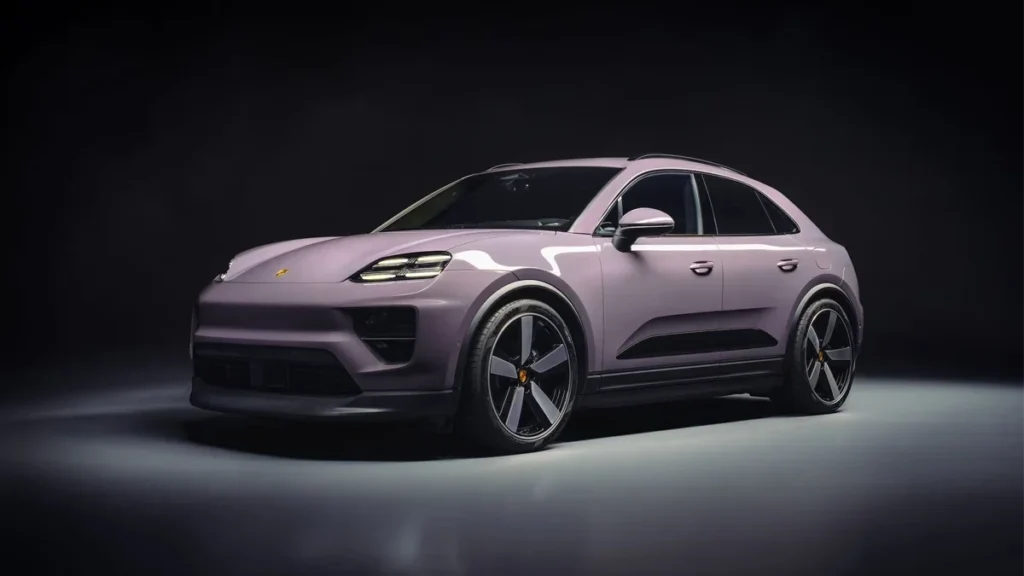
    Sleek purple electric SUV in spotlight

    ⚡ 10 Interesting Facts About Electric Vehicles That Are Changing the Future of Transportation

    Electric vehicles, commonly known as EVs, have evolved from a futuristic concept into one of the most exciting realities of the modern world. As environmental concerns rise and fuel prices soar, the world is shifting toward cleaner, smarter, and more sustainable mobility. Whether it’s Tesla redefining performance or Ford electrifying its classic trucks, EVs are transforming how we move — and how we think about energy.

    In this article, we’ll dive into 10 remarkable facts about electric vehicles that explain why they’re revolutionizing the automotive industry and what makes them the future of transportation.


    🚗 Fact 1: The First Electric Car Was Invented Over 180 Years Ago

    It may surprise you to learn that electric cars are not a recent invention. In fact, they were among the earliest automobiles ever built. Around 1828, Hungarian inventor Ányos Jedlik created a simple electric motor that powered a small model car. By the 1890s, electric cars were gaining popularity in major cities because they were quiet, clean, and easy to operate compared to gasoline or steam engines.

    In 1900, roughly 38% of cars in the United States were electric, while only 22% ran on gasoline. However, as oil became cheaper and gasoline engines improved, electric cars slowly disappeared. Today, more than a century later, electric mobility has made a historic comeback — and this time, it’s here to stay.


    🔋 Fact 2: EV Batteries Are Becoming More Affordable and Efficient

    Battery technology is the heart of the electric vehicle revolution. A decade ago, EV batteries were extremely costly, averaging around $1,200 per kilowatt-hour (kWh). Thanks to innovation and mass production, prices have fallen dramatically — now averaging under $140 per kWh.

    These advancements have not only reduced costs but also improved battery capacity and durability. Early electric cars could barely cover 100 miles, but modern EVs such as the Tesla Model S or Lucid Air can travel over 400 miles on a single charge.

    With research now focused on solid-state batteries, the future promises even faster charging (under 10 minutes) and longer ranges exceeding 600 miles — eliminating one of the biggest concerns drivers once had.


    🌎 Fact 3: Electric Vehicles Are Cleaner for the Planet

    Electric vehicles produce zero tailpipe emissions, which drastically reduces air pollution and greenhouse gases. This makes them a key part of global climate solutions.

    While some critics argue that charging EVs with electricity from fossil fuels still causes emissions, the overall impact remains far lower than traditional vehicles. According to the Union of Concerned Scientists, even EVs powered by fossil-fuel electricity emit less than half the carbon dioxide of gasoline cars.

    And as renewable energy sources like solar, wind, and hydroelectric power expand, the carbon footprint of driving an EV continues to shrink. Simply put — electric cars are better for the Earth and for future generations.


    ⚙️ Fact 4: EVs Have Far Fewer Moving Parts Than Gas Vehicles

    One of the most overlooked advantages of electric vehicles is their simplicity. A typical internal combustion engine (ICE) has over 2,000 moving components, while an electric motor contains fewer than 20.

    This difference translates into:

    Reduced maintenance costs

    No oil changes or spark plugs

    Fewer mechanical failures

    EVs also use regenerative braking, which recharges the battery every time you slow down, extending both range and brake life. For car owners, that means less maintenance, fewer repairs, and greater reliability over time.


    ⚡ Fact 5: Charging Networks Are Expanding Rapidly

    “Range anxiety” — the fear of running out of charge — is becoming a thing of the past. The United States alone now has over 170,000 public charging stations, with more being added every day. Worldwide, that number exceeds 4 million charging points, led by major growth in countries like China, the U.S., and Norway.

    Modern fast chargers from networks such as Tesla Supercharger, ChargePoint, and Electrify America can power most EVs up to 80% in just 25–30 minutes.

    Emerging innovations like wireless charging pads and solar-powered charging stations will soon make recharging even more convenient and eco-friendly — wherever you are.


    🏭 Fact 6: Leading Automakers Are Switching to All-Electric Fleets

    Almost every major car brand has announced a move toward an all-electric future. What once seemed like a niche market is now a full-scale transformation.

    Automaker Target Year Electric Goal

    General Motors 2035 100% zero-emission lineup
    Ford 2030 50% of sales electric
    Mercedes-Benz 2030 Fully electric where possible
    Volvo 2030 Only EV models
    Volkswagen 2030 70% of sales electric
    Tesla Ongoing 100% electric lineup

    This collective commitment means the automotive landscape will look entirely different by 2035 — more sustainable, more efficient, and more innovative than ever before.


    💰 Fact 7: Electric Vehicles Save Money in the Long Run

    Although the purchase price of an EV may seem high initially, the overall cost of ownership is much lower than a gasoline car.

    Here’s why:

    Electricity is cheaper than gas, cutting fueling costs by up to 70%.

    Maintenance expenses are lower due to fewer moving parts.

    Tax incentives in the U.S. offer up to $7,500 in credits for EV buyers.

    Long-term savings average around $1,000 per year compared to gas vehicles.

    When you add it all up, EV owners can save over $10,000 in a decade — not counting the environmental benefits.


    🔌 Fact 8: The U.S. Government Is Actively Supporting the EV Movement

    The electric transition is not just driven by automakers — it’s strongly backed by policy. The Biden Administration aims for 50% of all new U.S. vehicle sales to be electric by 2030.

    To achieve this, the government has allocated $7.5 billion to build nationwide charging infrastructure and offers tax credits to promote EV manufacturing and clean energy. The Inflation Reduction Act (IRA) further supports domestic production of batteries and EV components.

    Such measures are making electric mobility accessible to all Americans while accelerating the nation’s shift to renewable energy.


    🧠 Fact 9: EVs Are Packed With Smart Technology

    Today’s electric cars are far more than just vehicles — they’re advanced computers on wheels.

    Most EVs come equipped with:

    Autonomous driving features

    AI-driven battery optimization

    Over-the-air (OTA) software updates

    Smartphone connectivity

    Vehicle-to-grid (V2G) energy sharing

    This means your EV can get better over time through software updates, predict your routes, and even help power your home during an outage. Such intelligent features make EVs the most technologically advanced vehicles ever built.


    🌍 Fact 10: The EV Revolution Goes Beyond Cars

    The electric movement isn’t limited to passenger vehicles. The same technology is transforming entire industries, including:

    Public buses and taxis — cutting urban pollution

    Commercial trucks and vans — lowering logistics costs

    E-bikes and scooters — providing affordable mobility

    Airplanes and ships — early adoption of electric propulsion

    By 2040, experts estimate that over half of all new vehicles sold globally will be electric. From city commutes to global transport, electrification is reshaping every corner of modern life.


    📊 Quick Overview: The Electric Revolution in Numbers

    Category Key Update Impact

    Battery Prices Down 90% since 2010 Affordable EVs
    Range 400–600 miles Long-distance ready
    Charging Time 30 minutes for 80% Convenience
    Maintenance 50% cheaper Cost savings
    Emissions Zero tailpipe Cleaner environment
    Market Share 18% (2025 estimate) Growing rapidly
    Automaker Goals Full EV by 2035 Industry-wide shift
    Technology AI, OTA, V2G Smarter mobility


    ❤️ Final Thoughts

    The rise of electric vehicles is not just a technological change — it’s a global movement toward a cleaner, more sustainable, and more connected world. EVs combine innovation, environmental responsibility, and long-term affordability, making them the cornerstone of future transportation.

    From compact city cars to luxury SUVs and electric trucks, the evolution is unstoppable. With the pace of innovation and global commitment to green energy, the road ahead is not just electric — it’s bright, sustainable, and full of possibility. ⚡

    How long does an EV battery last?

    Most electric vehicle batteries last between 10–15 years or 100,000–200,000 miles. Manufacturers back this with long warranties, and modern thermal management systems help prevent premature wear or degradation.

    Are EVs cheaper than gas cars over time?

    Yes, absolutely. Despite a slightly higher purchase price, EVs have lower running and maintenance costs, saving owners around $10,000 or more over 10 years. Plus, federal and state tax credits can reduce upfront costs.

    Do electric vehicles work well in extreme temperatures?

    Yes. Today’s EVs feature advanced thermal control systems that keep batteries at optimal temperatures in both hot and cold conditions. As a result, performance remains steady year-round.

  • 🔥 Hot or Not? What Frank Stephenson Really Thinks of Bentley’s Bold EXP 15 Concept

    When Bentley unveiled its futuristic EXP 15 concept, the automotive world went wild. Some praised its bold innovation, while others felt it strayed too far from Bentley’s classic luxury roots. Among those critics was legendary car designer Frank Stephenson — the creative genius behind icons like the Mini Cooper, Ferrari F430, and McLaren P1.

    His verdict on Bentley’s new concept? A blunt “NOT.”
    But why did he think so? And what does this concept mean for Bentley’s electric future?

    Let’s dive into the design, the controversy, and what this debate reveals about how luxury brands are redefining themselves in the electric era.


    🚗 What Exactly Is the Bentley EXP 15 Concept?

    The Bentley EXP 15 isn’t just another show car—it’s a statement about where the brand is heading as it transitions into the electric vehicle (EV) world.

    This futuristic machine combines classic Bentley grandeur with modern-day technology. Inspired by the 1930 Speed Six ‘Blue Train’, the EXP 15 reflects Bentley’s heritage of grand touring but through the sleek lens of an EV future.

    Key Highlights of the EXP 15 Concept:

    Feature Description

    Design Inspiration Based on the 1930 Bentley Speed Six “Blue Train” heritage model
    Seating Layout Unique 3-seater setup for luxury and flexibility
    Powertrain Fully electric (concept model)
    Exterior Color “Pallas Gold” paint designed to allow radar and sensor transparency
    Interior Design Mix of handcrafted wood, digital glass panels, and futuristic instrument dials
    Front Grille Oversized illuminated design inspired by Bentley’s heritage identity
    Purpose To showcase Bentley’s future design direction for upcoming electric models

    Bentley designed the EXP 15 as a “visionary design model,” meaning it’s not meant for direct production but instead offers a glimpse of what their first all-electric Bentley might look and feel like.


    🎨 Frank Stephenson’s Honest Verdict: “Not Hot Enough”

    When Top Gear asked Frank Stephenson what he thought of the EXP 15, his critique was both detailed and ruthless.

    Stephenson, known for his design precision and balance, found several issues that, in his view, made the EXP 15 visually confusing and off-brand.

    Let’s break down his main criticisms:

    1. That Massive Front Grille

    Stephenson found the front grille “too enormous and theatrical.”
    In the past, Bentley’s grilles served a purpose — cooling the powerful engine behind them. But in an EV, there’s no need for such an opening. For him, Bentley exaggerated this detail to keep up appearances rather than evolve the brand gracefully into the electric era.

    His words in essence: “It’s not grandeur; it’s overkill.”


    1. Losing the Iconic Bentley Headlights

    Bentley’s signature round headlights are instantly recognizable. But the EXP 15 replaces them with thin, vertical LED strips — something Stephenson calls a “generic design trend.”
    He believes this move erases one of Bentley’s most timeless features, blending the car into a crowd of modern EVs rather than standing apart.


    1. A Confused Side Profile

    Stephenson described the side view as “unsure of its own identity.”
    While the rear haunches are bold and muscular, the front looks upright and static. This imbalance, he says, breaks Bentley’s traditional sense of flow and proportion. A true grand tourer should look confident, not conflicted.


    1. Uninspired Wheels

    Even the wheels didn’t escape criticism. Stephenson noted that Bentley chose an even-numbered spoke design, which visually kills the illusion of motion. Odd-numbered spokes typically create a feeling of speed and dynamism—even when the car is standing still.


    1. A Generic Rear End

    Finally, Stephenson found the rear design too plain and forgettable. The taillights, he said, lack the emotion and bold identity that Bentley’s cars are known for. For a brand built on presence and prestige, that’s a major red flag.


    ⚙️ Bentley’s Side of the Story: “We’re Redefining Luxury”

    While Stephenson’s critique is sharp, Bentley’s design team had a clear vision: to blend heritage craftsmanship with future technology.

    The EXP 15’s interior celebrates Bentley’s artisan roots while showcasing advanced design thinking. Its cabin combines hand-polished wood veneers, digital displays hidden under glass panels, and a “Mechanical Marvel” dial that bridges tradition with innovation.

    In short, Bentley wants to show that luxury in the EV era isn’t just about silence and speed — it’s about emotional experience and modern craftsmanship.


    💬 So, Who’s Right — Stephenson or Bentley?

    Both sides make valid points.

    Stephenson’s argument is rooted in brand integrity. He believes a Bentley should evolve naturally, without losing its distinct DNA. Oversized grilles and LED gimmicks, to him, cheapen the timeless elegance of the marque.

    Bentley, however, is facing a new reality. EV design comes with new proportions — shorter hoods, battery-heavy bases, and different aerodynamics. To stay relevant, the brand must reinvent itself, not just repeat the past.

    The truth? Bentley’s EXP 15 may not be perfect, but it’s bold enough to start a conversation — and that’s what great design should do.


    📰 Public & Media Reactions

    The EXP 15 triggered a mix of admiration and confusion.

    Car enthusiasts loved its daring concept and craftsmanship.

    Traditionalists felt it drifted too far from Bentley’s DNA.

    Automotive media described it as “a glimpse of the future wrapped in nostalgia.”

    Here’s how the sentiment roughly split:

    Audience Type Reaction Summary

    Design Experts Appreciated innovation but agreed with Stephenson on proportion issues
    Luxury Car Fans Divided between excitement and disappointment
    Press & Journalists Mixed reactions — “audacious but polarizing”
    Younger EV Enthusiasts Loved the futuristic styling and bold grille
    Classic Bentley Owners Felt it lacked traditional charm and warmth


    🧠 Why This Debate Matters

    This isn’t just about one car. The Bentley EXP 15 debate captures a bigger story — how iconic brands survive the electric transformation without losing their soul.

    Stephenson’s comments act as a wake-up call for designers: “Innovation must respect identity.”
    Bentley’s concept, on the other hand, reminds us that “Luxury must evolve with time.”

    It’s a tension every heritage brand must navigate in the EV age.


    💡 Final Thoughts: Hot, Not, or Somewhere In-Between?

    So, is the Bentley EXP 15 hot or not?
    The answer depends on what you expect from the brand.

    🔥 Hot: If you value bold experimentation, sustainability, and reimagining luxury for the electric future.

    ❄️ Not: If you believe Bentley should stay faithful to its timeless design cues and conservative elegance.

    In truth, the EXP 15 is a brave prototype that dares to challenge perceptions. Whether you love it or hate it, one thing’s certain — Bentley has everyone talking, and that’s the real sign of impactful design.

    What is the purpose of the Bentley EXP 15 concept?

    The EXP 15 serves as Bentley’s vision for its future electric vehicles. It’s not a production model but a design experiment showcasing how the brand could merge luxury craftsmanship with modern EV technology.

    Why did Frank Stephenson criticize the EXP 15?

    Stephenson felt the design strayed too far from Bentley’s traditional DNA — with an oversized grille, generic lighting, and confused proportions that diluted the brand’s elegance.

    Will Bentley produce the EXP 15?

    The EXP 15 won’t go into production. However, several of its design elements and concepts are expected to influence Bentley’s upcoming all-electric luxury cars.

  • 15 Electric Pickup Trucks You Should Have on Your Radar

    When you think of pickup trucks, the first image that comes to mind might be the thunderous roar of a diesel engine, muddy off-road trails, or a dependable workhorse hauling heavy loads. But the auto industry is moving in a new direction—toward sustainability and electrification. Today’s electric pickups are reshaping the way we see trucks. They’re still rugged, strong, and practical, but now they’re also futuristic, eco-friendly, and whisper-quiet.

    If you’ve ever wanted a vehicle that mixes toughness with cutting-edge technology, this list is for you. Here are 15 electric pickup trucks you need to know about—not just because of their power, but because they represent the exciting future of driving.


    1. Tesla Cybertruck – A Bold Leap into the Future

    THE IMAGE CREDITED TO MECA AUTOMOTIVE DESIGN

    The Tesla Cybertruck looks like it was designed for a sci-fi blockbuster. With its angular stainless-steel frame and armored glass, it doesn’t resemble anything else on the road. It’s not just about style though—the Cybertruck is expected to deliver over 500 miles of range, astonishing towing capacity, and jaw-dropping speed.

    Love it or hate it, the Cybertruck is a groundbreaking experiment that could completely redefine pickup trucks.


    2. Ford F-150 Lightning – A Legend Reinvented

    IMAGE BY CAR AND DRIVER

    The Ford F-150 has been America’s best-selling truck for decades, and now it’s entering the electric age. The F-150 Lightning offers around 320 miles of driving range and can even serve as a backup generator for your home.

    It’s a bridge between the traditional truck people trust and the future of electric mobility—making it one of the most practical EV pickups available.


    3. Rivian R1T – For the Adventurer’s Soul

    Rivian is targeting explorers and outdoor lovers with the R1T. Its unique quad-motor setup gives each wheel its own power, making it a true beast for off-road adventures. Extra storage spaces, like the gear tunnel, make it perfect for camping or road trips.

    It’s not just a truck—it’s a companion for anyone who loves to blend adventure with sustainability.


    4. Chevrolet Silverado EV – Dependability Meets Innovation

    Chevrolet is bringing its well-loved Silverado into the EV world with a modern spin. Built on GM’s Ultium platform, this truck boasts over 400 miles of range and strong towing power.

    It’s a perfect mix of familiarity and futuristic innovation, designed for people who rely on their truck daily but want to embrace an eco-friendly future.


    5. GMC Hummer EV Pickup – The “Supertruck”

    The return of the Hummer in electric form shocked many. With CrabWalk (sideways driving), a 0–60 mph time of just about 3 seconds, and up to 1,000 horsepower, this pickup is pure muscle wrapped in innovation.

    It’s bold, massive, and unafraid to stand out—a truck for those who want luxury, power, and presence all in one.


    6. Lordstown Endurance – Built for Business

    Unlike flashy EVs, the Lordstown Endurance is focused on utility and fleets. Its unique in-wheel hub motors reduce the need for complicated parts, aiming to keep maintenance costs low.

    It’s practical and straightforward, catering to businesses that need reliability more than luxury.


    7. Atlis XT – Big Dreams, Big Promises

    The Atlis XT is ambitious, claiming up to 500 miles of range and fast charging in under 20 minutes. Designed for tough jobs, it aims to match or even exceed what diesel-powered pickups deliver.

    If the company delivers on its promises, the XT could be a game-changer for both workers and adventurers.


    8. Bollinger B2 – Back to Basics Utility

    Boxy, rugged, and utilitarian—the Bollinger B2 isn’t trying to be sleek. It’s designed for people who need a true workhorse with maximum practicality. With huge storage capacity and off-road capability, it appeals to builders, ranchers, and explorers.

    It may not win beauty contests, but it’s all about function over form.


    9. Canoo Pickup – A Smart City Companion

    The Canoo pickup takes a different route, focusing on clever design and modular add-ons. Compact yet versatile, it’s ideal for city dwellers and weekend warriors who value practicality over size.

    It’s proof that pickups don’t always have to be massive to be useful.


    10. Ram 1500 REV – Muscle with a Modern Edge

    Ram is known for brute strength, and the electric Ram 1500 REV carries that reputation forward. With futuristic styling and impressive range targets, it’s meant for drivers who want tough performance wrapped in advanced technology.

    It’s Ram’s message to rivals: “We’re ready for the EV battle.”


    11. Hercules Alpha – Luxury Meets Power

    Designed in collaboration with Italian design powerhouse Pininfarina, the Hercules Alpha combines sleek aesthetics with up to 1,000 horsepower. This electric pickup isn’t just about utility—it’s about luxury and style, too.

    Think of it as a truck that performs on the jobsite but also turns heads in the city.


    12. Nikola Badger – Ambitious Yet Uncertain

    The Nikola Badger made waves with its concept of combining hydrogen fuel cells with battery-electric power. While the company’s troubles cast doubt on its future, the Badger remains one of the most talked-about concepts in EV pickup history.

    It shows how daring ideas can shake up the industry.


    13. Toyota Electric Pickup (Concept) – The Reliable Innovator

    Toyota, known for reliability, is working on an all-electric pickup concept. While details are still under wraps, a zero-emission version of its Hilux or Tacoma could revolutionize global markets.

    With Toyota’s track record, this could be one of the most dependable EV pickups ever.


    14. Alpha Wolf – Compact and Stylish

    The Alpha Wolf is designed for younger buyers who want affordability, style, and practicality. With its retro-inspired look, it offers a refreshing alternative to oversized EV trucks.

    It’s proof that electric pickups can be fun, affordable, and fashionable.


    15. ACE Yewt – Australia’s Compact EV Pickup

    Hailing from Australia, the ACE Yewt is a smaller utility vehicle designed for tradespeople, small businesses, and city driving. Affordable and efficient, it’s ideal for those who need a simple work vehicle without fuel expenses.

    It highlights how electric pickups are becoming a global phenomenon.


    Why Electric Pickups Are Game-Changers

    Electric pickups symbolize more than just transport. They represent strength without pollution, progress without compromise, and innovation without limits. For some, they’re a practical tool. For others, they’re a gateway to freedom and adventure. And for all of us, they’re a glimpse into a greener, smarter future.

    Q1: Can electric pickups tow as much as gas-powered trucks?

    Yes! Many EV pickups surpass traditional trucks in torque and towing. The Tesla Cybertruck and GMC Hummer EV, for example, boast towing capacities rivaling or exceeding diesel models.

    Q2: What’s the typical driving range of an electric pickup?

    Ranges vary widely. Some entry-level trucks offer 250–300 miles, while premium models like the Tesla Cybertruck claim up to 500 miles per charge.

    Q3: Are electric pickups suitable for rugged use and off-roading?

    Definitely. Trucks like the Rivian R1T, Bollinger B2, and GMC Hummer EV are designed with hardcore off-road capabilities, making them ideal for both work and play.

  • ⚡ Watch a Chinese EV Charge from 4% to 80% in Minutes: The Ultra-Fast Charging Revolution

    Electric vehicles (EVs) have transformed the way we think about transportation, offering cleaner alternatives to traditional cars. Yet, one of the biggest hurdles for EV adoption has always been charging time. Conventional charging can take hours, fueling “range anxiety” among drivers. However, Chinese automakers are now pushing the limits with ultra-fast charging solutions, making EV charging almost as fast as filling up a gasoline tank.


    🔋 Zeekr 001: Redefining Charging Speed

    Zeekr, the premium EV brand under Geely, has made headlines with its Zeekr 001 fastback. With a 12C charging rate, this vehicle can go from 10% to 80% in under seven minutes. Such impressive performance is achieved through cutting-edge technology:

    • 800V High-Voltage System: Allows more power to flow, accelerating charging without compromising safety.
    • Advanced LFP Batteries: Lithium iron phosphate batteries with superior thermal management handle high-speed charging efficiently.
    • Ultra-Fast Charging Stations: Capable of delivering 1.3 megawatts of power to maximize speed.

    🚗 BYD Han L: 400 km in Just 5 Minutes

    BYD, another leading Chinese EV maker, has introduced ultra-fast charging technology through its Han L sedan. Using the “Super e-Platform,” the Han L achieves a peak charging power of 1,000 kW, enabling drivers to gain up to 400 km of range in only five minutes.

    Key highlights include:

    • High-Power Stations: Thousands of ultra-fast chargers planned across China.
    • Robust Battery Design: Optimized to safely handle extreme charging speeds.
    • Future-Proof Scalability: Infrastructure built to support new EV models and growing demand.

    🧪 Innovations Driving Ultra-Fast Charging

    Several advanced technologies are making these breakthroughs possible:

    • Solid-State Batteries: Offer faster charging and higher energy density.
    • Capacitor-Assisted Charging: Temporarily stores energy to accelerate power delivery.
    • Thermal Management Systems: Prevent batteries from overheating during rapid charging.
    • Smart Charging Algorithms: Optimize power flow based on battery health, temperature, and state-of-charge.

    🌍 China Leading the Global EV Charging Push

    China is at the forefront of ultra-fast charging development, backed by extensive infrastructure and strong government support. Its network of high-speed chargers is growing rapidly, and brands like BYD and Xpeng are even expanding overseas, targeting fleets in Europe despite regulatory challenges.


    ⚡ Comparison Table: Ultra-Fast Charging Specs of Leading Chinese EVs

    EV ModelBattery TypeVoltage SystemCharging Power4%-80% Charge TimeExtra Info
    Zeekr 001LFP800V1.3 MW<7 minutesPremium fastback with advanced thermal management
    BYD Han LLFP/Blade800V1,000 kW5 minutesGains 400 km range in ultra-fast charging
    Xpeng P7LFP400V/800V600 kW15 minutesSmart battery algorithms and scalable infrastructure

    🔮 What the Future Holds

    The pace of technological advancement indicates a future where EV charging times rival those of gasoline refueling. As ultra-fast chargers become more common and batteries improve, EV adoption is expected to surge. Challenges such as standardization, infrastructure gaps, and consumer awareness remain, but they are being actively addressed by industry leaders.

    Q1: How fast can a Chinese EV charge from 4% to 80%?

    A1: Some Chinese EVs, like the Zeekr 001, can reach 80% in under 7 minutes.

    Q2: Why are 800V systems important?

    A2: Higher voltage allows faster and more efficient charging, reducing time dramatically.

    Q3: Are ultra-fast charging stations widely available?

    A3: China is rapidly deploying them, with thousands of stations already in operation.

  • Title: Renault 5 Turbo 3E: The Electrifying 540bhp Superhero Hatchback That Rewrites Driving Thrills

    Renault 5 Turbo 3E: The Electrifying 540bhp Superhero Hatchback That Rewrites Driving Thrills


    Introduction: A Wild Icon Reborn

    The automotive world rarely produces something as audacious as the Renault 5 Turbo 3E. This fully electric hot hatch is not just a car—it’s a wild reimagination of Renault’s legendary rally-bred icon from the 1980s. With a jaw-dropping 540bhp under its skin, the Turbo 3E is a neon-lit, adrenaline-fueled celebration of driving passion. Where many EVs focus on efficiency and silence, this machine shouts with style, speed, and sheer rebellion.

    The original Renault 5 Turbo was an eccentric rally monster; the Turbo 3E carries forward that DNA but injects it with futuristic flair. It’s bold, bad, and gloriously alive—showing the world that electric power doesn’t have to mean boring.


    A Heritage of Madness: From Rally Legend to Electric Rebel

    The Renault 5 Turbo, born in the 1980s, was a fearless experiment. A hatchback with its engine in the back and an attitude to match, it shocked the industry. Fast-forward to today, and Renault has honored that madness with the Turbo 3E. But instead of a turbocharged petrol engine, we now get electric motors—faster, sharper, and more explosive.

    This is no timid nod to nostalgia. The Turbo 3E feels like a superhero’s evolution: grounded in history, yet futuristic enough to command attention in today’s EV arena.


    Styling: Retro Meets Cyberpunk

    The Renault 5 Turbo 3E is a head-turner. Its boxy retro shape pays homage to the original, while modern details make it feel straight out of a sci-fi film. Oversized arches, glowing LED strips, and an aircraft-like rear wing set the stage for visual drama.

    Inside, the cabin is stripped down and futuristic, with bold harnesses, digital displays, and a cockpit that feels like a gamer’s paradise. The emphasis here isn’t on comfort—it’s about immersion, adrenaline, and theatre.


    Performance: 540bhp of Instant Electric Fury

    The Turbo 3E is powered by dual electric motors delivering 540bhp and 700Nm of torque. With this setup, it rockets from 0–62mph in just under 3.5 seconds. Unlike petrol cars that gradually build power, the Turbo 3E delivers instant acceleration—turning every straight road into a runway.

    This isn’t just another EV—it’s a thrill machine. Every press of the pedal delivers a rush that feels intoxicating and wild.


    Handling: Built for Drifting and Pure Fun

    Renault didn’t design the Turbo 3E just to go fast. They built it to play. With its rear-wheel-drive setup, wide stance, and sharp steering, it’s engineered for controlled chaos. Sliding through corners feels natural, and every drift brings a smile.

    It’s a reminder that cars aren’t just about transport—they’re about emotion. The Turbo 3E is proof that EVs can be fun, outrageous, and soul-stirring.


    Emotional Connection: More Than a Car

    Driving the Turbo 3E is like stepping into a superhero suit. From its glowing accents to its ferocious acceleration, it immerses you in an experience that goes beyond specs. It’s playful, dramatic, and utterly addictive. For enthusiasts, this isn’t a practical EV—it’s a dream machine.


    Price and Availability

    While the Renault 5 Turbo 3E is currently a concept and not a mass-production model, it gives a glimpse into Renault’s bold vision for performance EVs. If it were to enter production, it would likely be positioned as a high-end, limited-edition electric hot hatch.

    Here’s a breakdown of what’s known and expected:

    FeatureDetails
    Power Output540bhp
    Torque700Nm
    0–62mph AccelerationUnder 3.5 seconds
    DrivetrainDual-motor, Rear-wheel-drive
    Body StyleRetro-inspired hot hatch with futuristic design
    Expected Price (if produced)$70,000 – $90,000 (est.)
    AvailabilityConcept car; no confirmed production yet

    Renault’s EV Future

    The Turbo 3E isn’t just an experiment. It’s Renault’s way of proving that electrification doesn’t kill excitement. By reviving the R5 in both a practical EV and this wild concept, Renault is showing its commitment to both innovation and heritage. The Turbo 3E is a message to the world: the EV future can still be thrilling.


    Verdict: A Glorious Electric Celebration

    The Renault 5 Turbo 3E is mad, bad, and brilliant. It’s not about practicality—it’s about passion. In an industry leaning toward uniformity, this outrageous EV stands tall as a reminder that cars are about more than efficiency. They’re about heartbeats, goosebumps, and smiles.

    Whether or not it reaches production, the Turbo 3E has already left its mark—as a modern superhero hatchback that redefines fun.


    FAQs

    1. Is the Renault 5 Turbo 3E available for purchase?
    Not yet. It’s currently a concept car, though fan excitement could encourage Renault to explore limited production.

    2. How fast is the Renault 5 Turbo 3E?
    It produces 540bhp and 700Nm of torque, accelerating from 0–62mph in under 3.5 seconds.

    3. What makes the Turbo 3E special compared to other EVs?
    It prioritizes fun and thrills. Unlike many EVs built for efficiency, the Turbo 3E embraces drifting, retro design, and an emotional driving experience.


    Is the Renault 5 Turbo 3E available for purchase?

    1. Is the Renault 5 Turbo 3E available for purchase?
    Not yet. It’s currently a concept car, though fan excitement could encourage Renault to explore limited production.

    How fast is the Renault 5 Turbo 3E?

    It produces 540bhp and 700Nm of torque, accelerating from 0–62mph in under 3.5 seconds

    What makes the Turbo 3E special compared to other EVs?

    It prioritizes fun and thrills. Unlike many EVs built for efficiency, the Turbo 3E embraces drifting, retro design, and an emotional driving experience.