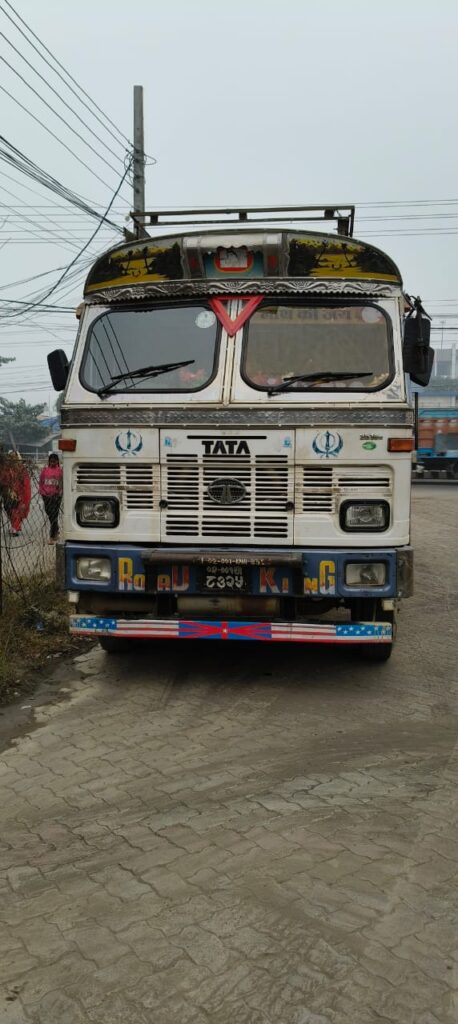
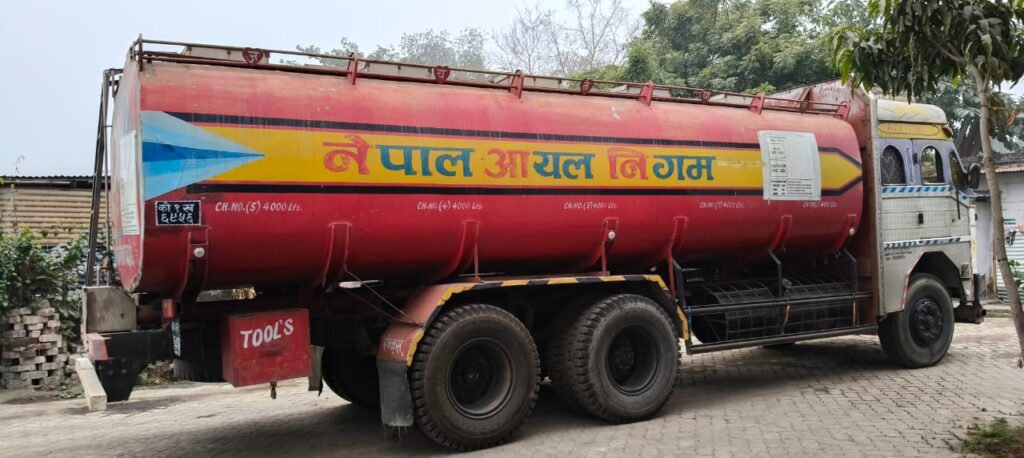
Nepal Oil Corporation (NOC) has introduced new fuel prices starting Jestha 17, 2082 (May 31, 2025), following the updated purchase rates received from Indian Oil Corporation Limited (IOCL).
🔄 New Purchase Rates from IOCL
According to the latest import details received on Jestha 17, the new buying price of petrol is NPR 121.91 per liter and diesel is NPR 110.96 per liter. These reduced rates have allowed NOC to lower the retail prices for consumers across Nepal.
Based on the international market update dated June 1, 2025, the international rate for petrol (delivered to Kathmandu) now stands at NPR 210 per liter, while diesel is priced at NPR 192 per liter—both down by NPR 2. As a result, NOC has made changes to bring selling prices closer to the break-even point.
The prices of aviation fuel and LPG for international airlines have also been revised accordingly.
🛢️ Revised Retail Fuel Prices in Nepal (Effective from 12:01 AM, Jestha 18, 2082)
Retail prices slightly vary between locations based on transport and logistics costs.
📌 Summary
Nepal Oil Corporation’s latest fuel price adjustment reflects international price changes and aims to provide fair and transparent rates to Nepali consumers. With petrol and diesel prices dropping by NPR 2 per liter, this update brings some relief to households and businesses alike.
Stay tuned to official NOC channels for future updates and pricing information.
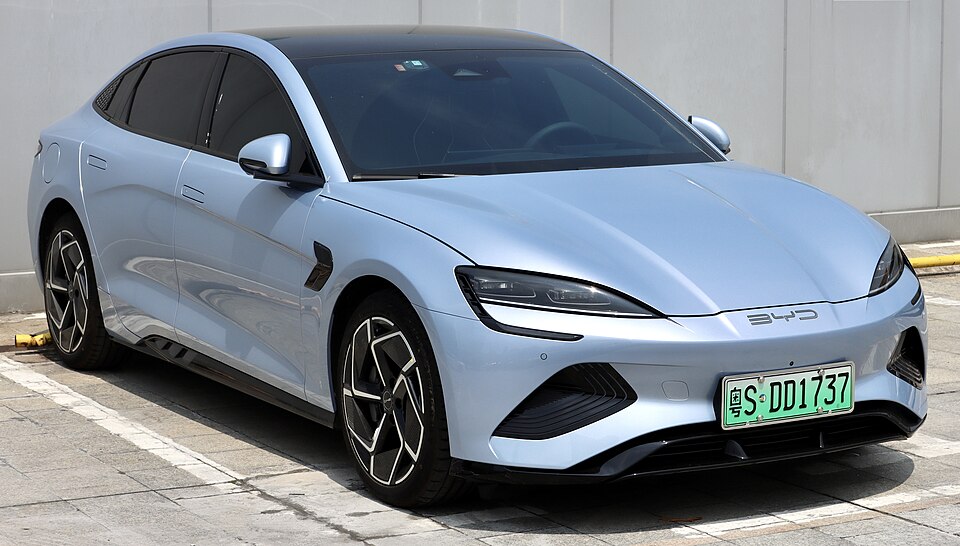
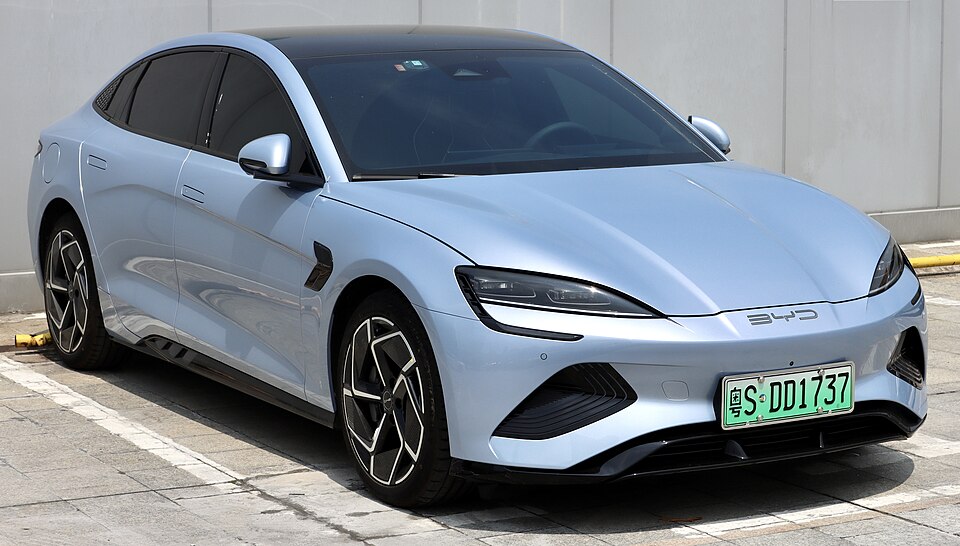
If you’re thinking about switching to an electric vehicle in Nepal, there’s a good chance the BYD Atto 3 has already caught your eye—and for good reason. It’s not just another EV. It’s a statement of style, innovation, and a greener tomorrow.
Whether you’re a daily commuter, a weekend road-tripper, or someone looking to cut down on fuel costs, the Atto 3 offers something that clicks with everyone.
🌟 First Impressions – Design That Turns Heads
From the moment you lay eyes on the BYD Atto 3, you know it’s something special. It carries a futuristic charm with its flowing lines, bold front grille, and LED lighting. The crossover SUV stance gives it road presence, but it’s not overly bulky—just the perfect balance between sporty and sleek.
Step inside, and the cabin greets you with an open, airy layout. The rotating infotainment display is not just a gimmick—it’s a practical and fun touch. The panoramic sunroof, layered dashboard, and soft ambient lighting make every drive feel premium.
🔋 Power Meets Practicality – Performance & Battery Life
Under the hood (or rather, beneath the floor), the Atto 3 is all-electric. You get two battery variants:
🔹 49.92 kWh (Advanced Variant)
🔹 60.48 kWh (Superior Variant)
The larger battery gives you up to 420 km of real-world range, which means less time charging and more time driving. Whether you’re navigating Kathmandu’s busy lanes or taking a weekend trip to Pokhara, this car won’t leave you stranded with range anxiety.
Charging is pretty straightforward too:
🚀 Fast Charging: 0 to 80% in around 45 minutes
🏠 Home Charging (AC): Plug it overnight and you’re good to go the next day.
🧠 Smart & Safe – Features You’ll Love
Safety is where the BYD Atto 3 truly shines. It’s scored a 5-star Euro NCAP safety rating, making it one of the safest EVs in its class. Plus, you get:
Adaptive Cruise Control
Lane-Keep Assist
Blind Spot Monitoring
Multiple Airbags
Rear Cross-Traffic Alert
On top of that, the Vehicle-to-Load (V2L) feature lets you use your car as a power bank—perfect for camping or power cuts!
💸 BYD Atto 3 On-Road Price in Nepal (May 2025)
If you’re wondering about the cost, here’s the latest pricing:
🔹 Advanced Variant – NPR 56.90 Lakhs
🔹 Superior Variant – NPR 67.80 Lakhs
The price includes an 8-year or 160,000 km warranty on the battery and motor, which adds solid peace of mind.
👍 What We Love (and What Could Be Better)
Why You’ll Love It:
✅ Excellent range for Nepal’s roads ✅ Spacious, futuristic interior ✅ Smooth, silent, and fun to drive ✅ Loaded with safety features ✅ Strong value-for-money proposition
Room for Improvement:
❌ DC fast charging could be quicker ❌ Service availability is still growing outside major cities
🏁 Final Thoughts – Is the BYD Atto 3 Worth It?
Absolutely. The BYD Atto 3 isn’t just a car—it’s a shift toward a smarter, cleaner, and more exciting way to drive. It’s stylish, reliable, and efficient, and it makes the transition to electric feel completely natural.
If you’ve been on the fence about getting an EV, the Atto 3 might just be the perfect place to start your journey. It brings together all the right ingredients—looks, performance, safety, and value.
As Nepal celebrates its 18th Republic Day, the country is experiencing major developments across politics, economy, infrastructure, and climate. From budget announcements to royalist demonstrations, here’s a detailed roundup of today’s top stories from Nepal.
Republic Day Observed Amid Calls for Monarchy Restoration
Nepal marked the 18th anniversary of becoming a republic, transitioning from a monarchy in 2008. While the government organized official programs across the nation, thousands of royalist supporters gathered in Kathmandu, calling for the return of the monarchy.
Critics of the current democratic system argue that political instability and lack of economic progress have led many to question the effectiveness of the republic. To ensure public safety, around 6,000 security personnel were deployed throughout the capital.
Nepal Unveils Rs 1.96 Trillion Budget for FY 2025/26
Finance Minister Bishnu Prasad Paudel presented the highest-ever budget in Nepal’s history—Rs 1.96 trillion—for the fiscal year 2025/26. The government aims to boost the national GDP by 6%, with strong emphasis on infrastructure development, job creation, and inviting private investment.
While the business sector welcomed the budget’s growth-oriented vision, opposition leaders criticized the lack of clarity in execution strategies, especially given the current political uncertainty.
In trade policy news, Nepal has lifted its partial ban on imports of specific dairy items—such as whey and cheese—from India. This move is expected to stabilize local markets and improve trade ties with its southern neighbor.
A new environmental study has raised alarms over the rapid melting of glaciers in the Himalayas. Even a 2°C rise in global temperatures could result in significant glacier loss in the region, threatening water sources and ecosystems.
In response, Nepal recently hosted the Sagarmatha Sambaad, a global climate conference focused on mountain ecosystems. The dialogue encouraged nations to collaborate on environmental conservation and sustainable development, especially for climate-vulnerable countries like Nepal.
Infrastructure: Progress on Expressway, New Hospital in Karnali
The Kathmandu–Terai/Madhesh Expressway, one of Nepal’s most ambitious infrastructure projects, has achieved 37% completion. This 70-kilometer expressway, once finished, will drastically improve travel and trade between the capital and the southern plains. Authorities now expect the project to conclude by April 2027.
In the health sector, the Karnali Academy of Health Sciences announced the establishment of a 50-bed satellite hospital in Dailekh. The initiative aims to improve medical access in Nepal’s remote and underserved regions.
Nationwide Teachers’ Protest Over Job Security
Public school teachers across Nepal continued their demonstrations against the proposed School Education Bill. Teachers are demanding guaranteed job security, pay parity, and inclusion in government social security plans.
The educators argue that the new bill undermines previous agreements and weakens their employment status. At the same time, the government has introduced educational reforms, including youth startup incentives and a new policy aimed at universal basic education by 2084 BS.
Sports: Nepal’s Cricket and Kabaddi Teams Make Headlines
Nepal’s national cricket team is preparing to participate in the 2025 Scotland Tri-Nation Series, facing off against teams from Scotland and the Netherlands. This series is part of the ICC Cricket World Cup League 2 and is vital for Nepal’s qualification journey.
On the domestic front, the Nepal Kabaddi League concluded successfully with the Janakpur Knights winning the championship. The tournament featured six regional teams and aimed to promote kabaddi among youth.
Security Update: Border Incidents Raise Concerns
In a significant border security development, Indian authorities apprehended two Chinese nationals entering India illegally from Nepal through the Madhubani border. One of the detainees was reportedly in possession of over 50 videos promoting anti-India and pro-Khalistan sentiments, prompting concerns over potential cross-border propaganda.
In another case, two individuals were sentenced to 14 years of rigorous imprisonment for smuggling 60 kilograms of cannabis through the India-Nepal border. They were also fined Rs 2 lakh each.
Conclusion: Nepal’s Crossroads Between Tradition and Progress
Nepal today stands at a critical juncture—balancing its historical values with a vision for future development. As the republic completes 18 years, challenges like climate change, economic management, and political unrest persist. However, initiatives in infrastructure, healthcare, education, and international cooperation highlight the country’s resilience and its aspirations for a better tomorrow.
As we step further into 2025, the international oil market continues to be influenced by a mix of geopolitical developments, production adjustments, and changing demand trends. For oil-dependent countries like Nepal, understanding the direction of crude oil prices is crucial—not just for policy-makers, but also for businesses, logistics companies, and everyday consumers.
At Sharma Roadlines Pvt Ltd, which is actively involved in the petroleum transport sector, especially supplying to Nepal Oil Corporation, staying ahead of oil price trends is essential. In this blog post, we explore what’s shaping global oil prices and how these changes could impact Nepal in the days to come.
Current Global Oil Market Trends in 2025
1. Fluctuating Prices Due to Geopolitical Factors
In the past few months, global oil prices have been on a rollercoaster ride. Following a U.S. court decision to block specific tariffs, investor sentiment briefly improved, pushing Brent crude up by over 1.2%, reaching around $65.68 per barrel, while West Texas Intermediate (WTI) rose to $62.62 per barrel.
However, this optimism is fragile. With ongoing tensions in the Middle East, uncertainty in European energy policy, and a looming global economic slowdown, any positive shifts are often short-lived. This environment of uncertainty continues to keep oil traders on edge.
2. OPEC+ and the Supply Equation
The Organization of the Petroleum Exporting Countries (OPEC) and its allies, commonly known as OPEC+, remain key players in controlling oil supply. Recently, OPEC+ announced potential plans to increase crude output by approximately 411,000 barrels per day starting July. This comes after a previous increase of nearly 1 million barrels per day to stabilize supply.
This move is largely aimed at balancing the market and curbing price volatility. However, increased supply usually puts downward pressure on prices unless matched by equal or higher demand.
3. Demand Recovery Still Uneven
Even as some economies, particularly in Asia and North America, show signs of recovery, demand for oil remains inconsistent. High inflation, tighter monetary policies, and a cautious outlook on global growth are slowing down the full recovery of oil demand, particularly in developing nations.
Forecast: Where Are Oil Prices Headed?
Most analysts expect moderate movements in oil prices in the coming months, barring any major geopolitical disruptions.
The U.S. Energy Information Administration (EIA) projects the average Brent crude price for the second half of 2025 to be around $74 per barrel.
Leading financial institutions like Goldman Sachs suggest that Brent could fluctuate between $70 and $85, averaging at $76 per barrel.
These predictions take into account a balanced market where OPEC’s production strategy, economic growth, and geopolitical stability all play a part.
Impact on Nepal: What to Expect
Nepal, being a landlocked and oil-import dependent country, is particularly vulnerable to global oil price swings. Nepal Oil Corporation (NOC) sets local fuel prices based on international trends and supply contracts with Indian refineries.
Here are key factors that will shape oil prices in Nepal:
1. Global Benchmark Prices
When international prices rise or fall, it directly affects the rates set by NOC. For example, if Brent crude drops below $70, Nepalese consumers may see a small reduction in fuel prices, assuming no major rupee depreciation.
2. Exchange Rate with the U.S. Dollar
Since oil is traded in dollars, the value of the Nepalese Rupee (NPR) against the USD is critical. A weaker NPR means higher import costs—even if global oil prices are falling.
3. Transportation and Logistics Costs
Nepal’s challenging terrain makes fuel distribution more expensive. In addition, any increase in freight or customs duties can also push prices up. At Sharma Roadlines Pvt Ltd, we continually assess route optimization and fuel efficiency to keep delivery costs in check for our partners.
4. Government Taxes and Subsidies
Nepalese fuel prices also reflect government policy decisions. In recent years, the government has reduced subsidies on petroleum products to manage fiscal deficits. If global prices surge, it’s unlikely that full subsidies will return—meaning consumers will bear the brunt.
What Could Petrol and Diesel Cost in Nepal?
If global prices stabilize around $74–$76 per barrel and the exchange rate remains steady, we may expect:
Petrol in Nepal to range between Rs. 165 – Rs. 180 per liter
Diesel to hover around Rs. 145 – Rs. 160 per liter
However, these are only indicative figures. Any significant shifts—like a new conflict in oil-producing regions or currency devaluation—can alter these estimates rapidly.
Final Thoughts: Preparing for Uncertainty
For a company like Sharma Roadlines Pvt Ltd, which operates in cross-border petroleum logistics, tracking oil prices is more than a financial exercise—it’s a critical part of operational planning. We understand that fuel is a lifeline for the economy, and our goal is to ensure timely, efficient, and affordable delivery, no matter how unpredictable the market becomes.
Key Takeaways:
Global oil prices in 2025 are likely to average between $70 and $85 per barrel.
Nepal’s fuel prices are closely tied to international benchmarks, exchange rates, and local logistics.
Consumers and businesses should prepare for moderate fluctuations, not extreme spikes or crashes.
Stay Updated with Sharma Roadlines Pvt Ltd
We’re committed to keeping our clients, partners, and stakeholders informed about critical developments in the petroleum sector. Follow our blog for regular updates on oil market trends, logistics strategies, and Nepal-focused fuel insights.
Nepal Oil Corporation’s Price Fluctuations: A Reflection of Public Sentiment
In the heart of Nepal’s economic landscape, the Nepal Oil Corporation (NOC) stands as a pivotal entity, influencing the daily lives of millions. As the sole importer and distributor of petroleum products in the country, its pricing decisions resonate deeply with the populace, affecting everything from household budgets to transportation costs.
Recent Price Adjustments: A Year in Review
Over the past year, NOC has made several adjustments to fuel prices, reflecting changes in international oil markets and the pricing structure of its sole supplier, the Indian Oil Corporation. Notably:
These fluctuations underscore the volatility of global oil markets and the challenges faced by NOC in maintaining stable pricing.
The Human Impact: Stories from the Ground
For many Nepali citizens, these price changes are more than just numbers; they have tangible effects on daily life. A taxi driver in Kathmandu, for instance, expressed concern over the rising operational costs due to fuel price hikes, which directly impact his earnings. Similarly, a homemaker in Pokhara highlighted how increased fuel prices strain her household budget, forcing her to make difficult choices in daily expenditures.
Infrastructure Developments: A Glimpse of Hope
Amidst these challenges, there have been positive strides. The Motihari-Amlekhganj pipeline, a 69-kilometer trans-border petroleum pipeline between India and Nepal, has enhanced the efficiency of fuel transportation, reducing dependency on road tankers and ensuring a more stable supply. Kathmandu Post+5Wikipedia+5Wikipedia+5
Looking Ahead: Striving for Stability
While NOC continues to navigate the complexities of global oil markets, there is a collective hope among Nepali citizens for more stable and predictable fuel pricing. Transparent communication, infrastructure investments, and strategic planning are essential to mitigate the impact of global price volatility on the local populace.
In conclusion, the journey of Nepal Oil Corporation reflects the broader economic challenges and aspirations of the nation. As it endeavors to balance market dynamics with public welfare, the stories of everyday Nepalis serve as a poignant reminder of the human side of economic policies.
The Indian automobile market is buzzing with excitement as Tata Motors has officially launched the much-anticipated Tata Punch EV 2025. This compact electric SUV is not just another car—it’s a bold statement, a reflection of India’s rapid shift towards sustainable mobility. For those waiting for an affordable, reliable, and stylish EV with a punch (pun intended), the wait is finally over.
🌿 A Green Future on Four Wheels
With climate change becoming an urgent global concern, consumers are actively seeking greener alternatives. The Tata Punch EV answers that call. Built on Tata’s Gen-2 EV architecture, it promises to deliver zero emissions without compromising performance or aesthetics.
Tata Motors has already made a name for itself in the EV sector with the success of the Nexon EV and Tigor EV, and now, the Punch EV continues that legacy. Priced competitively between ₹11 lakh to ₹15.5 lakh (ex-showroom), it targets middle-class Indian families aspiring for an eco-friendly lifestyle.
🔋 Battery, Range & Charging – No More Range Anxiety!
Let’s talk about what really matters in an EV—battery and range.
The Tata Punch EV 2025 is available in two battery variants:
Standard: 25 kWh battery with a claimed range of around 315 km.
Long Range: 35 kWh battery offering up to 421 km on a single charge.
Whether it’s your daily office commute or a weekend getaway, the Punch EV ensures you never have to worry about range anxiety.
Charging options are equally versatile:
7.2 kW fast AC charging
DC fast charging (0 to 80% in just 56 minutes)
🚙 Design That Turns Heads
At first glance, the Tata Punch EV radiates confidence. It retains the bold and muscular stance of the petrol Punch but adds futuristic elements like:
A closed-off grille with EV-blue accents
Signature DRLs and sleek projector headlamps
Aerodynamic alloy wheels
The design is not just about style—it’s a clever mix of form and function. The EV-specific front end improves airflow and enhances battery cooling, while the raised stance offers excellent ground clearance for Indian roads.
🛋️ Interiors: Tech Meets Comfort
Step inside, and the Tata Punch EV welcomes you with a futuristic cabin loaded with features:
10.25-inch floating infotainment touchscreen
Digital instrument cluster
Premium leatherette seats
Wireless Android Auto & Apple CarPlay
Arcade.ev app suite with in-car games and entertainment
Tata has focused on passenger comfort with spacious seating, ample boot space, and automatic climate control—ensuring every journey feels first class.
🛡️ Safety and Smart Features
Tata’s commitment to safety continues with the Punch EV. It comes equipped with:
6 Airbags
ESC (Electronic Stability Control)
Hill Hold Assist
360-degree camera
Blind Spot Monitoring
These features not only provide peace of mind but also make the Punch EV ideal for new drivers and families.
🌍 Built for India, Loved by Everyone
What sets the Punch EV apart is how well it understands Indian roads and consumers. It’s compact enough for city traffic, robust enough for bad roads, and efficient enough for long drives. The vehicle supports Vehicle-to-Vehicle (V2V) and Vehicle-to-Load (V2L) charging—making it a potential power source during emergencies or travel.
It’s not just a car—it’s a movement towards clean, intelligent transportation for everyone.
📣 Final Thoughts: Is It Worth It?
Absolutely. The Tata Punch EV 2025 is a power-packed electric SUV that balances affordability, innovation, and emotion. It brings the EV dream closer to the average Indian without compromising on performance or safety.
As India pushes for 30% EV adoption by 2030, models like the Punch EV are not just filling a market gap—they’re paving the way for a cleaner, smarter future.
So, if you’ve been on the fence about buying an electric vehicle, this might just be the perfect time and the perfect car to start your EV journey.
Electric vehicles (EVs) are transforming the way we think about mobility, and BYD (Build Your Dreams) is at the forefront of this revolution. As one of the world’s leading EV manufacturers, BYD offers a diverse lineup of electric cars designed for performance, safety, and sustainability. If you’re curious about their popular models, pricing, and what makes them stand out, this guide is for you.
Who is BYD?
BYD, founded in 1995 in Shenzhen, China, started as a battery maker and quickly grew into one of the largest electric vehicle manufacturers globally. Known for its advanced battery technology, particularly the innovative Blade Battery, BYD designs and produces everything from compact hatchbacks to luxury SUVs, electric buses, and commercial vehicles.
BYD’s Popular EV Models & Prices (2025)
Here’s a look at some of BYD’s top electric vehicles, their approximate price ranges in US dollars (USD) and Nepalese rupees (NPR), along with their key features and specifications.
1. BYD Atto 3 (Also called Yuan Plus)
Price in USD: $16,000 – $20,000
Price in NPR: Approximately NPR 2,030,000 – 2,540,000
Type: Compact Electric SUV
Range: Around 420-480 km (depending on variant)
Battery: 60.5 kWh Blade Battery
Charging: Fast charging from 30% to 80% in under 30 minutes
Features: Rotating touchscreen infotainment, advanced driver-assistance systems (ADAS), spacious cabin
Pros:
Excellent range for its price
Modern design with advanced tech
Comfortable interior space
Cons:
Limited availability in some markets
Rear visibility could be better
2. BYD Seal
Price in USD: $25,000 – $30,000
Price in NPR: Approximately NPR 3,175,000 – 3,810,000
Type: Electric Sedan
Range: Up to 700 km (CLTC cycle)
Battery: Blade Battery with advanced thermal management
Performance: Up to 530 hp with dual motor AWD variant
Very high price, accessible to only a niche market
Limited availability outside China
Why Choose BYD EVs?
Advanced Battery Technology
BYD’s proprietary Blade Battery is a standout feature. It’s a lithium iron phosphate battery designed for safety, durability, and efficiency. The blade design enhances thermal stability, reducing fire risks, and extends battery lifespan — a crucial factor for electric vehicles.
Vertical Integration
BYD controls its entire supply chain — from battery manufacturing to motor production and software development. This vertical integration allows better quality control, cost management, and faster innovation compared to competitors relying on external suppliers.
Sustainability Commitment
BYD is committed to environmental responsibility, not only by manufacturing EVs but also by promoting renewable energy solutions such as solar power and energy storage systems. Their vehicles contribute significantly to reducing greenhouse gas emissions globally.
Common Pros & Cons of BYD Electric Vehicles
Pros:
Competitive pricing with good value for money
Strong focus on battery safety and longevity
Wide model range from budget to luxury EVs
Growing international presence
Environmentally friendly manufacturing practices
Cons:
Brand recognition outside Asia is still developing
Some models have limited availability in Western markets
Charging infrastructure varies by region
Conclusion
BYD is rapidly establishing itself as a global EV powerhouse by combining innovative technology, attractive pricing, and a strong sustainability ethos. Whether you’re looking for an affordable city car like the Dolphin, a versatile SUV like the Atto 3, or a high-performance sedan like the Seal, BYD offers something for every type of driver.
For Nepalese buyers, while pricing may be influenced by import duties, BYD’s competitive pricing and expanding international footprint make it an exciting option as the country moves toward greener transportation solutions.
In the rapidly evolving landscape of electric vehicles (EVs), BYD (Build Your Dreams) has emerged as a formidable player not just in China, but on the global stage. From pioneering battery technology to rolling out innovative electric sedans, SUVs, and buses, BYD has firmly positioned itself as a leader in green transportation. This article explores the rise of BYD in the EV sector, its cutting-edge technologies, top-selling models, and its global impact in the journey towards a sustainable future.
The Rise of BYD: From Batteries to Global EV Leader
Founded in 1995 in Shenzhen, China, BYD initially focused on rechargeable batteries for consumer electronics. By the early 2000s, the company ventured into the automotive industry, and in 2008, it launched its first plug-in hybrid, the F3DM. This marked the beginning of its ambitious move toward electrification.
What sets BYD apart is its vertical integration strategy—the company designs and manufactures its own batteries, semiconductors, electric motors, and control systems. This gives BYD better cost control, efficiency, and the ability to rapidly innovate.
Innovative Battery Technology
One of BYD’s most significant contributions to the EV sector is its Blade Battery, unveiled in 2020. This lithium iron phosphate (LFP) battery stands out for its:
Improved safety: Blade batteries are highly resistant to combustion or explosion, even in extreme conditions like nail penetration tests.
Longer lifespan: LFP chemistry typically lasts longer than conventional lithium-ion batteries.
Better thermal stability: The Blade Battery offers consistent performance in a wider range of temperatures.
Space efficiency: Its design allows more compact battery packs, increasing vehicle range and cabin space.
BYD’s Blade Battery has been integrated into many of its newer models and is seen as a game-changer in EV safety and longevity.
Top BYD EV Models in 2025
BYD offers a wide range of electric and plug-in hybrid vehicles under several sub-brands like Dynasty, Ocean, and the luxury-focused Yangwang. Here are some of their most popular models:
1. BYD Atto 3
A compact electric SUV, the Atto 3 (known as Yuan Plus in China) is designed for global markets and is already available in Europe, India, Australia, and Southeast Asia. It offers:
420–480 km range (depending on the variant)
A 60.5 kWh Blade Battery
Intelligent infotainment system with a rotating touchscreen
Fast charging (30% to 80% in under 30 minutes)
Its sporty design, competitive price, and practical range have made it a favorite among urban drivers.
2. BYD Seal
Targeted as a direct competitor to the Tesla Model 3, the BYD Seal is a stylish electric sedan with advanced features:
Dual-motor AWD version with up to 530 hp
700+ km range (CLTC)
0–100 km/h in just 3.8 seconds (for the performance variant)
DiSus-C intelligent damping body control system
The Seal showcases BYD’s commitment to blending performance, design, and technology.
3. BYD Dolphin
This is a budget-friendly hatchback aimed at younger, city-based users. It’s praised for:
Its compact design and bright color options
Around 400 km range
Practical interior layout and tech features
4. Yangwang U8
The ultra-luxury Yangwang U8 SUV is BYD’s answer to high-end electric mobility. It’s an off-road-capable, high-performance EV with:
Quad-motor setup for precise control
Water wading capabilities and even 360-degree tank turns
A hefty price tag aimed at affluent consumers
Global Expansion: Making Waves Beyond China
BYD is no longer confined to the Chinese domestic market. In 2022, it stopped manufacturing internal combustion engine (ICE) vehicles and went fully electric (including hybrids). This strategic move highlighted its commitment to zero-emission mobility.
Key Markets:
Europe: BYD has entered markets like Germany, Norway, and the UK, offering models such as the Atto 3, Dolphin, and Seal. It’s also investing in European EV infrastructure and partnerships.
India: BYD entered the Indian passenger EV market with the e6 MPV and later the Atto 3, targeting fleet and premium users.
Southeast Asia & Latin America: Markets like Thailand, Brazil, and Colombia have welcomed BYD’s electric buses and cars with open arms.
United States: Though currently more focused on commercial EVs like electric buses and trucks, BYD is expanding its presence through strategic collaborations.
Sustainability and Environmental Commitment
BYD isn’t just building cars—it’s shaping a greener future. The company is deeply involved in renewable energy solutions, including:
Solar panels
Energy storage systems
Monorail transit systems (SkyRail)
This integrated approach means BYD contributes to a clean energy ecosystem that covers power generation, storage, and usage.
Their EVs alone are estimated to have reduced millions of tons of CO₂ emissions globally. BYD also emphasizes recyclable components, eco-friendly manufacturing processes, and reduced water and energy consumption in its plants.
EVs Beyond Cars: Buses, Trucks, and Rail
BYD is a global leader in electric buses, operating in over 50 countries. Its e-buses are especially popular in the UK, USA, and Latin America. The company’s electric trucks are also gaining traction in logistics and delivery sectors.
Another remarkable innovation is the BYD SkyRail—a monorail solution aimed at solving urban congestion in developing megacities. Cities like São Paulo and Bangkok have expressed interest in these solutions.
Challenges and the Road Ahead
Despite its rapid rise, BYD faces several challenges:
Global competition: Tesla, Volkswagen, and other EV players are also expanding aggressively.
Brand recognition: Outside of China, BYD still needs to establish a stronger brand presence.
Geopolitical hurdles: Trade restrictions and tariffs could slow down expansion in certain countries.
However, BYD’s consistent innovation, vertical integration, and sustainability focus give it a significant edge. With plans to set up local assembly lines and battery factories in Europe and other regions, the company is preparing for long-term global dominance.
Conclusion: A True EV Powerhouse
BYD’s journey from a battery manufacturer to a world-renowned EV brand is nothing short of extraordinary. With industry-leading battery technology, a diverse EV portfolio, and strong sustainability principles, BYD is shaping the future of mobility—one electric mile at a time.
Whether you’re a consumer looking for an efficient EV, a policymaker seeking green transit solutions, or a city planner envisioning smart infrastructure, BYD has something transformative to offer. In a world racing towards net-zero emissions, BYD is not just participating in the revolution—it’s leading it.
Petroleum products are the lifeblood of the global economy. From transportation to manufacturing, energy generation to agriculture—almost every sector depends heavily on crude oil and its derivatives. The fluctuation in international petroleum product prices doesn’t just affect oil-producing nations—it also has far-reaching consequences for developing countries like Nepal, which rely entirely on imports to meet their energy demands.
Global Trends in Petroleum Prices
International crude oil prices are influenced by a variety of factors, including:
OPEC+ production decisions
Geopolitical tensions (e.g., Russia-Ukraine conflict, Middle East instability)
Global economic outlook and demand
Natural disasters and pandemics
Exchange rate fluctuations
In 2024 and into 2025, global petroleum prices have remained volatile. Events such as tensions in the Middle East, changing production quotas by OPEC+, and fluctuating demand from major economies like China and the USA continue to impact pricing.
Why This Matters to Nepal
Nepal is a landlocked country with no domestic oil production. It imports 100% of its petroleum products, primarily through India, and is heavily dependent on the international price of crude oil. The consequences of rising petroleum prices are particularly serious for Nepal due to:
1. Inflationary Pressure
Higher global oil prices lead to increased import costs, which are passed on to consumers. This contributes to a rise in the prices of goods and services, especially transportation, food, and basic commodities, fueling inflation.
2. Rising Trade Deficit
Since petroleum imports form a large part of Nepal’s import bill, rising prices increase the country’s trade deficit. This weakens the balance of payments and puts pressure on the foreign exchange reserves.
3. Increased Transportation Costs
Nepal’s rugged terrain already makes transportation expensive. With higher fuel prices, logistics and transport costs go up, making everything from vegetables to construction materials more costly.
4. Impact on Development Projects
Government infrastructure and development projects often rely on fuel-intensive machinery and transport. An increase in petroleum prices can lead to budget overruns and delays in project implementation.
5. Energy Security Concerns
With global prices rising unpredictably, Nepal faces challenges in ensuring a stable and affordable energy supply. It increases the urgency to diversify energy sources and invest more in renewable energy.
How Can Nepal Mitigate These Effects?
While Nepal cannot control international petroleum prices, it can take several steps to reduce its vulnerability:
Diversify energy sources: Invest in hydropower, solar, and bioenergy to reduce dependency on imported petroleum.
Improve public transportation: Better infrastructure and affordable public transport can reduce individual fuel consumption.
Promote fuel efficiency: Encourage fuel-efficient vehicles and practices across industries.
International petroleum product prices will continue to remain unpredictable due to global dynamics. For a country like Nepal, the impact is profound—affecting everything from inflation and trade balances to daily life. Addressing these challenges requires long-term planning, strategic investment in alternative energy, and regional cooperation.
In a significant move that has brought relief to households and businesses alike, the Nepal Oil Corporation (NOC) has announced a notable reduction in the prices of petroleum products across the country. This decision comes amid favorable international oil prices and the government’s commitment to stabilizing the domestic fuel market.
Let’s delve into the details of this price cut, understand its implications, and explore how it could influence various sectors of Nepal’s economy.
📉 What’s the Latest Price Reduction in Petroleum Products?
On May 25, 2025, the NOC officially reduced the prices of key petroleum products, including petrol, diesel, and kerosene. Here’s a breakdown of the new prices:
Product
Old Price (NPR per liter)
New Price (NPR per liter)
Reduction (NPR)
Petrol
175
168
7
Diesel
163
157
6
Kerosene
163
157
6
This price revision follows a positive trend in international crude oil prices, which have seen a downward correction due to improved global supply chains and easing geopolitical tensions.
🔍 Why Did the Prices Go Down?
Several key factors contributed to this recent drop in petroleum prices in Nepal:
1. Decline in Global Crude Oil Prices
Global crude oil prices have dipped by over 10% in the past two months due to:
Increased production from OPEC and non-OPEC countries
Stable geopolitical conditions in major oil-producing regions
Reduced global demand, particularly from large economies like China
2. Improved Supply Chain and Logistics
Post-pandemic recovery has led to better transportation networks and fewer disruptions at seaports. This has made fuel imports more cost-effective for Nepal, especially via Indian Oil Corporation (IOC), which supplies most of Nepal’s petroleum needs.
3. Policy Decisions by Nepal Oil Corporation
NOC periodically adjusts fuel prices based on a transparent pricing mechanism. This includes factors like import cost, transportation, taxes, and profit margins. The latest revision reflects the real-time global pricing scenario, aligning domestic prices with international trends.
👨👩👧👦 Impact on Consumers
The price reduction is excellent news for consumers, especially as Nepal continues to face inflationary pressures. Here’s how the average Nepali household will benefit:
🔹 Lower Transportation Costs
Commuters using personal vehicles or public transportation will experience lower fuel expenses. This indirectly reduces taxi fares and bus tickets in the long run.
🔹 Decrease in Cost of Goods
Since diesel is widely used in freight and logistics, a price reduction leads to a decrease in the cost of transporting goods. This helps stabilize or reduce market prices of essential items, groceries, and agricultural products.
🔹 Relief for Small Businesses
Small vendors, farmers using diesel pumps, and transport operators are among the biggest beneficiaries. Lower operating costs help them reinvest in their businesses or pass savings to consumers.
🏭 Impact on Industries and Businesses
The industrial sector, which heavily relies on petroleum products for machinery, transportation, and backup power, will also gain from the recent price slash.
✅ Manufacturing Sector
Industries using diesel generators or operating heavy machinery will see reduced energy costs, boosting productivity and profitability.
✅ Agriculture
Farmers using kerosene or diesel for irrigation pumps, tractors, and grain processing equipment will benefit from cost savings, especially during peak planting and harvesting seasons.
✅ Transportation and Logistics
Freight companies, courier services, and goods carriers will find this a timely boost as fuel forms a significant portion of their operational expenses.
💼 Government’s Role and Public Trust
The Nepalese government and NOC have been under public scrutiny over fuel pricing. This recent decision demonstrates transparency and responsiveness to economic conditions, which can help restore public confidence.
NOC also assures that if global prices continue to fall, more reductions may be passed on to the consumers in the coming weeks. Conversely, if prices rise, NOC may revise prices upward, though gradually, to protect the public from shocks.
🌱 Environmental Considerations
While lower fuel prices increase affordability, they may also lead to higher consumption. This brings potential environmental challenges like:
Increased vehicular emissions
Greater reliance on fossil fuels
Delay in adoption of electric vehicles (EVs)
To counter this, the government should continue promoting EVs and renewable energy incentives alongside pricing reforms.
The petroleum price reduction offers short-term economic relief and can stimulate consumer spending and industrial activity. However, it also highlights Nepal’s continued dependency on imported fossil fuels.
Recommendations for Long-Term Fuel Stability:
Diversify Energy Sources: Invest in hydropower, solar, and wind to reduce petroleum dependency.
Promote Electric Mobility: Increase subsidies for electric vehicles and charging infrastructure.
Fuel Reserve Planning: Create strategic petroleum reserves to buffer against future price shocks.
Transparent Pricing Policy: Continue to use a clear pricing mechanism and public communication to build trust.
🗣️ Public Reaction
The general public has responded positively to the price drop, with social media users and transport unions expressing relief. Many have urged the government to ensure that these savings reflect in transportation and commodity costs and not just fuel pumps.
📌 Final Thoughts
The recent price reduction in petroleum products in Nepal is a welcome development for consumers, businesses, and the economy as a whole. It reflects the effectiveness of Nepal Oil Corporation’s pricing strategy and the government’s responsiveness to global economic trends.
While this brings temporary relief, it also highlights the need for a long-term energy strategy focused on sustainability, energy independence, and price stability.
As Nepal navigates a post-pandemic economic recovery, balanced decisions like this are vital for building a resilient and inclusive economy.