Author: amit.misty1@gmail.com

  • Sushila Karki: From Nepal’s First Woman Chief Justice to Becoming the Nation’s First Woman Prime Minister – A Journey of Courage and Integrity

    Introduction

    Every once in a generation, a leader rises who not only breaks glass ceilings but also heals a wounded nation with courage, honesty, and unwavering principles. Sushila Karki, already celebrated as Nepal’s first female Chief Justice, has now etched her name in history again as the country’s first woman Prime Minister.

    Her story is not just about political milestones—it is about resilience, justice, and the power of a woman who stood tall when others faltered. In a country grappling with deep political unrest and painful sacrifices made by its youth, her appointment feels less like politics and more like destiny.


    Early Life and Education

    Born on 7 June 1952 in Biratnagar, Karki grew up in a middle-class family with strong values of education and service. The eldest of seven children, she naturally carried the weight of responsibility from a young age. Her family roots trace back to Sankarpur, Sarlahi, where she inherited both discipline and determination.

    From an early age, books became her refuge and weapon. She completed her Bachelor of Arts from Mahendra Morang College (1972), followed by a Master’s in Political Science from Banaras Hindu University (1975). Her academic foundation instilled in her a sharp sense of justice, democracy, and the courage to speak truth to power—traits that would later define her career.


    Teacher, Activist, and Prisoner of Conscience

    Before she donned the lawyer’s gown, Karki worked as a teacher in Dharan. But the winds of political change in Nepal soon pulled her into the larger fight for democracy.

    During the 1990 People’s Movement, she actively stood against the Panchayat system, demanding freedom and democracy. Her activism landed her in jail in Biratnagar—a short imprisonment that transformed her outlook on life. Instead of breaking her, the experience carved an even deeper commitment to justice.

    That young teacher-turned-activist had no idea she would one day become a leader trusted to heal a broken nation.


    The Legal Career: Rising Through Ranks

    video by misguided nepal

    After the restoration of democracy, Sushila Karki entered the legal profession with fire in her heart. Her courtroom presence was marked by discipline, fairness, and an unshakable integrity that made her stand out among peers.

    In 2009, she was appointed as an ad-hoc justice of the Supreme Court, and soon after, she became a permanent justice. She was known for her fearless decisions on corruption cases, her insistence on rule of law, and her ability to look beyond political games.

    Her reputation was that of a strict but fair judge—someone who couldn’t be bought, silenced, or intimidated.


    Breaking the Ceiling: Nepal’s First Woman Chief Justice

    In July 2016, Nepal made history by appointing Sushila Karki as its first female Chief Justice. Her appointment was more than symbolic—it represented the possibilities of change in a patriarchal society.

    During her tenure, she introduced reforms to strengthen judicial independence and transparency. She delivered rulings that challenged powerful political figures, exposing corruption and misuse of authority.

    But such courage came at a cost. In 2017, she faced impeachment proceedings initiated by lawmakers who felt threatened by her decisions. Though she was suspended, the public stood by her, and many viewed the attempt as an attack on judicial independence.

    Her fight during those turbulent months only cemented her image as a woman who would not bow down to power.


    The Writer and Thinker

    Beyond her courtroom battles, Karki has always been a writer and thinker. She penned memoirs and reflections on her experiences—from her days in jail during the democracy struggle to her time in the judiciary.

    Her writings reveal not just a judge but a deeply empathetic human being, committed to building a fairer society. She believes law is not just about verdicts but about justice that touches lives.


    From Crisis to Leadership: Becoming Prime Minister

    Fast forward to 2025, Nepal found itself in one of the darkest chapters of its democratic journey. The Gen Z-led protests shook the foundation of the political class. Young people filled the streets, demanding accountability, justice for those killed, and a fresh start. The government collapsed under the pressure of unrest and mistrust.

    In this vacuum, Nepal needed a leader untainted by corruption, someone respected by the youth and credible to the institutions. The answer was clear—Sushila Karki.

    On 12 September 2025, she was sworn in as Nepal’s first woman Prime Minister, tasked with leading an interim government until elections scheduled for March 2026.

    For many, her appointment felt like the return of hope. Mothers who lost their children in protests saw in her a leader who might finally deliver justice. Students who had been on the streets saw in her a figure who actually listened.


    Her Priorities and Challenges Ahead

    Taking charge of a broken nation is no small task. Karki’s interim leadership faces enormous challenges:

    1. Restoring Peace and Trust – Families of victims are demanding justice. Karki must ensure impartial investigations into protest violence and accountability for security excesses.
    2. Preparing for Fair Elections – The March 2026 elections will decide Nepal’s democratic future. Ensuring transparency, fairness, and credibility is her most urgent responsibility.
    3. Economic Stabilization – With remittances, tourism, and businesses hit by the unrest, she must provide short-term relief to citizens struggling to survive.
    4. Fighting Corruption – Her lifelong battle against corruption will now be tested at the political level, where resistance will be fierce.

    The nation’s hope rests on her ability to balance moral authority with practical governance.


    Personal Life and Values

    Sushila Karki is married to Durga Prasad Subedi, and together they have led a life grounded in discipline and dignity. She has always maintained a simple lifestyle, away from political glamour.

    Her identity as an independent leader, not tied to any political party, is both her strength and challenge. It allows her to remain neutral, but it also means she doesn’t have a political machinery to back her decisions.

    Her values—justice, fairness, integrity, and empathy—have remained her guiding light.


    Legacy and What Lies Ahead

    Sushila Karki’s story is already written in golden letters in Nepal’s history. She was the first woman Chief Justice and now the first woman Prime Minister.

    But her true legacy will depend on what she achieves in this short yet critical interim period. If she succeeds in calming the unrest, holding fair elections, and laying a foundation of accountability, she will be remembered as a national guardian who protected democracy during its darkest hours.

    For millions of Nepalese, especially young women, she is not just a leader—she is living proof that courage and integrity can change a nation.


    Conclusion

    Sushila Karki’s journey—from a small-town girl in Biratnagar to the Chief Justice’s bench, and now the Prime Minister’s office—is an inspiring tale of courage. Her life teaches us that real leadership is not about power but about service, sacrifice, and the willingness to stand alone for what is right.

    In these turbulent times, Nepal has placed its faith in a woman who embodies resilience. Whether history remembers her as a transitional figure or as a reformer who changed the course of the nation, one thing is certain: her story will inspire generations to come.

    Q1: Who is Sushila Karki and why is she significant in Nepal’s history?

    Sushila Karki is Nepal’s first woman Chief Justice and now its first woman Prime Minister. She is celebrated for her fearless judicial career, her stand against corruption, and her historic role in leading Nepal during a political crisis.

    Q2: What are the main challenges for Sushila Karki as Prime Minister?

    Her biggest challenges include restoring peace after violent protests, ensuring justice for victims, preparing for free and fair elections in 2026, and stabilizing Nepal’s fragile economy.

    Q3: Why was Sushila Karki chosen as interim Prime Minister?

    Amid mass protests and political collapse, she was chosen for her reputation as a principled, independent leader trusted by the public, youth movements, and institutions to guide Nepal toward stability and fair elections.
  • 🌏 “Nepal’s Gen Z Uprising: How a Digital Ban Sparked a Revolution for Freedom and Justice”

    📑 Table of Contents

    1. Introduction – Why Nepal’s Gen Z Took to the Streets
    2. The Silent Frustration: Why Youth Were Already Restless
    3. The Spark That Lit the Fire: Nepal’s Social Media Ban
    4. How the Protests Unfolded: A Timeline of Resistance
    5. Faces of the Uprising: How Gen Z Redefined Protest
    6. What Protesters Demanded from the Government
    7. Turning Point: From Bans to Resignations
    8. Why the Gen Z Movement Matters for Nepal’s Future
    9. Challenges and Roadblocks Ahead
    10. The Road Ahead: Can Youth Power Reshape Nepal?
    11. Conclusion – A Generation That Refuses to Be Silenced
    12. FAQs on Nepal’s Gen Z Protest

    Introduction

    September 2025 will forever be etched in Nepal’s history as the month when Gen Z — the country’s youngest and most fearless generation — stood up against power. What began as frustration over a social media ban quickly turned into one of the most powerful youth-driven protests the Himalayan nation has ever witnessed.

    These protests weren’t just about losing access to Instagram, Facebook, or YouTube. They were about freedom, opportunity, and dignity. For thousands of Nepali youths, the ban symbolized something bigger: decades of corruption, nepotism, and political betrayal. The voices of Nepal’s Gen Z roared through the streets, shaking the political foundations and forcing powerful leaders to step down.

    This is not just a story about protests — it’s about a generational awakening.


    Why Gen Z in Nepal Was Already Restless

    video by DD INDIA

    For years, Nepal’s youth have lived with a sense of disappointment. Political leaders promised democracy, but instability, corruption, and elite favoritism became the norm.

    • Corruption and Political Stagnation – Since the end of monarchy in 2008, governments have toppled one after another. Leaders clung to power, but scandals, nepotism, and broken promises left citizens disillusioned.
    • Joblessness and Migration – With few opportunities at home, millions of young Nepalis sought work abroad, often in harsh conditions. For many, migration became the only survival option.
    • Digital Generation, Higher Expectations – Unlike their parents, today’s youth grew up online. They connect globally, learn from others, and expect freedom of expression. Losing digital platforms felt like losing their own identity.
    • The “Nepo Kids” Factor – Social media was flooded with the contrast between wealthy political families flaunting luxury lifestyles while ordinary students struggled to pay tuition or find jobs. This inequality fueled anger.

    In short, the fire was already burning — the social media ban was the final spark.


    The Trigger: A Ban That Backfired

    In early September 2025, Prime Minister K.P. Sharma Oli’s government blocked 26 social media platforms, including Facebook, Instagram, WhatsApp, YouTube, and X. Officials justified it as an attempt to regulate “fake news” and unregistered platforms.

    But to Gen Z, this wasn’t about regulation — it was about silencing voices. Social media is where they learn, create, connect, and even earn money. Overnight, their digital lifeline was cut.

    Instead of silencing youth, the ban pushed them onto the streets.


    How the Protests Exploded

    A Timeline of Resistance

    DateEvent
    Sept 4, 2025Government blocks 26 social media platforms.
    Sept 8Peaceful youth gatherings erupt in Kathmandu. Students in uniforms join marches.
    Sept 9-10Protests spread nationwide — from Biratnagar to Pokhara. Clashes with police intensify.
    Sept 11Violence escalates. At least 19 killed, hundreds injured. The nation mourns.
    Sept 12Home Minister resigns. Social media ban lifted.
    Sept 13Prime Minister Oli resigns. Plans for fresh elections announced.

    The Faces of the Movement

    This uprising was different from past revolutions:

    • Led by Students, Not Politicians – Teenagers, university students, and first-time protestors dominated the streets.
    • Fueled by Hashtags – Despite the ban, VPNs and alternative tools kept digital activism alive. “#NepoKids” and “#LetUsSpeak” became rallying cries.
    • Leaderless but United – There was no single face or political party in charge. Instead, it was a collective voice of a generation.
    • Peaceful Yet Powerful – While clashes broke out, most protests carried music, placards, and chants that symbolized hope rather than hate.

    This was Gen Z’s fight for dignity — and they weren’t going to stop until they were heard.


    What Protesters Demanded

    The list of demands echoed through Kathmandu’s streets:

    • Restore freedom of digital expression.
    • End corruption and hold leaders accountable.
    • Resignations of those responsible for ordering violent crackdowns.
    • Fresh elections and new leadership free of nepotism.
    • Better job opportunities and reforms for young people.

    The Turning Point

    The government underestimated the power of this generation. Instead of scattering, the crowds grew larger after each crackdown. The tragic deaths of young protestors only hardened public resolve.

    Finally, under unbearable pressure:

    • The social media ban was reversed.
    • The Home Minister resigned.
    • Prime Minister Oli stepped down.
    • A caretaker government announced elections.

    The youth had done what many thought impossible — toppled one of Nepal’s most powerful leaders.


    Why This Movement Matters

    This was not just another protest. It was a generational shift in Nepal’s democracy.

    1. A Voice for the Future – Gen Z proved they are not just “followers” but leaders of change.
    2. Digital Rights = Human Rights – Social media is not a luxury anymore; it’s a lifeline.
    3. End of Political Immunity – For the first time, leaders were forced to resign because youth demanded it.
    4. Global Inspiration – Nepal’s uprising echoed similar youth protests worldwide, from Sri Lanka’s “Aragalaya” to climate marches in Europe.

    The Road Ahead

    Even though the protests succeeded in forcing resignations, the bigger battle has just begun.

    • Will new elections bring genuine change or recycled leaders?
    • Can corruption be dismantled, or will it return under new faces?
    • Will the youth continue their activism or fade into frustration?

    For lasting impact, Nepal needs structural reforms:

    • Transparent governance
    • Independent anti-corruption bodies
    • Youth-focused job policies
    • Strong protections for digital freedom

    If ignored, the spirit of September 2025 could return — stronger and louder.


    Conclusion

    The Nepal Gen Z protests were about much more than Facebook or Instagram. They were about a generation demanding respect, fairness, and opportunity.

    The courage of young Nepalis has rewritten the political script of their country. Their voices declared:

    👉 “We are not the future anymore — we are the present.”

    What happens next will decide if Nepal embraces the change its youth have fought and died for, or if history repeats itself.

    One thing is clear: Gen Z has awakened, and they will not be silenced again.

    Q1: What triggered the Nepal Gen Z protests in 2025?

    The protests began after the government banned 26 social media platforms, cutting off young people’s main source of connection and expression. This ban, combined with frustration over corruption and nepotism, ignited nationwide demonstrations.

    Q2: What were the key demands of Nepal’s youth protesters?

    Protesters demanded digital freedom, accountability from corrupt leaders, resignations of those responsible for violence, fresh elections, and better opportunities for young citizens.

    Q3: What was the outcome of the protests?

    The protests led to the lifting of the social media ban, the resignation of Nepal’s Home Minister, and ultimately the resignation of Prime Minister K.P. Sharma Oli. A caretaker government announced fresh elections, marking a historic win for youth power.

  • The Ripple of Responsibility: OPEC+’s October Oil Output Increase and What It Means for Us

    Table of Contents

    1. Setting the Scene: A Brief Background
    2. Why October Matters: The Emotional Weight of a Decision
    3. The Numbers Unveiled: What Exactly Is Changing
    4. Market Reverberations: Price, Supply, Sentiment
    5. Faces Behind the Figures: Who’s Impacted Most
    6. Looking Ahead: What Could Come Next
    7. Conclusion: Shared Responsibility in a Changing World
    8. Frequently Asked Questions

    1. Setting the Scene: A Brief Background

    In the ever-shifting sands of global energy and geopolitics, OPEC+—a union that unites OPEC members with key allies like Russia—has long walked a tightrope between market stabilization and regional stability. Formed to better coordinate oil policy, the group wields a unique influence over crude supply, prices, and the shared economic heartbeat of nations.
    In 2025, OPEC+ enacted sweeping production changes—beginning in April, it reversed previous cuts with roughly 2.5 million barrels per day (bpd) returning to the market by September .


    1. Why October Matters: The Emotional Weight of a Decision

    October isn’t just another month—it’s a juncture where supply meets strategy, where global demand softens, and where decisions ripple out to affect livelihoods, energy bills, and the environment.
    For producers, it is a hope for resilience amid waning demand. For consumers, it’s the anxiety of rising costs. And for the world at large, it’s a poignant reminder that energy policy is never just technical—it’s personal.


    1. The Numbers Unveiled: What Exactly Is Changing

    Expected Increase: OPEC+ is set to raise oil production by 130,000 to 140,000 bpd beginning October—a slower pace than prior months .

    Diverging Estimates: Some sources suggest it could be as high as 200,000 to 350,000 bpd, depending on final agreement .

    Strategic Rollback: This move signifies the unwinding of part of a 1.65 million bpd cut, gulping forward the anticipated phase-out that was initially scheduled through 2026 .

    Historical Context: In August, OPEC+ unlocked a hefty 547,000 bpd bump for September; October’s increment appears markedly more cautious .


    1. Market Reverberations: Price, Supply, Sentiment

    The global oil market is a delicate ecosystem. Incremental tweaks in supply can sway prices, shape investor sentiment, and steer policy.

    Price Pressure Mounts: Despite rising supply, crude prices have held near $66 per barrel, buoyed by sanctions on Russia and Iran and uneven output compliance .

    Investor Jitters: Rumors of earlier-than-planned unwinding of cuts spooked energy stocks—oil-linked equities like APA and Occidental slid, while service giants like Halliburton and Schlumberger also dipped .

    Glut vs. Growth: Analysts worry about a supply glut amid declining demand, though hopes for a relief rally still linger .


    1. Faces Behind the Figures: Who’s Impacted Most

    Beyond barrels and pricing, real lives hang in the balance.

    Producers: Nations like Saudi Arabia and the UAE remain among the few with spare output capacity, balancing strategic goals with resource constraints .

    Compliant vs. Struggling: Countries such as Iraq (amid production quota disputes) and those under sanctions like Russia face compliance challenges or restricted capacity .

    Global Consumers: From families feeling rising fuel costs to businesses recalibrating budgets around energy prices, the October decision will touch millions—subtly, yet significantly.


    1. Looking Ahead: What Could Come Next

    OPEC+’s path isn’t linear.

    Onwards or Pause?: Some sources indicate that after this hike, OPEC+ may consider pausing increases—even as early as October itself .

    Demand Dynamics: The end-of-season slump—or potential rebound—will shape whether further hikes make sense or backfire.

    Regulatory Role: External pressures—from U.S. demands for lower energy prices to global calls for cleaner energy—remain strong influencers of OPEC+’s next moves.


    1. Conclusion: Shared Responsibility in a Changing World

    This October increase is more than a barrel count—it’s a statement: of evolving strategy, of market realities, and of the intertwined fate of producers and consumers. In an era marked by energy transitions, geopolitical tug-of-wars, and climate urgency, OPEC+’s choices echo far beyond oil fields—into the driveways of motorists, the ledgers of investors, and the honest conversation we each have with energy.

    Q1. Why is OPEC+ increasing production now, ahead of schedule?

    This decision stems from shifting priorities—from price stabilization to market share acquisition—amid geopolitical pressure, particularly from the U.S., and slowing global demand. Accelerating the phase-out of cuts allows OPEC+ to hedge against non-OPEC supply growth .

    Q2. Could this production increase cause oil prices to fall dramatically?

    Yes, there is potential. Increased supply coupled with softer demand—particularly post-summer—may create downward pressure. Still, prices remain resilient due to sanctions and uneven production capacities .

    Q3. Who benefits—and who may struggle—from this decision?

    Beneficiaries: Oil-consuming countries and consumers may see slight relief in prices.
    Struggling parties: Producers with tight capacity (like Iraq or sanctioned nations) must stretch output or face penalties. And investors face uncertainty as markets anticipate potential surplus

  • “Dailekh Petroleum Exploration Update: Nepal Awaits Final Report on Massive Methane Gas Reserves to Transform Energy Independence”

    Introduction: Nepal’s Energy Turning Point

    Nepal has long depended on imported fuel to meet its growing domestic and industrial energy needs. But in the remote hills of Dailekh, a potential energy revolution is quietly taking shape. Recent exploration in the Jaljale region has confirmed the existence of vast methane gas reserves deep beneath the surface.

    The country now awaits the much-anticipated final report, expected by December 2025, which could determine whether Nepal is ready to step into a new era of energy independence.


    Discovery in Dailekh: Methane Found at Historic Depths

    The exploration program began in 2021, led by Nepal’s Department of Mines and Geology in partnership with China’s Geological Survey and CNPC Xibu Drilling Engineering Co. The project drilled Nepal’s deepest well ever, reaching 4,013 meters underground.

    Samples taken from this first test well revealed approximately 112 billion cubic meters of methane gas. Further analysis of the other three potential wells has suggested that total reserves could reach as high as 430 billion cubic meters—a staggering volume that could reshape the nation’s entire energy future.

    For a country that currently spends billions importing liquified petroleum gas (LPG) every year, the discovery offers a glimmer of hope for cost savings, economic growth, and energy security.


    Why the Dailekh Find Matters for Nepal

    This discovery is not just about numbers—it could change the way Nepal manages its economy and natural resources. If developed properly, methane reserves in Dailekh could:

    • Cut reliance on imports: Billions of rupees spent each year on foreign LPG could stay in the domestic economy.
    • Boost local employment: Drilling, refining, transport, and downstream industries would create thousands of jobs in western Nepal.
    • Support agriculture and industry: Methane can be used to produce fertilizers, support industrial feedstock, and power local factories.
    • Introduce cleaner fuel alternatives: Conversion to Compressed Natural Gas (CNG) for transport could reduce costs and greenhouse emissions.

    As Prakash Luintel, geologist and spokesperson for Nepal’s Petroleum Exploration Project, highlighted:

    “For the first time in our history, methane has been confirmed at this depth. This discovery could play a crucial role in reducing dependence on imports and boosting domestic industries.”


    Awaiting the Final Report

    the video by WION

    The exploration team from China is preparing a detailed geological and geophysical report, which will be handed over to the Government of Nepal by December 2025.

    This document will provide comprehensive analysis—such as reserve quality, extraction feasibility, infrastructure needs, and commercial production viability. Only after its submission can Nepal chart a practical roadmap for tapping into these reserves.


    Government and Institutional Involvement

    To ensure the project moves forward smoothly, the Ministry of Industry, Commerce, and Supplies formed a special committee led by Nepal Oil Corporation (NOC) Director, Binitmani Upadhyay. Other members include:

    • Dharma Raj Khadka, Senior Geologist, Department of Mines and Geology
    • Manish Karna, Representative of the Petroleum Exploration Project
    • Deepti Paudel, Assistant Manager, NOC
    • Bhakta Bhandari, Mechanical Engineer, NOC

    This committee has already conducted site visits and is expected to submit its own recommendations to the government soon. Their findings will help shape decisions on whether Nepal is ready for commercial production and large-scale investment.


    Strategic Value for Nepal’s Future

    The Dailekh methane reserves could be a game-changer across multiple sectors:

    1. Household Energy Security – Cheaper domestic cooking fuel could replace imported LPG, making life easier for ordinary households.
    2. Fertilizer Production – Local methane supply could support fertilizer plants, reducing dependence on costly imports that burden Nepal’s farmers.
    3. Transportation Sector – Development of CNG infrastructure could transform public transport and private vehicle use.
    4. Industrial Growth – Energy-intensive industries could thrive with reliable, affordable local energy.
    5. Employment Opportunities – From drilling to refining to distribution, thousands of Nepali workers could benefit directly.

    Timeline of the Exploration

    StageYear/PeriodProgress
    Exploration & Drilling2021–2024Deepest well in Nepal drilled (4,013 meters); preliminary methane samples collected.
    Preliminary ReportJune 2025Confirmation of 112 billion cubic meters of methane gas; potential total 430 billion cubic meters estimated.
    Final Report ExpectedDecember 2025Detailed geological, geophysical, and economic viability data from Chinese survey team.
    Government ReviewLate 2025NOC committee to recommend steps for production, refining, and infrastructure.
    Pilot Production PhasePost-2025Potential launch of small-scale test production if feasibility confirmed.

    Voices from Dailekh: Hope and Urgency

    For the people of Dailekh, this discovery is about more than just numbers on a government report. It represents long-delayed development and the possibility of better livelihoods.

    Local resident Dhirja Thapa, age 66, expressed her hopes plainly:

    “The land has already been handed over for drilling, but development hasn’t reached us yet. If these reserves bring industries and jobs, then all our sacrifices will finally make sense.”

    Such sentiments reflect the deep anticipation within the local community, which has been waiting for years for exploration promises to translate into tangible development.

    Conclusion: A Defining Moment for Nepal

    The discovery of massive methane reserves in Dailekh could mark a turning point in Nepal’s economic and energy history. With the final report due in December 2025, the nation stands at the edge of an opportunity that could reduce dependency on imports, foster rural development, and create new industries.

    If handled wisely, Dailekh’s methane discovery will not just power homes and industries—it could fuel a more self-reliant Nepal for generations to come.

    1. When will the final report on Dailekh’s petroleum exploration be released?

    The final detailed report from the Chinese Geological Survey team is scheduled to be delivered to Nepal’s Government by December 2025. It will determine whether commercial methane production is feasible.

    2. How much methane gas has been discovered in Dailekh?

    Preliminary findings confirm 112 billion cubic meters of methane in the first well, with combined reserves from all four wells potentially reaching 430 billion cubic meters. This could supply Nepal’s energy needs for several decades.

    3. What impact could the Dailekh methane reserves have on Nepal’s economy?

    If commercially viable, the reserves could reduce LPG imports, strengthen domestic fertilizer and industrial production, provide cleaner transport fuel options, and generate employment in Dailekh and beyond.

  • How to Get a Petrol Pump Licence in Nepal: A Complete Guide

    Opening a petrol pump, also known as a fuel station, is one of the most profitable and long-term businesses in Nepal. With the rapid increase in vehicles, infrastructure growth, and dependency on petroleum products, the demand for petrol, diesel, and other fuels continues to grow every year. That is why many entrepreneurs and investors in Nepal consider obtaining a petrol pump licence as a stable and sustainable business opportunity.

    In Nepal, the distribution and supply of petroleum products are strictly regulated by Nepal Oil Corporation (NOC) – the government-owned enterprise that has the monopoly over importing, storing, and distributing fuel across the country. Therefore, anyone who wishes to operate a petrol pump must meet the eligibility requirements, follow the proper process, and obtain a licence directly from NOC.

    This article will provide a complete step-by-step guide on how to get a petrol pump licence in Nepal, the eligibility criteria, investment requirements, documentation, approval stages, and frequently asked questions.


    1. Understanding the Petrol Pump Business in Nepal

    Before applying for a petrol pump licence, it is important to understand how the petroleum distribution system works in Nepal.

    Nepal Oil Corporation (NOC) is the only authority that imports petroleum products from India and other countries.

    NOC then supplies the products to different fuel stations (petrol pumps), which are run by private entrepreneurs or cooperatives under licence agreements.

    These pumps sell petrol, diesel, kerosene, and in some cases, LPG and lubricants, directly to consumers.

    Since NOC controls the entire supply chain, every fuel station in Nepal must operate under its rules and policies. Without an official licence, no individual or company can run a petrol pump legally.


    1. Why Open a Petrol Pump in Nepal?

    The idea of opening a petrol pump attracts many business minds because:

    1. Growing Demand for Fuel – Nepal’s vehicle numbers are increasing by more than 10% every year. More vehicles mean higher demand for petrol and diesel.
    2. Stable Business Model – Unlike other businesses that fluctuate, petrol pump sales are steady because fuel is a necessity.
    3. Government Support – Since fuel supply is essential, NOC supports operators with guaranteed product supply (depending on region and demand).
    4. Long-Term Investment – A petrol pump requires a large initial investment but ensures consistent returns for decades.
    5. Additional Services – Many pumps also provide car washing, lubricants, mini-shops, and charging stations for EVs, creating extra income streams.

    1. Eligibility Criteria for Petrol Pump Licence in Nepal

    To apply for a licence, applicants must meet certain eligibility standards set by Nepal Oil Corporation. These may vary slightly depending on the location (urban, semi-urban, rural), but the general requirements are:

    a) Ownership and Legal Status

    The applicant must be a Nepali citizen or a legally registered company/cooperative in Nepal.

    Companies must be registered under the Company Act of Nepal.

    b) Land Requirement

    The most important eligibility factor is land availability.

    Minimum road frontage required is usually between 100–200 feet, depending on the location.

    The total land area required is approximately 10,000–20,000 sq. feet for highways and 5,000–10,000 sq. feet for city areas.

    The land must be in the applicant’s name, or a legally leased property with proof.

    c) Financial Capacity

    The applicant must show proof of financial capacity, which means having sufficient capital to build infrastructure and manage operations.

    On average, opening a petrol pump in Nepal requires an investment of NPR 3–5 crore (including land, construction, equipment, and working capital).

    d) Compliance with Safety Norms

    The location of the petrol pump must follow safety rules such as maintaining a certain distance from schools, hospitals, and residential buildings.

    Firefighting, environmental clearance, and pollution control measures are mandatory.


    1. Documents Required for Petrol Pump Licence Application

    When applying to Nepal Oil Corporation, the following documents are usually required:

    1. Application Letter addressed to NOC.
    2. Citizenship Certificate of the applicant (if an individual).
    3. Company Registration Certificate, PAN, and VAT certificate (if a company/cooperative).
    4. Land Ownership Documents (Lalpurja/Title Deed).
    5. Lease Agreement (if land is leased).
    6. Land Location Map approved by the local authority.
    7. Financial Documents – Bank statement, source of funds, and net worth certificate.
    8. Blueprint and Layout Plan of the proposed petrol pump.
    9. Environmental Impact Assessment (EIA) or Initial Environmental Examination (IEE) clearance certificate.
    10. Tax Clearance Certificate (if applicable).
    11. No Objection Certificate (NOC) from the local municipality or ward office.

    1. Step-by-Step Process to Get a Petrol Pump Licence in Nepal

    Now let us go through the step-by-step procedure of obtaining a licence:

    Step 1: Research and Land Selection

    Identify a strategic location with high traffic flow such as highways, city entry points, or major road intersections.

    Make sure the land size and road frontage meet NOC requirements.

    Verify land documents and ownership.

    Step 2: Prepare the Proposal

    Draft a detailed proposal including land details, expected demand, financial capacity, and business plan.

    Attach maps, land blueprints, and photographs of the site.

    Step 3: Submit Application to Nepal Oil Corporation

    Submit the application with all required documents at the NOC regional office (according to your province).

    Pay the required application fee.

    Step 4: Verification and Site Inspection

    After submission, NOC officials will verify the documents.

    A technical team will conduct site inspection to check if the land and location meet requirements.

    Step 5: Environmental and Safety Clearance

    Obtain approval from the Ministry of Forests and Environment (EIA or IEE clearance).

    Ensure firefighting systems, underground tank arrangements, and safety measures are included in your plan.

    Step 6: Approval and Licence Issuance

    If the site is suitable and all documents are valid, NOC grants a Letter of Intent (LOI).

    After completing construction as per NOC’s technical specifications, the applicant must request a final inspection.

    Once the inspection is successful, NOC issues the operational licence.

    Step 7: Infrastructure Construction

    Construct the petrol pump infrastructure including:

    Underground fuel tanks

    Dispensers and pumps

    Office building

    Canopy and signage

    Safety equipment (fire extinguishers, sand buckets, alarms)

    Toilets and customer waiting areas

    Step 8: Agreement with NOC

    A formal dealership agreement is signed with Nepal Oil Corporation.

    The operator commits to selling petroleum products only from NOC and at government-regulated prices.


    1. Investment and Cost Breakdown

    The total cost of opening a petrol pump in Nepal depends on land price, construction, and equipment. On average, it ranges from NPR 3 crore to 5 crore.

    Major Cost Heads:

    1. Land Purchase/Lease – NPR 1–3 crore (depending on location).
    2. Construction (tanks, canopy, office, toilets, etc.) – NPR 50–80 lakhs.
    3. Fuel Dispensing Machines – NPR 25–40 lakhs.
    4. Firefighting & Safety Equipment – NPR 10–15 lakhs.
    5. Environmental Clearance & Approvals – NPR 5–10 lakhs.
    6. Working Capital – NPR 50 lakhs–1 crore.

    1. Challenges in Obtaining Petrol Pump Licence

    While profitable, the process of obtaining a licence is not always smooth. Some common challenges include:

    1. High Investment Requirement – Only financially strong individuals or companies can afford the initial setup.
    2. Land Availability – Finding suitable land with proper road frontage is difficult in urban areas.
    3. Lengthy Approval Process – Getting environmental and safety clearance can take months.
    4. Bureaucratic Hurdles – Paperwork and site inspections may cause delays.
    5. Strict Monopoly – Since NOC is the only supplier, operators cannot import fuel themselves.

    1. Tips for Success in Petrol Pump Business in Nepal
    2. Choose Location Wisely – Highways and major road intersections guarantee higher sales.
    3. Maintain Safety Standards – Fire safety and environmental rules must be strictly followed.
    4. Customer Service – Train staff for polite behavior, accurate fuel dispensing, and quick service.
    5. Diversify Income – Add lubricants, tyre shops, convenience stores, and EV charging points.
    6. Maintain Transparency – Avoid malpractice in fuel measurement to build trust.

    1. Future of Petrol Pump Business in Nepal

    With the government promoting electric vehicles (EVs), some people worry about the future of petrol pumps. However, experts believe fuel stations will remain profitable for at least the next 15–20 years, as the majority of vehicles still depend on petrol and diesel.

    Moreover, petrol pumps can adapt by adding EV charging stations alongside fuel dispensing. This will ensure long-term sustainability and relevance.


    Conclusion

    Getting a petrol pump licence in Nepal is a lengthy but rewarding process. With the right land, financial resources, and compliance with NOC’s requirements, entrepreneurs can secure a licence and build a profitable business. Although the investment is high, the steady demand for fuel ensures long-term revenue and stability.

    If you are planning to apply, start with proper research, arrange finances, secure suitable land, and prepare all documents. Once you meet NOC’s eligibility criteria, you can confidently move forward in the application process.

    Q1. What is the minimum investment required to open a petrol pump in Nepal?

    The average investment required is between NPR 3 crore to 5 crore, including land, infrastructure, equipment, and working capital.

    Q2. Can a foreign national open a petrol pump in Nepal?

    No, only Nepali citizens or registered Nepali companies/cooperatives are allowed to obtain a petrol pump licence.

    Q3. How much land is required to open a petrol pump in Nepal?

    On highways, around 10,000–20,000 sq. feet of land with 100–200 feet of road frontage is required, while in urban areas around 5,000–10,000 sq. feet may be sufficient.

  • Nepal Oil Corporation Announces New Fuel Prices from September 1, 2025 – Complete Details on Petrol, Diesel, and Kerosene Rates

    Introduction

    The Nepal Oil Corporation (NOC), the state-owned entity responsible for petroleum imports and distribution in Nepal, has officially announced a revision in fuel prices effective from September 1, 2025 (Bhadra 15, 2082). The latest price adjustment comes in response to the updated international market rates received from the Indian Oil Corporation (IOC) on August 31, 2025.

    As a landlocked country, Nepal imports all of its petroleum products from India through IOC. Therefore, every price adjustment at the international level directly impacts Nepali consumers. Fuel prices in Nepal are revised regularly based on international market fluctuations, import costs, and supply chain factors.

    In this latest revision, petrol, diesel, and kerosene have seen notable changes. The NOC has also provided detailed figures related to import costs, selling prices, and government subsidies. Let us explore the complete details of this price revision and what it means for the Nepali public, industries, and overall economy.


    Key Highlights of the New Fuel Prices (Effective September 1, 2025)

    According to the new price list:

    • Petrol (Gasoline):
      • Previous price per liter: NPR 173.56
      • New price per liter: NPR 179.04
    • Diesel & Kerosene:
      • Previous price per liter: NPR 155.85
      • New price per liter: NPR 160.45
    • Aviation Turbine Fuel (ATF):
      • Domestic airlines: NPR 126.10 per liter
      • International airlines: USD 0.676 per liter

    These prices will remain in effect from September 1, 2025, until further notice or adjustments based on international market updates.


    Detailed Explanation of the Price Revision

    1. Petrol (Gasoline)

    Petrol is one of the most widely consumed fuels in Nepal, especially in urban centers like Kathmandu, Pokhara, Biratnagar, and other major cities. With the increase of NPR 5.48 per liter, motorists and two-wheeler riders will now be paying NPR 179.04 per liter.

    This rise is mainly due to global crude oil price fluctuations and refined product costs. Since Nepal heavily depends on imports, even minor changes in the international market immediately influence domestic rates.

    2. Diesel & Kerosene

    Diesel and kerosene are lifelines for Nepal’s transportation, industrial, and agricultural sectors. Diesel is the primary fuel for buses, trucks, tractors, and heavy machinery, while kerosene is widely used in rural areas for cooking and lighting.

    The latest adjustment raises the price by NPR 4.60 per liter, bringing the new selling price to NPR 160.45 per liter. Although the increase may seem modest, it will have a cascading effect on transportation costs, goods delivery, and overall market inflation.

    3. Aviation Fuel

    Fuel for aviation has also seen adjustments. Domestic airlines will now pay NPR 126.10 per liter, while international airlines will pay USD 0.676 per liter. This change may affect airfares, especially in domestic travel where fuel costs are a major portion of operational expenses.


    Reasons Behind the Price Hike

    The revision is based on the price list received from Indian Oil Corporation (IOC), Nepal’s only petroleum supplier. Several factors contribute to these frequent changes:

    1. Global Crude Oil Prices – The cost of crude oil in international markets has been volatile due to supply-demand imbalances, geopolitical issues, and OPEC production decisions.
    2. Refining & Transportation Costs – Since Nepal does not have its own refinery, refined fuel is imported directly from India, making costs dependent on IOC’s pricing.
    3. Exchange Rate Fluctuations – The Nepalese Rupee (NPR) is directly linked to the Indian Rupee (INR), which in turn is affected by U.S. Dollar exchange rates. Any devaluation leads to higher import costs.
    4. Government Taxation – A significant portion of the fuel price includes customs duty, VAT, infrastructure tax, and other levies imposed by the government.

    Economic Impact of the Fuel Price Hike

    1. Transportation Sector

    The first and most visible impact will be on public transportation fares and logistics costs. Buses, trucks, and taxis running on diesel will see higher operating expenses. This will likely result in increased fares for passengers and higher delivery costs for goods.

    2. Inflation in Goods and Commodities

    Since fuel plays a central role in supply chains, even a small increase can push up the price of essential commodities such as food, vegetables, construction materials, and daily necessities.

    3. Aviation & Tourism

    Airlines, particularly domestic carriers, will feel the burden of higher ATF prices. As a result, airfare hikes may discourage budget travelers, indirectly affecting Nepal’s tourism sector.

    4. Household Expenses

    Motorcycle and car users will directly feel the pinch of higher petrol prices. Likewise, families in rural areas that rely on kerosene will experience increased expenses, further straining household budgets.


    Government and NOC’s Perspective

    The Nepal Oil Corporation has clarified that despite the increase, the prices are still below the actual import costs. In fact, NOC is incurring losses due to the policy of price stabilization. For example, the breakeven price of petrol and diesel is higher than the selling price, which means the corporation is absorbing the losses temporarily.

    This subsidy-like approach is often criticized because it burdens NOC with huge debts, but the government adopts it as a measure to control inflation and protect the general public.


    Historical Trend of Fuel Prices in Nepal

    Fuel prices in Nepal have been on a roller-coaster ride for decades:

    • In 2014, petrol had reached as high as NPR 150 per liter due to global crude price hikes.
    • In 2020, during the COVID-19 pandemic, petrol prices had dropped to NPR 96 per liter because of collapsed demand worldwide.
    • In 2022-23, the Russia-Ukraine war triggered another spike, pushing petrol close to NPR 200 per liter.

    These fluctuations highlight Nepal’s vulnerability as a fully import-dependent country.


    Future Outlook

    Analysts believe that petroleum prices will remain volatile in the coming months due to global market uncertainties. Rising demand in Asia, production cuts by OPEC+, and geopolitical tensions in the Middle East are expected to keep oil prices high.

    Nepal is therefore exploring long-term alternatives such as:

    • Renewable Energy Promotion – Encouraging solar and hydropower-based transportation.
    • Electric Vehicles (EVs) – Policies to promote EVs to reduce petroleum dependency.
    • Energy Efficiency Programs – Awareness campaigns to minimize fuel wastage and promote efficient usage.

    Conclusion

    The latest revision of petroleum prices by Nepal Oil Corporation has once again reminded the nation of its dependence on imported fuel and the challenges of maintaining economic stability amid global uncertainties. With petrol now at NPR 179.04 and diesel/kerosene at NPR 160.45, the burden on consumers and businesses is set to rise.

    While the government tries to balance between international prices and domestic affordability, the long-term solution lies in reducing dependence on fossil fuels through sustainable energy adoption. Until then, every revision from IOC will continue to affect the wallets of Nepali citizens.

    1. Why did Nepal Oil Corporation increase fuel prices on September 1, 2025?

    The increase is based on updated import prices from the Indian Oil Corporation, reflecting global crude oil market changes, exchange rate fluctuations, and refining costs.

    2. How much will consumers now pay for petrol and diesel in Nepal?

    From September 1, 2025, petrol costs NPR 179.04 per liter, while diesel and kerosene cost NPR 160.45 per liter.

    3. Will the new prices affect transportation and daily expenses in Nepal?

    Yes, higher fuel prices will increase transportation fares, goods delivery costs, and household expenses, ultimately leading to inflation in essential commodities.

  • How Does the Electric Vehicle Tax Credit Work? A Complete Guide for 2025

    The electric vehicle (EV) market has experienced a massive surge in popularity over the past decade. From Tesla to Rivian, Ford to Hyundai, automakers are investing billions into EV technology. Alongside this transition, governments worldwide—especially the United States—are offering financial incentives to encourage consumers to shift from gas-powered vehicles to environmentally friendly alternatives.

    One of the most significant incentives available to American EV buyers is the Electric Vehicle (EV) Tax Credit. However, many people are still confused about how exactly this tax credit works, who qualifies, and how much they can save.

    In this comprehensive guide, we’ll break down everything you need to know about the EV tax credit in 2025, including eligibility requirements, how to claim it, which vehicles qualify, income limits, common misconceptions, and importantly, how to claim the EV tax credit on taxes. By the end of this article, you’ll be equipped with a clear understanding of how the EV tax credit can benefit you, including detailed insights on how to claim the EV tax credit on taxes.


    What Is the Electric Vehicle Tax Credit?

    The Electric Vehicle Tax Credit is a federal incentive designed to encourage consumers to buy or lease electric and plug-in hybrid vehicles. It was first introduced in 2008 under the Energy Improvement and Extension Act and has since evolved through various legislative updates, most recently through the Inflation Reduction Act of 2022 (IRA).

    The credit allows eligible taxpayers to claim up to $7,500 when purchasing a qualifying new electric or plug-in hybrid vehicle. Starting in 2024, consumers can also use the credit at the point of sale, meaning they can apply the credit directly toward the vehicle’s price at the dealership instead of waiting until tax season.


    Why Was the EV Tax Credit Created?

    The U.S. government introduced the EV tax credit for several reasons:

    1. Promote clean energy adoption – EVs produce significantly lower greenhouse gas emissions compared to traditional gas-powered vehicles.
    2. Reduce dependency on fossil fuels – By encouraging EV adoption, the U.S. aims to reduce oil consumption and enhance energy independence.
    3. Support innovation and jobs – Incentives for EVs stimulate growth in the auto industry, leading to new manufacturing plants, battery development, and high-tech jobs.
    4. Meet climate goals – Federal and state governments aim to reach ambitious targets of net-zero carbon emissions by mid-century.

    How Much Is the EV Tax Credit Worth?

    The credit can be worth up to $7,500 for new EVs and up to $4,000 for used EVs, depending on eligibility factors.

    New EVs:

    Understanding How to Claim the EV Tax Credit on Taxes

    Maximum credit: $7,500

    The amount depends on whether the vehicle meets certain battery sourcing and assembly requirements.

    Used EVs:

    Maximum credit: $4,000 or 30% of the vehicle price (whichever is less).

    Applies to used EVs priced at $25,000 or less.

    This distinction was introduced by the Inflation Reduction Act, which made EVs more affordable for middle-class and first-time buyers.


    How the EV Tax Credit Works: Step-by-Step

    To fully understand the process, let’s break it down step by step:

    1. Check Vehicle Eligibility

    Not all EVs qualify for the tax credit. Factors such as final assembly location, battery component sourcing, and manufacturer sales caps influence eligibility. The U.S. Department of Energy maintains an updated list of eligible vehicles.

    1. Check Income Eligibility

    The Inflation Reduction Act imposed income limits to ensure the credit benefits middle-class households:

    Individuals: Modified Adjusted Gross Income (MAGI) must be $150,000 or less.

    Heads of Household: MAGI must be $225,000 or less.

    Joint Filers: MAGI must be $300,000 or less.

    For used EVs:

    Individuals: Income must be $75,000 or less.

    Heads of Household: $112,500 or less.

    Joint Filers: $150,000 or less.

    1. Choose Between Point-of-Sale or Tax Return

    Point-of-sale (immediate credit): Starting in 2024, buyers can transfer their credit to the dealership, effectively lowering the purchase price.

    Tax return credit: If you prefer, you can still claim the credit when filing your federal tax return (IRS Form 8936).

    1. Claim the Credit

    If taken at the dealership, the credit reduces your upfront cost immediately.

    If claimed on your taxes, it reduces your federal tax liability for the year. For example, if you owe $6,000 in federal taxes and qualify for a $7,500 credit, your liability drops to zero (but you won’t get the extra $1,500 refunded).


    Vehicle Requirements for the Tax Credit

    Not every EV qualifies for the credit. Here are the key criteria:

    1. Final Assembly Location – The vehicle must be assembled in North America.
    2. Battery Components – To qualify for the full $7,500 credit, a portion of the battery components and critical minerals must be sourced from the U.S. or countries with free trade agreements.
    3. Price Caps –

    SUVs, trucks, and vans: Must be under $80,000 MSRP.

    Sedans, hatchbacks, and other cars: Must be under $55,000 MSRP.

    1. Used EV Requirements – Must be purchased from a licensed dealer, cost less than $25,000, and be at least 2 years old.

    Example Scenarios: How the EV Tax Credit Works

    Let’s look at three different scenarios to understand the real-world application:

    Example 1: New Tesla Model Y Buyer

    Vehicle price: $54,000

    Filing status: Married couple, joint income $200,000

    Eligibility: Full $7,500 credit (vehicle qualifies, income under limit, price under cap).

    Outcome: Couple applies credit at dealership → pays $46,500 instead of $54,000.

    Example 2: Used Nissan Leaf Buyer

    Vehicle price: $18,000 (2019 model)

    Filing status: Single, income $60,000

    Eligibility: 30% of vehicle price or $4,000 (whichever is less). 30% of $18,000 = $5,400, so buyer gets $4,000.

    Outcome: Buyer effectively pays $14,000 for the vehicle.

    Example 3: Luxury EV Buyer

    Vehicle price: $95,000 (Luxury SUV)

    Filing status: Joint income $280,000

    Eligibility: Not eligible (price exceeds cap).

    Outcome: Buyer pays full price, no credit applied.


    The Difference Between a Tax Credit and a Tax Deduction

    A tax credit directly reduces the amount of tax you owe, while a tax deduction reduces the amount of taxable income. For example:

    $7,500 tax deduction → reduces taxable income by $7,500.

    $7,500 tax credit → reduces tax bill by $7,500.

    This makes the EV tax credit especially valuable, as it has a dollar-for-dollar impact on your tax bill.


    Common Misconceptions About the EV Tax Credit

    1. “I’ll get a refund if my tax liability is lower than $7,500.”

    False. The credit is non-refundable, meaning it can only reduce your tax bill to zero.

    1. “All electric vehicles qualify.”

    Not true. Many luxury EVs or those not assembled in North America are excluded.

    1. “Leased EVs don’t qualify.”

    Leased EVs can still qualify, but the credit goes to the leasing company, which may pass savings on to the consumer through lower monthly payments.

    1. “You can claim multiple EV credits in one year.”

    You can claim credits for more than one qualifying EV purchase in the same year, but each vehicle must meet the requirements.


    How States Add Extra Incentives

    Beyond the federal tax credit, many U.S. states offer additional EV incentives:

    California – Up to $7,500 rebate through the Clean Vehicle Rebate Project (CVRP).

    Colorado – State tax credit of up to $5,000 for new EV purchases.

    New Jersey – Exempts EVs from state sales tax.

    New York – Offers rebates up to $2,000 through the Drive Clean Rebate program.

    These incentives can be combined with the federal credit, significantly lowering the cost of EV ownership.


    Benefits of the EV Tax Credit Beyond Cost Savings

    1. Environmental impact – Encourages lower emissions and better air quality.
    2. Technology adoption – Promotes advanced battery research and clean technology.
    3. Job creation – Stimulates domestic EV manufacturing and battery supply chains.
    4. Energy independence – Reduces reliance on imported oil.

    Future of the EV Tax Credit

    The EV tax credit is evolving as governments and industries adjust to global climate targets. Some expected trends include:

    Stricter sourcing requirements – More emphasis on U.S.-based or allied-country battery production.

    Point-of-sale expansion – Nearly all EV buyers will soon be able to apply credits directly at dealerships.

    Phase-outs – If EV adoption becomes widespread, credits may phase out or shift toward charging infrastructure.

    Possible adjustments for equity – Future versions may provide bigger credits for middle- and low-income households.


    Conclusion

    The Electric Vehicle Tax Credit is one of the most powerful incentives driving the U.S. transition to clean energy transportation. By offering up to $7,500 for new EVs and up to $4,000 for used EVs, the credit makes EVs more affordable and accelerates adoption across the country.

    However, understanding how the credit works is essential. Not all EVs or buyers qualify, and factors such as income limits, vehicle price caps, and assembly requirements play a major role. With the introduction of point-of-sale credits in 2024, the process has become even more accessible for everyday Americans.

    If you’re considering buying an EV in 2025, make sure to review eligibility requirements, check IRS and Department of Energy resources, and consult with your tax professional to maximize your benefits.

    Can I still get the EV tax credit if I lease a vehicle?

    Yes, but the credit goes to the leasing company (the legal owner of the vehicle). Some leasing companies pass on the savings by lowering your monthly payments.

    Do hybrids qualify for the EV tax credit?

    Only plug-in hybrid vehicles (PHEVs) qualify, provided they meet battery size and sourcing requirements. Standard hybrids without plug-in capability do not qualify.

    Can I claim both state and federal EV credits?

    Yes. Many states offer rebates, tax credits, or exemptions that can be stacked with the federal credit, significantly reducing the overall cost of an EV.

  • Dacia Spring: The Affordable Electric Car Revolutionizing Urban Mobility

    The automotive industry is undergoing a massive transformation as electric vehicles (EVs) take center stage in the global push toward sustainable mobility. Among the many EVs on the market, one car stands out for its unbeatable affordability, simplicity, and practicality: the Dacia Spring. Launched under the Renault Group’s Dacia brand, the Spring is often referred to as Europe’s most affordable electric car. It combines eco-friendly driving with budget-friendly ownership, making it an ideal option for city dwellers and first-time EV buyers.

    In this article, we’ll dive into everything you need to know about the Dacia Spring—its design, features, performance, charging capabilities, pros and cons, and why it’s creating such a buzz in the EV market.


    The Birth of Dacia Spring: Affordable EV for Everyone

    When Dacia, a brand known for delivering budget-friendly yet reliable cars, decided to enter the electric market, expectations were sky-high. The company’s goal was simple: to provide an EV that’s accessible to the masses without compromising on the essentials. The Dacia Spring made its debut in 2021 and quickly became popular across Europe for its ultra-low price tag compared to other EVs.

    With governments promoting electric mobility through incentives and subsidies, the Spring has successfully attracted environmentally conscious buyers who also want to save money.


    Exterior Design: Compact but Stylish

    The Dacia Spring is designed as a small crossover, combining compact dimensions with SUV-inspired styling. Despite its budget-friendly nature, the car doesn’t look cheap.

    • Front Look: It features a bold front grille with a diamond-shaped logo and sleek headlights.
    • Crossover Appeal: Raised ground clearance and rugged accents give it a crossover-like stance.
    • Urban Friendly Size: At just 3.7 meters long, the Spring is small enough for city parking while still offering decent interior space.

    Overall, the Spring is designed to appeal to younger buyers and city drivers who want practicality with a modern touch.


    Interior and Comfort: Simple yet Functional

    Inside, the Dacia Spring offers a minimalist interior. Don’t expect luxury, but you’ll find everything you need for daily driving.

    • Seating: It can comfortably seat four passengers with surprising legroom for a compact EV.
    • Infotainment: Higher trims include a 7-inch touchscreen with Android Auto and Apple CarPlay compatibility.
    • Boot Space: With 290 liters of boot space (expandable when seats fold), it’s more practical than many small hatchbacks.

    While the materials used are basic, the Spring delivers functionality over luxury, which aligns with its affordability promise.


    Performance: Designed for City Roads

    The Dacia Spring is not built for speed but for efficiency and city driving.

    • Motor: It comes with a modest 44 horsepower (65 hp in the facelifted model) electric motor.
    • Top Speed: Around 78 mph (125 km/h), enough for city and suburban driving.
    • Acceleration: 0–100 km/h takes around 19 seconds, which is slow compared to rivals, but adequate for urban traffic.
    • Driving Experience: The car feels agile and easy to maneuver in tight city streets.

    This isn’t a car for long highway commutes or performance enthusiasts—it’s a city commuter built for affordability and practicality.


    Battery and Range: The Key Advantage

    One of the most important aspects of any EV is its range and charging capability.

    • Battery Size: 26.8 kWh lithium-ion battery.
    • Range: Up to 140 miles (230 km) on the WLTP cycle, which is ideal for daily commutes.
    • Charging Time:
      • 0–80% in less than 1 hour using a DC fast charger.
      • Around 14 hours using a regular home plug.

    For most urban drivers, the Dacia Spring’s range is more than enough for several days of commuting before needing a recharge.


    Safety Features

    Even though the Spring is a budget EV, Dacia has included essential safety features:

    • Automatic Emergency Braking (AEB)
    • Electronic Stability Control (ESC)
    • Rear Parking Sensors and Camera
    • Airbags for driver and passenger

    While it doesn’t offer advanced driver assistance systems (ADAS) like premium EVs, it covers the basics well.


    Price and Affordability: The Game-Changer

    The biggest selling point of the Dacia Spring is its price. It is marketed as Europe’s cheapest electric car, often costing half the price of rivals like the Renault Zoe or Peugeot e-208.

    With government subsidies and EV incentives, the final price becomes even more attractive. For budget-conscious buyers looking to enter the electric era, the Spring is an unmatched choice.


    Pros and Cons of Dacia Spring

    Like every car, the Dacia Spring has its strengths and weaknesses.

    Pros:

    • Most affordable EV in Europe
    • Compact size perfect for cities
    • Low running costs and maintenance
    • Eco-friendly with zero emissions
    • Surprisingly practical boot space

    Cons:

    • Slow acceleration and limited highway capability
    • Basic interior with no luxury features
    • Limited safety tech compared to rivals
    • Small battery not ideal for long trips

    Who Should Buy the Dacia Spring?

    The Dacia Spring is best suited for:

    • Urban drivers needing a small, efficient car
    • First-time EV buyers testing electric mobility
    • Environmentally conscious buyers on a budget
    • Families needing a second car for city use

    If you want a premium, high-performance EV for long-distance driving, this isn’t the right fit. But for affordable, eco-friendly urban driving, the Dacia Spring is a perfect match.

    Dacia Spring Price and Where to Buy

    The Dacia Spring has earned its reputation as Europe’s most affordable electric car, and its pricing proves why it’s such a game-changer.

    United Kingdom

    In the UK, the on-road price of the Dacia Spring starts at £14,995 for the entry-level Expression 45 hp variant. The Expression 65 hp is priced at £15,995, while the top-spec Extreme 65 hp comes in at £16,995. Platforms like Carwow even offer discounts, bringing the price down to around £11,991, making it an unbeatable bargain for budget EV buyers.
    👉 Buy from Dacia UK

    Ireland

    For Irish buyers, the Spring starts at €16,990 for the Expression 45 hp version (AC charging only). The Expression 65 hp, which also includes 30 kW DC charging, is priced at €18,490, and the Extreme 65 hp trim is available at €19,690. Financing options are also available, starting from as low as €99/month.
    👉 Check offers on Dacia Ireland

    Europe (General Market)

    Across most European countries, the base price of the Dacia Spring is around €17,300. Thanks to government subsidies and EV incentives, the final price can drop significantly. For instance, in Romania, buyers can own a Spring for as little as €11,900 after incentives.

    France

    In France, the Spring is listed from €18,690 before subsidies, with some regional offers starting at €16,900, depending on available incentives.


    Price Snapshot by Region

    RegionStarting Price (On-Road)
    UK£14,995 (Expression 45 hp)
    Ireland€16,990 (Expression 45 hp AC)
    Europe (Avg.)€17,300 (Essential model)
    RomaniaFrom €11,900 (after subsidies)
    France€18,690 (before incentives)

    How to Buy

    • Direct from Dacia Websites – You can pre-order or buy directly through the official Dacia UK or Dacia Ireland websites with a small deposit.
    • Car Buying Platforms – UK buyers can save thousands by purchasing through platforms like Carwow.
    • Local Dealers – Most European Dacia dealerships list Spring models with financing or leasing options to make EV ownership easier.

    Conclusion

    The Dacia Spring is more than just an affordable electric car—it’s a gateway to green mobility for everyday people. While it doesn’t compete with high-performance EVs, it shines in its mission: to make electric driving accessible, practical, and budget-friendly.

    With growing demand for sustainable solutions, the Spring proves that you don’t need to spend a fortune to join the electric revolution. For city dwellers and budget-conscious buyers, this little EV could very well be the perfect ride into the future.

    Q1. What is the range of the Dacia Spring?

    The Dacia Spring offers up to 140 miles (230 km) of range on a full charge, making it ideal for city and suburban driving.

    Q2. Is the Dacia Spring the cheapest electric car in Europe?

    Yes, the Dacia Spring is marketed as Europe’s most affordable electric car, making EV ownership accessible to more people.

    Q3. Is the Dacia Spring suitable for long trips?

    The Spring is mainly designed for urban use. While it can handle occasional highway trips, its small battery and limited power make it less suitable for long journeys.

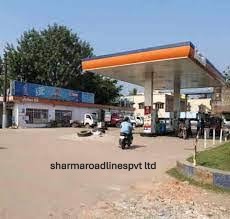
  • शिव शक्ति पेट्रोल पम्प ललमटिया : भरपर्दो इन्धन सेवा र सुविधाजनक स्थान|Shiv Shakti Petrol Pump, Lalmatiya, Nepal

    नेपालको ग्रामीण तथा शहरी क्षेत्रमा पेट्रोलियम पदार्थको माग दिनप्रतिदिन बढ्दै गएको छ। सडक यातायात, मोटरसाइकल, कार, बस, ट्रकदेखि विभिन्न कृषि उपकरणसम्म सबैलाई पेट्रोल, डिजेल वा मट्टितेलको आवश्यकता पर्छ। यस्तै अवस्थामा गुणस्तरीय सेवा दिने विश्वसनीय पेट्रोल पम्पको खोजी हरेक उपभोक्ताको प्राथमिकता हुन्छ। यसै सन्दर्भमा ललमटिया, नेपालस्थित शिव शक्ति पेट्रोल पम्प उपभोक्ताहरूमाझ एक भरपर्दो नाम बनेको छ।

    यस लेखमा हामी शिव शक्ति पेट्रोल पम्पको ठेगाना, डिजिटल एड्रेस (Plus Code), Google Map Location, सेवाहरू, विशेषता र यसले दिने सुविधाबारे विस्तृत जानकारी दिनेछौँ।


    📍 शिव शक्ति पेट्रोल पम्पको ठेगाना र स्थान

    • ठेगाना : ललमटिया 22404, नेपाल
    • डिजिटल एड्रेस (Plus Code) : RQWH+PP Lalmatiya, Nepal
    • Google Map Location : [27.8468635, 82.7792741]

    यो स्थान ललमटियाको मुख्य व्यापारिक क्षेत्रमा पर्छ जसले गर्दा स्थानीय बासिन्दा, यात्रु तथा व्यवसायीहरूलाई सजिलै इन्धन सेवा उपलब्ध हुन्छ।


    🌍 Google Map मार्फत सहज पहुँच

    शिव शक्ति पेट्रोल पम्प Google Map मा सूचीकृत भएकाले जसको स्मार्टफोनमा इन्टरनेट सुविधा छ, उनले “Shiv Shakti Petrol Pump, Lalmatiya” खोजी गर्दा सजिलै लोकेशन भेटाउन सक्छन्।

    Google Map Location:
    👉 27.8468635, 82.7792741

    यसले यात्रु वा नयाँ आगन्तुकलाई बाटो भुल्ने सम्भावना कम गराउँछ र इन्धन भर्न सजिलो हुन्छ।


    शिव शक्ति पेट्रोल पम्पबाट उपलब्ध हुने सेवाहरू

    1. गुणस्तरीय पेट्रोल र डिजेल
      – नेपाल आयल निगमबाट आधिकारिकरूपमा आपूर्ति हुने पेट्रोलियम पदार्थ उपलब्ध।
      – मापनमा पारदर्शिता र गुणस्तरको पूर्ण ग्यारेन्टी।
    2. सस्तो तथा प्रतिस्पर्धात्मक मूल्य
      – नेपाल आयल निगमले तोकेको मूल्यअनुसार इन्धन उपलब्ध।
      – अतिरिक्त शुल्क नलिइने।
    3. सहज भुक्तानी सुविधा
      – नगद भुक्तानीसँगै QR स्क्यान वा डिजिटल वालेटमार्फत तिर्न सकिने सुविधा।
    4. सजिलो पहुँच र पार्किङ सुविधा
      – ट्रक, बस, कार, मोटरसाइकल सबै प्रकारका सवारी साधनलाई सजिलै प्रवेश गर्ने सुविधा।

    🌟 शिव शक्ति पेट्रोल पम्पको विशेषता

    • केन्द्रिय स्थान : ललमटियाको मुख्य सडक किनारमा भएकोले सहज पहुँच।
    • इमानदार सेवा : मापन र मूल्यमा कुनै प्रकारको धोका नगरी ग्राहकमैत्री व्यवहार।
    • २४/७ उपलब्धता : यात्रु र व्यवसायीलाई दिनरात सेवा।
    • Google Verified Location : Digital Address (Plus Code) सहित Google Map मा सूचीकृत।
    • स्थानीय रोजगारी प्रवर्द्धन : स्थानीय जनशक्तिलाई रोजगारी दिने योगदान।

    🚘 यात्रु र व्यवसायीका लागि लाभ

    शिव शक्ति पेट्रोल पम्प केवल इन्धन भर्ने ठाउँ मात्र होइन, यो यात्रु र व्यवसायीका लागि सुरक्षित, भरपर्दो र छिटो सेवा दिने केन्द्र हो।

    • लामो यात्रामा पेट्रोल वा डिजेल सकिएर समस्या पर्ने सम्भावना कम हुन्छ।
    • ट्रान्सपोर्ट व्यवसायीका लागि नियमित आपूर्ति।
    • कृषकका लागि कृषि उपकरण चलाउन आवश्यक डिजेल सहज उपलब्ध।

    🏆 निष्कर्ष

    ललमटिया, नेपालस्थित शिव शक्ति पेट्रोल पम्प स्थानीय तथा बाह्य यात्रुहरूका लागि भरपर्दो इन्धन सेवा प्रदायक हो। ठेगाना, Plus Code र Google Map Location मार्फत सजिलै पुग्न सकिने यस पम्पले गुणस्तरीय पेट्रोलियम पदार्थ, इमानदार मूल्य, डिजिटल भुक्तानी सुविधा र सहज पहुँच प्रदान गर्छ।

    यदि तपाईं ललमटिया वा नजिकैको क्षेत्रमा हुनुहुन्छ भने, आफ्नो सवारीसाधनलाई भरपर्दो इन्धन सेवाको लागि शिव शक्ति पेट्रोल पम्प रोज्नुहोस्।

    Q1. शिव शक्ति पेट्रोल पम्प कहाँ अवस्थित छ ?

    👉 यो पेट्रोल पम्प ललमटिया 22404, नेपालमा अवस्थित छ। यसको Plus Code RQWH+PP Lalmatiya, Nepal हो।

    Q2. के शिव शक्ति पेट्रोल पम्प Google Map मा उपलब्ध छ ?

    👉 हो, तपाईं Google Map मा 27.8468635, 82.7792741 लोकेशनमार्फत सजिलै पुग्न सक्नुहुन्छ।

    Q3. शिव शक्ति पेट्रोल पम्पमा कुन–कुन सेवाहरू पाइन्छ ?

    👉 यहाँ पेट्रोल, डिजेल, डिजिटल भुक्तानी सुविधा, ठूलो सवारीसाधनका लागि पार्किङ सुविधा र पारदर्शी मापन सेवाहरू उपलब्ध छन्।

  • २०८२ को पेट्रोलियम दर अपडेट: पेट्रोल महँगो, डिजेल र मट्टितेल सस्तो – नयाँ मूल्य विवरण

    नेपालमा पेट्रोलियम उत्पादनको मूल्य फेरि परिवर्तन भएको छ। उपभोक्ताहरूले दिनहुँ प्रयोग गर्ने पेट्रोल, डिजेल, मट्टितेल, विमान इन्धन र खाना पकाउने ग्यास (LPG) जस्ता उत्पादनहरू हाम्रो जीवनशैलीसँग प्रत्यक्ष सम्बन्धित छन्। मूल्य बढ्दा वा घट्दा यातायात खर्चदेखि लिएर दैनिक उपभोग्य वस्तुको मूल्यसम्म असर पर्छ। त्यसैले नेपाल आयल निगमले (NOC) घोषणा गर्ने प्रत्येक नयाँ दरले लाखौं उपभोक्ताको ध्यान खिच्ने गर्दछ।

    यस पटकको मूल्य समायोजनसँगै पेट्रोल महँगिएको छ भने डिजेल र मट्टितेलमा भने केही राहत प्राप्त भएको छ। उपत्यकाबाट सुदूर पश्चिमसम्म फरक–फरक क्षेत्रका आधारमा मूल्य निर्धारण गरिएको छ। अब विस्तृत रूपमा नयाँ दर, यसको कारण, र उपभोक्तामाथि पर्ने प्रभावबारे चर्चा गरौं।


    पेट्रोलको मूल्य वृद्धिः दैनिक जीवन अझै महँगो

    नेपाल आयल निगमले अगस्ट १६, २०८२ बाट लागू हुने गरी पेट्रोलको मूल्यमा प्रति लिटर रु. २ ले वृद्धि गरेको छ।

    यसअनुसार:

    • काठमाडौँ, पोखरा, दिपायल लगायतका शहरमा अब पेट्रोल रु. १६१ प्रति लिटरमा बिक्री हुने भएको छ।
    • पहिलो वर्ग क्षेत्रहरू (जस्तै विराटनगर, जनकपुर, अमलेखगञ्ज, नेपालगन्ज, धनगढी, वीरगञ्ज) मा रु. १५८.५० कायम भएको छ।
    • दोस्रो वर्ग क्षेत्रहरू (जस्तै दाङ र सुर्खेत) मा भने रु. १६० कायम भएको छ।

    यो वृद्धि सानो देखिए पनि यात्रु र व्यवसायिक यातायात दुवैमा थप आर्थिक बोझ पर्ने निश्चित छ। दैनिक आवत–जावत गर्ने कर्मचारी, विद्यार्थी तथा व्यवसायीहरूलाई प्रत्यक्ष प्रभाव पर्नेछ।


    डिजेल र मट्टितेलमा राहतः मूल्य घट्यो

    साथै, निगमले उपभोक्तालाई केही राहत दिने उद्देश्यले डिजेल र मट्टितेलको मूल्य प्रति लिटर रु. १ ले घटाएको छ

    नयाँ दर यस्तो छः

    • काठमाडौँ, पोखरा, दिपायलमा रु. १४९ प्रति लिटर
    • पहिलो वर्गमा रु. १४६.५० प्रति लिटर
    • दोस्रो वर्गमा रु. १४८ प्रति लिटर

    यसरी डिजेल र मट्टितेल सस्तो हुनु भनेको सार्वजनिक यातायात, मालवाहन, कृषि तथा घरेलु प्रयोगमा प्रयोग हुने इन्धनमा केही राहत मिल्नु हो। यद्यपि रु. १ को कटौतीले ठूलो फरक नपारे पनि दीर्घकालीन हिसाबले उपभोक्ताले केही आर्थिक भार कम भएको महसुस गर्न सक्छन्।


    विमान इन्धन र ग्यासको मूल्य स्थिर

    नेपाल आयल निगमले यसपटक विमान इन्धन (ATF) र खाना पकाउने ग्यास (LPG) को मूल्यमा भने कुनै परिवर्तन गरेको छैन।

    विमान इन्धन स्थिर रहँदा अन्तर्राष्ट्रिय उडान भाडामा तत्काल असर पर्न सक्दैन। उता खाना पकाउने ग्यास स्थिर रहनु भने उपभोक्ताका लागि राहतको कुरा हो, किनभने ग्यास प्रायः सबै परिवारको दैनिक जीवनको अनिवार्य वस्तु हो।


    मूल्य निर्धारण किन हुन्छ?

    नेपालले पेट्रोलियम उत्पादनहरू आफ्नै देशमा उत्पादन गर्दैन। हामीले भारतको Indian Oil Corporation (IOC) बाट आयात गर्छौं।

    त्यसैले:

    • अन्तर्राष्ट्रिय बजारमा तेलको मूल्य घटबढ,
    • अमेरिकी डलरको विनिमय दरमा परिवर्तन,
    • ढुवानी लागत,
    • भारतको मूल्य नीति

    यी सबै कुराले प्रत्यक्ष रूपमा नेपालमा पेट्रोलियमको मूल्य निर्धारणलाई प्रभावित गर्छ।

    नेपाल आयल निगमले प्रत्येक १५ दिनमा भारतीय पक्षबाट आउने मूल्य सूची (Price List) का आधारमा नयाँ दर तोक्ने गर्दछ।


    उपभोक्तामाथि प्रभाव

    १. यातायात भाडा बढ्ने सम्भावना
    पेट्रोल महँगो भएपछि ट्याक्सी, मोटरसाइकल, निजी सवारी चालकलाई प्रत्यक्ष असर गर्छ। दीर्घकालीन रूपमा सार्वजनिक यातायात भाडामा पनि दबाब पर्न सक्छ।

    २. डिजेल सस्तो हुँदा मालवाहनमा राहत
    डिजेल र मट्टितेलको मूल्य घट्दा मालसामान ढुवानी खर्च केही कम हुन्छ। यसले बजारमा उपभोग्य वस्तुको मूल्य वृद्धि रोक्न सघाउन सक्छ।

    ३. कृषि क्षेत्रमा प्रभाव
    डिजेलमा चल्ने ट्र्याक्टर, थ्रेसर, सिंचाइ पम्प आदिको खर्च केही कम हुन्छ। यसले किसानलाई थोरै भए पनि राहत दिनेछ।

    ४. महँगो जीवनशैली अझै निरन्तर
    यद्यपि मूल्य समायोजन सानो देखिए पनि नेपालजस्तो आयातमा निर्भर मुलुकमा सानो वृद्धि वा कटौतीले पनि लामो असर पार्छ।


    सारांश तालिका

    इन्धन प्रकारक्षेत्र / वर्गनयाँ मूल्य (रु. प्रति लिटर)
    पेट्रोलकाठमाडौँ, पोखरा, दिपायल१६१
    पहिलो वर्ग (विराटनगर आदि)१५८.५०
    दोस्रो वर्ग (दाङ, सुर्खेत)१६०
    डिजेल/मट्टितेलकाठमाडौँ, पोखरा, दिपायल१४९
    पहिलो वर्ग१४६.५०
    दोस्रो वर्ग१४८
    विमान इन्धनसबै क्षेत्रमा स्थिरपरिवर्तन छैन
    LPG (ग्यास)सबै क्षेत्रमा स्थिरपरिवर्तन छैन

    निष्कर्ष

    नेपालमा पेट्रोल महँगो भएको छ भने डिजेल र मट्टितेल केही सस्तो भएको छ। विमान इन्धन र खाना पकाउने ग्यास स्थिर नै छन्। मूल्य घटबढ सधैं अन्तर्राष्ट्रिय बजार र विनिमय दरसँगै जोडिएको हुन्छ। उपभोक्ताले तत्कालीन रूपमा सस्तो वा महँगो महसुस गर्ने भए पनि दीर्घकालीन दृष्टिकोणले इन्धन मूल्य स्थिर राख्ने चुनौती अझै ठूलो छ।

    नेपाल आयल निगमले समय समयमा गर्ने मूल्य समायोजनलाई उपभोक्ताले आवश्यक सूचना भनेर बुझ्नुपर्छ।

    १. नयाँ मूल्य कहिले लागू भएको हो?

    अगस्ट १६, २०८२ बाट नयाँ पेट्रोलियम दर लागू भएको हो।

    २.अगस्ट १६, २०८२ बाट नयाँ पेट्रोलियम दर लागू भएको हो।

    अन्तर्राष्ट्रिय बजारको दर, डलरको विनिमय दर, ढुवानी खर्च र भारतबाट आयात मूल्यमा भएको परिवर्तनले प्रत्यक्ष असर गर्छ।

    ३. पेट्रोलको नयाँ मूल्य कस्तो छ?

    काठमाडौँ, पोखरा र दिपायलमा रु. १६१, पहिलो वर्ग क्षेत्रमा रु. १५८.५० र दोस्रो वर्ग क्षेत्रमा रु. १६० कायम छ।