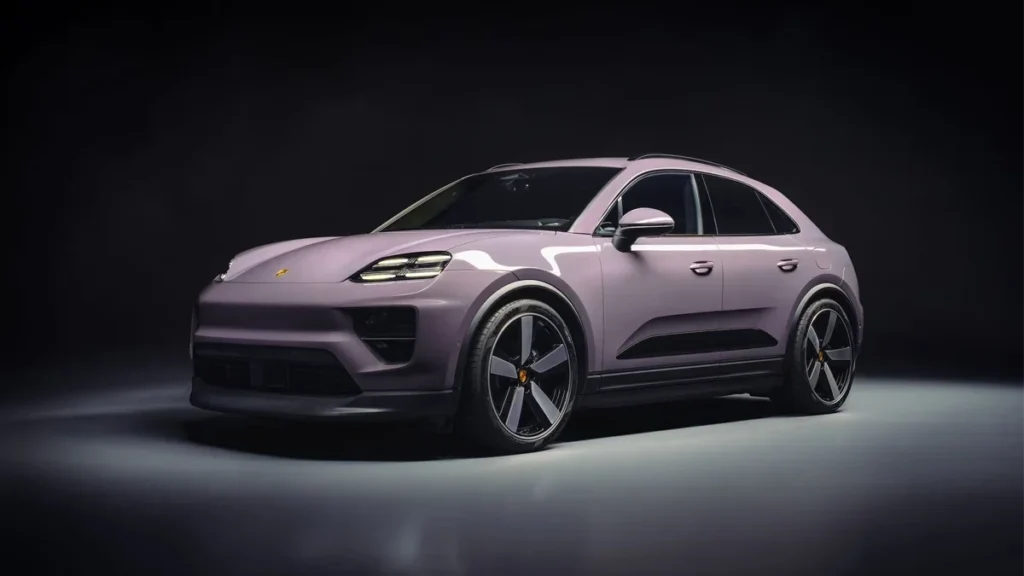
As 2026 approaches, many car buyers are asking a serious question: Is this finally the right time to switch to an electric or hybrid vehicle? Just a few years ago, EVs and hybrids felt like a future concept—expensive, confusing, and a bit risky. Today, that story is changing fast. With better technology, expanding charging networks, and growing awareness about fuel costs and the environment, 2026 could be a turning point for everyday drivers.
Let’s break it down in a simple, human way—no hype, just real-world reasons to consider whether an electric or hybrid vehicle makes sense for you.
Electric and Hybrid Cars Are Becoming More Affordable
One of the biggest reasons people hesitated to buy electric vehicles in the past was the high upfront cost. In 2026, that gap is expected to shrink even further. Battery production has improved, manufacturing has scaled up, and competition among automakers is stronger than ever. All of this helps bring prices down.
Hybrid vehicles, in particular, are becoming a practical middle ground. They usually cost less than fully electric cars and still offer impressive fuel savings. For buyers who aren’t ready to go fully electric, hybrids offer a comfortable transition without changing daily driving habits too much.
Charging Infrastructure Is No Longer a Major Fear
Range anxiety used to be a real concern—and honestly, it still is for some people. But by 2026, charging infrastructure is expected to be far more reliable and widespread. Fast-charging stations are expanding on highways, in cities, and even in smaller towns.
Home charging is also becoming easier and more affordable. Many new EV owners discover that charging overnight at home feels more convenient than stopping at a fuel station every week. For daily commuting and regular use, charging is slowly becoming a non-issue.
Fuel Savings Add Up Over Time
Petrol and diesel prices remain unpredictable. Electric vehicles offer relief from that uncertainty. Charging an EV generally costs much less than filling up a fuel tank, especially if you charge at home.
Hybrid vehicles also shine here. They use less fuel, especially in city traffic, where electric motors do most of the work. Over a few years of ownership, the savings on fuel can make a noticeable difference to your overall budget.
Lower Maintenance, Less Stress
Electric vehicles have fewer moving parts than traditional cars. There’s no engine oil, fewer filters, and less wear and tear overall. That often translates to lower maintenance costs and fewer trips to the service center.
Hybrids still have engines, but they’re usually under less strain than conventional cars. This can lead to longer engine life and reduced maintenance expenses—another plus for long-term ownership.
Environmental Awareness Is Influencing Decisions
Many buyers in 2026 aren’t just thinking about money—they’re thinking about impact. Electric and hybrid vehicles produce fewer emissions, which means cleaner air and a smaller carbon footprint.
For families and younger buyers especially, choosing an EV or hybrid often feels like a responsible decision for the future. It’s not about being perfect—it’s about taking a step in the right direction.
More Choices Than Ever Before
A few years ago, electric cars felt limited in design and options. That’s no longer the case. By 2026, buyers can choose from electric SUVs, compact cars, sedans, and even performance models. Hybrids are available across almost every popular segment.
This variety means you no longer have to compromise on comfort, style, or performance just to go electric or hybrid.
Is 2026 the Right Time for You?
The answer depends on your lifestyle, driving habits, and budget. If you mostly drive within the city, have access to home or nearby charging, and want to reduce fuel expenses, an electric vehicle could be a smart choice in 2026. If you want flexibility and peace of mind without fully giving up fuel, a hybrid might be the perfect fit.
What’s clear is this: electric and hybrid vehicles are no longer just “future cars.” By 2026, they’re practical, reliable, and increasingly mainstream.
Frequently Asked Questions (FAQs)
- Are electric vehicles reliable for daily use in 2026?
Yes, electric vehicles in 2026 are expected to be highly reliable for daily driving. Improved battery technology and better charging networks make them suitable for commuting and regular travel. - Should I choose a hybrid instead of a fully electric car?
If you’re not ready to depend entirely on charging infrastructure or frequently drive long distances, a hybrid can be a safer and more flexible option while still saving fuel. - Will electric and hybrid cars be cheaper to maintain than petrol cars?
In most cases, yes. Electric vehicles have fewer parts to maintain, and hybrids experience less engine wear, leading to lower maintenance costs over time.
Leave a Reply